Gardening Made Simple.
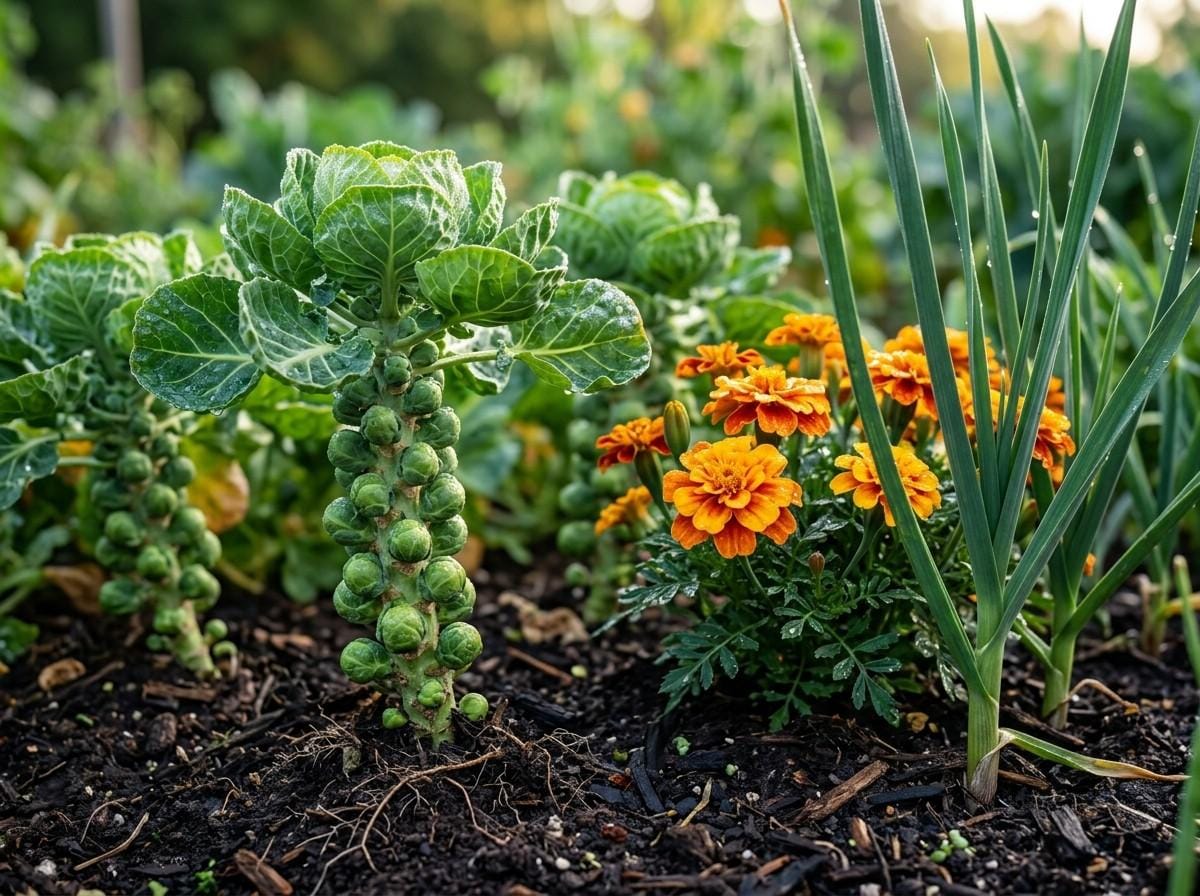
Brussels Sprouts Companion Plants can help improve plant health, reduce pests, and increase your harvest naturally. If you're planning to grow Brussels Sprouts Companion Plants, pairing Brussels sprouts with the right vegetables, herbs, and flowers can create a healthier, more productive garden. This guide covers the best companion plants and which ones to avoid for the strongest growing results.
When you pair Brussels sprouts with the best neighbors, you can naturally protect them from pests, improve soil quality, and even speed up their growth. You’ll discover which plants work perfectly alongside Brussels sprouts and how to use them to create a thriving, vibrant garden.
Keep reading to unlock simple tips that will help your Brussels sprouts flourish like never before!
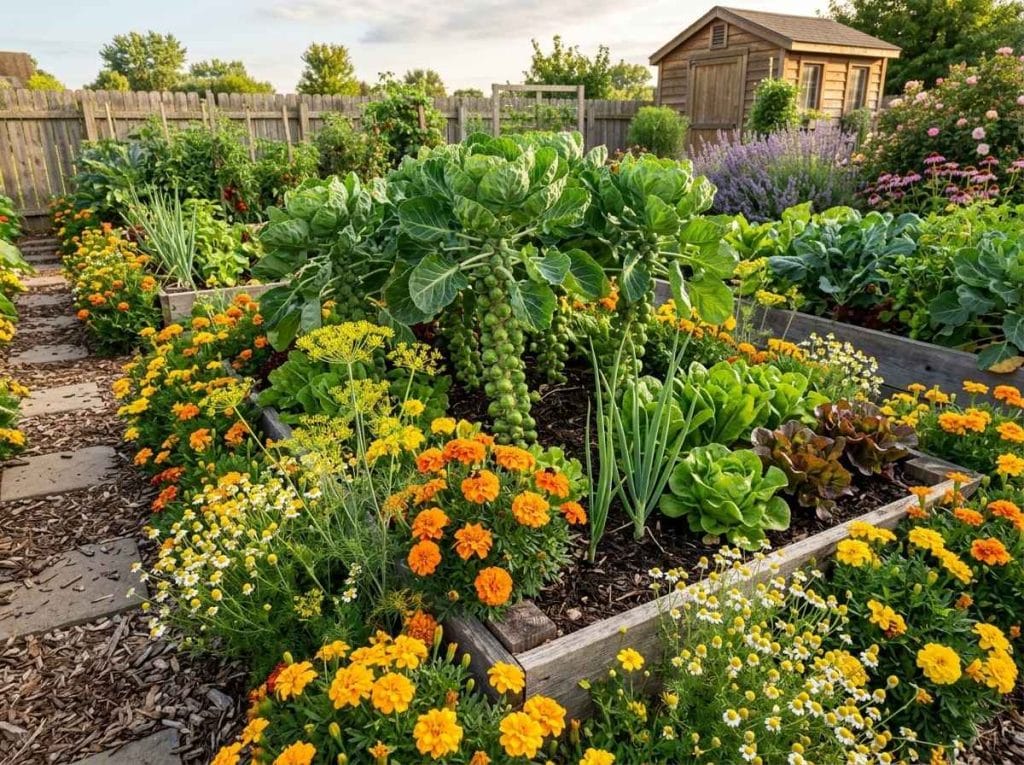
Companion planting offers many benefits for growing Brussels sprouts. It helps plants grow stronger and healthier. It also protects them from pests and improves the soil. These benefits make companion planting a smart choice for gardeners.
Some plants help Brussels sprouts grow faster. They provide shade or support. Others add nutrients to the soil, helping sprouts get more food. This leads to bigger, better sprouts and more harvest.
Certain plants keep harmful bugs away from Brussels sprouts. They confuse pests or attract helpful insects that eat pests. This reduces the need for chemicals and keeps plants safe naturally.
Some companion plants add nutrients to the soil, like nitrogen. Others improve soil structure and water retention. Healthy soil means healthy Brussels sprouts that can grow strong all season.
Choosing the right companion plants helps Brussels sprouts grow better. These plants improve soil health and keep pests away. They also help Brussels sprouts get more nutrients. Planting companions creates a healthier garden environment. It supports strong growth and boosts yield.
Alliums like garlic, onions, and leeks protect Brussels sprouts. Their strong smell keeps pests away. They stop aphids and cabbage worms from attacking. These plants also improve soil nutrients. Planting alliums near Brussels sprouts reduces the need for chemicals.
Herbs such as dill, rosemary, and sage make great companions. Dill attracts beneficial insects that eat harmful bugs. Rosemary and sage repel pests with their scents. These herbs also add flavor to meals. Growing herbs next to Brussels sprouts helps keep the garden balanced.
Peas and beans are good for Brussels sprouts. They add nitrogen to the soil, which plants need to grow. Legumes improve soil quality naturally. They also attract helpful insects like bees. Planting peas or beans near Brussels sprouts supports healthy growth and better harvests.
Carrots and beets grow well with Brussels sprouts. Their roots grow deep, so they don’t compete for space. These vegetables help loosen the soil. Carrots and beets also attract beneficial insects. Planting them near Brussels sprouts improves garden health and plant strength.
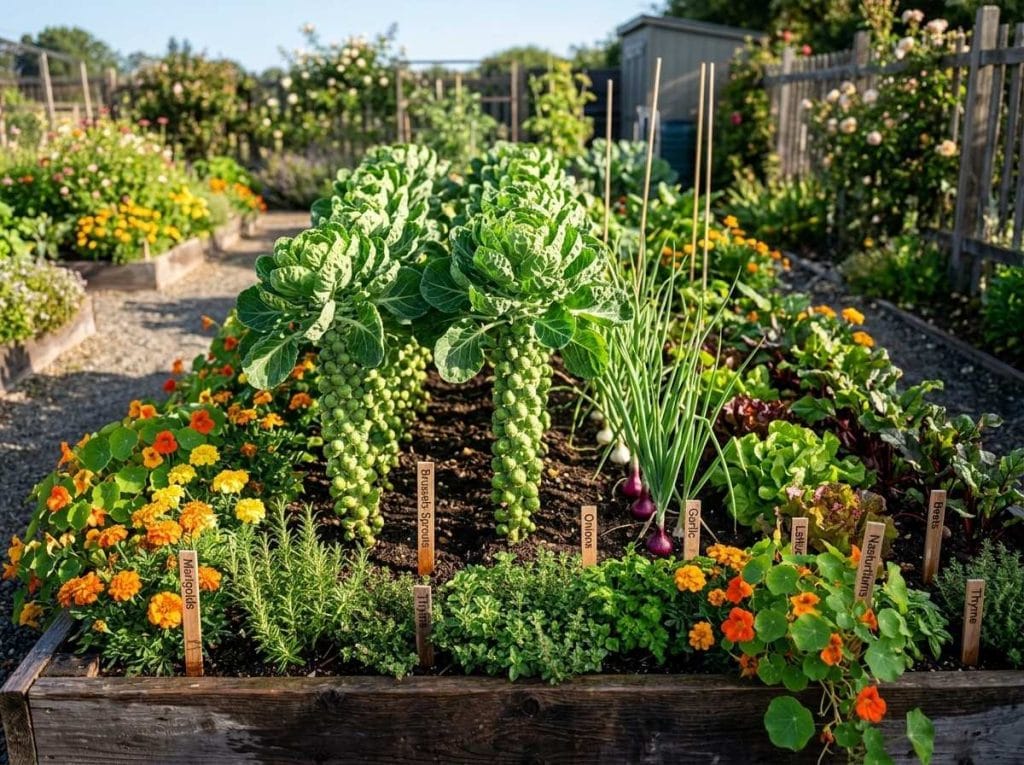
Choosing the right plants near Brussels sprouts is important for a healthy garden. Some plants can harm Brussels sprouts by sharing pests or using too many nutrients. Avoid planting certain crops close to Brussels sprouts to keep them strong and productive.
Strawberries and Brussels sprouts do not grow well together. Strawberries attract pests that also harm Brussels sprouts. These pests can spread quickly and damage both plants. Strawberries also need different soil nutrients, which can weaken Brussels sprouts.
Tomatoes should not be planted near Brussels sprouts. They can spread diseases that affect Brussels sprouts. Tomatoes need a lot of water, which can cause problems for Brussels sprouts roots. Their growth habits may also block sunlight from reaching Brussels sprouts.
Pole beans are not good companions for Brussels sprouts. They compete for space and nutrients in the soil. Beans can attract insects that harm Brussels sprouts leaves. Their vines may grow over Brussels sprouts and reduce air flow, increasing disease risk.
Planting Brussels sprouts with companion plants can boost growth and reduce pests. Good companions improve soil and protect sprouts. Follow these tips to plant Brussels sprouts with their best partners.
Space Brussels sprouts at least 18 inches apart. Place companion plants like onions and garlic nearby. These plants repel harmful insects. Avoid crowding to ensure air circulation. Proper spacing helps prevent diseases. Arrange taller plants to block wind and sun.
Plant Brussels sprouts in cool seasons, usually early spring or fall. Start companion plants at the same time or slightly earlier. Rotate crops yearly to keep soil healthy. Avoid planting Brussels sprouts where other cabbage family plants grew. Crop rotation reduces pests and soil depletion.
Use well-drained, rich soil with plenty of organic matter. Add compost before planting to improve nutrients. Test soil pH; Brussels sprouts prefer 6.0 to 7.0. Fertilize lightly with balanced fertilizer during growth. Companion plants like beans add nitrogen to soil naturally.
Growing Brussels sprouts with companion plants can bring many benefits. Still, some common challenges can affect plant health and yield. Understanding these issues helps keep your garden strong and productive.
Simple solutions can solve most problems. Paying attention to pests, nutrients, and diseases makes a big difference. Let's explore how to handle these challenges effectively.
Pests like aphids and caterpillars often attack Brussels sprouts. Companion plants can help repel these pests without chemicals. For example, planting garlic or onions nearby keeps many insects away.
Introducing beneficial insects such as ladybugs also controls pest populations. Regularly check leaves for pests and remove them by hand if needed. Natural sprays made from neem oil or soapy water offer safe pest control.
Brussels sprouts need plenty of nutrients to grow well. Some companion plants may compete for the same nutrients, which slows growth. Choose plants that have different nutrient needs or root depths.
Legumes like peas and beans fix nitrogen in the soil, benefiting Brussels sprouts. Avoid planting heavy feeders close together. Mulching and adding compost helps keep soil fertile for all plants.
Diseases like mildew and rot can spread quickly in crowded gardens. Good airflow between plants reduces the risk of fungal infections. Space plants properly and prune lower leaves to improve air circulation.
Rotate crops each year to avoid soil-borne diseases. Remove and destroy infected plant parts immediately. Clean gardening tools regularly to stop disease spread between plants.
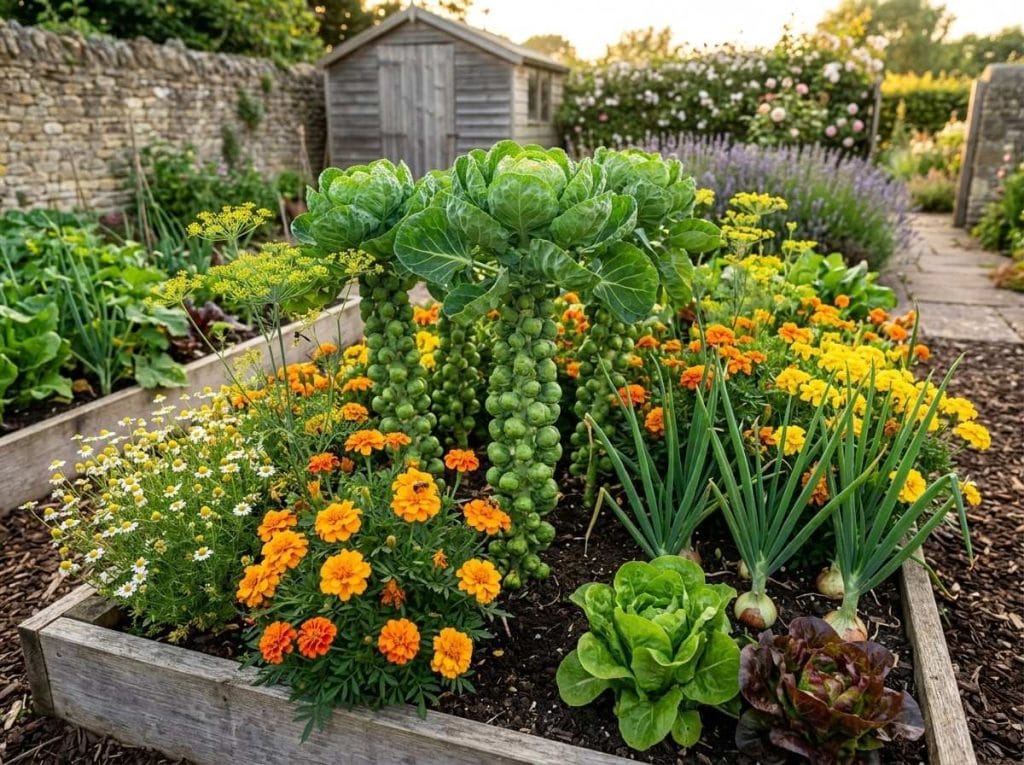
Plants like onions, garlic, and herbs grow well and protect Brussels sprouts from pests.
Brussels sprouts may slow some plants' growth if planted too close together.
Marigolds and nasturtiums bring beneficial insects that control pests on Brussels sprouts.
Companion plants can keep pests away and improve soil nutrients for Brussels sprouts.
Avoid planting strawberries and tomatoes near Brussels sprouts to prevent growth problems.
Choosing the right companion plants helps Brussels sprouts grow strong and healthy. Plants like onions, garlic, and peas protect them from pests. They also improve soil and boost growth naturally. Planting these companions saves space and creates a balanced garden.
Try different combinations to see what works best for you. Healthy Brussels sprouts come from smart planting choices. Keep your garden simple and watch it thrive. Growing with companions makes gardening easier and more fun.