Gardening Made Simple.
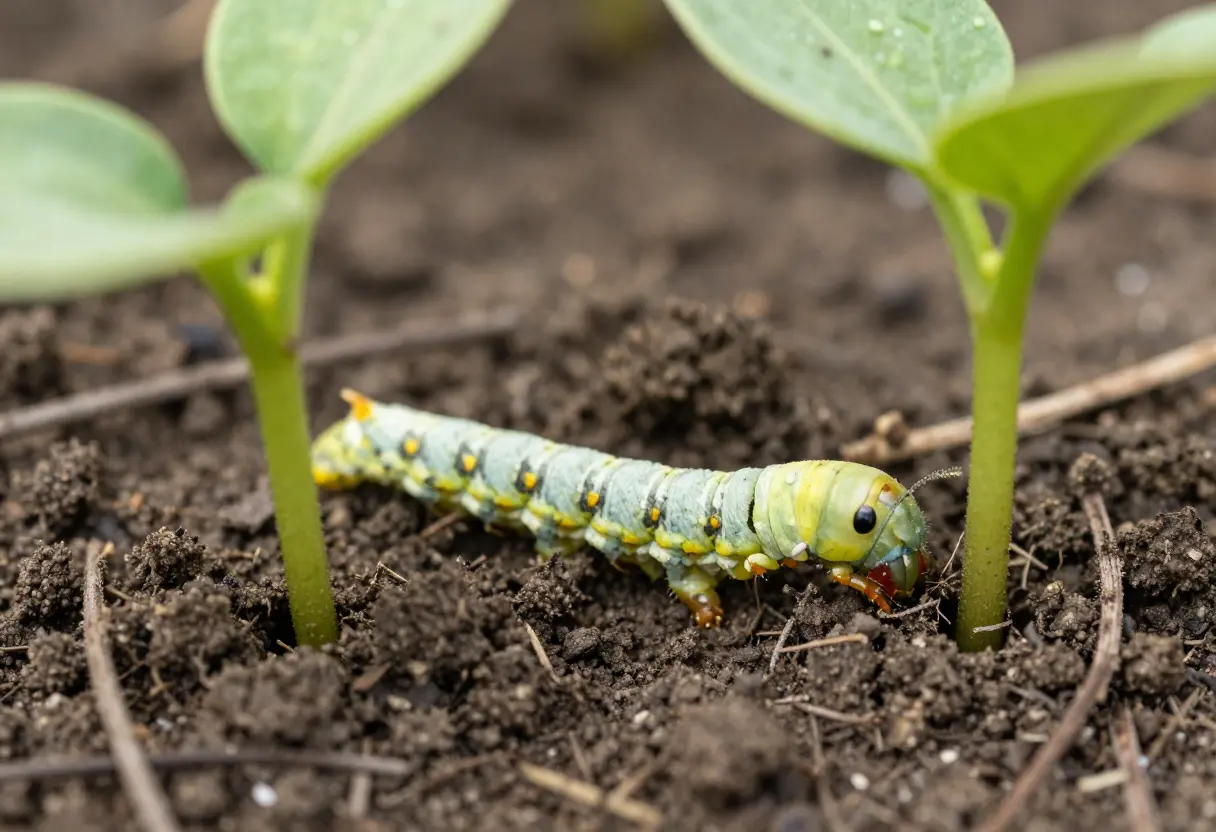
Have you ever planted seedlings with care, only to find them suddenly wilting or disappearing overnight? Cutworm Damage to Seedlings is often the culprit—these tiny pests can cause big problems for young plants, but with the right prevention and control strategies, you can keep your garden safe and thriving.
Understanding how cutworms attack and what signs to look for can save your seedlings and protect your garden’s future. You’ll discover how to spot cutworm damage early and simple steps you can take to keep your seedlings safe and thriving.
Keep reading to make sure your hard work doesn’t go to waste.
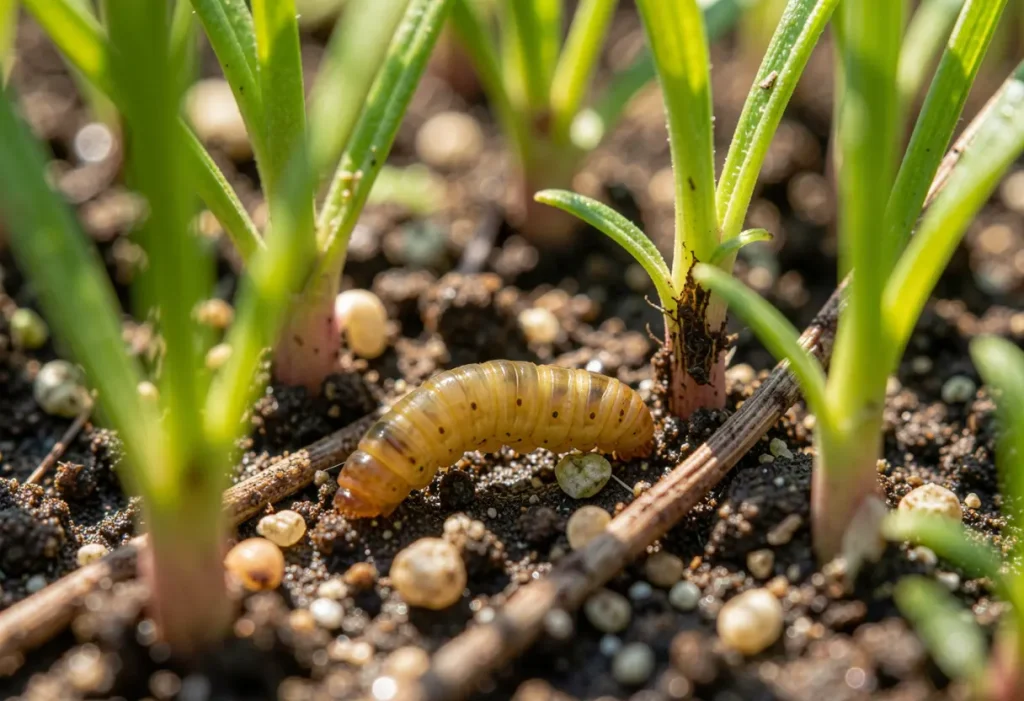
Identifying cutworm damage early helps protect young plants. Cutworms are common pests that harm seedlings at night. They chew through stems near the soil surface. Knowing their signs and types aids quick action. This saves your garden from serious harm.
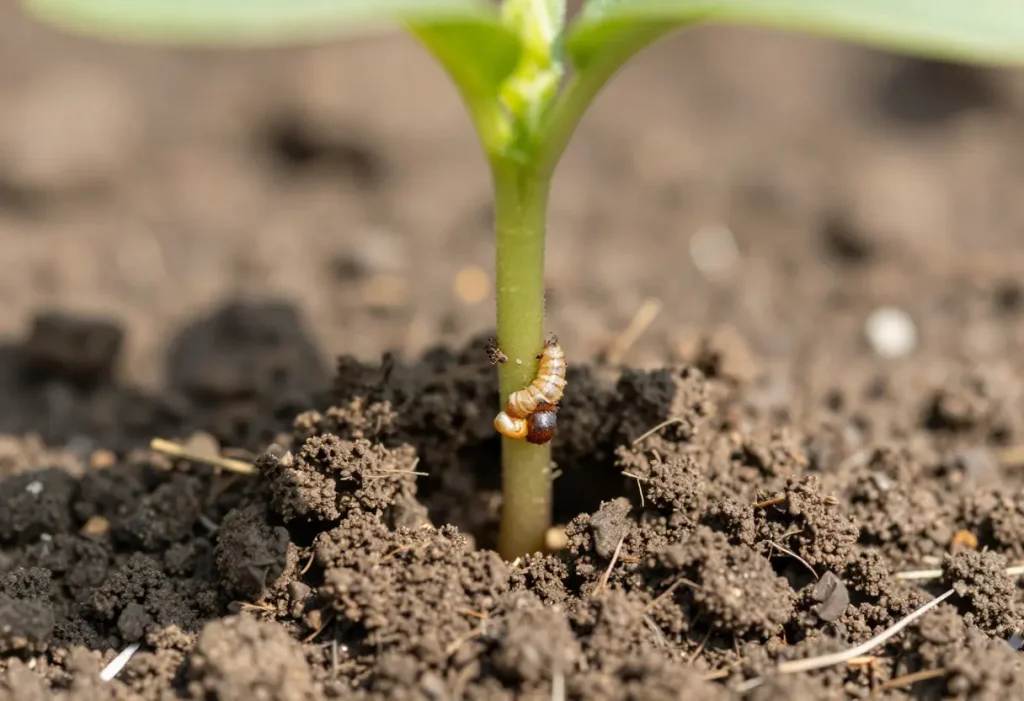
Seedlings may suddenly fall over or wilt. Stems look cut, usually just above the soil. Leaf edges might show irregular bite marks. You may find small holes in leaves. Soil around seedlings may have tiny dark droppings. Damaged plants struggle to grow or die fast.
Several cutworm species harm garden plants. The black cutworm is dark and smooth. It cuts young plants near the base. The variegated cutworm has light and dark patterns. It eats leaves and stems above soil. The granulate cutworm is rough with bumps. It feeds on a wide range of plants. Each type causes similar damage but acts differently.
Cutworms can cause serious damage to young plants. Certain factors make cutworms more active. Knowing these helps protect seedlings better.
Cutworms hide in the soil and come out at night. They cut down seedlings at the base, killing the plant quickly.
Warm, moist soil creates a perfect home for cutworms. They thrive in mild temperatures between 60 and 80 degrees Fahrenheit. Rain or irrigation keeps the soil damp, attracting cutworms.
Heavy mulch or thick plant debris offers shelter during the day. Cutworms avoid dry or very hot places. Cool, dry weather reduces their activity.
These pests become more active at night or in cloudy weather. Bright sunlight and strong winds keep them hidden underground.
Leaving plant debris or weeds can attract cutworms. These materials provide food and hiding spots near seedlings. Overwatering creates moist soil that cutworms love.
Planting seedlings too close together reduces air flow and increases humidity. This environment encourages cutworm activity. Tilling the soil poorly or not at all lets cutworms stay undisturbed.
Using heavy mulch without proper care can trap moisture and shelter cutworms. Avoid planting new seedlings near last year’s crop remains. This practice lowers the risk of cutworm attacks.
Preventing cutworm damage is key to protecting young seedlings. Early action saves plants from harm and promotes healthy growth. Several simple strategies help keep cutworms away. These methods work well together for best results.
Keep soil clean and free of weeds. Cutworms hide in plant debris and loose soil. Remove old plants and leaves before planting. Till the soil to expose cutworm larvae. This reduces their numbers. Avoid excessive mulch, which can hide pests.
Use collars made from cardboard or plastic. Place them around each seedling stem. This stops cutworms from reaching the plant base. The barriers should be pushed slightly into the soil. Remove them once plants grow larger.
Invite helpful insects like ladybugs and lacewings. They feed on cutworm eggs and larvae. Birds and frogs also eat cutworms. Provide habitats like birdhouses and small ponds. Natural predators help control pest numbers safely.
Effective treatment methods stop cutworms from damaging seedlings. Choosing the right method protects young plants and helps them grow strong. Treatments include both organic and chemical choices. Proper timing and careful application improve results.
Organic options include beneficial nematodes and diatomaceous earth. These natural methods kill cutworms without harming the soil. Handpicking cutworms at night also reduces their numbers. Chemical treatments use insecticides designed for soil pests. Use these only when organic methods do not work. Always follow label instructions for safety.
Apply treatments in early evening or at night. Cutworms are most active during this time. Treat soil around seedlings to target the larvae. Water the soil before applying to help chemicals soak in. Repeat treatments as recommended to catch new larvae. Proper timing increases the chance of killing cutworms before damage occurs.
Detecting cutworm damage early helps protect young seedlings. Early monitoring stops small problems from becoming big losses. Careful observation of seedlings keeps damage minimal. It also supports healthy plant growth and better yields.
Check seedlings daily for signs of cutworm damage. Look for wilted or cut stems near the soil surface. Lift soil gently around seedlings to spot hiding worms. Focus on nighttime checks since cutworms are active then. Use a flashlight to see worms more clearly at night.
Set up traps to catch cutworms before they harm plants. Place cardboard collars around seedling stems to block worms. Use bait made from bran mixed with insecticide near seedlings. Traps help measure worm presence and reduce their numbers. Change baits regularly to keep them effective.
Seedlings damaged by cutworms need careful attention to recover well. Proper care helps young plants grow strong again. Quick action after damage improves plant health and future growth.
Remove damaged leaves carefully without hurting the stem. Water seedlings gently to avoid stress. Use a balanced fertilizer to support new growth. Keep soil moist but not soggy. Place seedlings in a spot with good sunlight. Avoid overcrowding to ensure enough air and light. Check plants daily for signs of new damage or stress.
Remove plants beyond recovery to save space and resources. Prepare soil by loosening it and adding compost. Plant new seeds or seedlings promptly to avoid delays. Water new plants well after planting. Protect young plants with barriers to prevent cutworm attacks. Monitor new seedlings closely during early growth. Replace damaged plants quickly to keep your garden healthy.
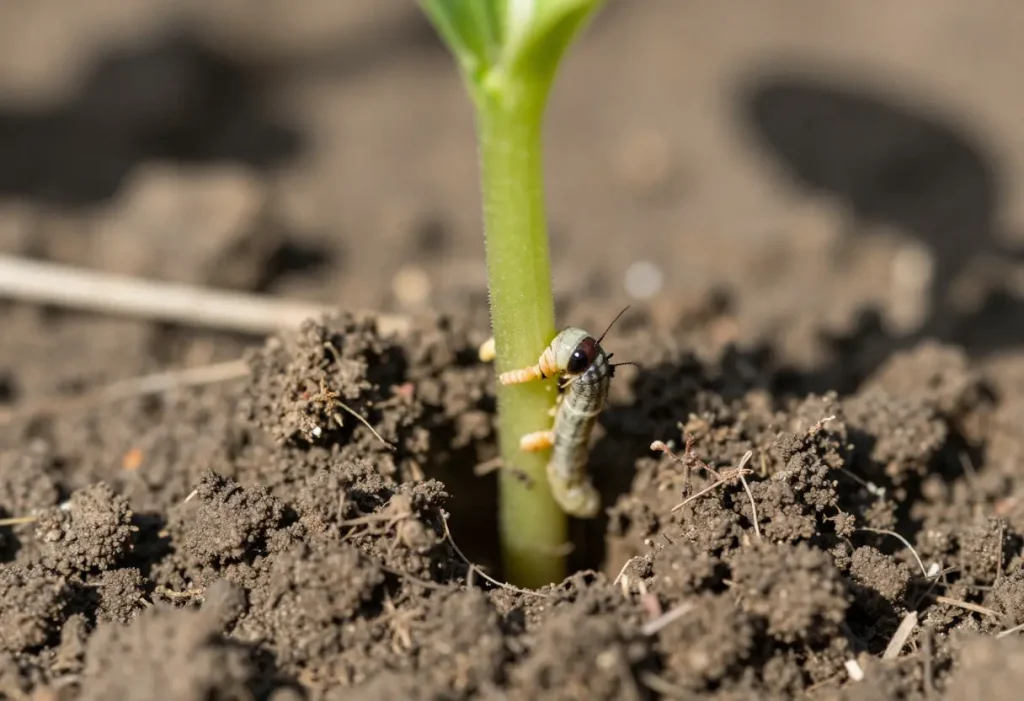
Cutworms are small caterpillars that cut down young plants at the soil level. They chew through stems, causing seedlings to wilt and die. Damage often happens at night when cutworms are active.
Cutworm damage looks like seedlings cut off near the ground. You may find small holes or missing plants in your garden. Look for smooth, clean cuts on the stem base.
Remove plant debris and weeds where cutworms hide. Use collars around seedlings to block cutworm access. Regularly check plants and handpick any cutworms found.
Cutworms mainly attack seedlings in spring and early summer. They are most active at night and during wet weather. Young plants are especially at risk during this time.
Yes, birds, beetles, and parasitic wasps eat cutworms. Encouraging these predators can reduce cutworm numbers naturally. Avoid broad insecticides to protect helpful insects.
Cutworms can harm young plants quickly and quietly. Watch your seedlings every day for signs of damage. Use simple barriers or natural methods to protect them. Early action can save your garden from big loss. Healthy seedlings grow into strong, fruitful plants.
Stay alert and care for your garden well. This helps you enjoy a better harvest later. Small steps now prevent bigger problems later on. Your efforts make a real difference in plant health. Keep learning and stay patient with your garden’s needs.