Gardening Made Simple.

Have you ever wondered if basil grows back after you harvest it? If you love cooking with fresh herbs, you probably don’t want to keep buying new plants every time you run out. Knowing Does Basil Grow Back will help you maintain a thriving herb garden and enjoy fresh leaves continuously.
Knowing whether your basil will come back can save you time, money, and effort. You’ll discover the simple secrets to helping your basil grow strong and return season after season. Keep reading to learn how to make the most of your basil plant and enjoy fresh leaves whenever you want.
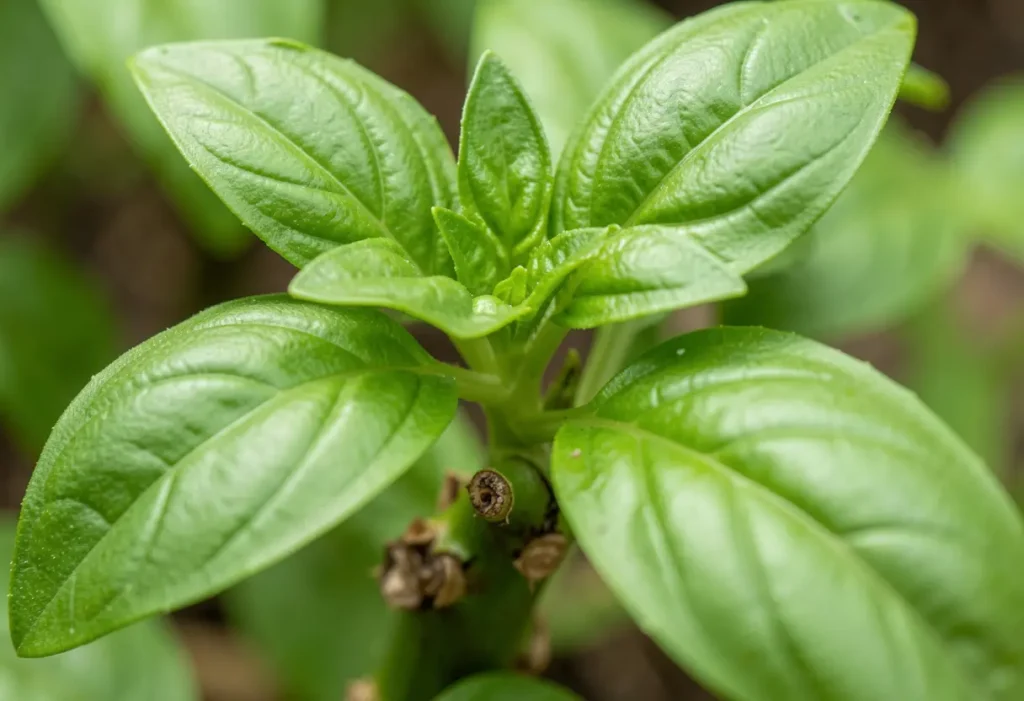
Basil is a popular herb known for its fresh aroma and flavor. Understanding its growth cycle helps gardeners care for it better. Basil grows quickly but has a limited life span. It goes through stages from seed to mature plant. Knowing these stages shows if basil grows back after harvesting.
The growth cycle of basil includes germination, leaf development, flowering, and seed production. Each stage affects how often you can harvest leaves. Proper care helps basil grow back stronger after cutting. Let’s explore the life span of basil plants and factors that affect their regrowth.
Basil is an annual plant. It completes its life cycle in one growing season. Usually, basil lives for about 3 to 5 months. After flowering, the plant starts to die. Harvesting leaves regularly can extend the life span. Cutting flowers delays the end of the plant's life. This helps the plant focus on leaf growth instead of seeds.
Several factors affect basil’s ability to grow back. Light is very important. Basil needs at least 6 hours of sunlight daily. Watering also plays a big role. The soil should be moist but not soggy. Overwatering can harm the roots. Temperature matters too. Basil grows best in warm weather. Cold temperatures slow growth or kill the plant. Proper pruning encourages new leaf growth. Cutting just above a leaf node helps regrow leaves fast.
Harvesting basil properly helps the plant grow back strong and healthy. Cutting basil the right way encourages new leaves to grow quickly. It also keeps the plant full and flavorful through the season. Knowing when and how to harvest makes a big difference in your basil’s growth.
Pick basil leaves early in the morning for the best flavor. The leaves hold more oils before the heat of the day. Wait until the plant has grown at least 6 inches tall. Harvest leaves regularly to stop the plant from flowering. Flowering can reduce the taste and growth of basil.
Use sharp scissors or garden shears to cut basil cleanly. Cut just above a leaf node, where two leaves meet the stem. This encourages new branches to grow from the cut point. Avoid cutting more than one-third of the plant at a time. Removing too much can stress the plant and slow growth.
Basil is a popular herb that often grows back after harvesting. Encouraging regrowth keeps your basil plant healthy and full. Proper care helps the plant produce fresh, tasty leaves again and again. Understanding how to prune, water, and feed basil is key to its regrowth. Healthy practices make your basil thrive through the seasons.
Pruning basil regularly helps it grow strong and bushy. Cut just above a pair of leaves to encourage new shoots. Remove flowers early to stop the plant from going to seed. Pinch off the top leaves to keep the plant producing more leaves. Avoid cutting more than one-third of the plant at once. Clean, sharp scissors prevent damage and disease.
Basil needs consistent watering but avoid soggy soil. Water deeply when the top inch of soil feels dry. Use water at the base to keep leaves dry and healthy. Feed basil with a balanced fertilizer every few weeks during growth. Too much fertilizer can reduce leaf flavor and quality. Proper watering and feeding help basil recover and grow back fast.
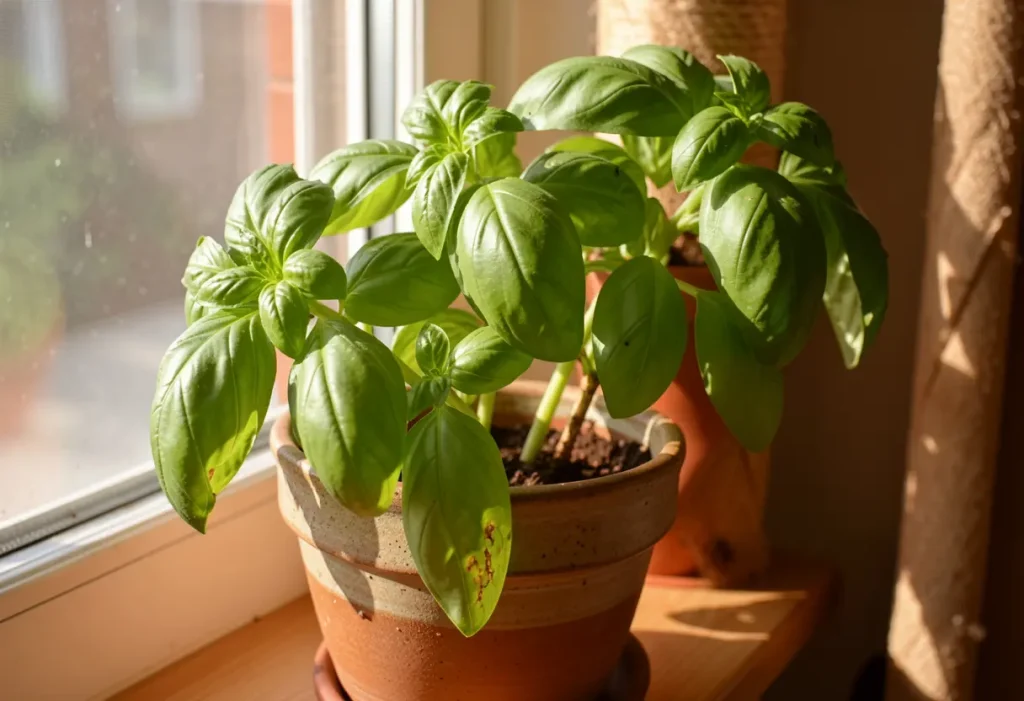
Basil is a popular herb that can grow back if cared for properly. Sometimes, problems like pests and diseases stop it from growing well. Knowing common issues helps keep basil healthy and thriving. Here are some common problems and easy solutions.
Small insects can harm basil leaves and stems. Aphids, whiteflies, and spider mites often attack basil plants. These pests suck the plant’s juices and make leaves wilt or yellow.
To stop pests, spray basil with water to knock them off. Use natural insect sprays like neem oil for control. Picking pests off by hand works well too. Keep the area clean and remove dead leaves to prevent infestations.
Basil can get diseases like downy mildew and leaf spot. These cause yellow or brown spots on leaves. Wet leaves and poor air flow increase disease risk.
Plant basil in a sunny place with good air circulation. Avoid watering leaves; water soil instead. Remove sick leaves quickly to stop spread. Use disease-resistant basil varieties for better results.
Extending your basil harvest means enjoying fresh leaves for a longer time. Basil can regrow after cutting, giving you multiple harvests. With the right care, you can keep your basil healthy and productive.
Growing basil indoors and following seasonal care tips helps your plant thrive. These methods keep the plant strong and ready to grow new leaves.
Choose a bright spot with at least six hours of sunlight daily. Basil loves warmth, so keep it away from cold drafts. Use well-draining soil to avoid water buildup. Water your basil when the top soil feels dry. Prune regularly to encourage bushy growth and more leaves. Avoid letting the basil flower too soon to keep leaves tasty. Rotate the pot to ensure even light exposure for all sides.
In spring and summer, basil grows fast with warm temperatures. Feed your plant with a balanced fertilizer every two weeks. During colder months, reduce watering to prevent root rot. Protect outdoor basil from frost by bringing it indoors. Trim dead or yellow leaves to keep the plant healthy. Mulch around the base to keep soil moist and cool. Adjust care based on your region's climate for best results.
Yes, basil grows back quickly after cutting. Cutting encourages new leaf growth and keeps the plant healthy.
Basil usually regrows new leaves within 1 to 2 weeks. Regular trimming speeds up the process.
You can harvest basil without harming it by cutting above a leaf node. This helps the plant keep growing.
Basil can regrow after flowering, but flowers take energy from leaf growth. Pinching off flowers helps leaves grow better.
Trim basil every 1 to 2 weeks to keep it healthy. Frequent trimming stops it from becoming too tall or woody.
Basil does grow back if you care for it well. Regular trimming helps the plant stay healthy and full. Give it enough sunlight and water to thrive. Avoid cutting too close to the base. Fresh basil leaves will keep coming for your kitchen.
Growing basil is simple and rewarding. You can enjoy fresh herbs all season long. Just remember to watch your plant and trim often. Easy to grow, basil can be a great addition to your garden.