Gardening Made Simple.

Have you ever wondered how does broccoli grow from a tiny seed into the crunchy, green vegetable on your plate? Understanding the simple steps behind its growth can help you care for your plants properly and appreciate this nutritious superfood even more. With the right soil, sunlight, and watering, you can grow healthy broccoli right in your garden.
Whether you want to grow broccoli in your own garden or just satisfy your curiosity, knowing how this plant develops will change the way you see your food. Keep reading, and you’ll discover the fascinating process that turns soil and sunlight into fresh broccoli ready to enjoy.
Choosing the right broccoli variety is important for a healthy garden. Different types of broccoli grow better in certain places. Picking the right one helps you get the best harvest. It also makes growing easier and more fun.
Broccoli comes in many types. Calabrese is the most common type. It has large green heads and thick stalks. Sprouting broccoli has many small heads on thin stalks. It grows well in cooler weather. Romanesco broccoli has bright green, pointed heads. It is known for its unique shape and mild taste.
Broccoli grows best in cool weather. Some varieties do better in warmer places. Calabrese likes mild temperatures and can handle light frost. Sprouting broccoli grows well in cold seasons and needs less heat. Romanesco prefers cooler climates but can adapt to warm areas. Choose a variety that fits your local weather for best results.
Preparing the soil is the first step to growing healthy broccoli. Good soil helps broccoli roots grow strong. It also provides the nutrients plants need. Proper soil preparation creates the best start for your broccoli plants.
Broccoli grows best in loose, well-drained soil. The soil should hold moisture but not stay wet. A slightly acidic to neutral pH, between 6.0 and 7.0, is ideal. Heavy clay or sandy soils need improvement before planting. This helps broccoli absorb water and nutrients easily.
Adding compost improves soil fertility and texture. Organic matter helps soil hold nutrients and moisture. Mix aged compost or well-rotted manure into the soil. This boosts soil health and supports broccoli growth. Fertilize with balanced nutrients before planting to feed young plants. Healthy soil leads to bigger, tastier broccoli heads.
Growing broccoli starts with planting good seeds. Healthy seeds give strong plants. Proper planting helps broccoli grow well and produce big heads. Understanding how to start seeds and when to plant is important for success.
Broccoli seeds need the right care from the beginning. Seed starting and timing affect how well the plants develop. Follow easy steps for best results in your garden.
Start broccoli seeds indoors for an early start. Use seed trays or small pots filled with seed soil. Plant seeds about ¼ inch deep. Keep the soil moist but not wet. Place trays in a warm spot with light.
Seeds usually sprout in 5 to 10 days. After sprouting, give them plenty of light. Use a sunny window or grow lights. When seedlings grow two sets of leaves, thin them to avoid crowding.
Transplant seedlings outside when they are strong enough. Harden them off by slowly exposing them to outdoor conditions for a week. This helps the plants adjust and grow better in the garden.
Broccoli grows best in cool weather. Plant seeds indoors 6 to 8 weeks before the last spring frost. This timing helps seedlings be ready for outdoor planting.
Transplant seedlings outside 2 to 3 weeks before the last frost date. Broccoli needs 50 to 70 days to mature. For a fall harvest, plant seeds in midsummer, about 85 to 100 days before the first frost.
Choose planting times based on your climate. Cooler temperatures give the best growth and flavor. Avoid hot weather, which can cause broccoli to bolt or turn bitter.
Transplanting broccoli seedlings is a key step in growing healthy plants. It moves young plants from seed trays to the garden soil. This helps them get more space, light, and nutrients to grow big and strong.
Timing and technique are very important during transplanting. Doing it right can boost growth and improve harvest quality. Doing it wrong can stress the plants or cause them to stop growing.
Transplant seedlings when they have 4 to 6 true leaves. This usually happens 4 to 6 weeks after sowing seeds. The outdoor temperature should be cool, ideally between 50°F and 70°F.
Wait until the seedlings are strong and the risk of frost is low. Harden off seedlings by exposing them to outdoor air for a few hours daily. This prepares them for the garden conditions.
Plant seedlings 18 to 24 inches apart in rows 24 to 36 inches apart. This spacing allows enough room for leaves to spread and air to circulate. Good air flow helps prevent disease.
Set seedlings at the same depth they grew in the seed tray. Avoid burying the stem too deep or leaving roots exposed. Firm the soil gently around the base to remove air pockets.
Watering and feeding are key to growing healthy broccoli. This plant needs steady moisture and nutrients to develop strong heads. Proper care helps broccoli resist disease and grow fast. Understanding its needs improves your garden’s success and yields.
Broccoli requires consistent watering to keep soil moist. Dry soil causes stress and poor growth. Water deeply about one to one and a half inches per week. Use drip irrigation or soaker hoses to avoid wet leaves. Water in the morning to reduce disease risk. Avoid overwatering; soggy soil harms roots and slows growth.
Broccoli thrives with balanced fertilizer rich in nitrogen. Nitrogen helps leaves grow big and green. Use a slow-release fertilizer or organic compost before planting. Side-dress plants with fertilizer every few weeks. Avoid too much nitrogen late in growth to prevent weak heads. Adding compost improves soil health and feeds broccoli naturally.
Broccoli plants face many threats from pests and diseases. These problems can slow growth and reduce harvest size. Managing pests and diseases is key to healthy broccoli. Gardeners must watch plants closely and take action fast.
Several insects attack broccoli plants. Aphids suck sap and cause leaves to curl. Cabbage worms chew holes in leaves and heads. Flea beetles create tiny pits on leaves. These pests weaken the plant and lower yields. Regular inspection helps catch pests early. Handpicking and natural sprays can control small infestations. Using row covers protects broccoli from flying insects.
Diseases also harm broccoli crops. Downy mildew causes yellow spots and mold on leaves. Clubroot leads to swollen roots and stunted plants. Rot diseases make heads soft and brown. Good air flow reduces moisture and disease risk. Crop rotation stops disease buildup in soil. Water broccoli at the base, not on leaves. Remove infected plants to prevent spread. Using disease-resistant broccoli varieties helps maintain healthy plants.
Supporting broccoli’s growth and development is key to a healthy harvest. Proper care helps the plant grow strong and produce large, tasty heads. Simple gardening steps make a big difference in broccoli’s success.
Thinning means removing small plants to give space for others. This helps broccoli get enough sunlight and air. Crowded plants grow weak and may get sick.
Pruning removes dead or yellow leaves. It also cuts off small side shoots. This lets the plant focus energy on the main head. Pruning keeps broccoli healthy and boosts growth.
Mulching covers soil around broccoli plants with straw or leaves. It keeps soil moist and cool. This helps roots grow well and stops weeds from growing.
Mulch also adds nutrients to the soil as it breaks down. It creates a good environment for broccoli roots. Mulching supports steady growth and better yields.
Harvesting broccoli is an important step to enjoy fresh, homegrown vegetables. Picking at the right time ensures the best taste and texture. Knowing how to harvest properly helps the plant produce more heads later.
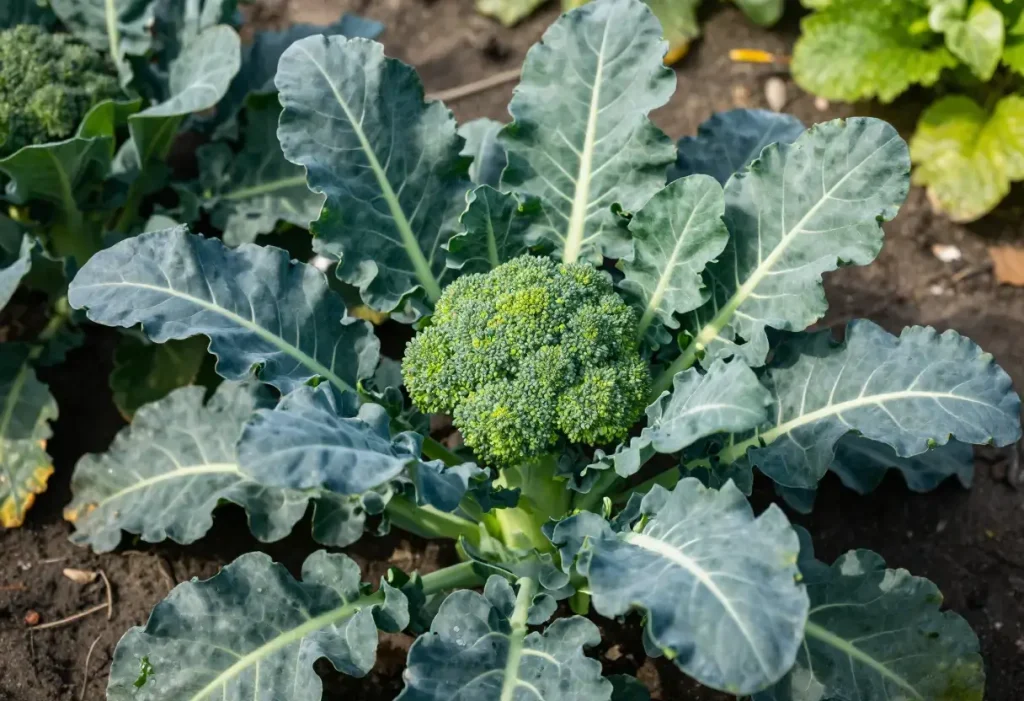
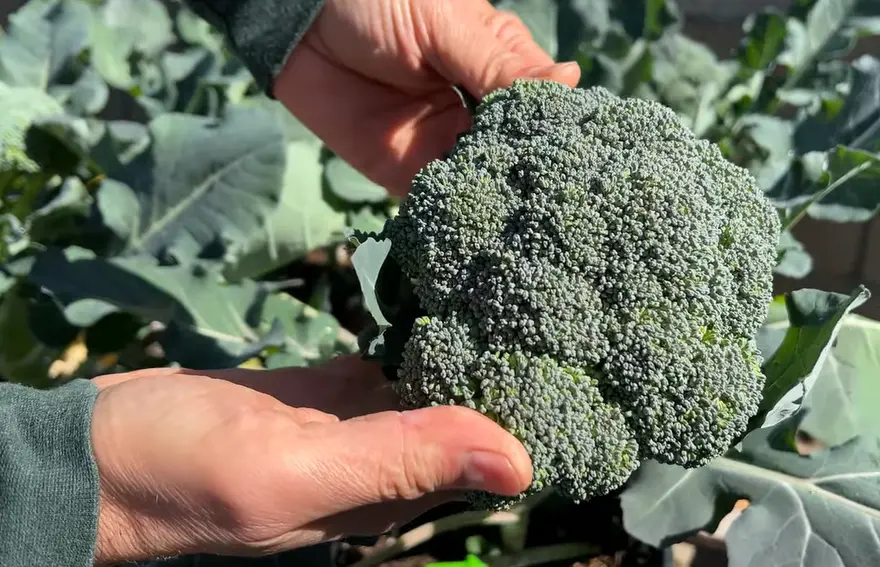
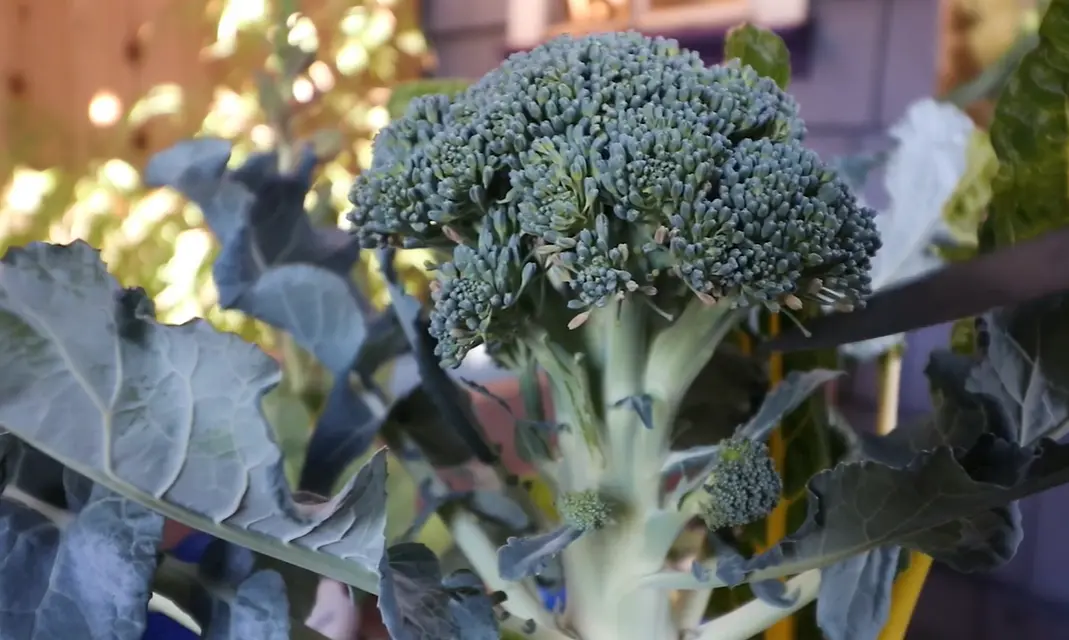
Broccoli is ready to harvest when the head is firm and tight. The flower buds should be small and green, not open or yellow. The head should be about 4 to 7 inches wide. If you see yellow flowers, the broccoli is overripe. Harvest before the flowers bloom for the best flavor.
Use a sharp knife or garden shears to cut the main head. Cut the stalk about 5 to 6 inches below the head. Avoid pulling the broccoli by hand to prevent damage. Leave some leaves on the plant to help side shoots grow. After harvesting, water the plant well to encourage new growth.
Post-harvest care is crucial to keep broccoli fresh and tasty. Proper handling after picking helps maintain its color, crunch, and nutrients. It prevents spoilage and extends the vegetable's shelf life.
Store broccoli in a cool, dry place. Avoid washing it before storage to prevent mold. Place broccoli in a perforated plastic bag to allow air circulation. Keep it in the refrigerator's crisper drawer. This area has higher humidity, which broccoli prefers.
Wrap broccoli loosely in a damp paper towel. This method keeps moisture without making it soggy. Use broccoli within three to five days for best taste. Blanch and freeze broccoli if storing longer. This process preserves flavor and texture well.
Broccoli usually takes 70 to 100 days from planting to harvest.
Broccoli grows best in rich, well-drained soil with good moisture.
Broccoli needs at least 6 hours of sunlight every day.
Yes, broccoli can grow well in large pots with good soil.
Broccoli needs regular watering, about 1 to 1. 5 inches per week.
Growing broccoli is simple and rewarding. Plant seeds in fertile soil with good sunlight. Water regularly but avoid soaking the roots. Watch as tiny green heads form and grow. Harvest when buds are tight and firm. Broccoli adds great nutrition to your meals.
Anyone can try growing this healthy vegetable. Just follow these easy steps and enjoy fresh broccoli at home.