Gardening Made Simple.
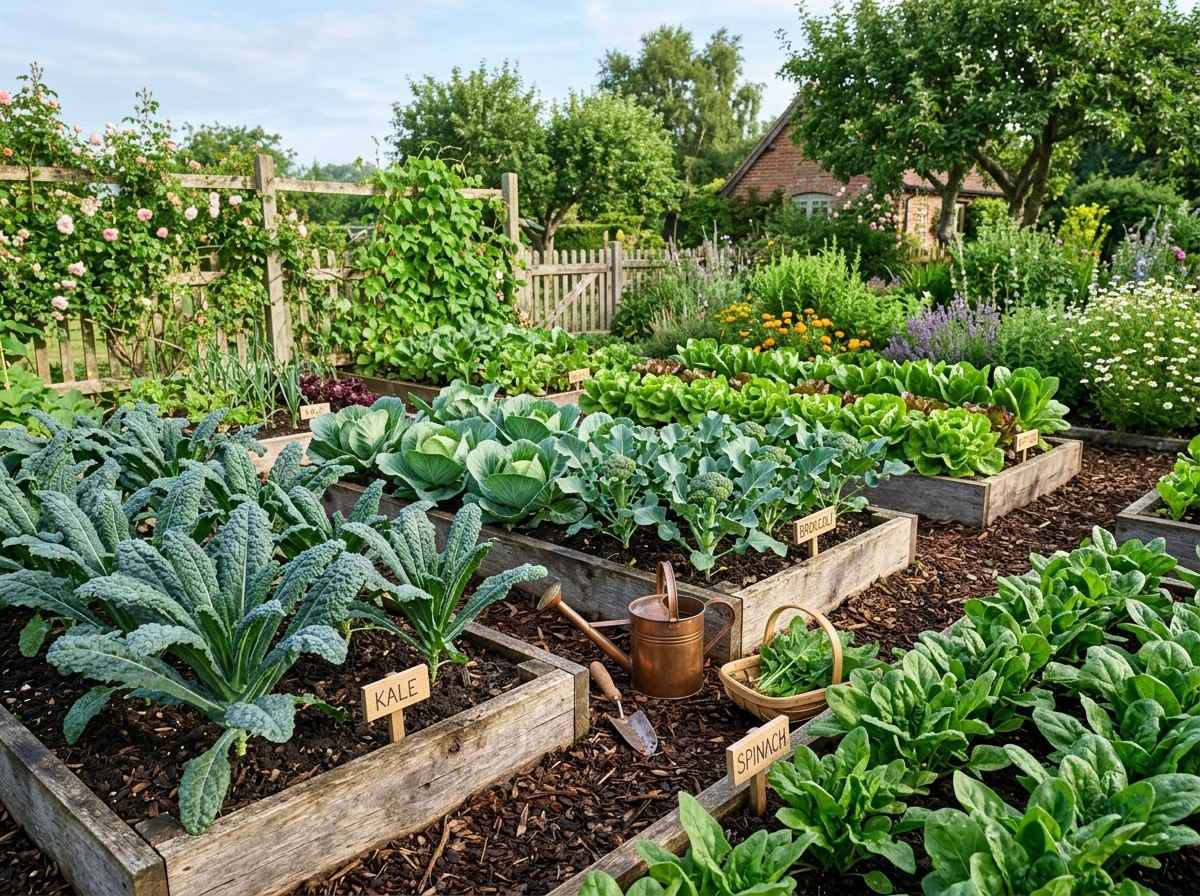
Kale is one of the most popular leafy greens, praised for its nutrition, hardiness, and versatility in the kitchen. Whether you are a beginner or an experienced gardener, understanding how far apart to plant kale is crucial for healthy growth and a bountiful harvest. Spacing kale correctly ensures each plant has enough room for roots, leaves, and airflow, and it can even reduce problems with pests and diseases.
In this article, you’ll learn the best kale spacing for gardens and containers, how to adjust for different varieties, and practical tips that often get overlooked. You’ll also find tables comparing spacing methods and visual growth, plus advice for common mistakes. By the end, you’ll know exactly how to plan your kale patch for the strongest, tastiest leaves.
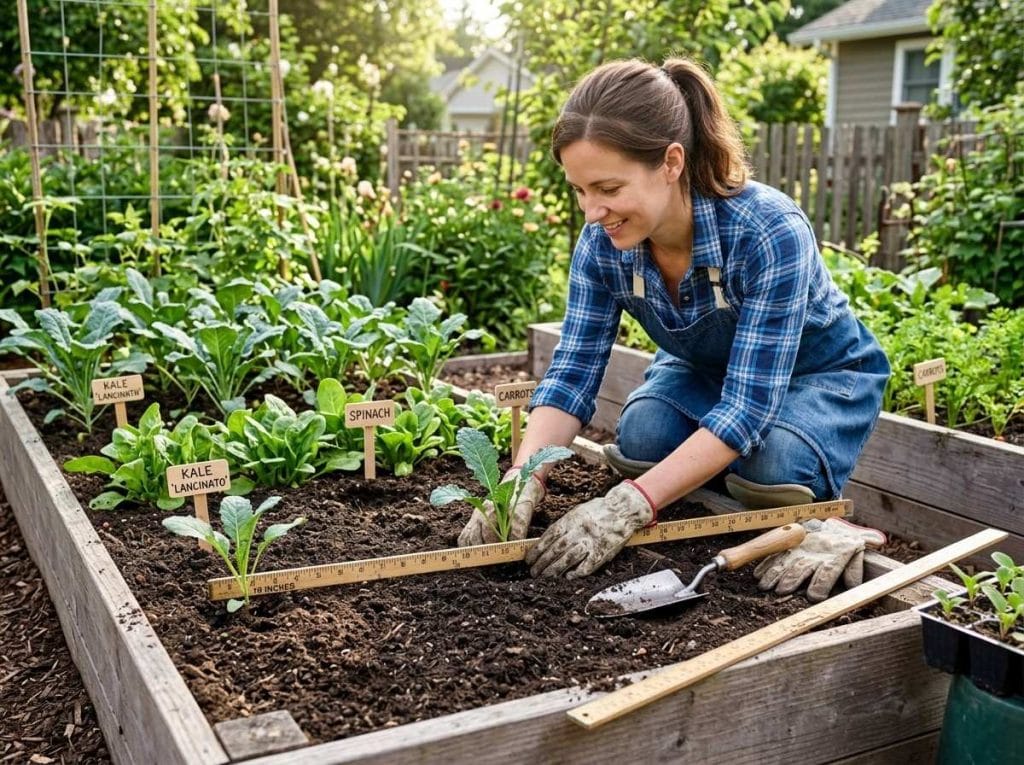
At first, it might seem like a small detail, but kale spacing affects almost every part of the growing process. When kale plants are too close, they fight for sunlight, water, and nutrients. This can make the plants weaker, leading to small leaves and a higher risk of disease. On the other hand, planting too far apart wastes valuable garden space and can leave more room for weeds to grow.
Correct spacing also improves air circulation. Good airflow keeps leaves dry, helping to prevent fungal issues like powdery mildew and downy mildew. Well-spaced kale is also easier to harvest and care for, especially if you plan to pick leaves regularly.
Most kale varieties thrive when spaced 12 to 18 inches apart. This range works for both curly and flat-leaf types, and it’s a common recommendation from agriculture experts. Let’s break down what this means for your garden:
| Spacing | Plants per Row (10 ft) | Best For |
|---|---|---|
| 12 inches | 10 | Baby kale, small spaces |
| 15 inches | 8 | Regular curly kale |
| 18 inches | 6-7 | Large varieties, full-size leaves |
Spacing is measured from the center of one plant to the center of the next. Rows should be spaced about 18 to 24 inches apart. This gives you room to move between rows and pick leaves without stepping on your plants.
Some gardeners try to squeeze in more plants, thinking they’ll get more kale. But when plants are too close, they often become leggy (tall and thin), and their leaves are smaller. Overcrowding also increases the risk of aphids and slugs, which thrive in damp, crowded areas.
If you want to harvest baby kale leaves, you can plant closer together—but for full-size leaves, stick to the standard range.
Not all kale varieties grow the same way. Some grow tall and upright, while others spread out. It’s important to adjust spacing based on the type you’re growing.
Curly kale is the most common variety. It has ruffled leaves and a bushy growth habit. For curly kale, 12 to 16 inches apart is usually ideal. If you’re growing in rich soil, use the higher end of the range.
Lacinato kale (also called dinosaur or Tuscan kale) has long, narrow, bumpy leaves. It grows more upright, so you can sometimes plant a bit closer—12 to 14 inches is enough for most gardens.
Red Russian kale has flatter, tender leaves and can grow quite wide. Give these plants at least 16 to 18 inches of space. If your garden soil is very fertile, consider even more room.
Dwarf kale varieties stay smaller, making them perfect for containers or tight beds. You can space these plants as close as 8 to 10 inches apart, but they’ll still benefit from 12 inches if you have the room.
| Kale Variety | Recommended Spacing | Growth Habit |
|---|---|---|
| Curly | 12–16 inches | Bushy |
| Lacinato (Dinosaur) | 12–14 inches | Upright |
| Red Russian | 16–18 inches | Wide, spreading |
| Dwarf | 8–12 inches | Compact |
How you plant your kale affects spacing, too. Here are some popular methods and their spacing needs:
In a traditional garden bed, rows of kale with 12–18 inches between plants and 18–24 inches between rows works best. This method is ideal for large gardens or anyone growing for a long season.
Raised beds allow for tighter planting because the soil drains better and plants get more nutrients. You can stagger your plants (in a triangle pattern) to maximize space. 12 inches apart in all directions usually works well in raised beds.
If you use the square foot gardening method, plant one kale plant per square foot. For baby kale, you can fit up to four per square. As they grow, thin the plants to give each one enough room.
Kale grows well in containers, but spacing is still important. For a standard 12-inch pot, plant one kale plant. In a larger 18-inch wide container, you can plant two—but keep them at least 10 inches apart. Overcrowding in pots leads to poor growth and can cause root rot.
When you sow seeds directly, plant more seeds than you need, then thin seedlings to the right spacing after they sprout. With transplants, space each seedling at the final distance immediately.
What do you want from your kale: baby leaves or big, mature leaves? The answer changes your planting plan.
A lot of gardeners don’t realize that you can start with tight spacing for baby leaves, then harvest every other plant to give the rest more room for maturity. This “cut and come again” method gives you two harvests from one planting.
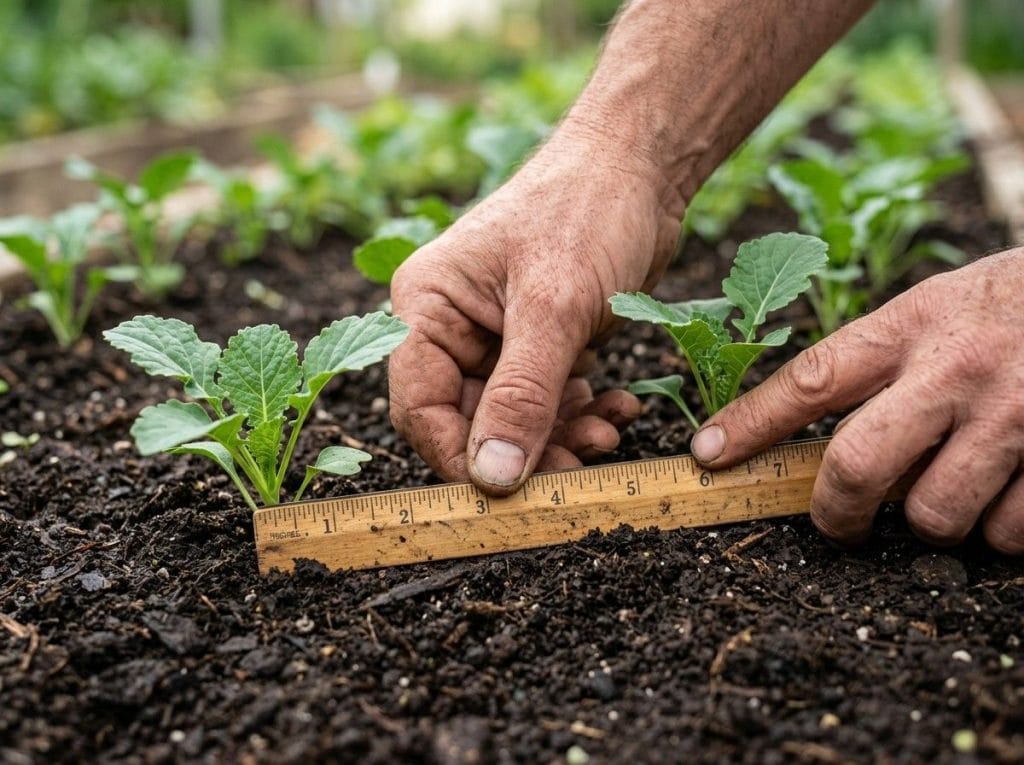
Healthy soil helps kale grow strong, but spacing is part of the equation. When plants are too close, the soil can’t support them all, and the roots compete for water and nutrients.
Even experienced gardeners sometimes make mistakes with kale spacing. Here are some common errors—and how to avoid them:
The way you space your kale has a direct impact on both yield (how much you harvest) and quality (leaf size, texture, and taste). Here’s how different spacing approaches compare:
| Spacing | Expected Yield | Leaf Size | Quality |
|---|---|---|---|
| 6–8 inches (too close) | Low per plant | Small | More bitter, tougher |
| 12–16 inches (ideal) | High per plant | Medium–Large | Tender, sweet |
| 20+ inches (too far) | Low per area | Very large | Good, but garden space is wasted |
Two insights that beginners often miss:
Kale is tough, but like all brassicas, it can suffer from pests and diseases. Spacing plays a big role in prevention:
Spacing plants correctly helps you notice problems early and makes it easier to remove affected leaves. For extra protection, rotate where you grow kale each year and keep beds weed-free.
Your local climate also affects how far apart to plant kale. In cool, dry areas, you can plant a bit closer. In hot or very humid regions, space wider to let plants breathe.
If you’re unsure, start with 16 inches and adjust based on what you see. Always check your local extension service for region-specific advice.
Succession planting means planting new seeds or transplants every 2–3 weeks. This strategy keeps your harvest going longer and lets you adjust spacing based on earlier results.
This approach helps you maximize your garden’s productivity and gives you a chance to experiment with spacing and varieties.
Let’s say you have a 4x8 foot raised bed. How many kale plants can you fit, and how should you space them?
A common mistake is to fill the bed with as many plants as possible. It’s better to give each plant enough space for big, healthy leaves than to crowd them and get a poor harvest.
You don’t have to stick to one method all season. Sometimes, you’ll notice plants are growing faster or slower than expected. If you see leaves crowding each other or signs of disease, you can:
Remember, kale is forgiving. If you make a mistake, it’s usually easy to fix by thinning or moving plants.
Proper spacing gives you more harvest options:
If you plant too close, plants may bolt (flower) early or stop growing. Well-spaced kale keeps producing until frost in most climates.
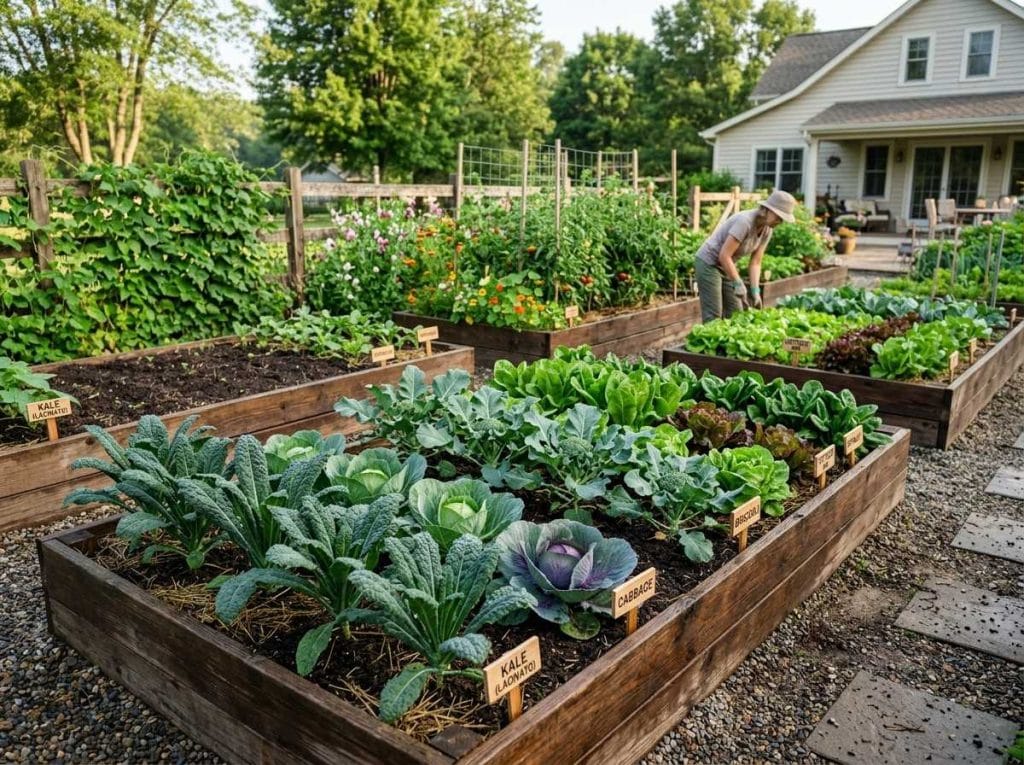
For most kale types, plant seedlings 12 to 18 inches apart. Dwarf varieties can be closer (8–12 inches). Make sure rows are at least 18 inches apart to allow for airflow and easy harvesting.
Yes, you can plant seeds 1 inch apart in a dense patch or row for baby kale. Thin seedlings to about 4–6 inches apart as they grow. Harvest young leaves early for the best flavor.
Kale that is too close will have smaller, tougher leaves and may become bitter. Plants can suffer from pests, fungal diseases, and poor airflow. Overcrowding also reduces your total harvest over time.
Yes, in containers, plant one kale per 12-inch pot or two per 18-inch container, keeping them at least 10 inches apart. Overcrowding in pots can lead to root rot and stunted growth.
For more detailed information on growing and spacing kale, check out the University of Minnesota Extension website. They offer expert advice for both beginners and advanced gardeners.
Planting kale with the right spacing can be the difference between a crowded, struggling patch and a lush, productive garden. Take time to measure, plan your rows, and adjust for your own climate and variety. With a little care, your kale will reward you with healthy, delicious leaves all season long.