Gardening Made Simple.
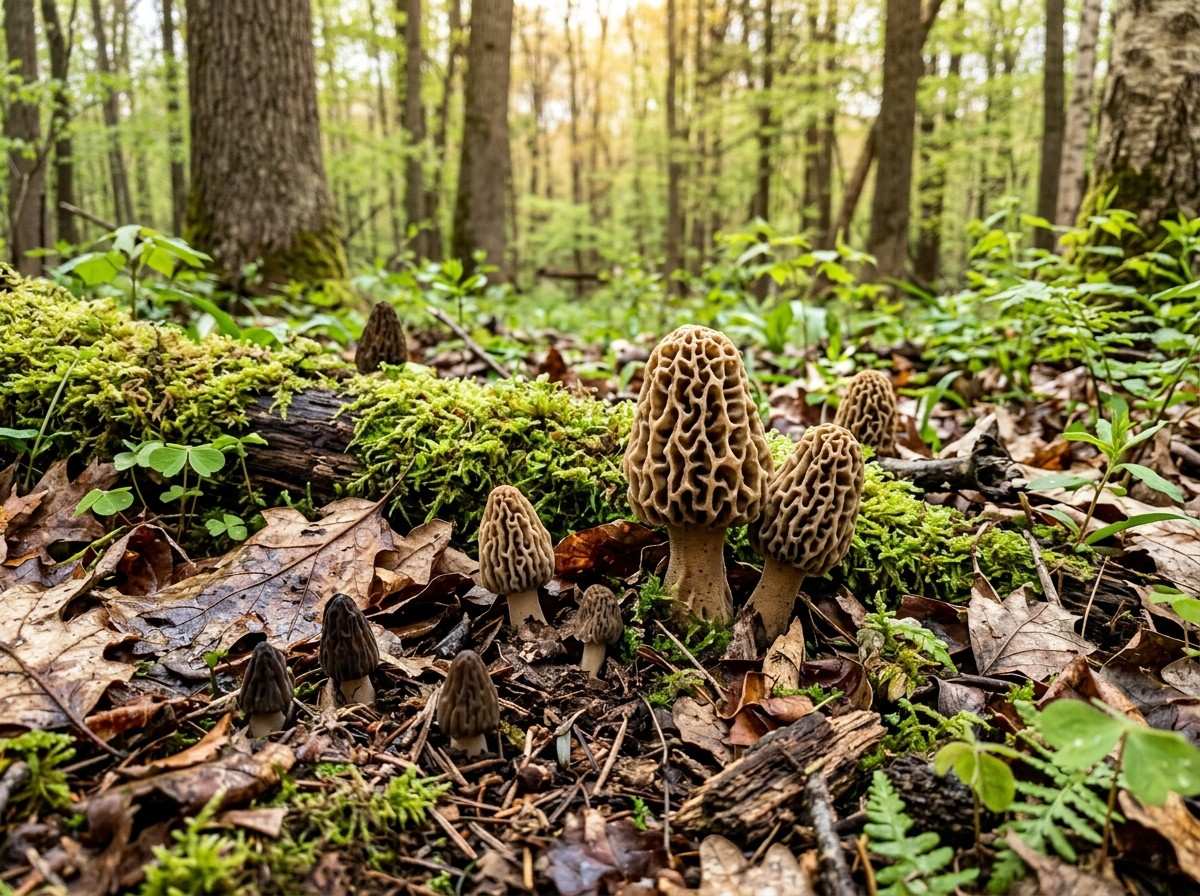
How Long Does It Take for Morel Mushrooms to Grow is a common question for foragers and home growers eager to enjoy these prized mushrooms. If you're wondering how long does it take for morel mushrooms to grow, the timeline depends on growing conditions, weather, and cultivation method. This guide explains the complete growth cycle, key factors that affect development, and practical tips for successfully finding or growing healthy morel mushrooms.
Knowing when morels appear can save you time and effort, helping you harvest them at just the right moment. You’ll discover exactly how long it takes for morel mushrooms to develop, so you can plan your mushroom hunting or cultivation with confidence.
Keep reading to unlock the secrets behind these mysterious and sought-after mushrooms!
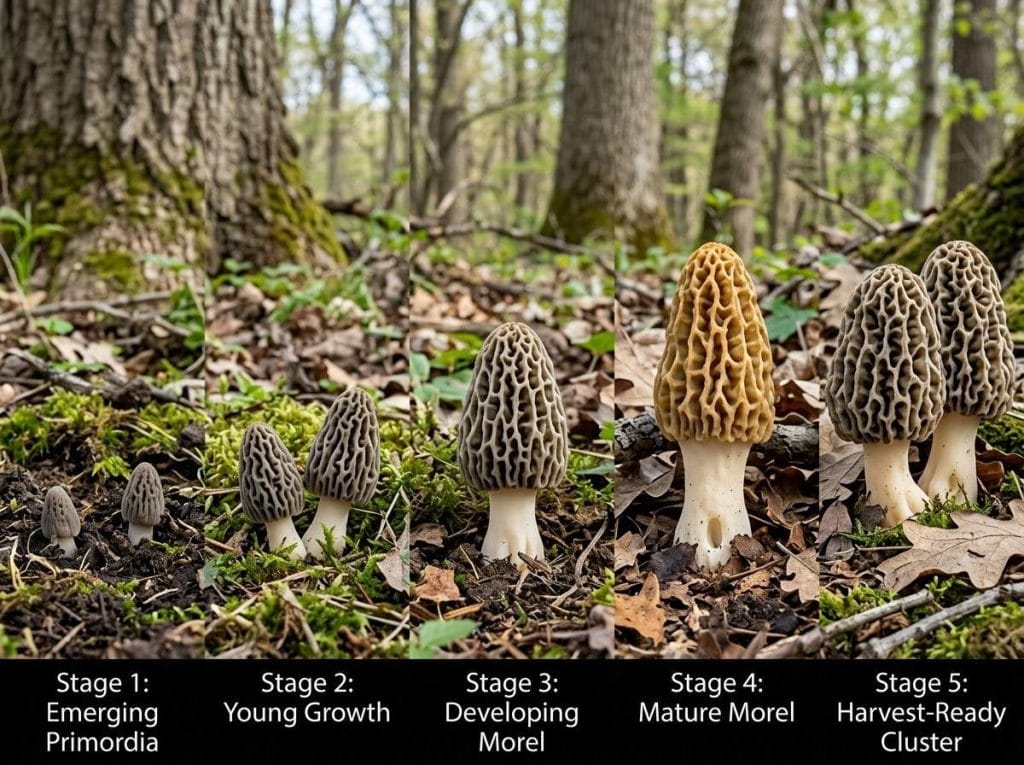
The morel mushroom growth cycle is a fascinating process that starts from tiny spores. These spores develop through several stages before becoming the unique, honeycomb-shaped morels we recognize. Understanding each stage helps explain how long morels take to grow and what they need to thrive.
The cycle includes spore germination, mycelium development, primordia formation, and finally, mature morel emergence. Each phase plays a key role in the mushroom’s life.
Morel mushrooms begin as spores, which are like seeds. These spores need the right moisture and temperature to start growing. Once conditions are good, spores absorb water and begin to sprout. This marks the start of the fungus life cycle.
After germination, spores grow into mycelium, a network of thin threads. This underground network spreads through soil or decaying wood. Mycelium absorbs nutrients and prepares the mushroom for fruiting. This stage can last several months.
Primordia are tiny bumps that form on the mycelium. These bumps are the first signs of morel mushrooms. They appear when temperature and moisture are just right. This stage lasts a few days to a week.
Mature morels grow quickly from primordia. They develop their distinctive honeycomb caps and hollow stems. This final stage lasts about one to two weeks. Once mature, morels are ready to be harvested.
Morel mushrooms do not grow at a fixed speed. Their growth time changes because of several key factors. These factors affect how fast or slow the mushrooms develop. Understanding these helps predict when morels will appear.
Morels like loose, rich, and well-drained soil. Soil with lots of organic material helps them grow better. Heavy clay or dry soil can slow their growth. Soil pH near neutral or slightly acidic suits morels best. The right soil gives morels the nutrients they need.
Morels grow best in cool temperatures. Daytime temperatures around 60 to 70 degrees Fahrenheit work well. Night temperatures should be cooler but not freezing. Too cold or too hot weather delays growth. Consistent mild weather speeds up the process.
Morels need moist soil to develop. Rainfall or watering should keep the soil damp, not soaked. Too much water causes problems like mold. Too little water makes mushrooms dry and slow. Balanced moisture helps the mycelium spread underground.
Morels appear during spring. The exact time depends on the region’s climate. Early spring warmth starts growth in southern areas. Northern areas see growth later as temperatures rise. Timing affects how fast morels fully grow.
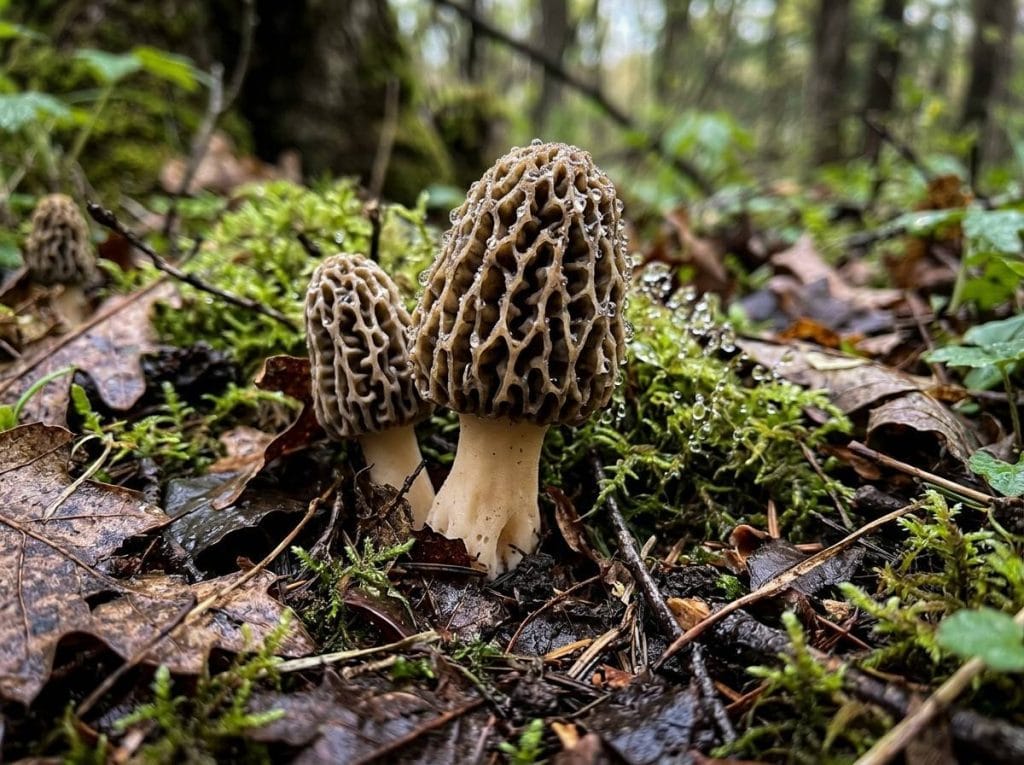
Understanding how long morel mushrooms take to grow helps mushroom hunters plan their search. Morels have a unique growth cycle. They do not appear quickly but follow a natural timeline. Knowing this timeline improves the chances of a good harvest.
Morels start as tiny spores in the soil. These spores develop underground for months. The mycelium, a network of threads, grows slowly in this phase. When conditions are right, usually in spring, the fruiting body appears above ground. This stage happens fast, often within 10 to 21 days. Warm soil and moisture trigger this growth. The fruiting body is the part we recognize as the mushroom.
The harvest window for morels is brief. Once the fruiting bodies appear, they grow quickly. They reach full size in just a few days. After that, morels start to fade and rot. Typically, the harvest lasts about 7 to 14 days. Weather affects this window too. Hot, dry weather shortens the time. Cool, moist days can extend it slightly. Quick harvesting is key to enjoying fresh morels.
Growing morel mushrooms at home is rewarding and fun. These unique mushrooms have a short growing season and special needs. Understanding how to care for them helps you enjoy fresh morels each year. This section covers key steps to start your own morel patch.
Choose a shaded spot with good air flow. Morels grow best near deciduous trees like ash, elm, or apple. Avoid places with standing water or heavy shade. Soil should be loose and rich in organic material. Look for spots where wild morels have grown before.
Clear leaves and debris from the area. Loosen the soil with a garden fork or tiller. Add compost or aged leaf mulch to improve nutrients. Keep soil slightly acidic to neutral, with a pH around 6 to 7. Moist soil helps spores grow but avoid waterlogging.
Use morel mushroom spores or spawn to start growth. Mix spawn into the top 2 to 3 inches of soil. Spread spores evenly across the planting area. Cover lightly with soil or mulch. Water gently to keep soil moist but not soaked. Patience is key, as growth can take months.
Water regularly, especially during dry spells. Keep soil moist but avoid overwatering. Remove competing weeds and plants. Add leaf mulch annually to keep soil rich. Watch for pests like slugs and insects. Harvest morels carefully to protect future growth.
Growing morel mushrooms can be tricky. Many growers face common challenges that slow down or stop growth. Understanding these problems helps improve your chances of success. The right care and attention are very important. Here are the main challenges that affect morel mushroom growth.
Pests like insects and slugs can damage morel mushrooms. They eat the young mushrooms and roots. Diseases also attack the mycelium or fruiting bodies. These problems reduce mushroom size and yield. Keeping the growing area clean helps reduce pests and diseases.
Morels need specific conditions to grow well. Extreme heat, cold, or dry soil can stress the mushrooms. Too much rain can cause rot or mold. Poor soil quality also affects growth. Maintaining stable moisture and temperature levels is key for healthy morels.
Morels sometimes take longer to fruit or don’t fruit at all. This can happen if the mycelium is weak or the environment is wrong. Lack of nutrients or poor soil can cause slow growth. Patience and adjusting growing conditions can help trigger fruiting.
Harvesting morel mushrooms requires care and attention. Successful picking depends on knowing the right time and method. Proper handling after harvesting keeps mushrooms fresh and tasty. These tips help you get the best from your morel hunting.
Morels are ready to pick when their caps are fully formed. The honeycomb pattern should be clear and open. Avoid mushrooms that look shriveled or too dry. Fresh morels feel firm but not hard. Picking too early means small mushrooms. Waiting too long can cause decay.
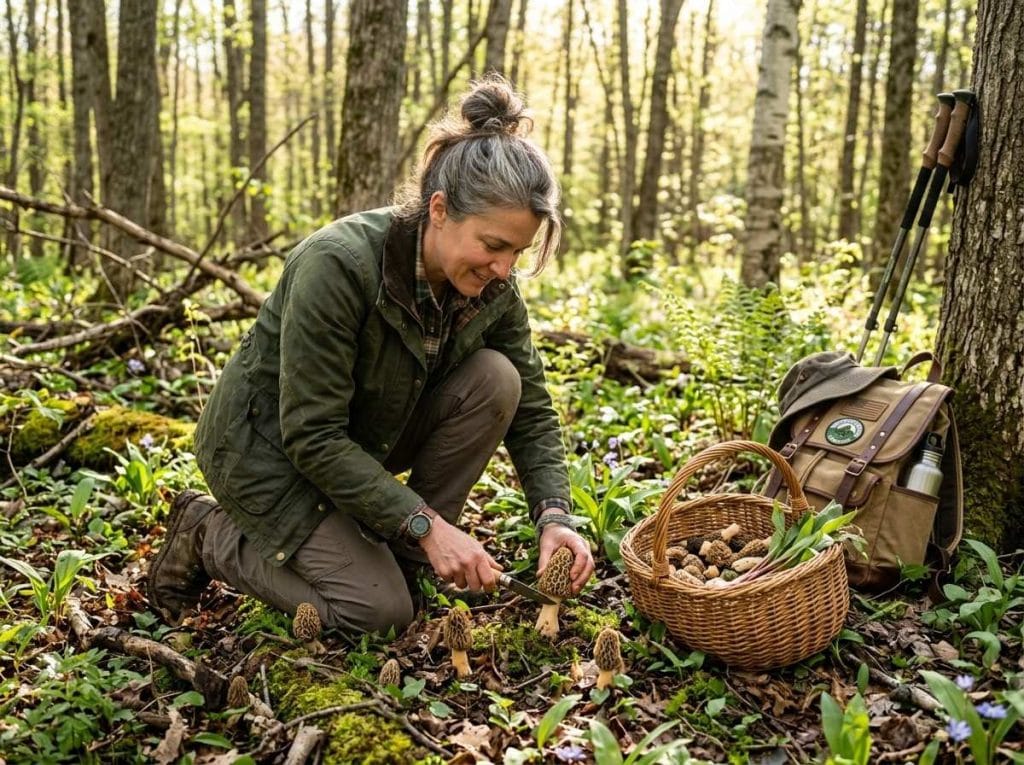
Use a sharp knife or scissors to cut morels at the base. Avoid pulling mushrooms from the ground to protect the mycelium. Handle each mushroom gently to prevent bruising. Carry them in a basket or mesh bag for air flow. This helps spores spread and supports future growth.
Clean morels by brushing off dirt with a soft brush. Do not soak them in water; they absorb too much moisture. Store mushrooms in a paper bag or breathable container. Keep them cool and dry to extend freshness. Use or dry morels within a few days for best taste.
Morel mushrooms usually take 7 to 14 days to fully grow after sprouting.
Morels typically appear in early to mid-spring, depending on weather and location.
Morels grow quickly, often doubling in size within 2 to 3 days.
Temperature, moisture, and soil type strongly influence how fast morels grow.
Yes, with proper humidity and temperature, morels can grow faster indoors or in greenhouses.
Morel mushrooms grow slowly and need the right conditions. They usually appear in spring after the soil warms up. Patience is key when waiting for these fungi to show. Watch for moist, shaded areas near trees. Keep checking often, as morels can pop up quickly once ready.
Understanding their growth helps you plan your foraging better. Enjoy the process and respect nature’s timing. Growing morels takes time, but the wait is worth it.