Gardening Made Simple.

Are you growing carrots and wondering How Much Sun Do Carrots Need to actually thrive? Getting the right amount of sunlight can make all the difference in the size, sweetness, and crunch of your carrots.
Too little sun, and your carrots may grow weak and slow; too much, and they might struggle or even burn. You’ll discover exactly how much sun your carrots need to grow healthy and delicious. Keep reading to unlock the simple secrets that will help your garden flourish like never before.
Carrots need the right amount of sunlight to grow healthy and strong. Sunlight helps carrots make food through photosynthesis. It also affects the size and taste of the roots. Understanding how much sun carrots need can help gardeners get the best harvest.
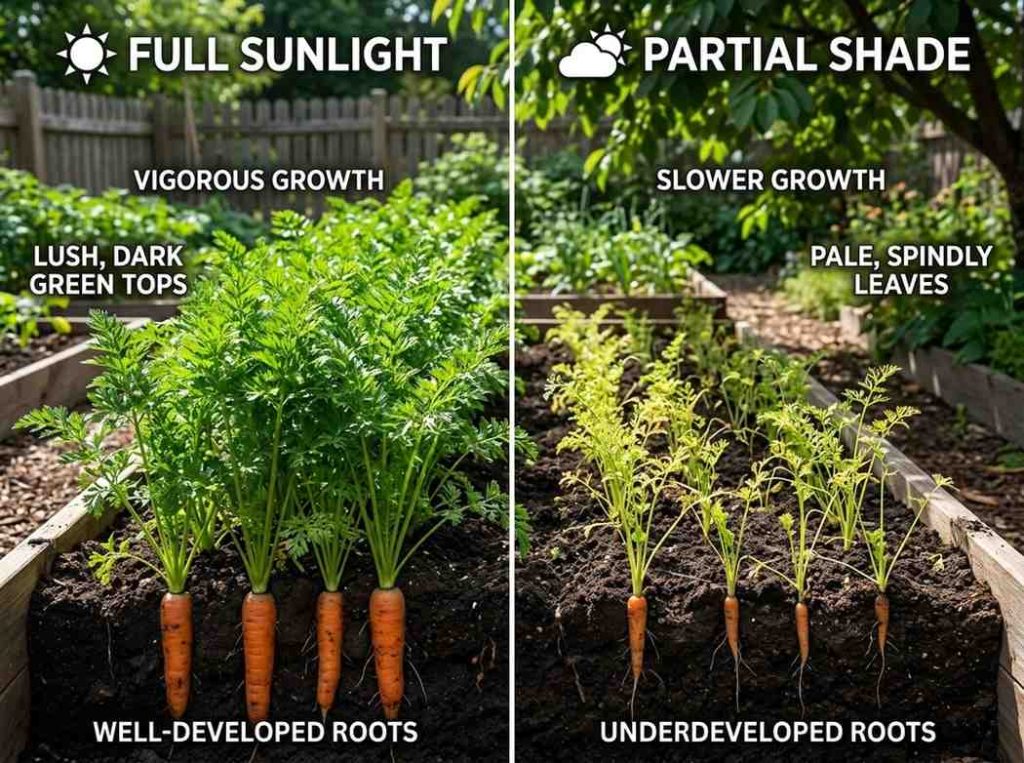
Carrots grow best with full sun. They need about 6 to 8 hours of direct sunlight daily. Full sun helps carrots develop sweet and crunchy roots. Plant carrots in a spot with good light to boost growth. Morning sun is especially helpful for young carrot plants.
Too much sun can dry out the soil quickly. This can stress carrot plants and slow root growth. Sunlight that is too strong may cause carrot leaves to wilt. Dry, hot conditions can lead to bitter-tasting roots. Keep soil moist to protect carrots from excess sun damage.
Carrots with too little sun may grow slowly. The roots might stay small and weak. Lack of sun can make carrots taste bland or less sweet. Plants can become leggy, with thin leaves. Place carrots in a sunny spot to avoid poor growth.
Choosing the right spot to plant carrots is very important. Carrots need enough sunlight to grow well. The location affects their size and sweetness. Picking a place with good sun helps carrots develop strong roots. This section will help you find the best spot for planting carrots.
Check how much sun your garden gets each day. Carrots need at least six hours of sunlight. Watch the garden from morning to afternoon. Notice any shade from trees or buildings. Avoid places with too much shade. Sunlight helps carrots grow straight and healthy. Pick the sunniest spot you can find.
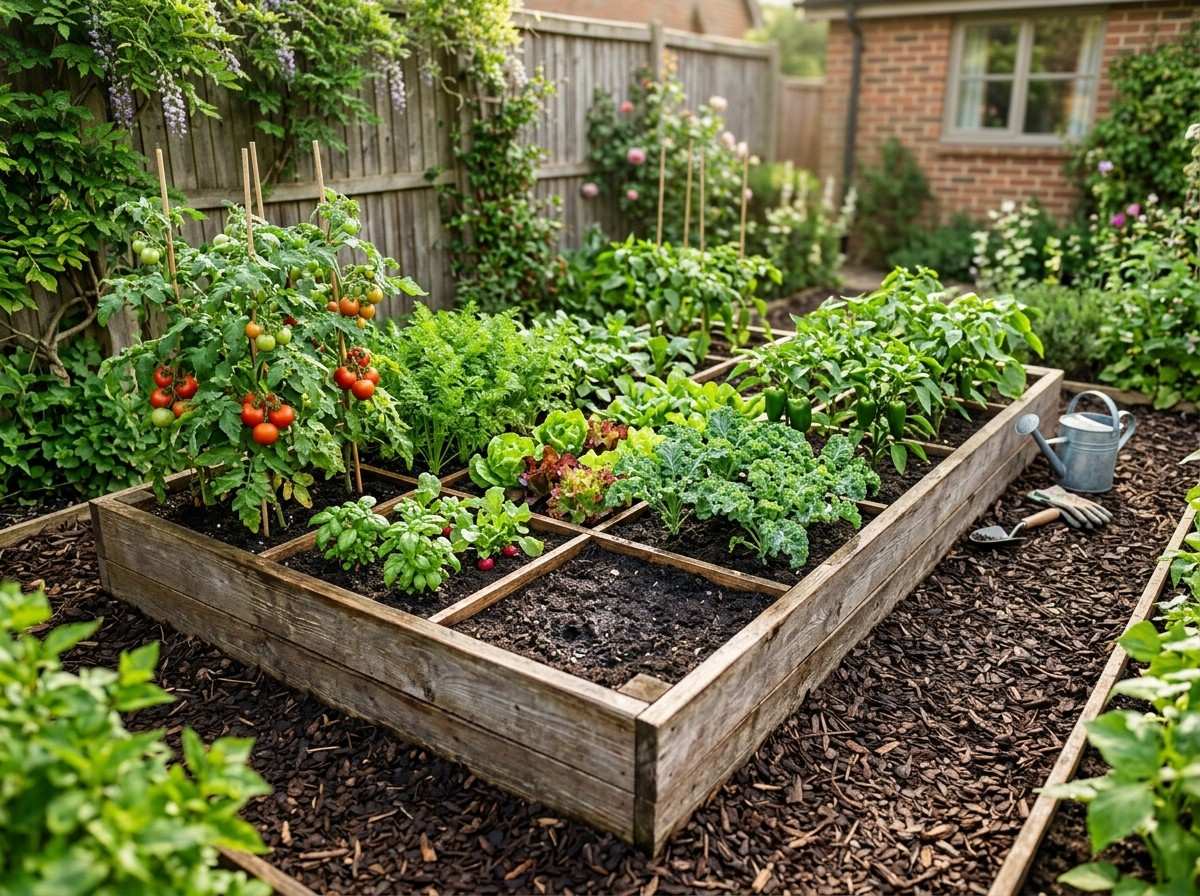
Containers and raised beds work well for carrots. They let you move plants to sunny spots. Raised beds drain water better than regular soil. Good drainage stops carrot roots from rotting. Use loose, sandy soil in containers or beds. This helps carrots grow long and smooth. Place containers where they get full sun every day.

Sunlight plays a key role in the growth of carrots. Each stage of their development needs specific light conditions. Understanding how much sun carrots need at each step helps gardeners grow healthy roots. The right sunlight supports strong plants and tasty carrots.
Carrot seeds need light to start growing. They do best with indirect sunlight. Too much direct sun can dry out the soil. Keep the soil moist and warm. A spot with partial shade works well for seeds. Germination usually takes 10 to 21 days.
Once seedlings appear, carrots need full sun for best growth. At least six hours of sunlight daily helps roots grow thick and sweet. Sunlight boosts photosynthesis, which feeds the plant. Shade or low light can make roots thin and weak.
In the final stage, carrots still need plenty of sun. Full sunlight helps the roots store sugars and develop flavor. Avoid shaded areas to keep carrots firm. Sunlight also reduces the risk of disease and rot. Healthy light conditions improve the harvest quality.
Carrots need the right amount of sunlight to grow healthy and strong. Different climates affect how much sun carrots receive. Managing sunlight in these climates helps carrots develop well. This section explains how to handle sunlight in hot, cool, and changing seasons.
In hot, sunny places, carrots can get too much sun. Too much heat can make carrots grow fast but with poor taste. Provide some shade during the hottest hours of the day. Use shade cloth or plant taller vegetables nearby to block the sun. Water carrots deeply to keep the soil cool and moist.
Carrots in cooler, cloudier regions need more sunlight. These areas often have less than six hours of sun daily. Choose a spot that gets the most sun possible. Avoid planting carrots near tall plants that cast shadows. Carrots grow slower here but develop sweeter flavors.
Seasons change sunlight hours and intensity. In spring and fall, carrots need full sun to grow well. Summer sun can be too strong in some places. Adjust planting times to avoid the hottest months. Use mulch to keep soil temperature steady. Watch the weather and protect carrots from extreme sun or cold.
Carrots need plenty of light to grow healthy and sweet. Sometimes, natural sunlight is not enough, especially indoors or in cloudy weather. Supplemental light options help carrots get the light they need. These options support carrot growth and improve yield.
Grow lights are artificial lights made for plants. They give the right light color and amount for carrots. Place grow lights 6 to 12 inches above carrot tops. Keep lights on for 12 to 16 hours daily. LED grow lights use less energy and last longer. Fluorescent lights work well and cost less. Move lights as carrots grow to keep the right distance.
Place carrot containers near south-facing windows for best sunlight. Clean windows to let in more light. Use light-colored walls to reflect sunlight onto plants. Rotate pots every few days to give all sides light. Avoid placing carrots where shadows block light. Use mirrors to bounce extra sunlight if possible.
Carrots need the right amount of sunlight to grow well. Too much or too little sun causes stress. This stress shows in several clear signs. Spotting these signs early helps save your crop. Watch for changes in leaves, roots, and growth patterns.
Leaves may turn pale or yellow under sunlight stress. Brown edges or spots also appear. This means the plant is struggling to protect itself. Leaves lose their green color due to lack of chlorophyll. Dry, crispy leaves can signal too much sun exposure.
Sunlight stress affects the carrot roots below ground. Roots may grow thin or forked instead of straight. Some carrots stay small and lack sweetness. Cracks or splits on the root surface are common. These flaws reduce the carrot’s quality and shelf life.
Carrots under sunlight stress grow unevenly. Some parts may grow faster, others slow down. The plant might appear stunted or weak overall. Uneven growth shows the plant’s energy is not balanced. This makes harvesting harder and lowers yield.

Carrots need about 6 to 8 hours of sunlight each day to grow healthy and strong.
Yes, carrots can grow in partial shade but may grow slower and have smaller roots.
Too much sun can dry out the soil and cause carrots to become bitter or tough.
Morning sun helps warm the soil early and is ideal for carrot growth and development.
Use mulch to keep soil moist and provide some shade during the hottest part of the day.
Carrots grow best with plenty of sunlight each day. Six to eight hours of sun helps roots develop well. Too little sun can make carrots thin and weak. Too much sun might dry out the soil quickly. Watering regularly keeps carrots healthy in sunny spots.
Choose a place that gets steady, gentle sunlight. Watching your carrots grow becomes easier with good light. Give them the right sun, and enjoy a tasty harvest. Simple care makes your carrot garden thrive every season.