Gardening Made Simple.
Are you tired of seeing those strange, smelly fungi in your garden? If you’re wondering How to Get Rid of Stinkhorn Mushrooms, you’re not alone—these fast-spreading mushrooms can quickly become a nuisance. Learning How to Get Rid of Stinkhorn Mushrooms will help you eliminate the odor and keep your garden clean and healthy.
But don’t worry—getting rid of stinkhorn mushrooms is easier than you think. You’ll discover simple, effective steps to eliminate these unwanted fungi and keep your outdoor space fresh and clean. Keep reading, and say goodbye to stinkhorn mushrooms for good!
Identifying stinkhorn mushrooms is the first step to controlling them. These fungi have a unique look and smell that makes them easy to spot once you know what to check. Understanding their traits helps you act fast and remove them effectively.
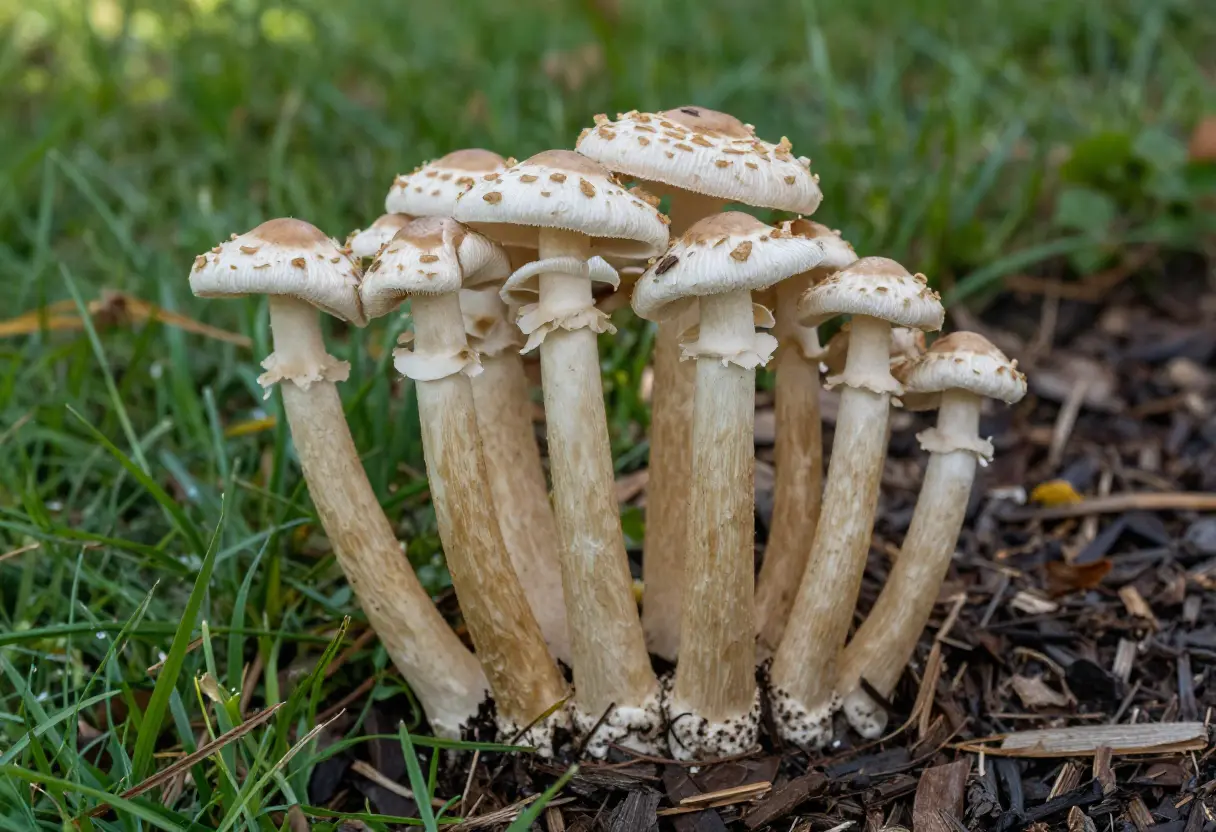
Stinkhorn mushrooms have a slimy, foul-smelling cap. The cap is usually bell-shaped or like a phallus. Colors vary from white to orange, red, or brown. They often appear shiny because of the sticky slime. This slime attracts flies that spread their spores. The stem is tall, hollow, and white or pale. These mushrooms grow quickly and can appear overnight.
Stinkhorn mushrooms grow in moist, rich soil. They appear in mulch, wood chips, or decaying leaves. Gardens, lawns, and forest floors are common spots. They prefer warm weather and damp conditions. Look near trees and shrubs where organic matter builds up. They often pop up in spring and fall.
Stinkhorn mushrooms can cause several problems in gardens and yards. They grow quickly and spread spores easily. These fungi produce a strong smell and attract unwanted pests. Removing them helps keep outdoor spaces clean and pleasant.
Stinkhorn mushrooms emit a foul smell. This odor is similar to rotting meat or garbage. It can be very strong and hard to ignore. The smell attracts insects, which can annoy people nearby. The odor also makes the garden less enjoyable.
The smell of stinkhorns draws flies and other bugs. These pests feed on the mushroom's slimy spore mass. Flies can spread to other parts of the yard or house. This increases the chance of pest problems around your home. Removing stinkhorns reduces insect attraction and keeps pests away.
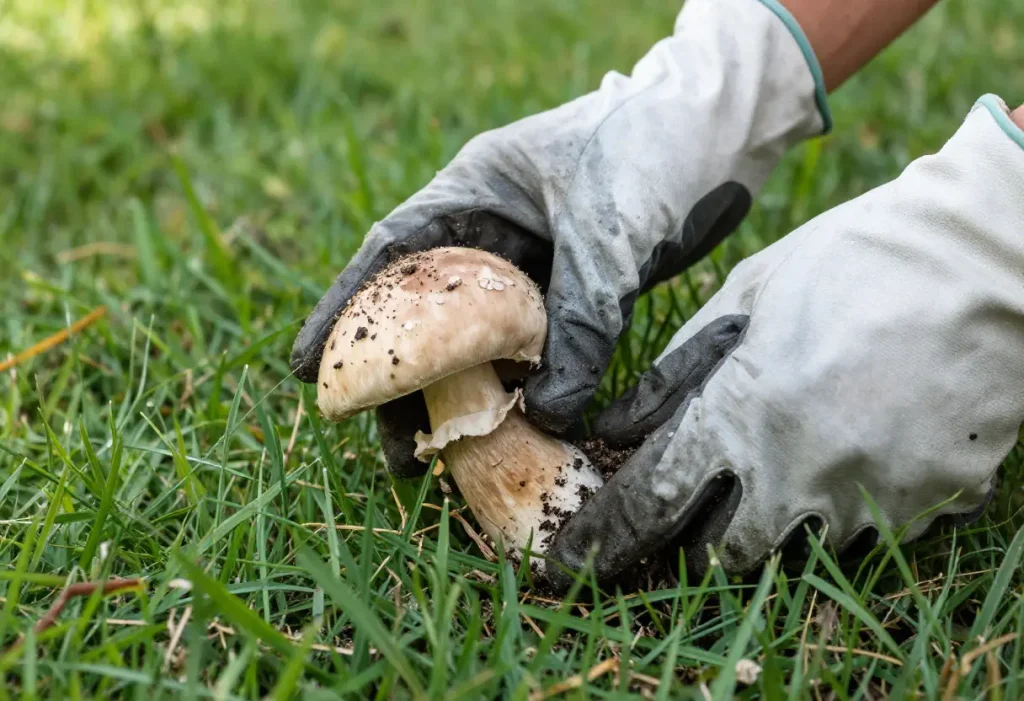
Manual removal methods work well for controlling stinkhorn mushrooms. These fungi appear quickly and spread spores fast. Removing them by hand stops their growth and keeps your garden clean. It takes some care but is effective and safe. Follow simple steps to pick and dispose of them properly.
Wear gloves to protect your hands from the foul smell. Grab the stinkhorn mushroom at the base. Pull gently to remove the entire stalk and root. Avoid breaking the mushroom to prevent spreading spores. Collect all mushrooms in the area, even small ones. Check your garden regularly for new growth. Quick removal stops further spreading.
Place the mushrooms in a sealed plastic bag. Tie the bag tightly to trap spores and smell. Do not compost stinkhorn mushrooms; spores can survive. Throw the sealed bag in the trash outside your home. Clean tools and gloves after removal to avoid spreading spores. Proper disposal keeps your garden and home fresh.
Preventing future growth of stinkhorn mushrooms is key to keeping your garden clean and pleasant. These mushrooms thrive in certain conditions, so changing the environment helps stop them from coming back. Focus on soil and organic matter to create less friendly spots for stinkhorns.
Stinkhorn mushrooms like wet and soggy soil. Improving soil drainage reduces water buildup. Use sand or organic matter to loosen heavy soil. This helps water flow away quickly. Raised beds also keep soil drier. Good drainage stops mushrooms from growing easily.
Stinkhorns feed on dead leaves, wood, and plant debris. Removing this material cuts off their food source. Rake fallen leaves and pick up wood chips regularly. Compost or dispose of organic matter far from your garden. Clean areas make it hard for mushrooms to grow.
Natural remedies offer safe ways to remove stinkhorn mushrooms from your garden. These methods use common household items. They cause no harm to plants or soil. You can try these solutions easily and at low cost.
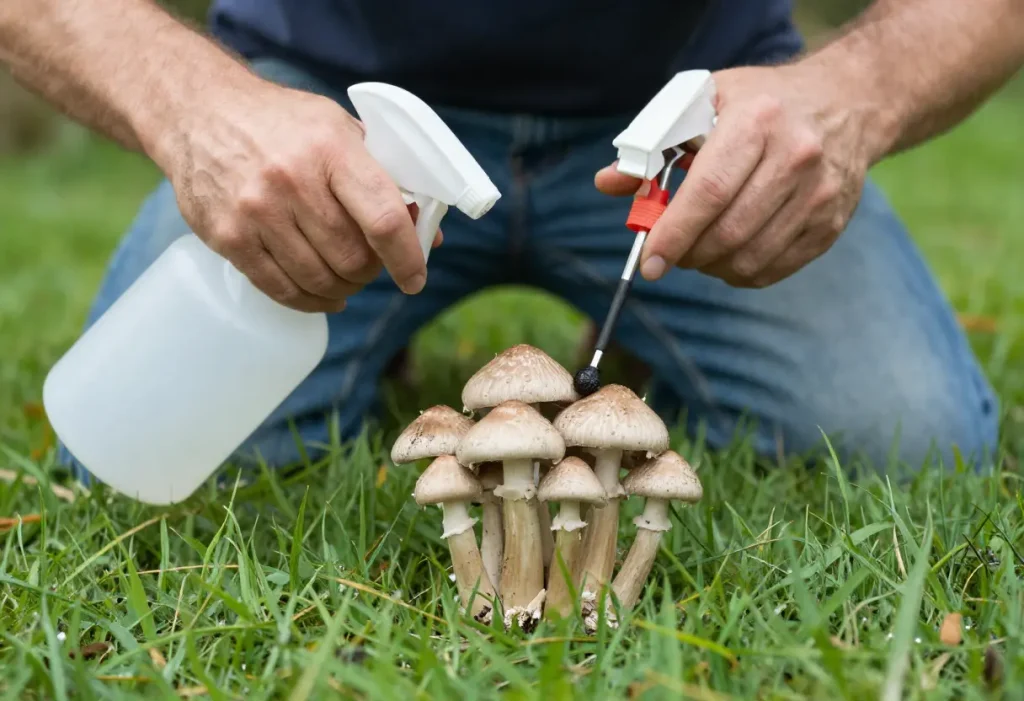
Vinegar is acidic and can stop stinkhorn mushrooms from growing. Mix one part white vinegar with two parts water. Spray the mixture directly on the mushrooms. Repeat every few days until mushrooms disappear. Avoid spraying on nearby plants to prevent damage.
Baking soda changes soil pH and discourages mushroom growth. Sprinkle a thin layer over the affected area. Water lightly to help it soak into the soil. Reapply after rain or watering. This method reduces mushrooms without using chemicals.
Chemical treatments can help control stinkhorn mushrooms effectively. These treatments use fungicides to stop fungal growth. Using chemicals carefully is important to protect plants and soil. Follow instructions closely to get the best results.
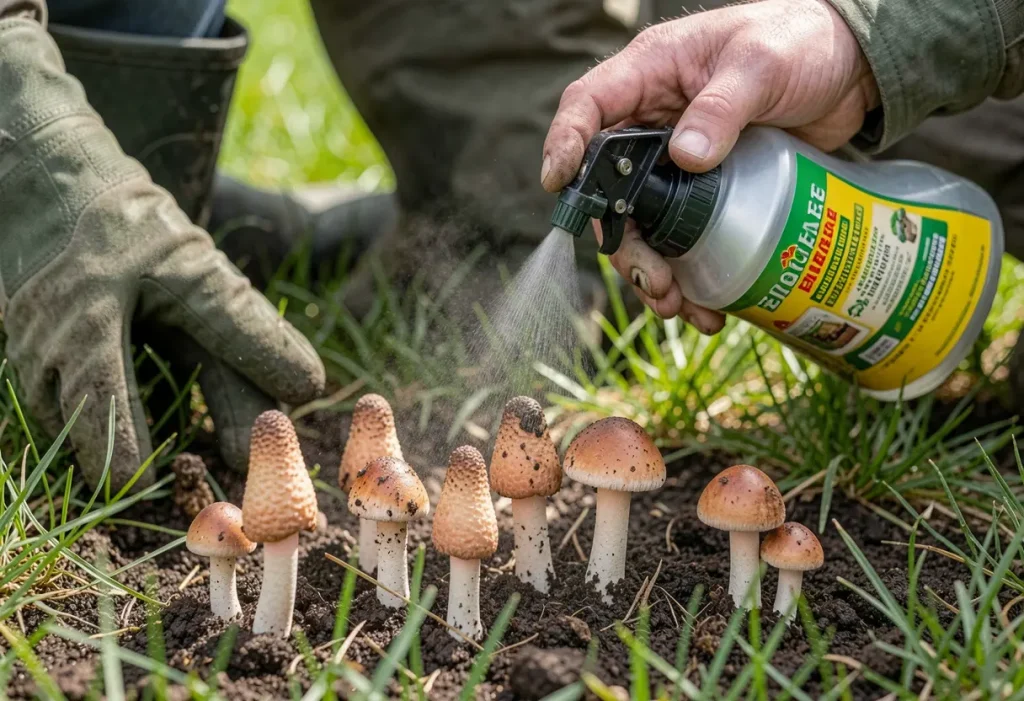
Choose fungicides that target fungi causing stinkhorn mushrooms. Look for products labeled for mushroom or fungal control. Some fungicides contain chlorothalonil or copper-based compounds. These ingredients work well against stinkhorns. Avoid using strong chemicals that can harm other plants. Select products safe for your garden or lawn type.
Wear gloves and protective clothing before applying fungicides. Spray on damp soil or mulch where mushrooms grow. Do not apply on windy days to prevent drift. Use only the recommended amount to avoid damage. Store chemicals away from children and pets. Wash hands after handling fungicides. Repeat treatment as directed for best results.
Maintaining a clean garden helps prevent stinkhorn mushrooms from growing. These mushrooms thrive in damp, decaying organic matter. Keeping your garden tidy removes their food source. This makes your garden less attractive to stinkhorns. Focus on regular care and smart mulching for best results.
Mow your lawn often to keep grass short and healthy. Remove fallen leaves and debris quickly. This stops moisture build-up that stinkhorns need. Aerate your lawn to improve soil drainage. Dry soil discourages mushroom growth. Water your lawn in the morning to let it dry during the day. Avoid overwatering or creating wet spots.
Use fresh mulch and avoid old, decaying material. Replace mulch every year to prevent mushroom spores from settling. Spread mulch in thin layers to allow air flow. Thick mulch holds moisture and helps stinkhorns grow. Choose mulch types like cedar or pine that resist decay. Remove any visible mushrooms promptly to stop spores from spreading.
Stinkhorn mushrooms grow from decaying organic matter in moist, warm soil. They thrive in mulch and compost areas.
Look for a slimy, foul-smelling cap on a white or pink stalk. They often appear suddenly after rain.
Pull out mushrooms by hand, including the base. Dispose of them in sealed bags to stop spores spreading.
No, stinkhorn mushrooms do not harm plants. They help break down organic material and improve soil health.
Keep mulch and compost dry and turn soil regularly. Remove decaying wood and organic debris from the area.
Stinkhorn mushrooms can be a real nuisance in your yard. Removing them quickly stops their spread and smell. Keep your garden clean by removing organic debris and mulch. Water your plants carefully to avoid excess moisture. Regular checks help catch mushrooms early.
Using these simple steps keeps your outdoor space fresh and pleasant. Stay consistent and patient for the best results. Your garden will look neat and healthy again.