Gardening Made Simple.

How to Grow Basil at Home lets you enjoy fresh, fragrant leaves right from your kitchen. Imagine stepping into your kitchen and snipping basil to add to your meals anytime you want. Growing basil at home is easier than you think, and it can transform both your cooking and your indoor or outdoor space with its vibrant aroma and flavor.
Whether you have a big garden or just a small windowsill, this herb can thrive with just a little care. Ready to unlock the secret to fresh basil all year round? Keep reading, and you’ll discover simple, proven steps to grow vibrant basil right at home.
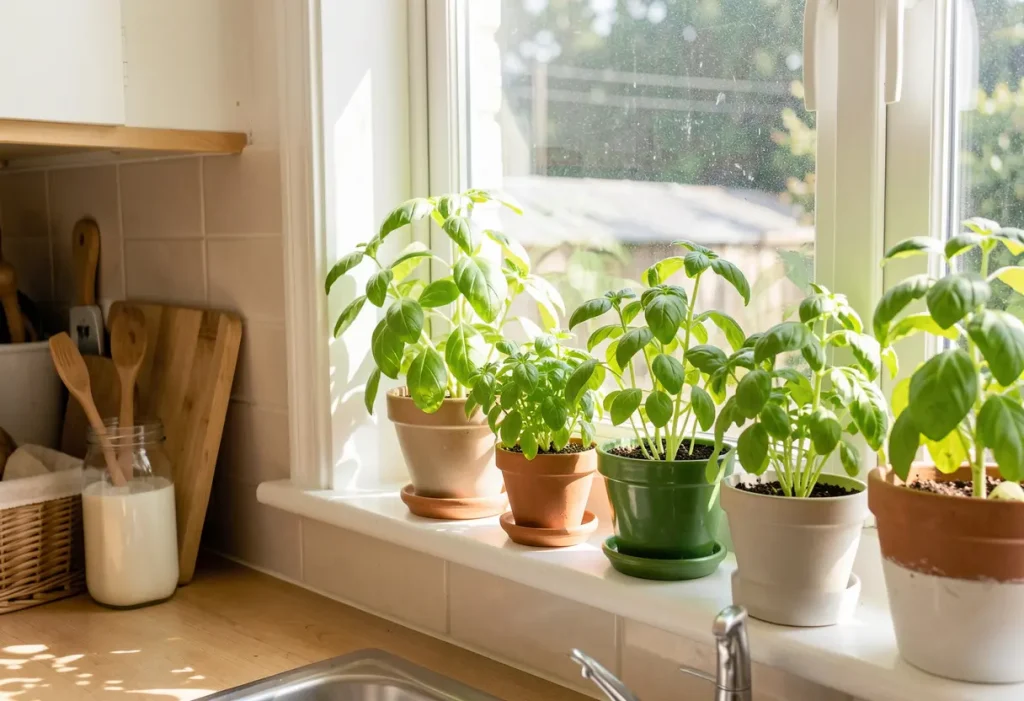
Choosing the right basil variety is important for a successful home garden. Different types of basil have unique flavors, colors, and uses. Picking the right one can make cooking more enjoyable and your garden more beautiful. Understanding the options helps you grow basil that suits your taste and needs.
Sweet basil is the most common and easy to grow. It has a classic taste and bright green leaves.
Genovese basil is famous for making pesto. Its large, soft leaves carry a strong aroma.
Thai basil has a spicy, anise-like flavor. It works well in Asian dishes.
Lemon basil adds a citrus twist. Its scent and taste brighten salads and drinks.
Purple basil stands out with deep purple leaves. It offers a mild, slightly spicy flavor.
Think about how you will use the basil. Sweet and Genovese basil work well in Italian recipes.
Thai basil fits better with stir-fries and soups. Its flavor stays strong when cooked.
Lemon basil suits fresh dishes and drinks. Use it in salads or iced tea for a fresh taste.
Purple basil is great for garnishing. Its color adds beauty to any plate.
Choose the basil type that matches your cooking style and favorite flavors.
Choosing the best location for your basil plant is key for healthy growth. Basil needs the right balance of sunlight and temperature. A good spot helps the plant grow strong and flavorful leaves. Here are tips to pick the best place for basil, whether inside your home or outside.
Basil loves sunlight. It needs about 6 hours of direct sun daily. Morning sun is best because it is gentle and warm. Too much harsh afternoon sun can burn the leaves. Find a spot where basil gets bright, indirect light during the hottest part of the day. Bright light helps basil grow lush and aromatic.
Indoors, place basil near a south-facing window. This window gives the most sunlight. Rotate the pot often for even growth. Keep the plant away from cold drafts and air conditioners.
Outdoors, choose a spot with good air flow and partial shade. Basil does well in garden beds or containers on patios. Avoid places near strong winds or heavy shade. Outdoor basil grows best in warm, sunny spots protected from extreme weather.
Choosing the right soil and pot is key to growing healthy basil at home. Good soil and a proper container help basil roots grow strong. They also keep the plant safe from too much water. This section explains how to pick the best soil and pot for your basil.
Basil prefers soil that drains water well. Use light, sandy soil mixed with organic matter. This mix holds moisture but does not stay soggy. Avoid heavy clay soils that trap water. Too much water can cause root rot and kill your basil.
Add some perlite or small stones to soil for better drainage. Check that soil stays moist, not wet. Water basil only when the top inch of soil feels dry. Good drainage helps roots get air and stay healthy.
Pick a pot with holes at the bottom for water drainage. This stops water from pooling at the base. Choose a container about 6 to 8 inches deep. Basil roots need space to grow but not too much soil.
Use pots made from clay or plastic. Clay pots let soil dry faster. Plastic pots keep soil moist longer. Choose a size that fits your space and lets the plant spread. A well-sized pot supports strong basil growth.
Growing basil from seeds at home is simple and rewarding. Starting with good planting and sowing steps ensures healthy plants. Seeds need the right care to sprout strong and grow fast. This section explains how to start seeds indoors and move seedlings outside for best results.
Begin basil seeds indoors 6 to 8 weeks before the last frost date. Use small pots or seed trays filled with light, well-draining soil. Press seeds lightly into the soil, covering them with a thin layer of soil. Keep the soil moist but not wet. Place the pots in a warm spot with plenty of light. Seedlings usually appear in 5 to 10 days. Thin the seedlings by snipping weaker ones, leaving the strongest to grow.
Move seedlings outside after the danger of frost has passed. Choose a sunny spot with well-drained soil. Harden off seedlings by placing them outdoors for a few hours daily over one week. Plant seedlings about 12 inches apart to give room for growth. Water them gently after planting. Basil plants grow best in warm soil and full sun. Watch for pests and water regularly to keep the soil moist.
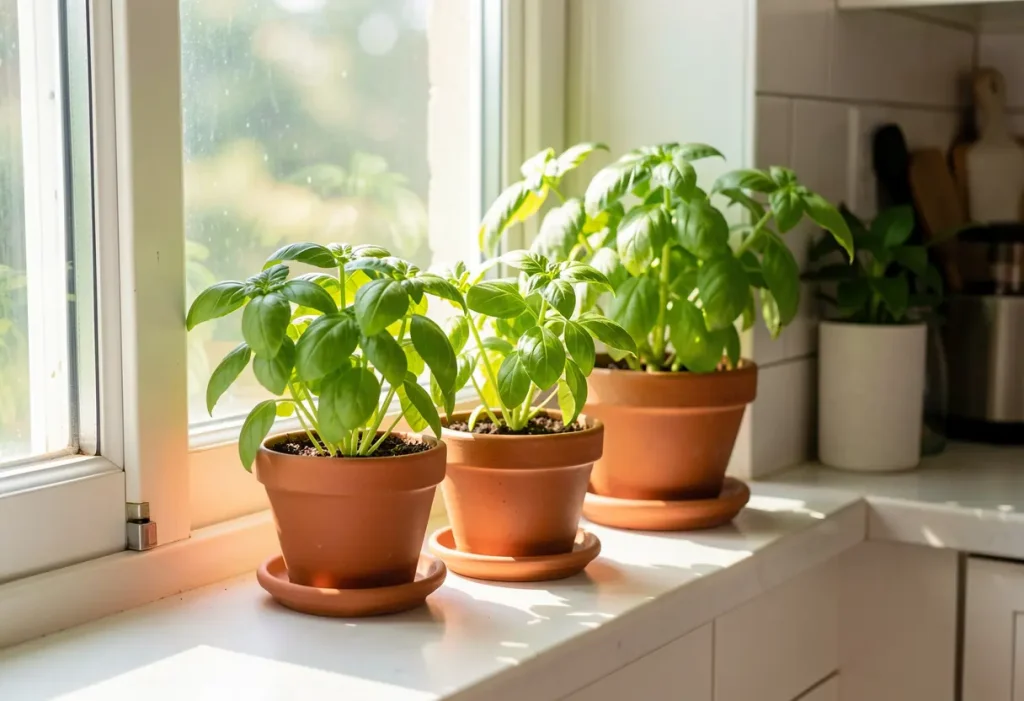
Watering and fertilizing are key steps to grow basil successfully at home. Basil needs just the right amount of water and nutrients to stay healthy. Too much water can cause root rot. Too little water makes the leaves dry and wilted. Fertilizers provide essential nutrients that soil might lack. They help basil grow lush and flavorful.
Basil prefers soil that is moist but not soggy. Water your basil plant every 2 to 3 days. Check the soil by touching it. If the top inch feels dry, it’s time to water. Water deeply until water drains from the pot’s holes. Avoid letting the plant sit in water. In hot weather, basil may need watering daily. During cooler months, reduce watering frequency.
Use a balanced, water-soluble fertilizer for basil. A 10-10-10 or 14-14-14 formula works well. Feed basil every 4 to 6 weeks during the growing season. Organic options like compost or fish emulsion are gentle and effective. Avoid over-fertilizing, which can reduce flavor. Follow the instructions on fertilizer packaging for best results.
Pruning and harvesting basil are key steps for healthy plants and fresh leaves. Proper care encourages strong, bushy growth. It also helps keep the plant productive for a longer time. Knowing how and when to prune and harvest makes growing basil easier and more rewarding.
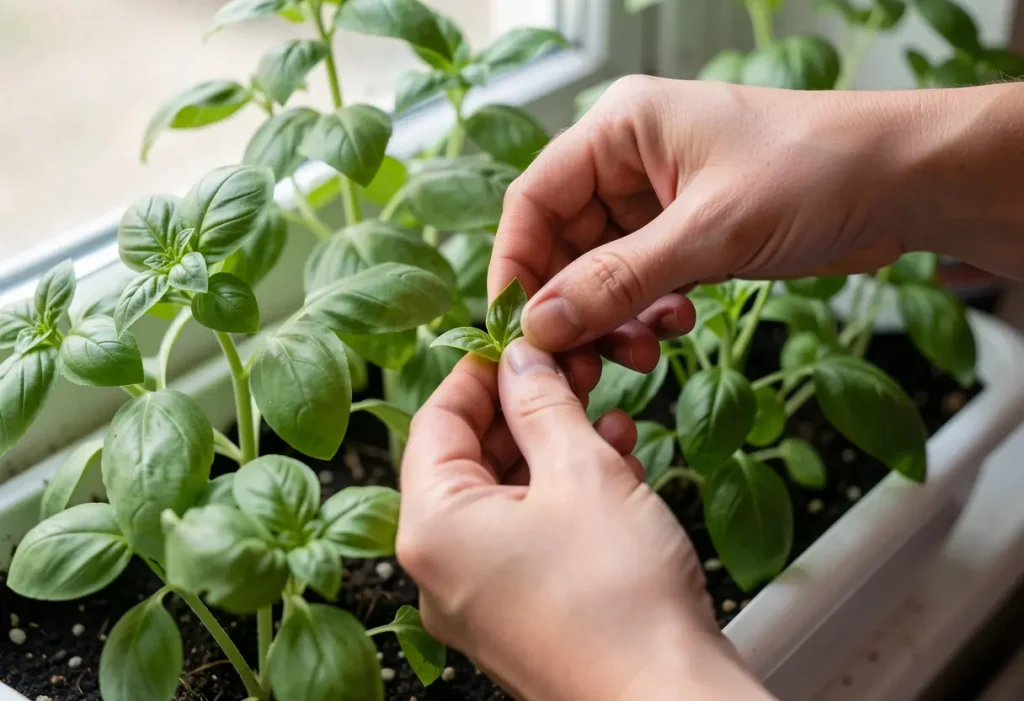
Pinch the top leaves regularly. This stops the plant from growing tall and leggy. Cut just above a pair of leaves or leaf nodes. New branches will grow from these points. Remove flower buds as soon as they appear. Flowers take energy away from leaf growth. Trim any yellow or damaged leaves promptly. This keeps the plant healthy and neat.
Harvest basil leaves in the morning after dew dries. Choose mature leaves from the top of the plant. Use clean scissors or fingers to pinch off leaves. Avoid removing more than one-third of the plant at once. Regular harvesting encourages new leaf growth. Harvest before the plant flowers for the best flavor. Store leaves in a cool place or use fresh right away.
Growing basil at home can be very rewarding. Still, pests and diseases can harm your plants. Keeping basil healthy means watching for these problems early. Acting fast protects your plants and keeps them strong.
Some pests like to feed on basil leaves. Aphids are small insects that suck plant juices. They cause leaves to curl and turn yellow. Spider mites are tiny and hard to see. They leave tiny webs on the plant. Whiteflies fly around and eat the leaves. These pests weaken basil and slow its growth.
Spray basil with water to remove pests like aphids. Use a mix of water and mild soap to kill insects. Neem oil works well to keep pests away. Plant basil in sunny spots with good air flow. Avoid wetting leaves too much to stop fungus. Remove damaged leaves quickly to prevent spread. Encourage ladybugs; they eat many harmful insects. Keep your garden clean to reduce pest hiding places.
Basil is a popular herb that many gardeners love to grow. Its fresh leaves add flavor to many dishes. But basil plants usually stop growing when cold weather arrives. Extending basil’s growing season lets you enjoy fresh leaves longer. You can keep your basil healthy beyond summer with a few simple steps.
Growing basil in containers makes it easy to move plants inside. When outdoor temperatures drop below 50°F, bring pots indoors. Choose a sunny window with at least 6 hours of light daily. Use a south-facing window if possible. Indoor light helps basil continue growing. Keep the soil moist but not wet. Avoid placing basil near cold drafts or heaters. Containers also protect roots from frost damage. Moving basil inside is a smart way to extend its life.
Overwintering basil means caring for it through winter months. Prune the plant to about half its size before bringing indoors. This encourages new growth. Use a small grow light if natural light is low. Maintain indoor temperatures between 65°F and 75°F. Water basil only when the top inch of soil feels dry. Avoid overwatering to prevent root rot. Check plants regularly for pests like spider mites. With proper care, your basil can thrive until spring returns.
Basil needs 6 to 8 hours of sunlight daily. Place it near a sunny window or outdoors. Sunlight helps basil grow strong and healthy.
Basil grows best in well-drained, rich soil with good organic matter. Use potting mix with compost for healthy plants. Avoid heavy or waterlogged soil.
Water basil when the top inch of soil feels dry. Keep soil moist but not soggy. Overwatering can cause root problems.
Yes, basil can grow indoors all year. Provide enough light with a sunny window or grow light. Keep room temperature warm, around 65-75°F.
Pinch off the top leaves regularly to promote bushier growth. Remove flowers to keep leaves tender and fresh. Pruning helps the plant stay healthy and full.
Growing basil at home brings fresh flavor to your kitchen. It needs sunlight, water, and good soil to thrive. Regular trimming helps the plant grow bushy and healthy. Watch for pests and remove damaged leaves quickly. With care, basil will provide leaves all year.
Fresh basil adds taste to many dishes. Start small and enjoy the process of growing your own herbs. A little effort leads to great rewards. Why not try growing basil today?