Gardening Made Simple.
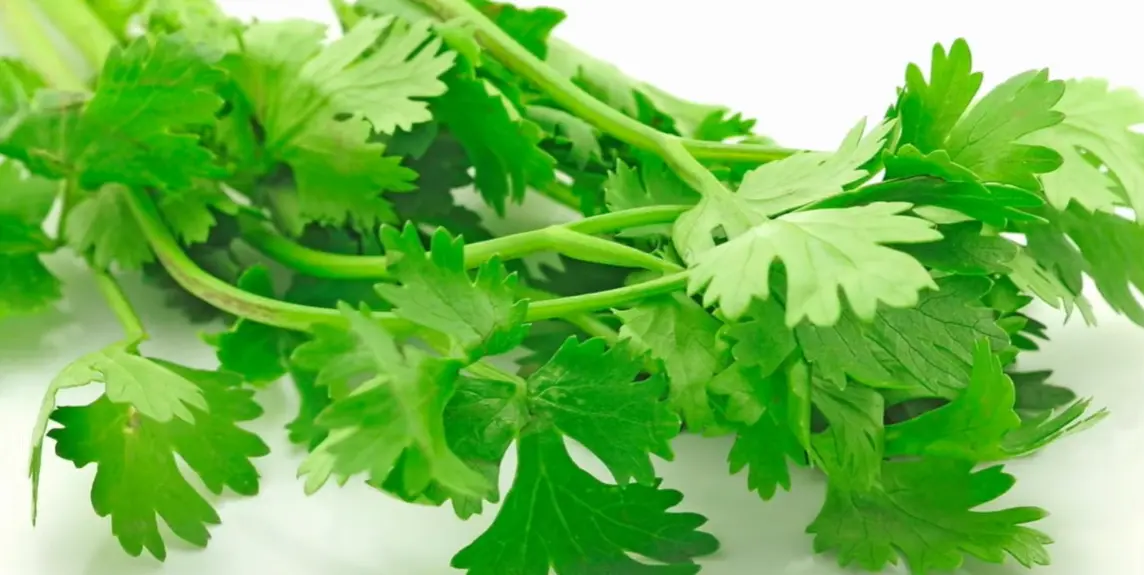
Do you love the fresh taste of cilantro but hate buying it only to see it wilt in your fridge? How to Grow Cilantro at Home is easier than you might think, and it lets you enjoy vibrant, zesty herbs fresh whenever you need them.
Imagine picking fresh leaves whenever you want, saving money, and adding a burst of freshness to every meal. In this guide, you’ll discover simple steps to grow healthy cilantro plants, whether you have a big garden or just a sunny windowsill.
Ready to transform your cooking and enjoy homegrown herbs? Let’s get started!
Choosing the right cilantro seeds is the first step to a healthy herb garden. Good seeds lead to strong plants and fresh leaves for your kitchen. Not all seeds are the same. Knowing what to pick helps you grow better cilantro at home.
Cilantro seeds come in different types. Some grow fast, while others have stronger flavors. Look for seeds labeled as "slow bolting." These last longer before they flower and go to seed. This means more leaves for your use.
Fresh seeds have a better chance to sprout well. Check the packet date. Avoid old seeds that may not grow. Choose seeds that are clean and free from damage. This ensures healthy plants and good growth.
Organic seeds are grown without chemicals. They are safer for your garden and health. Non-organic seeds might use pesticides. Organic seeds often grow better in home gardens. Pick what fits your gardening style and needs.
Find seeds at local garden centers or online stores. Trusted sellers offer high-quality seeds. Read reviews before buying. Local stores may have seeds suited for your climate. Choose a source you trust for the best results.
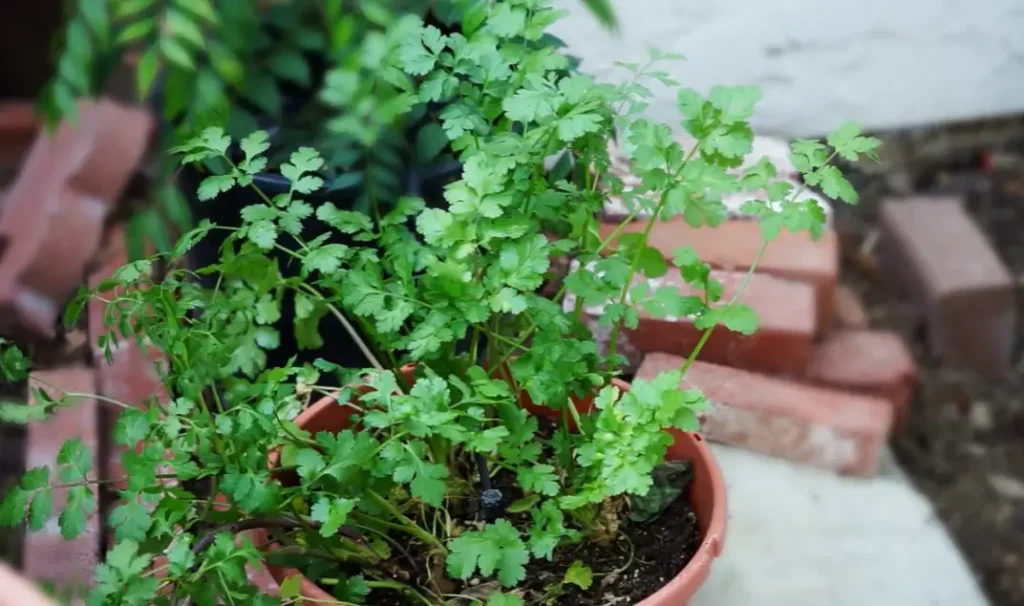
Choosing the right container is important for growing healthy cilantro at home. The container affects root space, water drainage, and plant growth. Pick a container that helps your cilantro grow strong and fresh.
Use a container at least 8 to 12 inches deep. Cilantro has long roots that need space. A wider container allows several plants to grow side by side. Avoid very small pots that limit root growth.
Drainage holes are a must for cilantro containers. Water should flow out freely to stop root rot. If your pot lacks holes, drill some at the bottom. Good drainage keeps soil moist but not soggy.
Containers come in plastic, clay, ceramic, or metal. Plastic pots are light and hold moisture well. Clay pots dry out faster, which is good in humid areas. Pick a material that suits your climate and watering habits.
Preparing the soil is the first step to growing healthy cilantro at home. Good soil helps cilantro roots grow strong. It also holds enough water and nutrients. Cilantro prefers loose, well-drained soil. Heavy or compact soil can stop roots from growing well.
Before planting, clean the soil. Remove rocks, sticks, and weeds. These can block root growth and steal nutrients. Mix the soil to break up clumps. This makes space for air and water.
Cilantro grows best in soil with a pH between 6.2 and 6.8. This means the soil is slightly acidic to neutral. Use a simple pH test kit from a garden store. Adjust the pH if needed. Add lime to raise pH or sulfur to lower it.
Loosen soil to about 8 to 10 inches deep. Use a garden fork or tiller for this. This helps roots spread easily and absorb nutrients. Loose soil also improves water drainage. Avoid compacted soil as it traps water and air.
Mix in organic matter like compost or aged manure. This improves soil texture and fertility. Organic matter helps soil hold moisture without becoming soggy. It feeds cilantro with natural nutrients. Work it into the top 6 inches of soil.
Good drainage stops water from sitting around roots. Waterlogged soil can cause root rot. Test drainage by watering soil and watching how fast it drains. If water stays on top, add sand or perlite. These materials improve drainage and air flow.
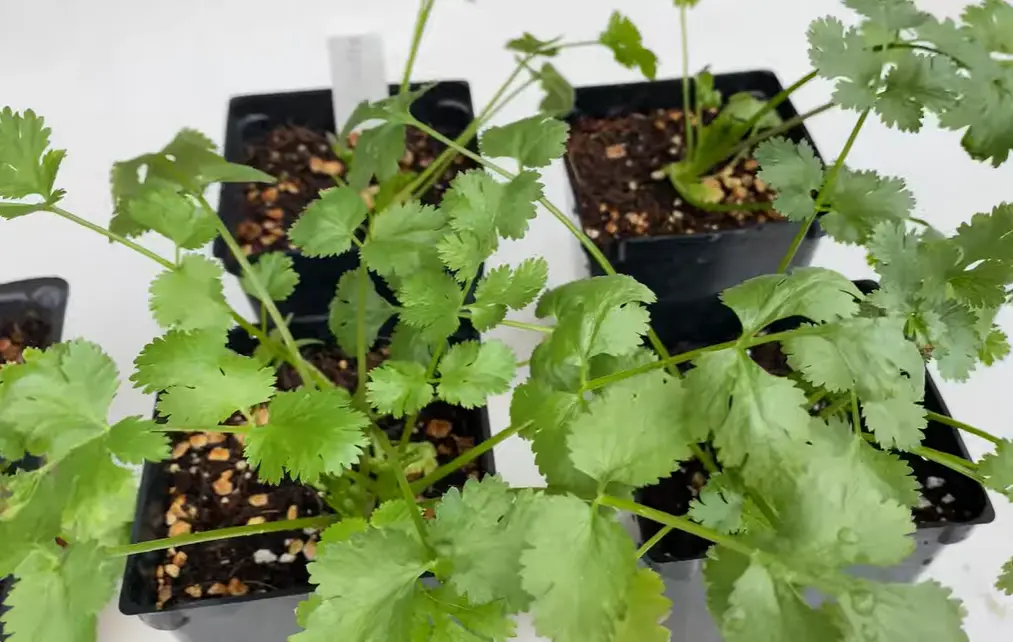
Planting cilantro seeds is the first step to a fresh herb garden at home. Cilantro grows best in cool weather and needs well-drained soil. Starting seeds indoors or sowing directly outdoors works well. Patience is key; seeds take about 7 to 10 days to sprout.
Preparing the soil and knowing how to plant seeds properly helps your cilantro thrive. Follow simple steps for a healthy, green harvest.
Pick a place with full sun or partial shade. Cilantro likes 4 to 6 hours of sunlight daily. Avoid very hot spots that can make cilantro bolt fast.
Use loose, well-drained soil rich in organic matter. Mix compost or aged manure into the soil to add nutrients. Make sure soil pH is between 6.2 and 6.8 for best growth.
Plant seeds about ¼ inch deep in the soil. Space seeds 6 inches apart for room to grow. Cover seeds lightly with soil and water gently to keep soil moist.
Keep soil evenly moist but not soggy. Water the seeds daily until they sprout. Once seedlings grow, water less but regularly to prevent drying out.
Cilantro needs the right amount of water and light to grow well at home. Too much water can cause root rot. Too little water makes the leaves dry and wilt. Light helps cilantro make food through photosynthesis. Without enough light, cilantro grows thin and weak. Understanding watering and light needs will help your cilantro stay healthy and tasty.
Water cilantro when the top inch of soil feels dry. Use your finger to check the soil. Water slowly until water drains from the bottom of the pot. Avoid letting cilantro sit in water. This can kill the roots. Water more often in hot, dry weather. Reduce watering in cooler, humid weather.
Cilantro grows best with 4 to 6 hours of sunlight each day. A sunny windowsill or balcony works well. Too much direct afternoon sun can burn the leaves. Morning sunlight is gentle and ideal. If indoors, use a grow light to give enough light. Keep cilantro away from strong drafts or cold windows.
Managing temperature and humidity is key for growing healthy cilantro at home. Cilantro grows best in cool, comfortable conditions. Too much heat or moisture can harm the plant. Keeping the right balance helps cilantro stay fresh and flavorful.
Cilantro prefers temperatures between 50°F and 85°F. It grows best in cooler weather. High heat causes the plant to bolt and turn bitter quickly. Protect cilantro from temperatures above 85°F to keep leaves tender.
Cilantro thrives in moderate humidity around 40% to 60%. Too much moisture encourages mold and root rot. Dry air can cause leaf edges to brown. Use a small humidifier or mist leaves lightly to maintain balance.
Place cilantro near a window with indirect sunlight. Avoid direct afternoon sun that raises temperature. Use a fan to improve air circulation and reduce humidity buildup. Keep plants away from heaters or air conditioners.
Thinning and transplanting seedlings are key steps in growing healthy cilantro at home. These steps give each plant space to grow strong roots and leaves. Crowded seedlings compete for water, light, and nutrients. This can make plants weak and small.
Thinning means removing extra seedlings. Transplanting moves seedlings to a new spot. Both help plants grow better and produce more leaves.
Thin seedlings when they have two sets of true leaves. This usually happens 2 to 3 weeks after planting seeds. Look for crowded spots where seedlings grow close together. Leave the strongest seedlings and remove the weaker ones. Thin to about 2 to 3 inches apart.
Use small scissors or pinch seedlings at soil level. Avoid pulling seedlings out; this can disturb roots of nearby plants. Remove weaker, thinner seedlings. Keep seedlings that look healthy and sturdy. Thinning lets air and light reach each plant better.
Transplant seedlings if they grow too close or start to crowd. Prepare a new container or garden bed with good soil. Water seedlings before moving. Gently lift seedlings with a small tool or your fingers. Plant them in new spots about 4 to 6 inches apart. Water the plants after transplanting to reduce stress.
Fertilizing is key to growing healthy cilantro at home. It helps the plant get the nutrients it needs. Good fertilizing supports strong leaves and fresh taste.
Cilantro does not need heavy feeding. Too much fertilizer can cause the plant to grow too fast and lose flavor. The right balance helps cilantro thrive.
Select a balanced fertilizer with equal nitrogen, phosphorus, and potassium. A 10-10-10 or 14-14-14 mix works well. Organic options like compost or fish emulsion also nourish cilantro naturally.
Start fertilizing two weeks after planting. Use a diluted liquid fertilizer every two weeks. Avoid overfeeding by following package instructions carefully.
Yellow leaves or burnt leaf edges show too much fertilizer. Slow growth or weak stems also signal a problem. Cut back on fertilizer and flush the soil with water to fix this.
Pests and diseases can harm cilantro plants quickly. Preventing them helps keep your cilantro healthy and strong. Healthy plants grow better and produce more leaves. This section explains simple ways to stop pests and diseases at home.
Start with fresh seeds that look healthy. Use clean, well-draining soil to avoid fungus. Good soil prevents many problems before they start. Avoid soil that stays too wet or has mold.
Water cilantro at the base, not the leaves. Wet leaves invite diseases like powdery mildew. Water only when the top inch of soil is dry. Overwatering causes root rot and weak plants.
Plant cilantro seeds with enough space between them. Crowded plants trap moisture and spread disease fast. Good airflow dries leaves and keeps pests away. Thin seedlings if they grow too close.
Look under leaves and stems for small bugs. Aphids, whiteflies, and spider mites attack cilantro often. Remove pests by hand or spray with mild soap water. Early action stops infestations from growing.
Introduce beneficial insects like ladybugs to fight pests. Spray neem oil or insecticidal soap for safe control. Avoid strong chemicals that can harm plants and you. Natural methods protect cilantro and the environment.
Cut off leaves that look yellow, spotted, or wilted. Diseased leaves spread infection to healthy parts. Dispose of removed leaves far from your garden. Clean tools after pruning to avoid spreading disease.
Harvesting cilantro leaves is a simple task that helps keep your plant healthy. Picking leaves encourages new growth and gives you fresh herbs for cooking. Knowing when and how to harvest ensures the best flavor and longest plant life.
Wait until the cilantro plant is about 6 inches tall. The leaves should be bright green and healthy. Harvest leaves before the plant starts to flower for the best taste.
Use clean scissors or your fingers to cut the outer leaves. Leave the inner leaves and stem to keep growing. Pick only a few leaves from each plant at a time.
Pick cilantro early in the morning for the best flavor. Avoid cutting more than one-third of the plant at once. Regular harvesting helps the plant stay bushy and productive.
Extending the growing season for cilantro helps you enjoy fresh herbs longer. You can grow cilantro beyond its normal outdoor season with a few simple steps. This allows for a steady supply of fresh leaves, even when the weather turns cold. Here are practical ways to keep your cilantro thriving for months.
Plant cilantro seeds indoors 4 to 6 weeks before the last frost date. Use small pots with good drainage and quality soil. Keep them in a sunny spot or under grow lights. This gives seedlings a strong start before moving outdoors.
Growing cilantro in pots lets you move plants easily. Bring containers inside when temperatures drop below 50°F (10°C). You can place them on a sunny windowsill or under grow lights. This protects cilantro from frost and cold winds.
Cilantro needs 4 to 5 hours of sunlight daily to grow well. Keep indoor plants near south-facing windows or use artificial lights. Maintain temperatures between 50°F and 75°F (10°C to 24°C) for best growth. Avoid hot spots or drafts that can stress plants.
Cold frames extend the outdoor growing season by protecting plants from frost. They trap heat and keep air circulating. Mini greenhouses offer similar benefits and keep cilantro warmer during chilly nights. Place them in a sunny spot for maximum effect.
Plant cilantro seeds every 2 to 3 weeks. This creates a continuous harvest and avoids gaps. As older plants finish, new ones grow ready to pick. Succession planting works well in both garden beds and containers.
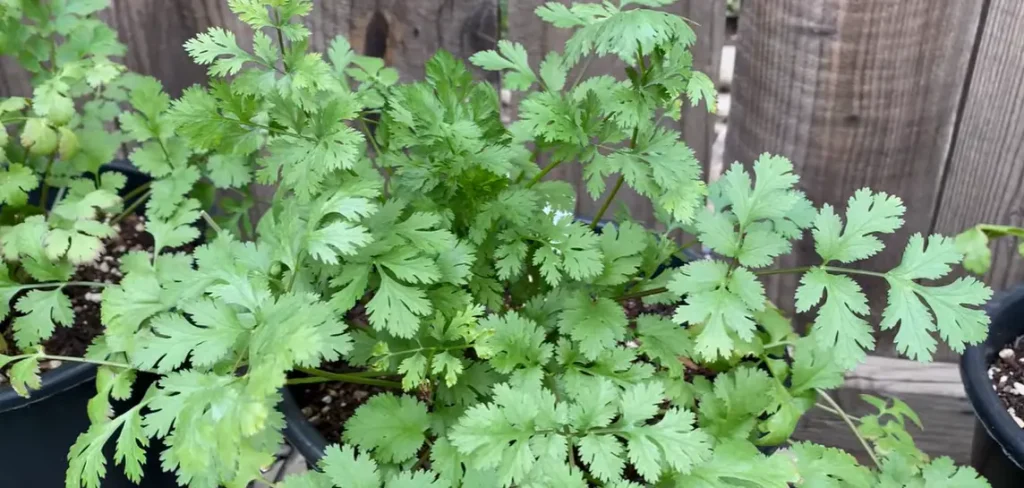
Cilantro usually grows in 3 to 4 weeks from seeds. You can start harvesting leaves once plants are about 6 inches tall. Quick growth makes it great for home gardens.
Cilantro prefers well-draining, loose soil rich in organic matter. Soil with a pH between 6. 2 and 6. 8 works best. Good soil helps roots grow strong and healthy.
Water cilantro regularly to keep soil moist but not soggy. Usually, watering every 2 to 3 days is enough. Avoid overwatering to prevent root rot.
Cilantro needs at least 4-5 hours of sunlight daily. If natural light is low, use a grow light to help plants thrive. Lack of light can make plants weak.
Keep cilantro cool and water it well to slow bolting. Harvest leaves regularly to encourage new growth. Bolting happens faster in hot weather.
Growing cilantro at home is simple and rewarding. Plant seeds in good soil and keep them moist. Place your cilantro where it gets plenty of sunlight. Watch it grow fast and enjoy fresh leaves anytime. Regular trimming helps the plant stay healthy.
You can add fresh cilantro to many dishes. Fresh herbs always taste better than store-bought. Try growing cilantro today and enjoy your own fresh flavors. It’s a small step that makes cooking more fun and tasty.