Gardening Made Simple.
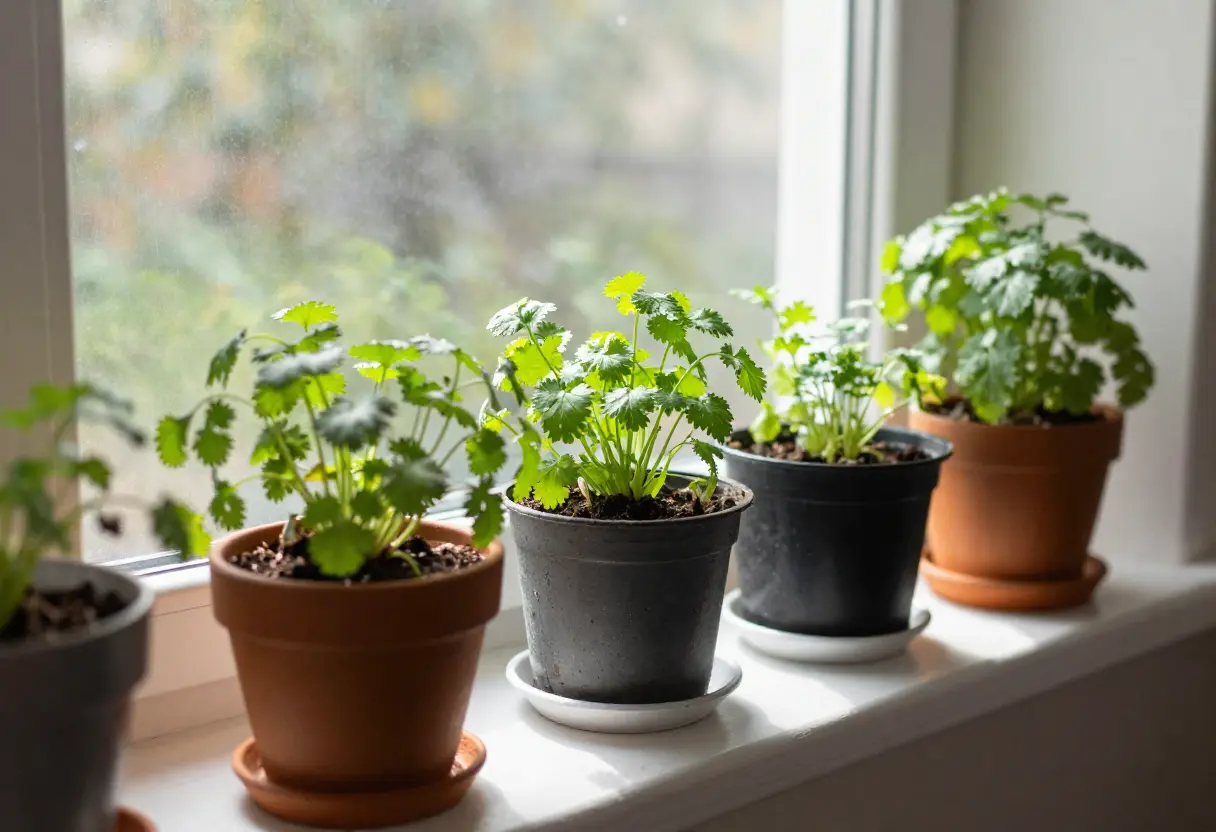
How to Grow Cilantro Indoors makes it easy to enjoy fresh, vibrant leaves year-round. Do you love the fresh, zesty flavor of cilantro but struggle to keep it alive outside? What if you could have a steady supply of this aromatic herb right in your home, no matter the season, with the right containers, soil, and light conditions?
Growing cilantro indoors year round is easier than you think, and it can transform your cooking with its bright, fresh taste whenever you want. In this guide, you’ll discover simple steps to successfully grow cilantro inside your home, ensuring you never run out of this essential herb.
Ready to turn your windowsill into a green oasis? Let’s dive in!

Choosing the right cilantro variety is key to growing healthy plants indoors all year. Different types of cilantro have unique flavors, growth habits, and resistance to heat. Picking the best variety helps you enjoy fresh cilantro no matter the season.
Some cilantro varieties are better suited for indoor growing. These types often stay compact and produce more leaves. Others may bolt quickly or grow tall, making them less ideal for pots.
Slow-bolting types last longer before flowering. This means you get fresh leaves for weeks. Varieties like 'Calypso' and 'Leisure' are known for slow bolting. They suit indoor gardens well because they handle warm conditions better.
Leafy cilantro grows thick and full. It gives you more leaves to harvest. 'Santo' and 'Long Standing' are good examples. These varieties keep producing leaves even in small pots.
Compact types stay small and bushy. They fit nicely in windowsills and small containers. 'Confetti' and 'Caribe' are popular compact choices. Their size makes indoor growing easier and neater.
Choosing the right container and soil is key to growing cilantro indoors all year. The right setup helps the plant stay healthy and produce fresh leaves. Containers and soil work together to give cilantro the space and nutrients it needs.
Good containers hold enough soil and drain well. Soil should be loose and rich in nutrients. Both parts affect how well your cilantro grows inside your home.
Pick containers at least 8 to 10 inches deep. Cilantro has long roots that need room to grow. Use pots with drainage holes to stop water buildup. Water sitting in the pot can cause root rot. Plastic, ceramic, or clay pots all work well.
Choose a container size that fits your space. Wide pots help cilantro spread its roots. Avoid very small pots that dry out quickly. A stable pot stops plants from tipping over when they grow tall.
Use light, well-draining soil for cilantro. A mix made for herbs or vegetables works fine. Avoid heavy garden soil that holds too much water. Soil with good drainage keeps roots healthy and oxygenated.
Mix in some organic compost or slow-release fertilizer. This adds nutrients and helps soil hold moisture. Avoid soils with added fertilizers that might burn young plants. Fresh, loose soil helps cilantro grow strong indoors.
Cilantro needs the right light to grow well indoors all year. Light helps the plant make food and stay healthy. Without enough light, cilantro grows weak and leggy.
Choosing good lighting helps your cilantro stay green and full of flavor. Too much light can burn the leaves, while too little light slows growth. Balance is key for strong plants.
Cilantro grows best near a south-facing window. This spot gets bright, indirect sunlight for at least 4 to 6 hours daily. Morning light is gentle and perfect for cilantro.
Windows with east or west exposure work too. Avoid windows with very harsh afternoon sun. Direct sun can dry out the leaves and soil quickly.
Grow lights help if natural light is weak or short. Use full-spectrum LED lights that mimic sunlight well. Keep lights 6 to 12 inches above the plants.
Run grow lights for 10 to 12 hours a day. This schedule supports steady growth and keeps cilantro healthy. Use a timer to keep lighting consistent.
Cilantro needs medium light intensity to thrive. Bright, indirect light is ideal. Too bright light causes leaf burn, while too dim light slows growth.
Keep a balance of light duration around 10 hours daily. This amount encourages leaf production and prevents the plant from bolting early.
Cilantro grows best in a stable environment. Temperature and humidity play key roles in its health. Indoors, controlling these factors helps cilantro thrive all year.
Too hot or too cold can stress the plant. Proper humidity keeps leaves fresh and prevents drying out. Understanding these needs makes indoor cilantro growing easier.
Cilantro prefers cool temperatures. Aim for 60 to 70 degrees Fahrenheit. Temperatures above 75 degrees may cause bolting. Below 50 degrees slows growth. Keep your plant away from heaters or cold drafts.
Cilantro likes moderate humidity. Around 40 to 60 percent is ideal. Dry air can cause leaf edges to brown. Use a humidifier or place a water tray nearby. Avoid overly wet soil to prevent root rot.
Place cilantro near a window with indirect light. Avoid direct sun, which raises temperature too much. Use a small fan to improve air circulation. Check temperature and humidity daily with simple tools. Adjust as needed for best growth.

Watering cilantro indoors needs care for strong, healthy plants. Too much water causes root rot. Too little water makes leaves dry and wilted. The right watering helps cilantro grow fresh and tasty all year.
Watch the soil moisture to decide when to water. The top inch should feel dry before adding water. This keeps roots moist but not soaked.
Touch the soil with your finger every few days. If it feels dry at the top, water the plant. Wet soil means wait before watering again. This avoids overwatering problems.
Pour water slowly around the base of the plant. Avoid wetting the leaves often. Wet leaves can cause mold or disease. Use a watering can with a small spout for control.
Choose pots with drainage holes. This stops water from sitting at the bottom. Standing water can harm the roots. Good drainage keeps soil fresh and healthy.
Indoor air changes with seasons. Cilantro needs less water in cooler months. Warmer months dry soil faster, so water more. Watch your plant’s needs and adapt watering.
Fertilizing cilantro indoors helps keep the plant healthy and green. It gives the nutrients cilantro needs to grow strong leaves. Without proper feeding, cilantro can become weak and stop growing well.
Indoor cilantro plants need a balanced fertilizer. This supports leaf growth and overall plant health. Choosing the right fertilizer and using it correctly makes a big difference.
Use a balanced, water-soluble fertilizer with equal N-P-K values. Look for formulas like 10-10-10 or 20-20-20. These provide nitrogen, phosphorus, and potassium in good amounts. Nitrogen helps leaves grow, which is key for cilantro.
Feed cilantro every two to four weeks during its growing season. Avoid over-fertilizing as it can harm the plant. A light feeding schedule keeps cilantro healthy without stress.
Dilute fertilizer to half the recommended strength. Pour the solution around the base of the plant, not on leaves. Water the plant after fertilizing to avoid root burn. This keeps cilantro happy and thriving indoors.
Growing cilantro indoors means watching for pests and diseases. These problems can harm your plant quickly. Knowing how to manage them helps keep cilantro healthy and fresh all year.
Regular checks catch pests early. Catching problems soon means easier treatment. Healthy plants resist diseases better. Good care creates a strong plant environment.
Look for tiny insects on leaves and stems. Aphids and spider mites are frequent pests. They suck plant juices and cause leaf damage. Whiteflies also harm indoor cilantro plants.
Signs include yellow spots, curling leaves, or sticky residue. Check both sides of leaves carefully. Early spotting stops pests from spreading fast.
Use water spray to remove small pests. Insecticidal soap works well without chemicals. Neem oil helps control many insects safely. Introduce ladybugs or lacewings if possible.
Keep the plant area clean. Remove dead leaves and debris often. Avoid overwatering, which attracts pests and fungus.
Fungal diseases like powdery mildew can appear indoors. Ensure good air flow around plants. Avoid wetting leaves when watering. Use well-draining soil to prevent root rot.
Remove infected leaves promptly. Keep humidity low but not too dry. Proper spacing between pots helps disease prevention.
Pruning and harvesting cilantro indoors helps keep the plant healthy and productive. Regular trimming encourages new growth and prevents the plant from becoming leggy. Proper harvesting techniques ensure fresh leaves throughout the year.
Start pruning once the plant has grown at least 6 inches tall. Cut the stems above a leaf node to promote bushier growth. Avoid cutting more than one-third of the plant at a time. Pruning too much can stress the plant and slow growth.
Harvest cilantro leaves by snipping the outer stems first. Use clean scissors or garden shears to avoid damaging the plant. Pick leaves regularly to keep the plant producing fresh foliage. Harvest in the morning for the best flavor and aroma.
Remove flower buds as soon as they appear. Flowering causes the plant to bolt and leaves to turn bitter. Pinch off the flower stems to extend the harvest period. This step helps keep your cilantro tender and tasty.
Growing cilantro indoors year round can be very rewarding. Yet, some common problems might appear. Knowing how to fix these issues helps keep your plants healthy and vibrant.
Indoor environments can be tricky for cilantro. Problems often come from light, water, or pests. Spotting these issues early makes a big difference.
Cilantro needs at least 4 to 6 hours of sunlight daily. Without enough light, leaves turn pale and growth slows. Place your plant near a bright window or use a grow light. Rotate the pot regularly for even light exposure.
Too much water causes root rot and yellow leaves. Check soil moisture before watering. Let the top inch of soil dry out between waterings. Use pots with drainage holes to avoid water buildup.
Leggy cilantro has long, thin stems with few leaves. This happens due to low light or crowded plants. Thin out seedlings and give each plant enough space. Increase light to strengthen stems and improve growth.
Indoor cilantro can attract aphids, spider mites, or whiteflies. Check leaves regularly for small insects or webs. Spray plants with mild soap water or neem oil to control pests. Remove any damaged leaves to stop disease spread.

Cilantro needs about 4-6 hours of bright light daily. Place it near a sunny window or use a grow light.
Use well-draining, loose soil with organic matter. A potting mix designed for herbs works well.
Water cilantro when the top inch of soil feels dry. Keep soil moist but not soggy to avoid root rot.
Yes, cilantro grows well indoors year-round if given enough light and proper care. Indoor growing avoids cold damage.
Keep temperatures between 60-70°F and avoid heat stress. Regularly harvest leaves to encourage new growth and delay flowering.
Growing cilantro indoors all year is simple and rewarding. Choose a sunny spot and use good soil. Water regularly but do not soak the roots. Trim leaves often to keep the plant healthy. Watch for pests and remove them quickly.
Fresh cilantro adds great flavor to many dishes. Enjoy your fresh herb anytime without leaving home. Keep caring for your plant, and it will thrive. Growing cilantro indoors brings joy and fresh taste all year. Try it today and see the difference.