Gardening Made Simple.

Have you ever wanted fresh garlic ready to use anytime, right from your own home? How to Grow Garlic Indoors is easier than you might think and lets you enjoy rich, flavorful garlic without even stepping outside.
Whether you have limited space or just want a convenient way to add zest to your meals, this guide will show you how to grow garlic indoors successfully. Keep reading to discover simple steps and expert tips that will have your garlic thriving on a sunny windowsill in no time.
Your kitchen garden adventure starts here!
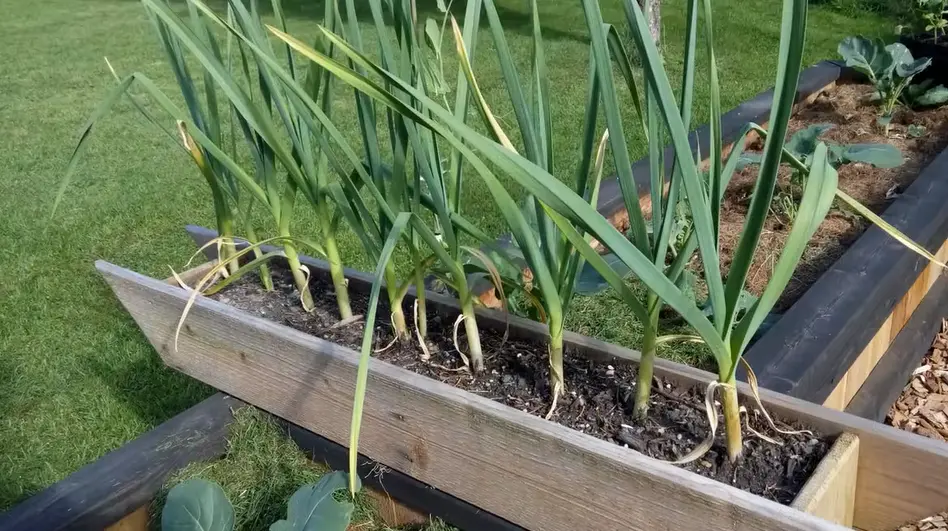
Choosing the right garlic variety is important for indoor growing success. Different types of garlic have unique traits. These traits affect how well garlic grows inside your home. Understanding these differences helps you pick the best garlic for your space and conditions.
Some garlic types need more space or cooler temperatures. Others adapt better to pots and warmer rooms. Knowing these details saves time and effort. It also gives you a better chance to grow healthy garlic bulbs indoors.
Hardneck garlic produces a stiff central stalk. This type grows well in cooler climates. It has fewer cloves but stronger flavor. Hardneck garlic needs more space for the stalk to grow.
Softneck garlic does not have a hard stalk. It grows many cloves per bulb. This type stores longer and suits warmer climates. Softneck garlic fits better in small pots and indoor spaces.
For indoor growing, softneck garlic is easier to manage. It takes less room and adapts to indoor temperatures. Hardneck garlic can grow indoors but needs more care.
Softneck varieties like Silverskin and Artichoke work well indoors. They have flexible stems and store well after harvest. These types handle indoor light and temperature better.
Some hardneck varieties such as Rocambole can also grow indoors. They need cooler spots and good airflow. Choose these if your indoor environment mimics outdoor coolness.
Pick garlic that matches your indoor conditions. Softneck types suit warm, small spaces. Hardneck types fit cooler rooms with more space.
Selecting the right containers and soil is key to growing garlic indoors successfully. The right pot and soil create a healthy environment for garlic to grow strong and flavorful. Choosing poor containers or soil can lead to weak plants and small bulbs. Focus on size, drainage, and soil quality to give your garlic the best start.
Choose a pot at least 8 to 10 inches deep. Garlic roots need space to spread out and grow. A wider pot helps bulbs develop fully. Use containers with drainage holes at the bottom. Good drainage prevents water from sitting and causing root rot. Place a saucer under the pot to catch extra water but empty it often.
Use loose, well-draining soil for garlic. A mix of potting soil and compost works well. Avoid heavy clay soils that hold too much water. Garlic prefers soil rich in nutrients and organic matter. Maintain a slightly acidic to neutral pH, around 6.0 to 7.0. Light, fluffy soil helps air reach the roots and supports steady growth.
Planting garlic cloves is the first important step in growing garlic indoors. This stage sets the foundation for healthy growth and a good harvest. Proper care during planting helps cloves develop strong roots and shoots. Let’s explore how to prepare cloves and plant them correctly for best results.
Start with fresh, firm garlic bulbs. Avoid soft or damaged ones. Separate the bulb into individual cloves. Keep the papery skin on each clove. This skin protects the clove during planting. Choose the largest cloves for planting. They grow into bigger garlic bulbs. Small cloves may grow, but the harvest will be smaller.
Plant cloves with the pointed end facing up. This helps shoots grow easily. Place cloves about 2 inches deep in the soil. Planting too shallow can dry out the roots. Too deep slows growth. Space cloves 4 to 6 inches apart. This gives each plant room to grow. Crowded cloves produce smaller bulbs. Good spacing also improves air flow.
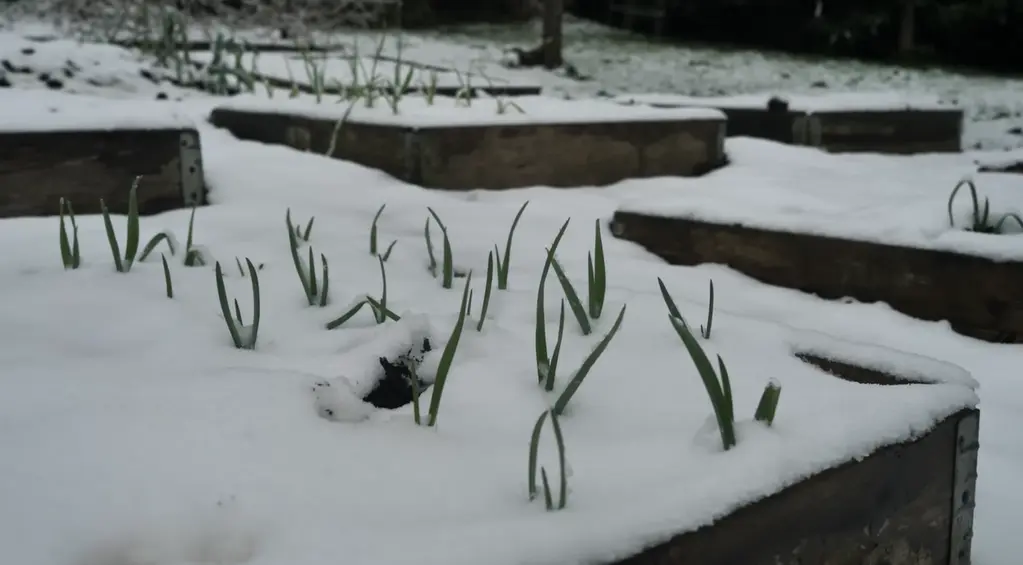
Lighting and temperature play key roles in growing garlic indoors. Garlic needs the right light and warmth to grow strong and healthy. Providing proper conditions helps garlic develop big bulbs and rich flavor.
Indoor garlic requires steady care. Good light boosts photosynthesis, while correct temperature supports root and leaf growth. Both factors work together to create a healthy garlic plant.
Garlic needs at least 6 hours of light daily. A sunny window with south or west exposure works well. If natural light is weak, use a grow light.
Place the grow light 6 to 12 inches above the garlic. Keep it on for 12 to 16 hours each day. This mimics outdoor sunlight and helps garlic grow faster.
Light should be bright but not too hot. Avoid direct midday sun through glass. It can burn the leaves and dry the soil.
Garlic grows best between 60°F and 70°F (15°C to 21°C). Temperatures below 50°F (10°C) slow growth. Above 75°F (24°C), plants may stress and stop growing.
Keep garlic away from heaters and cold drafts. A steady temperature helps roots develop well. Night temperatures can be slightly cooler but not too cold.
Use a thermometer to check room temperature. Adjust heating or cooling to keep garlic comfortable. Consistent warmth leads to better garlic bulbs indoors.
Watering and feeding are key to growing healthy garlic indoors. Proper care ensures strong growth and good flavor. Garlic needs consistent moisture and nutrients to thrive in pots.
Too much water causes root rot. Too little water slows growth. The right balance helps garlic develop big bulbs. Feeding provides essential nutrients for energy and growth.
Water garlic when the top inch of soil feels dry. Check soil moisture every few days. Avoid soggy soil, which harms roots. Use a watering can with a narrow spout for control. Water slowly to soak the soil evenly. Reduce watering as garlic bulbs form. Keep soil moist but not wet during bulb development.
Use a balanced liquid fertilizer every 3 weeks. Choose one with equal nitrogen, phosphorus, and potassium. Nitrogen helps leaves grow green and strong. Phosphorus supports root and bulb growth. Potassium improves overall plant health. Organic options like fish emulsion or seaweed work well. Follow label instructions for safe feeding. Avoid over-fertilizing to prevent leaf burn and weak bulbs.
Growing garlic indoors is rewarding, but pests and diseases can cause problems. Managing these issues early keeps your plants healthy. It helps your garlic grow strong and tasty. Watch your plants often for signs of trouble. Catching problems fast stops them from spreading. Use natural methods to protect your garlic safely. Avoid harsh chemicals that harm plants and people.
Spider mites often attack indoor garlic. They cause tiny yellow spots on leaves. Aphids suck sap and weaken plants. White mold appears as fuzzy patches on leaves and soil. Root rot happens if soil stays too wet. These problems slow garlic growth and reduce bulb size. Look closely at leaves and soil regularly to spot these issues.
Spray garlic leaves with water to remove spider mites. Introduce ladybugs to eat aphids naturally. Use neem oil spray to control many pests safely. Sprinkle baking soda solution to stop white mold growth. Water garlic only when soil feels dry to prevent root rot. Clean pots and tools before replanting to avoid disease spread. These natural steps keep garlic healthy without chemicals.
Harvesting and curing garlic grown indoors is an important step. It affects the flavor and storage life of your garlic bulbs. Proper timing and care keep the bulbs healthy and strong.
Look at the leaves. When the bottom leaves turn brown, garlic is ready to harvest. The top leaves may still be green. This shows the bulbs have grown fully.
Check the size by gently digging near the bulb. The cloves should feel firm and well-formed. Avoid waiting too long to harvest. Overripe garlic can split and lose flavor.
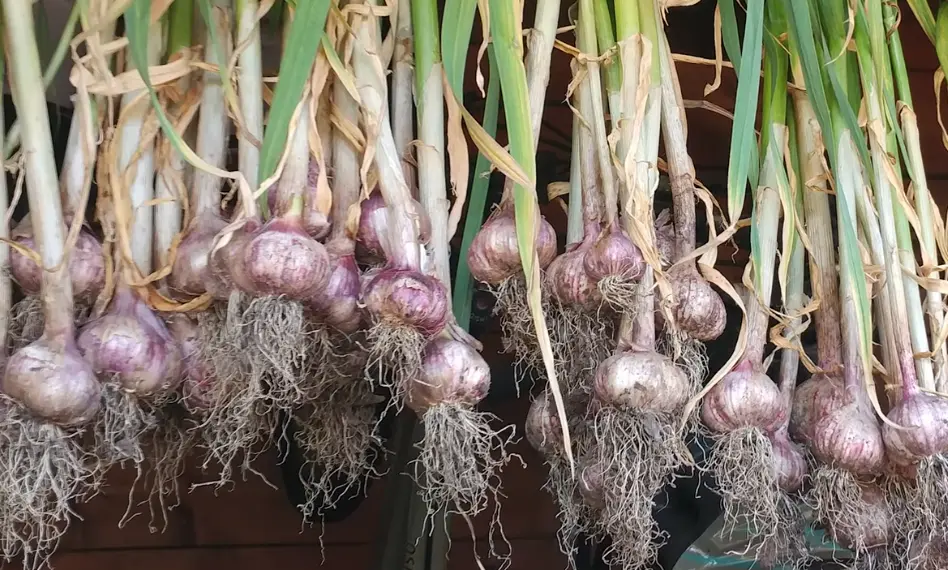
Dry garlic in a cool, dark, and airy place. Use a mesh bag or hang bulbs in small bunches. Good airflow helps prevent mold and rot.
Keep garlic away from direct sunlight. Sunlight can dry out the cloves too fast. Let garlic cure for 2 to 3 weeks until the skins feel papery and dry.
Storing fresh garlic properly keeps it flavorful and fresh for longer. Garlic needs the right place to stay crisp and prevent sprouting. Good storage helps you enjoy garlic’s taste in your cooking for weeks or months. Here are some easy tips for short-term and long-term garlic storage.
For short-term use, keep garlic in a cool, dry place. A kitchen counter away from sunlight works well. Store garlic bulbs in a mesh bag or basket to allow air flow. Avoid plastic bags that trap moisture and cause mold. Check garlic regularly and remove any soft or sprouting cloves. This method keeps garlic fresh for about 1 to 2 weeks.
For longer storage, keep garlic in a dark, cool spot like a pantry or cellar. Ideal temperature is around 60°F (15°C) with low humidity. You can braid garlic stems and hang them to dry and store. Another option is to separate cloves and store in paper bags or cardboard boxes. Avoid refrigeration as moisture can make garlic soft and moldy. Proper long-term storage can keep garlic fresh for several months.
Growing garlic indoors can be rewarding but may bring some challenges. Recognizing common problems early helps keep your plants healthy. This section covers typical issues and easy fixes.
Yellow leaves often mean a nutrient problem or too much water. Garlic needs well-drained soil and moderate watering. Avoid overwatering to prevent root stress. Adding a balanced fertilizer can boost leaf color and growth.
Slow growth usually signals low light or poor soil quality. Garlic needs at least 6 hours of sunlight each day. Place your pot near a bright window or use grow lights. Use rich soil with good drainage to help plants thrive.
Rot and mold appear with excess moisture and poor air flow. Water only when the top inch of soil feels dry. Ensure your container has drainage holes to prevent water buildup. Remove affected leaves and use a fungicide if mold spreads.
Garlic usually takes about 3 to 4 months to grow fully indoors.
Softneck garlic is best for growing indoors due to its smaller size and flexibility.
Garlic needs at least 6 hours of bright sunlight every day to grow well.
Use loose, well-draining soil with good organic matter for healthy garlic growth.
Water garlic once or twice a week, keeping soil moist but not soggy.
Growing garlic indoors can be simple and rewarding. Choose a sunny spot and plant healthy cloves. Water them just enough to keep soil moist. Watch leaves grow green and strong each day. Garlic needs patience but gives fresh flavor. Enjoy the process and the tasty results.
Indoor garlic suits small spaces well. Try it yourself and add fresh garlic to meals. Small steps lead to a good harvest. Happy gardening and happy cooking!