Gardening Made Simple.
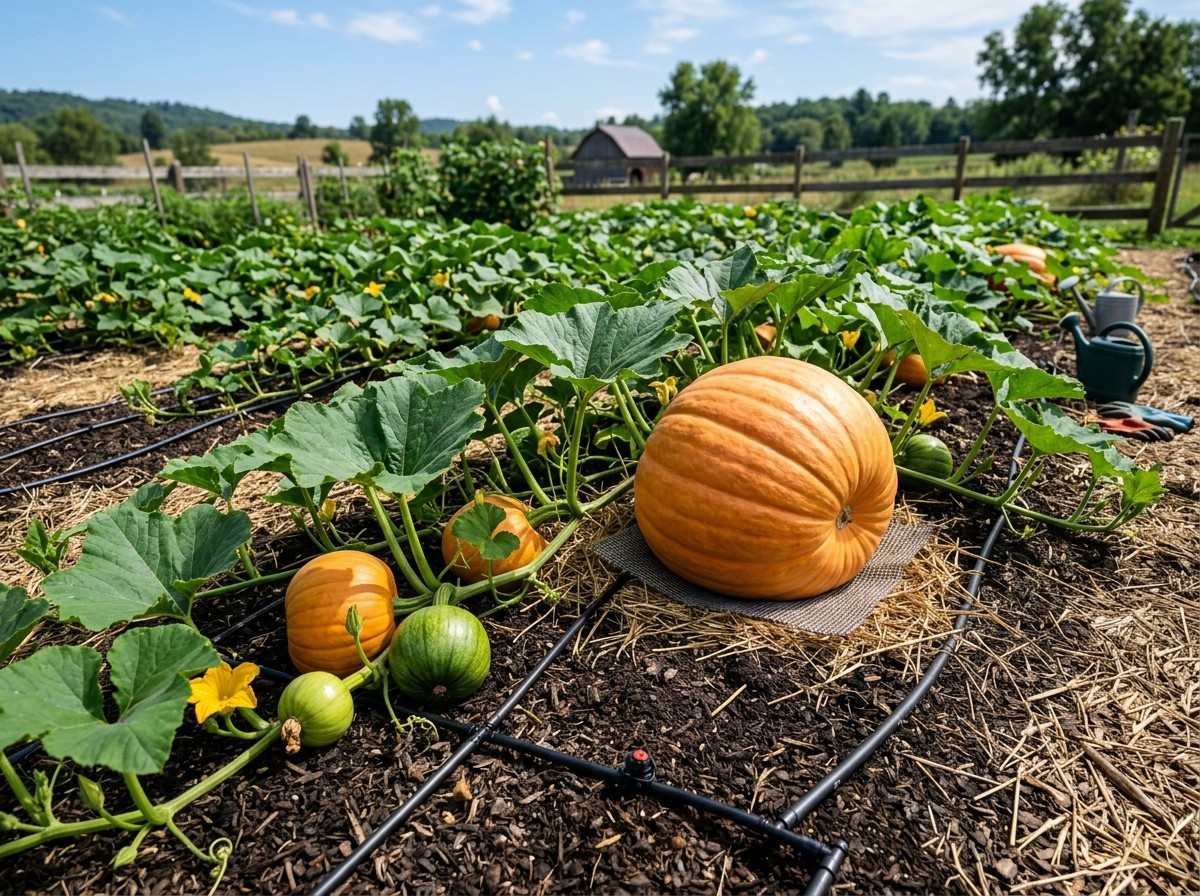
Growing pumpkins is more than just planting seeds and waiting for autumn. If you want larger pumpkins—those impressive, heavy fruits that turn heads at local fairs or give you extra pie filling—How to Grow Larger Pumpkins starts with understanding what these plants need throughout the season. With proper soil preparation, watering, fertilizing, spacing, pollination, and vine care, you can create the right conditions for stronger growth and bigger fruits.
This article is your practical advisor, showing you how to grow big pumpkins step by step, with real examples, smart insights, and clear advice. Whether you’re a backyard gardener or dreaming of a giant pumpkin for Halloween, you’ll find everything you need here.
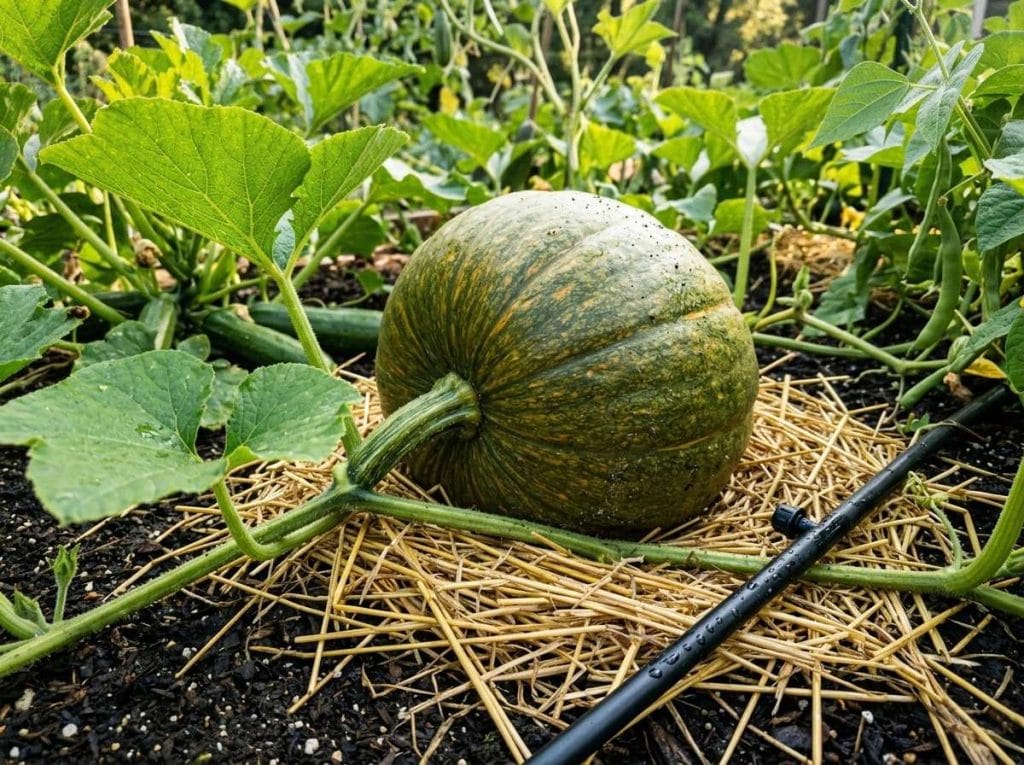
Not all pumpkins grow the same size. If your goal is to grow large pumpkins, start by selecting a variety known for size.
| Variety Name | Average Size | Best Use |
|---|---|---|
| Atlantic Giant | 200–600 lbs | Giant competitions |
| Big Max | 50–100 lbs | Show, carving |
| Dill's Giant | Up to 800 lbs | World records |
| Prizewinner | 50–100 lbs | Decor, carving |
| Howden | 20–40 lbs | Jack-o’-lanterns |
Atlantic Giant and Dill’s Giant are favorites for pumpkin contests because they can produce massive fruits. For home gardens, Big Max and Prizewinner offer big pumpkins that are easier to manage.
Non-obvious insight: Large pumpkin varieties often need more space and nutrients than smaller ones. Don’t try to grow them in cramped plots; they thrive with room to spread.
Healthy soil is the foundation for big pumpkins. Pumpkins are heavy feeders, meaning they need lots of nutrients.
Start with a soil test. You can buy a simple kit or send a sample to your local extension office. Aim for a pH of 6.5 to 7.0. If your soil is too acidic or alkaline, adjust it with lime or sulfur as needed.
Add plenty of organic matter:
Pumpkins need nitrogen early for leaf growth, then more phosphorus and potassium as fruits develop.
| Growth Stage | Fertilizer N-P-K Ratio | Purpose |
|---|---|---|
| Seedling | 10-10-10 | Balanced nutrition |
| Vining | 20-10-10 | Leaf and vine growth |
| Fruit Set | 10-30-20 | Fruit swelling |
Apply fertilizers according to these stages for best results. Water the soil well after feeding to avoid burning roots.
Practical tip: Over-fertilizing can cause lush vines but small pumpkins. Stick to recommended doses and adjust based on plant performance.
Pumpkins need space, warmth, and good timing. Here’s how to plant for maximum size:
Pumpkins grow best in warm soil—about 70°F (21°C). In most US regions, plant seeds after the last frost, usually late May to early June. If you start seeds indoors, transplant them outside only after soil is warm.
Large pumpkin varieties need lots of room. For giants:
For mid-sized pumpkins, 5–8 feet between hills is enough.
Non-obvious insight: Crowded plants compete for sunlight and nutrients, limiting fruit size. Keep space generous, even if it feels wasteful.
Water is crucial for big pumpkins, but too much or too little can hurt growth.
Pumpkins need 1–2 inches of water per week. Deep watering is best—soak the soil to encourage deep roots.
Example: In dry weeks, supplement rain with deep watering every 2–3 days.
Many gardeners water lightly and often, which leads to shallow roots. Instead, aim for deep, infrequent watering.
Practical tip: Mulch with straw or wood chips to keep soil moist and reduce evaporation.
Pumpkins are sun-loving plants. For giant fruits, you need:
If your region is cooler, use black plastic mulch to warm the soil. In hot climates, shade the fruit itself with boards or cloth to prevent sunscald.
Non-obvious insight: Too much heat can cause pumpkins to stop growing or crack. Moderate with mulch and shading as needed.
Pumpkin vines grow fast and can cover huge areas. To grow bigger pumpkins, you must guide their energy.
Guide vines in a circle or zigzag pattern to maximize sunlight and airflow. Use garden stakes or soft ties.
Example: Atlantic Giant growers often prune vines so the main fruit sits in the center, making feeding and watering easier.
Practical tip: Don’t prune too much at once; sudden cuts can stress the plant.
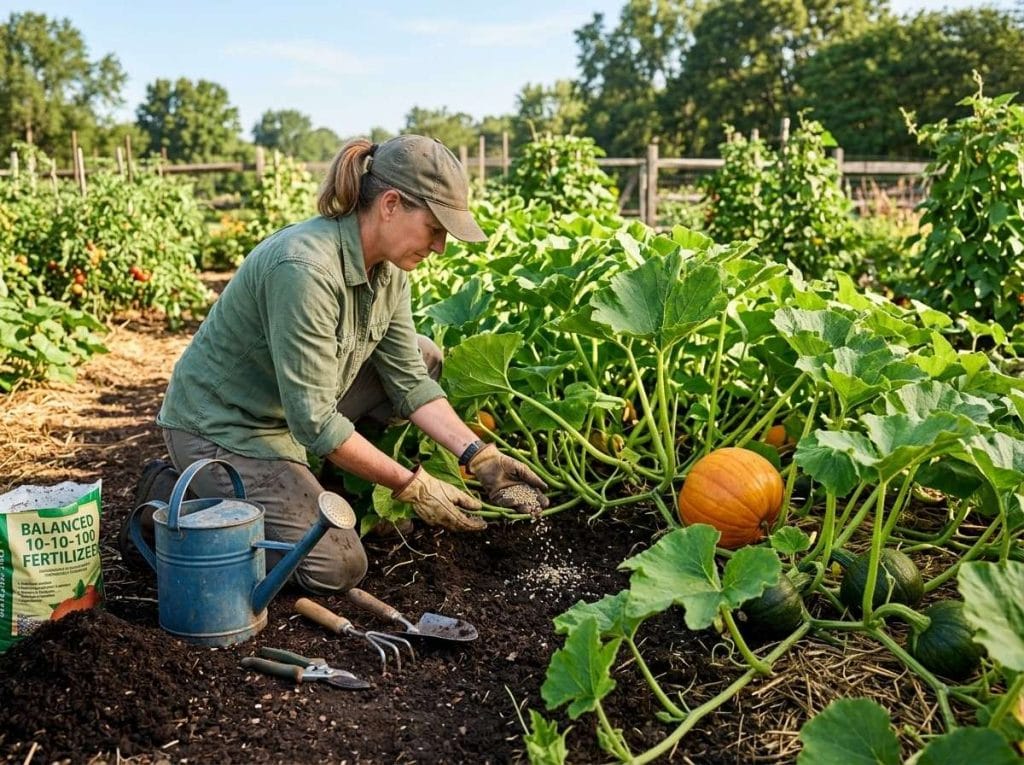
Big pumpkins need steady nutrition. Here’s how to feed them:
Spray diluted fertilizer directly onto leaves for a quick boost. Do this early in the morning, not during hot sun.
Non-obvious insight: Magnesium and calcium are often overlooked. Deficiency can cause weak stems or blossom-end rot. Use Epsom salts (1 tablespoon per gallon of water) once a month.
Pollination is key to big pumpkin development. Bees and other insects usually handle this, but sometimes you need to help.
Practical tip: Cover pollinated female flowers with a small bag for 1–2 days to protect from insects.
Non-obvious insight: Early pollination (when vines are strong) often leads to larger fruit, as the plant can devote energy to development.
Big pumpkins are attractive to bugs and fungi. Common threats include:
| Pest/Disease | Symptoms | Control Method |
|---|---|---|
| Squash bugs | Wilting, yellow leaves | Hand pick, neem oil |
| Powdery mildew | White spots on leaves | Baking soda spray |
| Vine borers | Sudden wilt, holes in stems | Remove affected vines, row covers |
Practical tip: Rotate pumpkin crops every 2–3 years to prevent soil-borne diseases.
Once your pumpkin is growing, there are tricks to help it reach its full potential.
Place a board, sand, or cloth under the pumpkin as it grows. This prevents rot and keeps the fruit clean.
Example: For giant pumpkins, growers use pallets or foam pads to cushion the fruit.
Measure your pumpkin every few days. Healthy pumpkins can gain 5–10 lbs per day at peak growth.
Non-obvious insight: Remove competing fruits as soon as the main pumpkin is set. This makes sure all nutrients go to one fruit.
Timing your harvest is important. Pumpkins stop growing when stems turn brown and the skin hardens.
Keep pumpkins in a cool, dry place. Curing (keeping them at 80–85°F for 10 days) helps toughen the skin. Stored properly, big pumpkins last for months.
Example: Giant pumpkin growers often keep their fruits in sheds or garages, away from frost.
Even experienced gardeners make errors. Here are some to avoid:
Practical tip: Keep a garden journal. Record dates, weather, and growth so you can improve each year.
Some growers produce pumpkins over 1,000 lbs. Here are their proven strategies:
Non-obvious insight: Many world-record pumpkins come from seeds passed down from previous champions. Seed genetics matter as much as care.
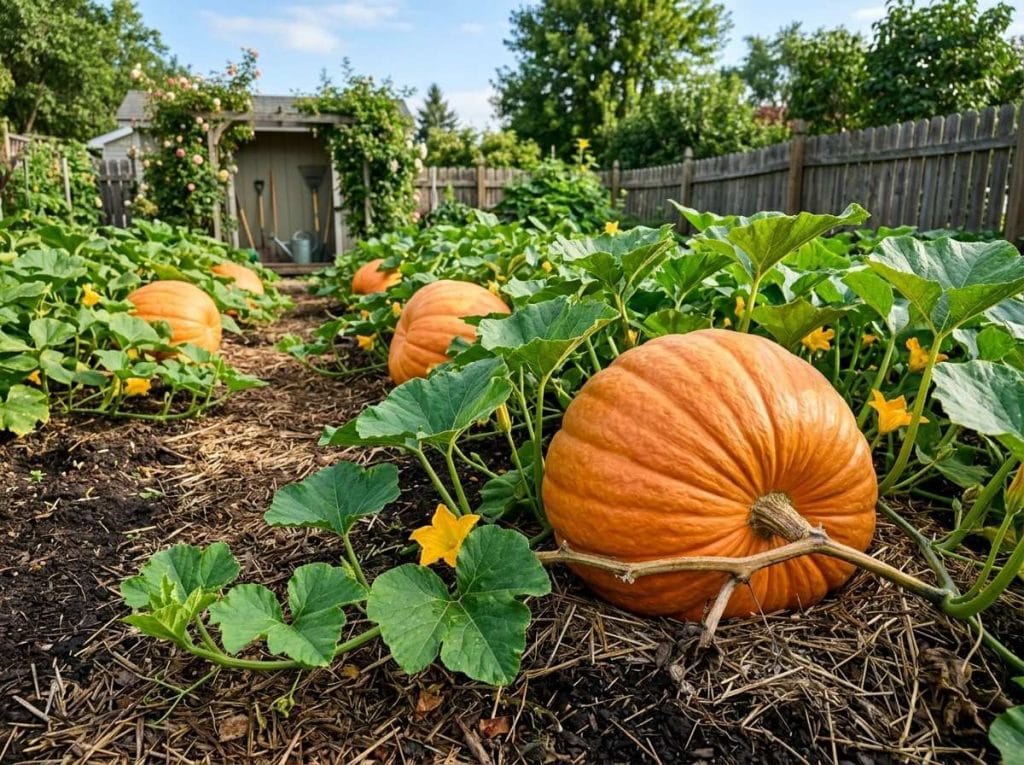
It takes about 120–150 days from seed to harvest for most giant pumpkin varieties. Plant in late spring for pumpkins ready in October.
The world record is over 2,700 lbs, grown by Mathias Willemijns in Belgium. You can read more about giant pumpkins at Wikipedia.
It’s possible, but not ideal. Large pumpkins need lots of soil, space, and water. Containers limit root growth and usually produce smaller fruit.
Start with balanced fertilizer (10-10-10), then switch to high-phosphorus and potassium blends (like 10-30-20) when fruits develop. Add compost and trace minerals for best results.
Keep soil moisture steady, shade fruits in hot weather, and avoid sudden changes in watering. Cracking is often caused by uneven growth or stress.
Growing large pumpkins is a journey that rewards patience and attention. With the right variety, healthy soil, proper care, and a few expert tricks, you can produce pumpkins that amaze your neighbors and fill your garden with autumn joy. Remember, each season brings new lessons—so keep experimenting, stay observant, and enjoy the process.
Whether you aim for a giant contest winner or just a big, beautiful pumpkin for your porch, these steps will set you on the right path.