Gardening Made Simple.

Growing your own fresh lettuce at home is easier than you might think. Learning How to Grow Lettuce at Home lets you pick crisp, vibrant leaves right from your kitchen or backyard whenever you want, ensuring fresh, healthy greens at your fingertips.
You don’t need a big garden or special tools—just a little space, some seeds, and a bit of care. In this guide, you’ll discover simple steps to start growing healthy lettuce quickly. Whether you’re a beginner or want to improve your green thumb, you’ll find tips that save you time and help your plants thrive.
Ready to enjoy homegrown lettuce that tastes better and costs less? Let’s get started!

Choosing the right lettuce is the first step to a successful home garden. Lettuce comes in many types, each with unique shapes, tastes, and growing needs. Picking the best type helps you enjoy fresh, tasty leaves all season long.
Leaf lettuce grows loose leaves that you pick one by one. It grows fast and is easy for beginners. Head lettuce forms a tight ball or head. It takes longer to grow but stores well after harvest. Both types taste fresh and crisp but suit different dishes.
Choose simple varieties to start your garden. Romaine and butterhead are gentle and hardy. Loose-leaf types like red leaf or green leaf grow quickly. These lettuces tolerate small mistakes and give good results.
Lettuce prefers cool weather and mild sun. It grows best in spring and fall. Hot weather makes lettuce bitter or cause it to bolt. Choose types that match your climate. Some lettuces resist heat better and last longer.
Preparing your growing space is the first step to a healthy lettuce harvest. A good setup helps your plants grow fast and strong. Choosing the right containers, soil, and location matters. Proper drainage keeps roots healthy and prevents water problems. Each part of your space needs care to give lettuce the best start.
Choose containers that are at least 6 inches deep. Lettuce roots need room to spread. Plastic, clay, or wooden pots all work well. Make sure containers have holes for water to drain out. Use loose, fertile soil rich in organic matter. Avoid heavy clay or sandy soil. Mix compost or peat moss to improve soil quality.
Indoor beds need bright light, like a sunny window or grow lights. Keep the temperature steady around 60-70°F. Outdoor beds require a spot with partial sun. Too much sun can make lettuce bitter. Raised beds work well outdoors. They improve soil drainage and keep pests away. Choose a space protected from strong wind.
Drainage prevents water from sitting around roots. Use pots with holes at the bottom. Place a layer of small stones or gravel under the soil. This helps water flow out easily. For outdoor beds, check soil drains well after rain. Avoid spots where water collects or stays soggy. Good drainage keeps roots healthy and stops rot.
Starting lettuce from seeds is a simple and rewarding process. Seeds give you many plants and fresh leaves all season. Proper planting helps seeds grow strong and healthy.
Good preparation makes a big difference. Choose the right soil and containers before planting. This step sets the stage for healthy growth.
Use fresh lettuce seeds for the best results. Plant seeds indoors or directly in the garden. Keep the soil moist but not wet. Use a seed tray or small pots for starting indoors. Place trays in a warm spot with indirect light. Thin seedlings once they have two leaves to avoid overcrowding.
Plant lettuce seeds about 1/4 inch deep. Cover lightly with soil. Space seeds 1 inch apart for small leaf varieties. For bigger heads, space 6 to 12 inches apart. Proper spacing helps air flow and reduces disease risk. Crowded plants grow weak and small.
Water gently after planting to settle the soil. Use a spray bottle or fine watering can. Keep soil evenly moist during germination. Avoid overwatering to prevent seed rot. Water in the morning to let leaves dry during the day.

Caring for growing lettuce is simple and rewarding. Healthy lettuce needs regular attention to thrive. Proper care helps lettuce grow crisp and tasty. Pay close attention to water, nutrients, and pests.
Lettuce needs consistent moisture to grow well. Water the plants gently every day or every other day. Soil should stay damp but not soggy. Use a watering can or drip system to avoid washing away soil. Morning watering helps leaves dry and prevents disease.
Lettuce grows best with balanced nutrients. Use a gentle fertilizer high in nitrogen for leafy growth. Apply fertilizer every two weeks during the growing season. Avoid over-fertilizing; it can harm the plants. Organic options like compost or fish emulsion work well.
Watch lettuce leaves for signs of pests or disease. Common pests include aphids and slugs. Handpick pests or use mild insecticidal soap. Keep plants spaced to improve air flow and reduce disease risk. Remove damaged leaves quickly to stop spread.
Harvesting fresh lettuce is an exciting moment for any home gardener. It shows your effort turning into delicious, crisp greens. Knowing the right time and method to pick your lettuce helps keep the leaves fresh and tasty. Proper harvesting also encourages the plant to grow more leaves. This section covers how to harvest your lettuce perfectly and store it for later use.
Harvest lettuce once leaves reach about 3 to 6 inches tall. Younger leaves taste sweeter and are more tender. For head lettuce, wait until the head feels firm and full. Avoid waiting too long; older leaves can become bitter. Morning is the best time to harvest. Leaves are crisp and full of moisture then.
Use clean scissors or garden shears for cutting leaves. Cut outer leaves first, leaving the inner leaves to grow. For head lettuce, cut the entire head at the base. Handle leaves gently to avoid bruising. You can also pick individual leaves throughout the growing season. This keeps your plants producing fresh leaves longer.
Rinse lettuce leaves gently in cool water to remove dirt. Dry them well using a salad spinner or clean cloth. Store lettuce in a plastic bag or container lined with paper towels. Keep it in the refrigerator’s crisper drawer to stay fresh. Use lettuce within a few days for the best taste. Fresh lettuce is great for salads, sandwiches, and wraps.
Growing lettuce at home is fun but can bring some challenges. Problems like bolting, yellow leaves, and poor germination can stop your harvest. Understanding these issues helps keep your lettuce healthy. Troubleshooting these common problems will improve your growing success.
Bolting happens when lettuce grows tall and flowers too soon. This makes leaves bitter and tough. Hot weather often causes bolting. Keep lettuce cool by planting in shaded areas. Water plants regularly to reduce stress. Choose slow-bolting lettuce varieties for longer harvests.
Yellow leaves show that lettuce needs help. Lack of nutrients, overwatering, or pests cause this. Check soil moisture and avoid waterlogging. Use balanced fertilizer to add nutrients. Remove yellow leaves to stop spread. Watch for insects and treat them quickly.
Seeds that don’t sprout slow down your garden. Poor germination often results from old seeds or bad soil. Use fresh seeds and plant in loose, moist soil. Keep soil temperature between 60 and 70 degrees Fahrenheit. Avoid disturbing seeds after planting for better growth.

Lettuce usually grows in 30 to 60 days depending on the type. Leaf lettuces grow faster than head varieties. You can harvest leaves early for baby greens.
Lettuce prefers loose, well-draining soil rich in organic matter. Use potting mix with compost for indoor growing. Avoid heavy or clay soils that hold too much water.
Lettuce needs about 6 to 8 hours of sunlight each day. Place your plants near a sunny window or under grow lights. Less light can cause weak, leggy growth.
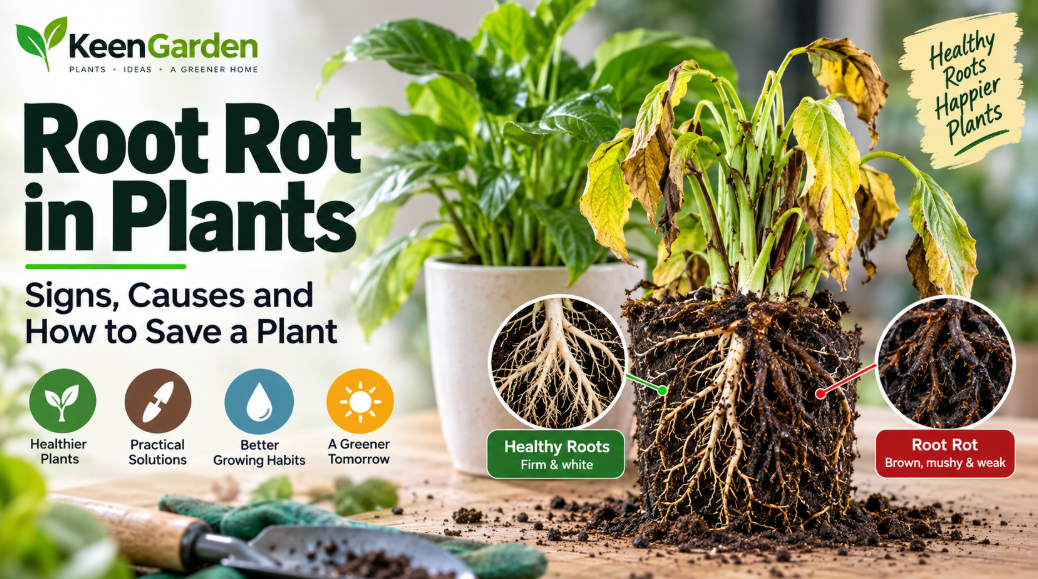
Keep soil consistently moist but not soggy for healthy lettuce. Water when the top inch of soil feels dry. Overwatering can lead to root rot and poor growth.
Yes, lettuce can grow year-round indoors with proper light and temperature. Maintain temperatures between 60-70°F for best growth. Use grow lights in winter for enough light.
Growing lettuce at home is simple and rewarding. Start with good soil and plenty of sunlight. Water your plants regularly but do not soak them. Watch your lettuce grow day by day. Harvest leaves when they are fresh and tender.
Enjoy fresh, healthy lettuce right from your garden. This small effort brings big benefits to your meals. Anyone can grow lettuce with a little care and patience. Try it and see how easy gardening can be.