Gardening Made Simple.
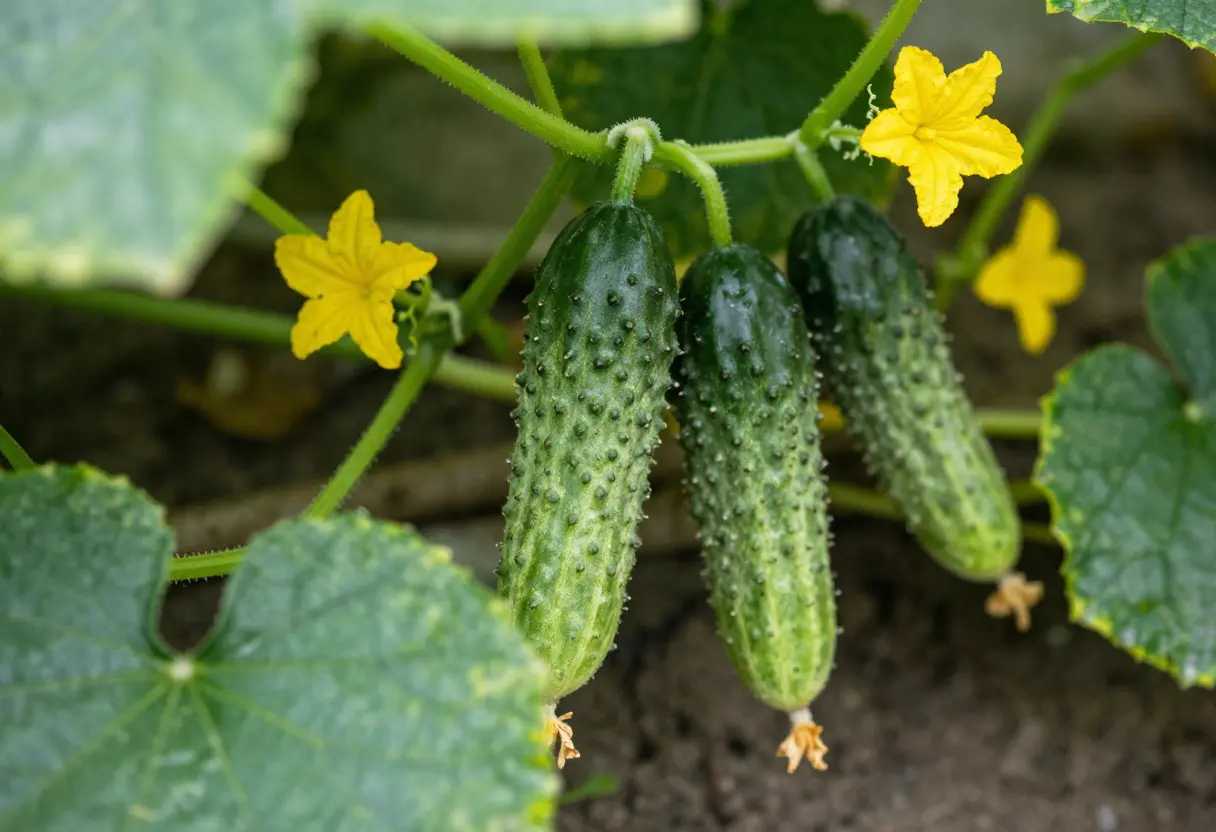
Are you ready to enjoy fresh, crunchy mini cucumbers right from your own garden? Learning How to Grow Mini Cucumbers is easier than you might think, and with the right care and simple techniques, you’ll be rewarded with healthy plants and a steady supply of delicious cucumbers all season long.
Imagine picking these small, tasty veggies just steps from your kitchen. In this guide, you’ll discover simple steps to grow healthy mini cucumbers that thrive, even if you’re new to gardening. Keep reading, and soon you’ll be on your way to harvesting these refreshing treats with confidence and ease.
Choosing the right variety is key to growing healthy mini cucumbers. Different types have unique flavors, sizes, and growing needs. Picking the best variety helps you get the best harvest. It also makes growing easier and more fun.
Mini cucumbers come in many types. Some are sweet and crunchy, perfect for fresh eating. Others have thin skin, making them easy to eat without peeling. Common types include 'Bush Slicer,' 'Spacemaster,' and 'Salad Bush.' Each type fits well in small gardens or containers. Choose a type that matches your taste and space.
Seeds grow best in certain climates. Warm climates suit most mini cucumber varieties. Cooler areas need types that mature quickly. Check seed packets for climate advice. Choose seeds that resist local pests and diseases. This helps your plants stay strong and healthy. Pick seeds that fit your weather for better results.
Preparing the soil is the first step to growing healthy mini cucumbers. Good soil helps plants grow strong and produce tasty cucumbers. It must have the right texture, nutrients, and pH level. Spend time preparing the soil well before planting. This effort will lead to better cucumber growth and yield.
Mini cucumbers grow best in loose, well-drained soil. Heavy clay or waterlogged soil can cause root problems. Sandy loam or loamy soil works well. The soil should allow water to drain but hold enough moisture. This balance helps roots absorb nutrients and water easily.
Add organic matter like compost or aged manure to enrich the soil. Organic matter improves soil structure and adds nutrients. Mix it into the top 6-8 inches of soil before planting. Fertile soil supports strong roots and healthy plants. Avoid fresh manure as it can burn young roots.
Mini cucumbers prefer a soil pH between 6.0 and 7.0. This range allows plants to absorb nutrients well. Test the soil pH using a simple kit from a garden center. If pH is too low, add lime to raise it. If pH is too high, add sulfur to lower it. Proper pH ensures better growth and fruit production.
Planting mini cucumbers is the first step to growing fresh, tasty cucumbers at home. Proper planting helps your plants grow strong and healthy. Pay attention to the right time, spacing, and seed starting methods. These details make a big difference in your garden’s success.
Plant mini cucumbers after the last frost date in your area. The soil should be warm, at least 70°F (21°C). Cold soil slows growth and can kill young plants. Choose a sunny spot for the best results. Mini cucumbers need full sun for at least 6 hours each day.
Plant seeds about 1 inch (2.5 cm) deep in the soil. Space seeds or seedlings 12 to 18 inches (30 to 45 cm) apart. This spacing gives each plant room to grow and spread. Proper spacing improves air circulation and reduces disease risks. Rows should be about 3 feet (90 cm) apart for easy access.
Start mini cucumber seeds indoors 3 to 4 weeks before planting outside. Use seed trays or small pots with seed-starting mix. Keep the soil moist but not wet. Place containers in a warm area with plenty of light. Harden off seedlings by slowly exposing them to outdoor conditions before transplanting.
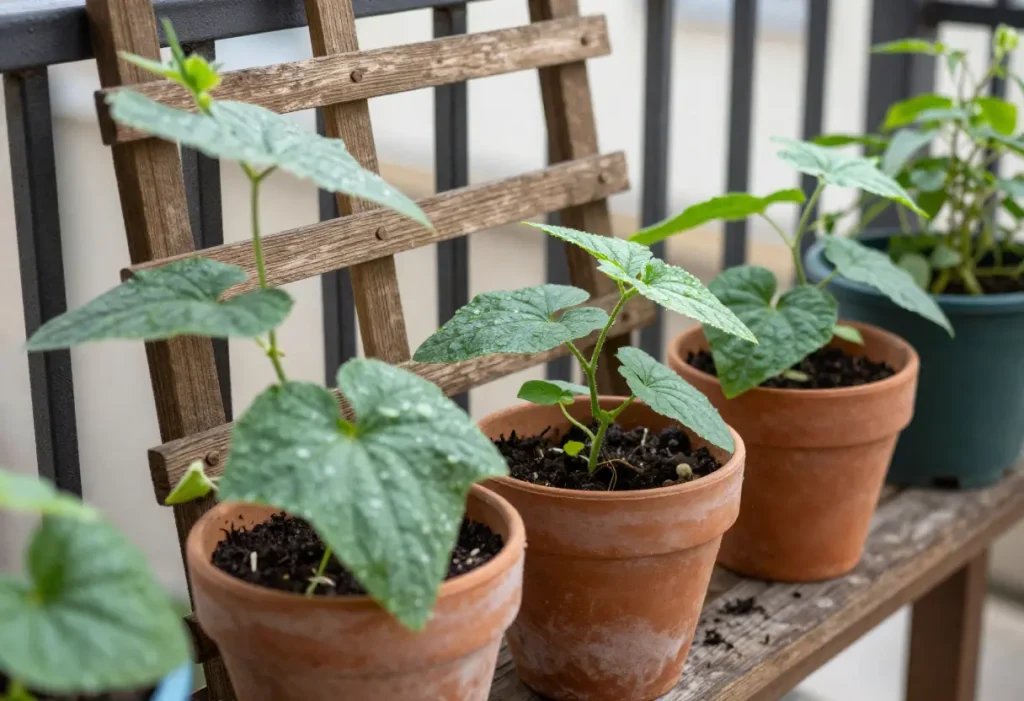
Watering and feeding mini cucumbers correctly helps plants grow strong and healthy. These plants need steady water and nutrients to produce crisp, tasty cucumbers. Too little water or food can slow growth. Too much can harm the plant. Follow the right care steps for best results.
Mini cucumbers need regular watering. Keep soil moist but not soggy. Water deeply once or twice a week. Early morning watering reduces leaf diseases. During hot weather, check soil daily. Adjust watering if soil feels dry an inch below surface.
Use balanced fertilizer with nitrogen, phosphorus, and potassium. Start feeding plants two weeks after planting. Apply fertilizer every 3-4 weeks during growing season. Slow-release fertilizers work well for steady nutrients. Avoid over-fertilizing, which can cause leaf growth over fruit.
Mulch keeps soil moist and cool. It reduces weeds that steal water and nutrients. Organic mulch also adds nutrients as it breaks down. Apply 2-3 inches of mulch around plants, keeping it away from stems. Mulching saves water and improves cucumber growth.
Supporting the vines of mini cucumbers helps the plants grow strong and healthy. Proper support keeps the vines off the ground. This reduces the chance of disease and makes harvesting easier. It also helps the fruits get enough sunlight and air.
Use a simple trellis to guide the cucumber vines upward. Vertical supports save space in small gardens. String, wire, or netting works well for the vines to climb. Tie the vines gently to the trellis with soft ties. Check the ties often to avoid hurting the plant. A-frame or teepee-shaped trellises provide good support and air flow.
Handle vines with care to avoid breaking stems. Support heavy fruit clusters to stop vines from bending. Use soft materials like cloth strips for tying. Keep the area around plants clean to prevent pests. Remove damaged or dead leaves quickly. Regular checks protect the vines from harm and keep plants strong.
Growing mini cucumbers can be fun and rewarding. Protecting your plants from pests and diseases keeps them healthy. This section explains how to manage common problems naturally and effectively. Healthy plants produce better fruit and grow faster. Let's explore ways to keep pests and diseases away.
Mini cucumber plants attract pests like aphids, cucumber beetles, and spider mites. These bugs feed on leaves and stems. They cause yellow spots and slow down plant growth. Watch plants daily for small insects or damaged leaves. Early detection helps stop pests before they spread.
Diseases like powdery mildew and bacterial wilt can harm mini cucumbers. Avoid wetting leaves when watering. Water at the base to keep foliage dry. Space plants properly to improve air flow. Remove dead or infected leaves quickly. Use clean tools to prevent spreading diseases.
Natural sprays like neem oil and insecticidal soap work well against pests. Introduce beneficial insects such as ladybugs to eat harmful bugs. Handpick large pests from plants. Use row covers to protect young plants. Rotate crops yearly to reduce soil diseases.
Harvesting mini cucumbers at the right time ensures the best taste and texture. Picking them too late can make cucumbers bitter and tough. Careful harvesting encourages the plant to produce more fruit. This section covers how to know when to pick, the best way to pick, and how to store mini cucumbers.
Mini cucumbers are ready when they reach 3 to 4 inches long. Their skin should be firm and dark green. Avoid cucumbers that look yellow or soft. Check them daily, as they grow fast. Small bumps on the skin are normal and show freshness.
Use clean scissors or garden shears to cut the cucumber from the vine. Cut the stem about half an inch above the cucumber. Pulling or twisting can damage the plant and reduce future yields. Handle cucumbers gently to avoid bruises. Harvest in the morning when temperatures are cooler.
Store mini cucumbers in the refrigerator to keep them fresh. Place them in a plastic bag with small holes for air circulation. Use cucumbers within one week for best flavor. Avoid washing before storage; wash only before eating. Keep them away from fruits like bananas that release ethylene gas.
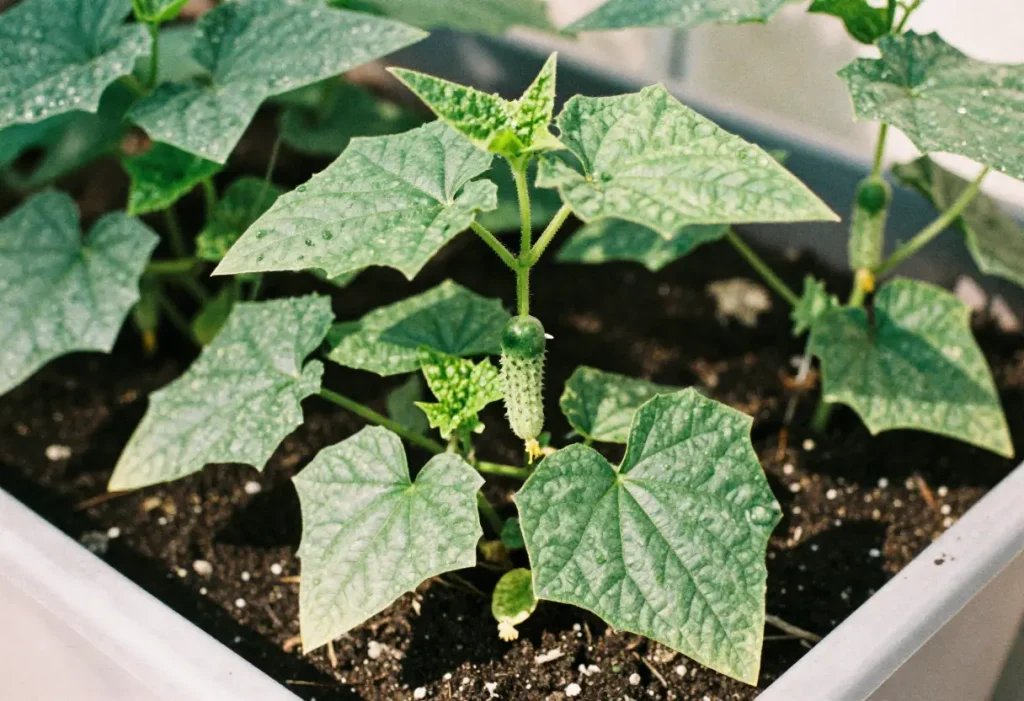
Mini cucumbers need at least 6 to 8 hours of sunlight daily. Full sun helps them grow strong and produce more fruit.
Well-drained, sandy or loamy soil with good organic matter is ideal. The soil should be slightly acidic to neutral, around pH 6. 0 to 7. 0.
How Often Should I Water Mini Cucumber Plants?
Mini cucumbers usually start producing fruit 50 to 60 days after planting. Regular harvesting encourages more fruit growth.
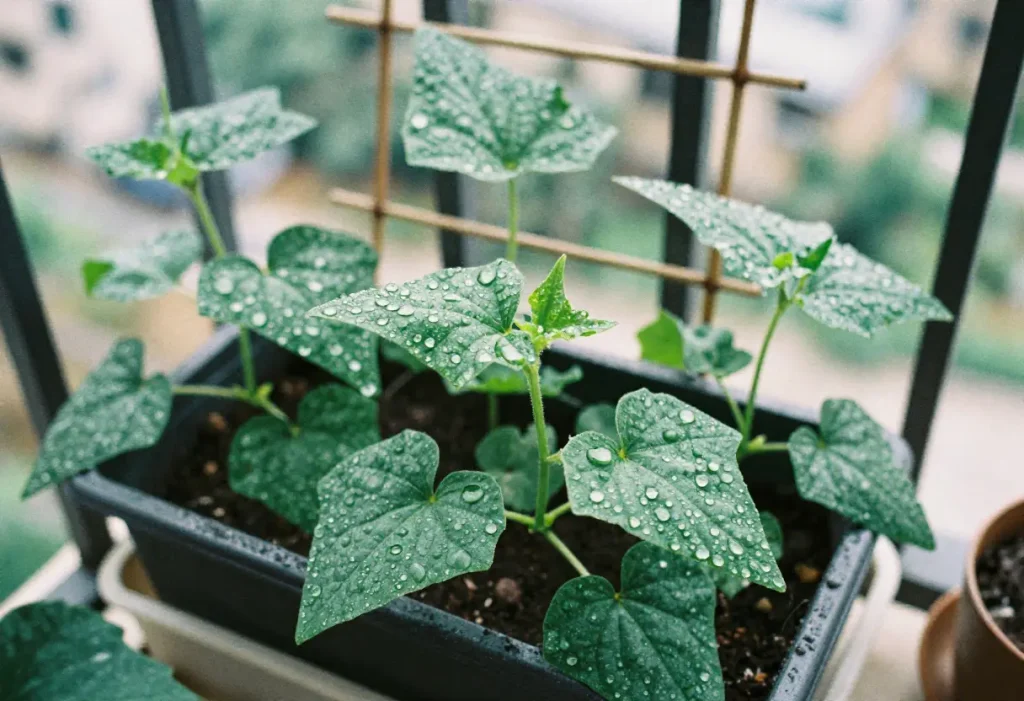
Yes, mini cucumbers grow well in containers at least 12 inches deep. Use good potting mix and provide support for the vines.
Growing mini cucumbers can be simple and fun. Start with good soil and plenty of sunlight. Water your plants regularly but avoid overwatering. Watch for pests and pick cucumbers often to help growth. Patience and care bring sweet rewards. Enjoy fresh, homegrown mini cucumbers in your meals.
Keep trying, and your garden will thrive. Small steps lead to a great harvest. Gardening brings joy and fresh food right to your home. Happy growing!