Gardening Made Simple.
How to Harvest Brussel Sprouts is an essential guide for gardeners who want the freshest, best-tasting harvest. If you're wondering how to harvest Brussel sprouts, picking them at the right time and using the proper technique will improve their flavor, texture, and overall quality. This guide explains when and how to harvest Brussels sprouts for the best results.
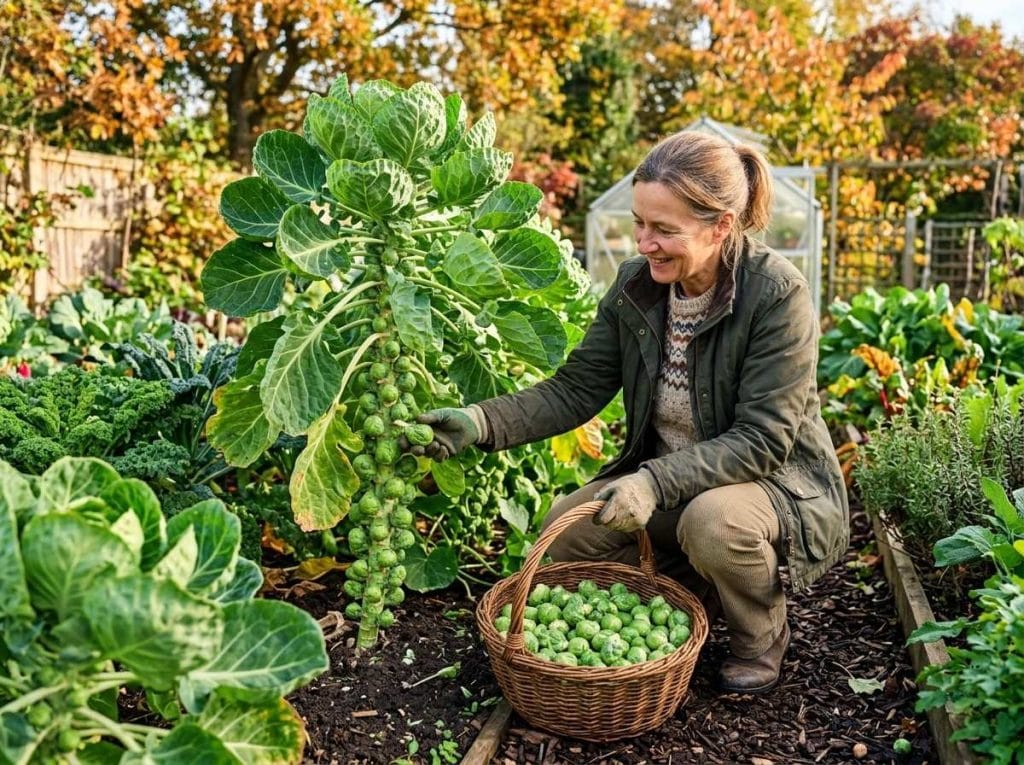
Picking them too early or too late can leave you with bitter or tough sprouts. In this guide, you’ll learn simple, effective steps to harvest your Brussels sprouts at the perfect time. By the end, you’ll feel confident to enjoy fresh, delicious sprouts straight from your garden.
Let’s dive in and make sure your hard work pays off with the best harvest possible!
Knowing the right time to harvest Brussels sprouts is key for the best taste and texture. Picking them too early or too late can affect their flavor and quality. This section helps you spot the signs and choose the ideal moment to harvest.
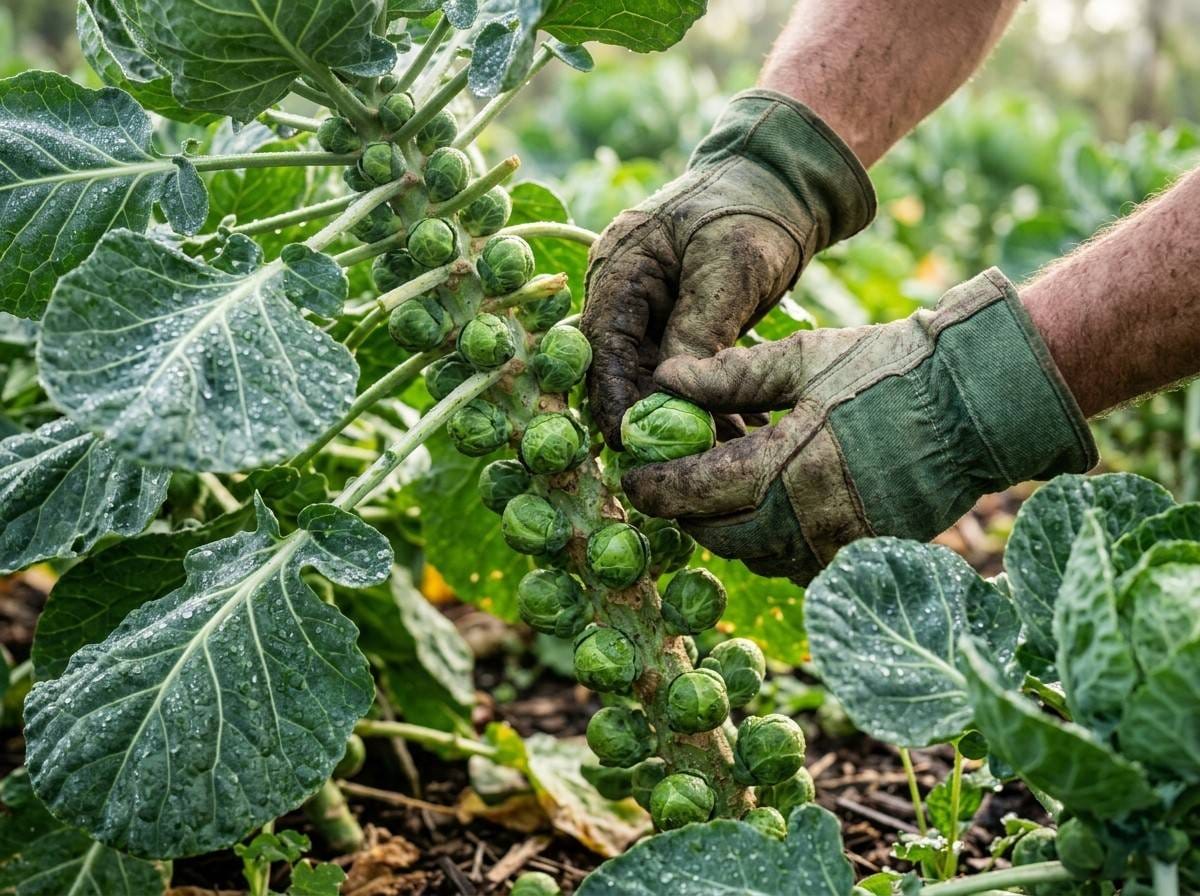
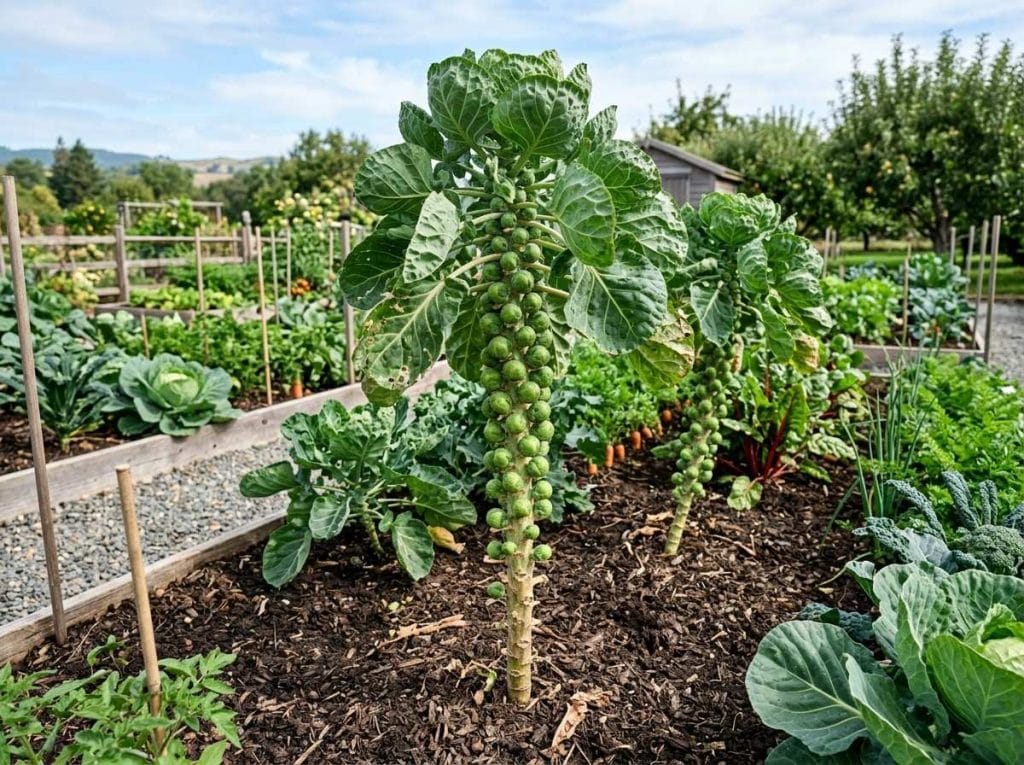
Brussels sprouts are ready when they reach about 1 to 2 inches in diameter. They should feel firm and tight. The leaves around the sprouts must be bright green and fresh. Yellow or loose leaves mean the sprouts are past their peak. Sprouts that look small or soft need more time to grow.
Harvest usually begins 3 to 4 months after planting. Cool weather improves the flavor, so harvest after the first frost if possible. Pick sprouts from the bottom of the stalk first. Continue harvesting upward as they mature. Regular picking encourages more growth and better quality.
Preparing for the harvest of Brussels sprouts is an important step to ensure the best quality and ease of picking. This stage helps you avoid damage to the plants and keeps the sprouts fresh. Taking some time to gather tools and follow safety tips makes the process smoother and safer.
Gather sharp garden scissors or a small knife for cutting sprouts. Use gloves to protect your hands from rough leaves and cold weather. A basket or container helps carry the harvested sprouts without bruising them. Having clean tools prevents plant disease and keeps sprouts healthy.
Wear gloves to avoid cuts and skin irritation from leaves. Be careful with sharp scissors or knives to prevent injuries. Work slowly and avoid rushing. Check the ground for slippery spots or obstacles to prevent falls. Keep children and pets away from the work area for safety.
Harvesting Brussels sprouts correctly helps keep them fresh and tasty. Different methods suit different garden sizes and needs. Choose the best way for your plants and schedule.
Below are two simple techniques to gather Brussels sprouts effectively. Each method has its benefits and fits various growing situations.
Pick sprouts from the bottom of the stalk first. These sprouts mature earlier than the top ones. Use your hands or a small knife to cut them off gently. Hold the stalk steady to avoid damage. Regular picking encourages new sprouts to grow higher up.
This method lets you harvest over time. It also keeps the plant healthy and productive. Ideal for small gardens or when you want fresh sprouts often.
Cut the entire stalk when most sprouts look ready. Use a sharp knife at the base near the soil. This method suits larger gardens or late-season harvests. It saves time by collecting all sprouts at once.
After cutting, remove leaves and store sprouts in cool places. This way, you can enjoy many sprouts at once. It also prepares the garden for the next planting cycle.
Proper post-harvest handling keeps Brussels sprouts fresh and tasty. Careful steps after picking help maintain their quality. Follow simple methods to clean and store them well.
Start by rinsing Brussels sprouts in cool water. Remove any dirt or insects gently. Trim the stem ends to remove brown spots. Remove yellow or damaged outer leaves. Pat them dry with a clean cloth or paper towel. Clean sprouts last longer and taste better.
Store Brussels sprouts in a plastic bag with holes. Keep them in the refrigerator’s vegetable drawer. They stay fresh for about one to two weeks. Avoid washing before storage to prevent moisture buildup. For longer storage, freeze sprouts after blanching them. Proper storage preserves flavor and nutrients well.
Harvesting Brussels sprouts can be tricky if problems arise. Common issues like pests and damage can affect your crop. Identifying and fixing these problems early helps keep your sprouts healthy. Here are some easy ways to handle common troubles during harvest.
Pests such as aphids and caterpillars often attack Brussels sprouts. These bugs suck the plant’s juices or eat the leaves and sprouts. Check plants regularly for small insects or holes in leaves. Spray water to knock off pests or use insecticidal soap for control. Introducing ladybugs can reduce aphid populations naturally. Keep your garden clean to avoid pest buildup.
Sprouts can get damaged by weather, animals, or rough handling. Strong winds may break stalks or bruise the sprouts. Use stakes to support tall plants in windy areas. Birds and small animals may peck at the sprouts. Cover plants with netting or row covers to protect them. Handle sprouts gently during harvest to avoid bruising. Cut sprouts carefully from the stalk with a sharp knife.
Maximizing future yields of Brussels sprouts depends on good care after harvest. The soil and planting choices play a big role in growing healthy plants next season. Taking simple steps can keep your garden productive year after year.
Remove all old plant debris from the soil. This helps stop pests and diseases from staying in the garden. Loosen the soil lightly to improve air and water flow. Add compost or well-rotted manure to return nutrients to the soil. Avoid using fresh manure as it can burn plants. Test the soil pH to keep it near 6.5, which suits Brussels sprouts well. Cover the soil with mulch to protect it during colder months.
Do not plant Brussels sprouts in the same spot each year. Rotate with plants from different families, like beans or carrots. This reduces the chance of soil diseases and pests. Avoid planting other brassicas, like cabbage or kale, in the same area soon. Plan a 3-4 year rotation cycle to keep soil healthy. Crop rotation helps keep nutrients balanced in the soil. It also improves the quality and size of future Brussels sprouts.
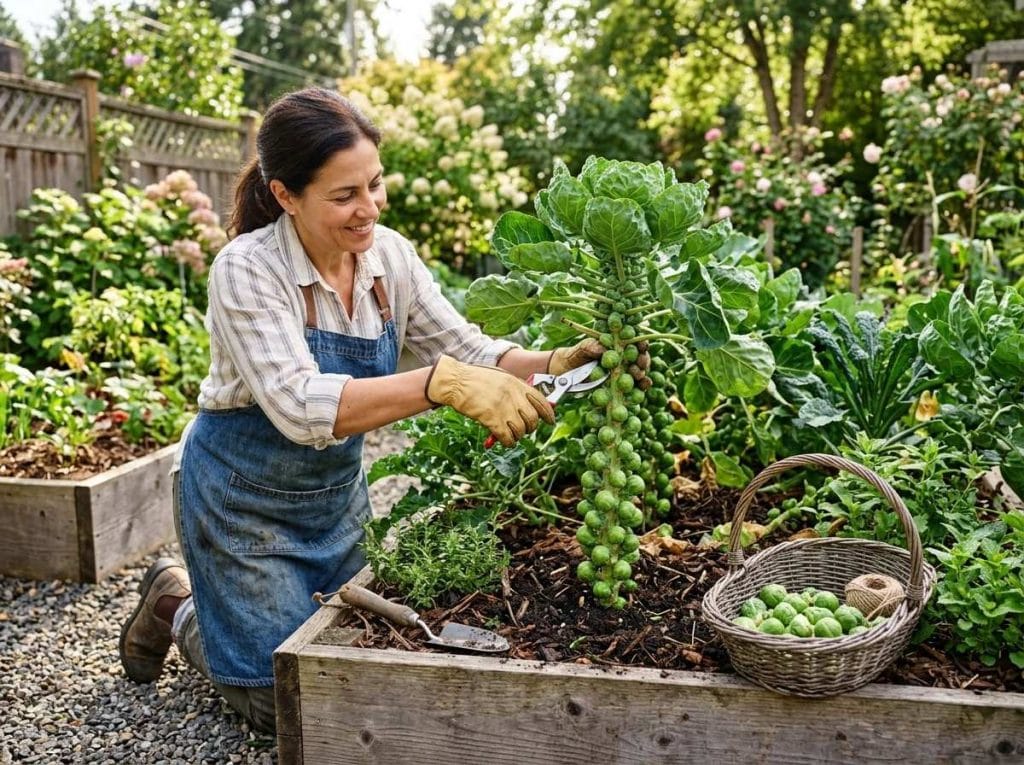
Brussel sprouts are ready when they are firm and about 1 to 2 inches wide.
Harvest Brussel sprouts in the morning for the freshest taste and longer shelf life.
Pick sprouts gradually, starting from the bottom of the stalk upward as they mature.
Use a sharp knife to cut sprouts close to the stalk without damaging the plant.
Yes, frost can improve their flavor; harvest them soon after the first frost occurs.
Harvesting Brussels sprouts takes patience and care. Pick the sprouts when they are firm and green. Start from the bottom of the stalk and work your way up. Check your plants often to catch the best time. Freshly picked sprouts taste sweeter and cook better.
Store them in a cool place to keep them fresh. Growing your own sprouts can be fun and rewarding. Enjoy the fruits of your work with delicious meals. Simple steps lead to a healthy and tasty harvest. Keep practicing and your garden will thrive.