Gardening Made Simple.
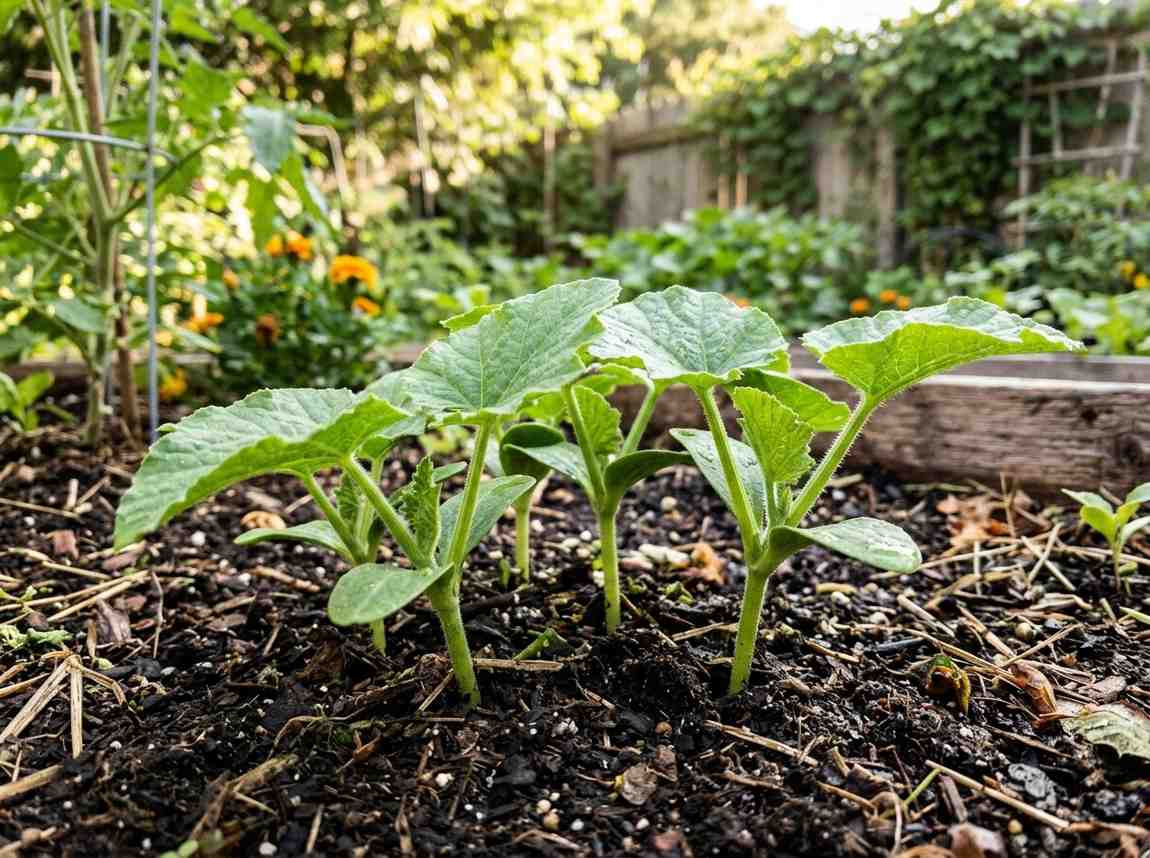
Growing your own acorn squash can be more rewarding than you might expect. This versatile vegetable is not only tasty, but it’s also easy to grow even if you’re new to gardening. With the right steps, you can enjoy a harvest of acorn squash from your backyard or even a container garden.
This guide will show you how to plant acorn squash successfully, from choosing seeds to enjoying your first harvest. Along the way, you’ll discover practical tips, real-life examples, and a few insights that most beginners miss.
Acorn squash is a type of winter squash. Unlike summer squash, it’s harvested when mature and has a hard shell. The squash gets its name because it looks like a big acorn, usually dark green with yellow or orange patches. Acorn squash is loved for its sweet, nutty flavor and soft texture when cooked.
You can use acorn squash in many dishes, such as roasting, soups, or stuffing. It’s also packed with nutrients, including vitamin C, potassium, and fiber. One cup of cooked acorn squash contains about 40 calories and 9 grams of carbohydrates.
Before you start planting, you need to pick the right acorn squash seeds. Most seed packets will list the variety and growing information. Some common varieties include:
Each variety has its own taste and color. For example, Table King produces dark green squash, while Golden Acorn is yellow. If you live in a cooler area, choose a variety that matures quickly (about 70–80 days).
Always buy seeds from a reliable supplier. Look for fresh seeds; older seeds may have low germination rates. If you save seeds from last year’s crop, make sure they are dry and stored in a cool place.
Acorn squash needs warm soil to grow well. Plant seeds after the last frost, when the soil is at least 60°F (16°C). In most parts of the US, this means late April to early June.
If you start seeds indoors, do it 2–4 weeks before the last frost. Transplant them outside when seedlings have two strong leaves and temperatures stay above 60°F.
Healthy soil is the foundation for strong acorn squash plants. These squash prefer well-drained soil with a pH between 6.0 and 6.8. They also need rich, loose soil so their roots can spread easily.
Acorn squash is sensitive to soggy soil. If your garden is prone to waterlogging, plant in raised beds or mounds.
Acorn squash plants are heavy feeders. They need nitrogen for leaves, phosphorus for roots, and potassium for fruit. Before planting, add a balanced fertilizer (10-10-10) at 1–2 pounds per 100 square feet.
Here's a comparison of soil amendments:
| Amendment | Main Benefit | Application Rate |
|---|---|---|
| Compost | Nutrient boost | 2–3 inches over soil |
| Manure | Improves texture | 1–2 inches, well-rotted |
| Lime | Raises pH | Use per test results |
| Sulfur | Lowers pH | Use per test results |
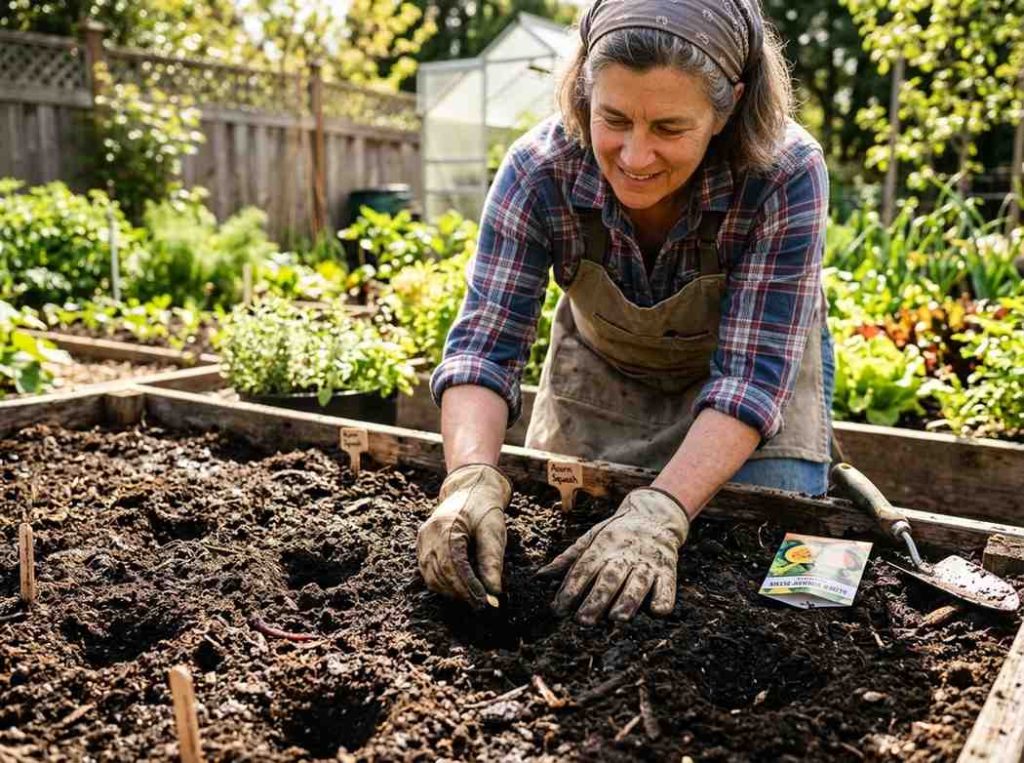
Now you’re ready to plant. Acorn squash can be direct-seeded outdoors or started indoors.
After seedlings emerge (7–10 days), thin them to leave the 2 strongest plants per mound. This prevents crowding.
If your growing season is short, start seeds indoors:
Transplant carefully. Acorn squash roots do not like being disturbed.
Acorn squash can grow in large containers. Choose pots at least 18 inches deep and wide. Use rich potting soil and plant 2–3 seeds per pot, thinning to 1–2 plants after sprouting.
Acorn squash needs full sun—at least 6–8 hours per day. Choose a sunny spot with good air flow.
Spacing is important. Crowded plants will compete for light and nutrients, leading to poor fruit.
Here’s a spacing comparison for different planting methods:
| Method | Plant Spacing | Row Spacing |
|---|---|---|
| Mounds/Hills | 2 plants per mound | 3–4 feet between mounds |
| Rows | 2–3 feet between plants | 4–6 feet between rows |
| Containers | 1–2 plants per pot | N/A |
Water is crucial, especially during early growth and fruit development. Acorn squash needs about 1–1.5 inches of water per week.
During dry spells, check soil daily. If the top 2 inches are dry, water again.
Many beginners overwater or underwater. Drooping leaves may mean too much water or too little. Always check soil moisture before watering.
Acorn squash grows fast and needs regular feeding. Fertilize at planting, then again when plants are 8–12 inches tall.
Avoid too much nitrogen. It makes leaves grow but reduces fruit.
Apply fertilizer at the base, not on leaves. Water after fertilizing.
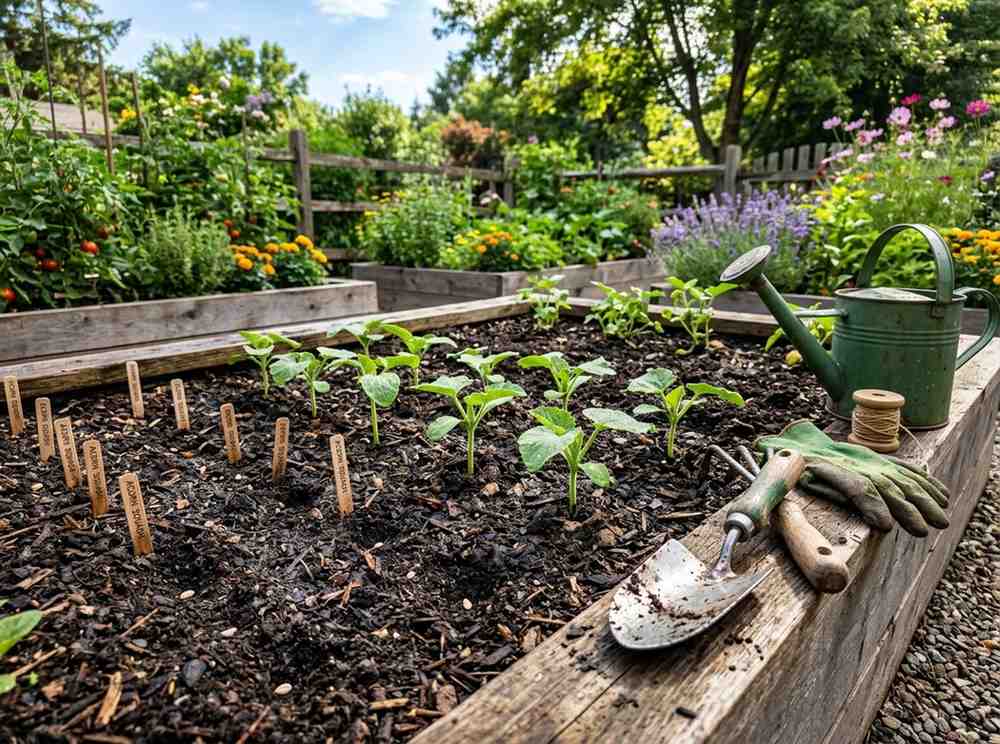
Mulching is a simple way to keep soil moist and stop weeds. Use organic mulch like straw, wood chips, or dried leaves.
Spread mulch 2–3 inches deep around plants but keep it away from stems to avoid rot.
Weed regularly. Weeds steal nutrients and water. Pull weeds by hand or use a hoe, but don’t disturb roots.
Acorn squash vines can spread far. If space is tight, you can grow them vertically using supports.
Vertical growing improves air flow and reduces disease.
Acorn squash has both male and female flowers. Bees and insects pollinate them. If you see flowers but no fruit, pollination might be weak.
Hand pollination can help. Use a small brush to transfer pollen from male to female flowers.
Here’s a quick guide to flower types:
| Flower Type | Appearance | Role |
|---|---|---|
| Male | Thin stem, lots of pollen | Provides pollen |
| Female | Bulge under flower | Becomes fruit |
Squash plants attract pests and diseases. Early prevention is key.
Hand-pick bugs or spray with insecticidal soap. For heavy infestations, use neem oil. Encourage natural predators like ladybugs.
Keep plants healthy by spacing them well and removing old leaves.
Many beginners miss signs of early pest damage. Check under leaves regularly. Also, rotate crops each year—plant squash in a new spot to prevent soil diseases.
Beginners often forget to thin seedlings. Crowded plants mean fewer squash. Always thin to strongest plants.
Acorn squash is ready to harvest about 80–100 days after planting. Look for:
Cut squash from the vine with a sharp knife, leaving a short stem. Handle gently to avoid bruising.
Don’t harvest too early. Immature squash lacks flavor and stores poorly.
Acorn squash stores well for 2–3 months in a cool, dry place. Cure squash for 7–10 days at room temperature before storing.
Avoid storing in the fridge; it shortens shelf life.
Acorn squash is great for roasting, stuffing, or soups. Slice in half, remove seeds, and bake with butter and spices.
You can also steam, sauté, or microwave it. The skin is edible but tough; most people peel before eating.
These small steps can improve your harvest and reduce problems.
Even experienced gardeners face issues with acorn squash. Here are a few solutions:
If you see unusual symptoms, research or ask local experts. Sometimes weather or soil issues cause problems beyond your control.
Acorn squash isn’t the only winter squash. But how does it compare to others?
| Squash Type | Maturity Days | Flavor | Storage |
|---|---|---|---|
| Acorn | 80–100 | Sweet, nutty | 2–3 months |
| Butternut | 90–120 | Rich, creamy | 4–6 months |
| Spaghetti | 90–100 | Mild | 2–3 months |
| Delicata | 80–100 | Sweet, soft | 1–2 months |
Acorn squash is faster to mature than butternut and easier to grow in small spaces.
A healthy plant produces 4–7 squash per season. In ideal conditions, you can expect:
Yield depends on soil, water, and pest control.
Tom, a gardener in Ohio, planted acorn squash for the first time. He followed basic steps—good soil, full sun, and regular watering. He harvested six squash from three plants, enough for several meals.
His biggest challenge was squash bugs. By checking leaves early and hand-picking bugs, he kept plants healthy.
If you want more details or help with squash diseases, visit University of Minnesota Extension.

Acorn squash takes about 80–100 days from planting to harvest. If you start seeds indoors, add 2–4 weeks for transplanting. Check maturity days on your seed packet.
Yes, acorn squash grows well in large containers. Use pots at least 18 inches deep and wide. Provide full sun and rich soil. Thin to 1–2 plants per pot for best results.
Water deeply, aiming for 1–1.5 inches per week. Use mulch to keep soil moist. Avoid wetting leaves; focus on soil around the base. Check soil moisture often during hot weather.
Harvest when the skin is hard and dark green, and the stem turns dry. The squash should be 4–7 inches long and resist scratching. Cut with a knife, leaving a short stem.
Common issues include squash bugs, powdery mildew, and poor pollination. Crowded plants can produce small squash. Overwatering leads to root rot. Regular checks and good care prevent most problems.
Growing acorn squash is simple with the right steps. Whether you’re planting in a garden or a container, you can enjoy a fresh harvest with a little patience and attention. Try these tips and enjoy the taste of homegrown squash in your kitchen.