Gardening Made Simple.
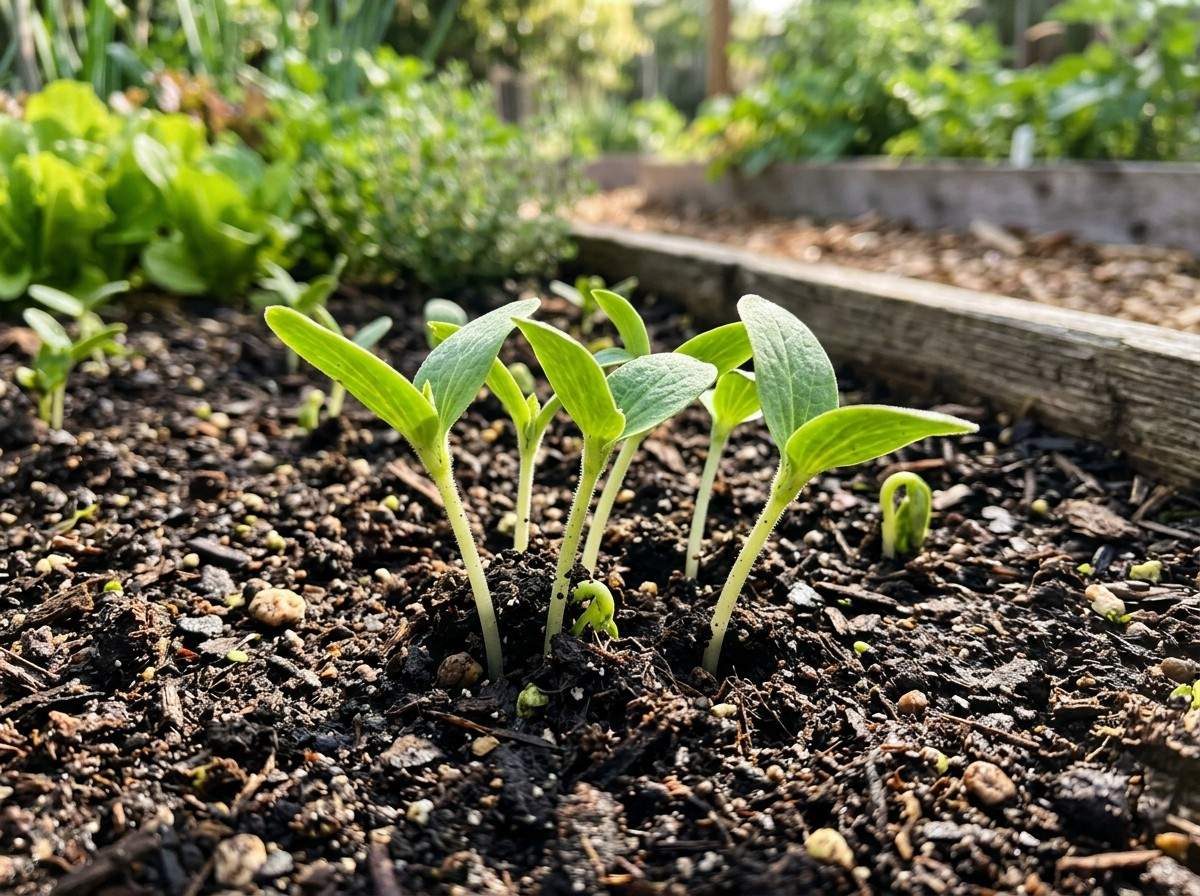
Planting spaghetti squash seeds is a rewarding project for gardeners of all skill levels. This squash, known for its stringy, pasta-like flesh, offers a healthy alternative to traditional noodles and thrives in many home gardens. Learning How to Plant Spaghetti Squash Seeds is essential for growing strong, productive plants and enjoying a successful harvest from seed to table.
Whether you have a large backyard or a small patch of soil, you can enjoy fresh, home-grown squash with the right approach. Let’s explore the steps, tips, and insights you need to plant spaghetti squash seeds successfully.
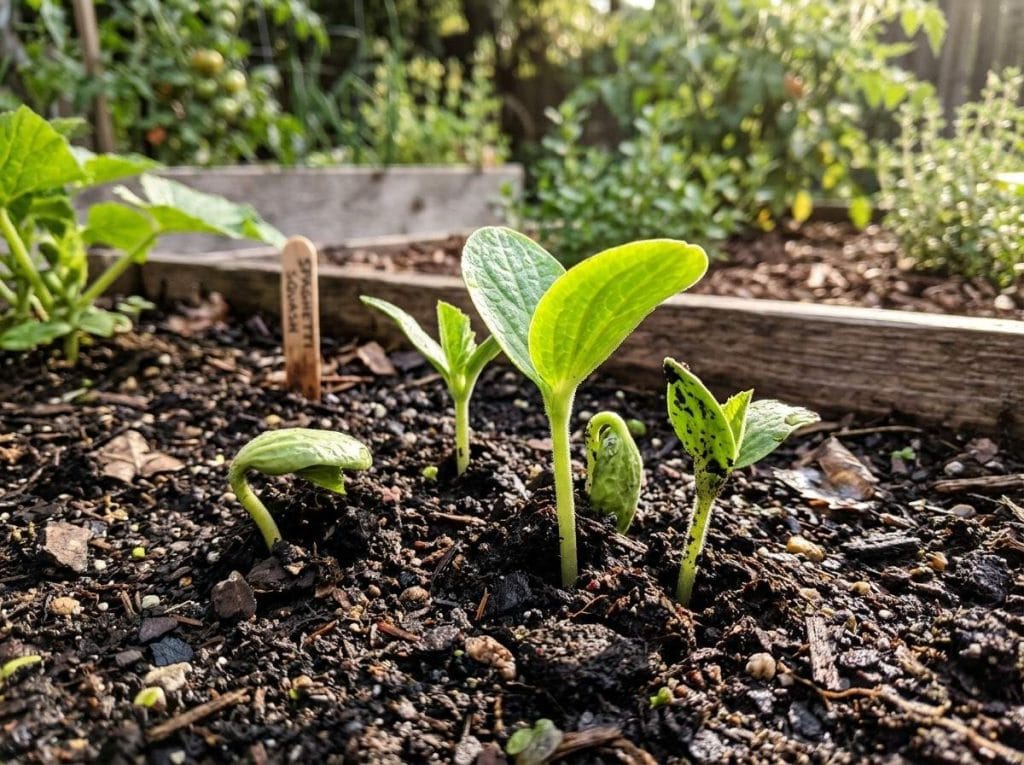
Spaghetti squash is a type of winter squash, prized for its unique texture and mild flavor. When cooked, the flesh separates into strands that resemble spaghetti, making it a favorite for low-carb meals. This squash grows on sprawling vines and produces fruits ranging from 2 to 5 pounds.
This squash is native to North America, and its popularity has grown because it’s easy to prepare and store. Spaghetti squash is not only tasty but also packed with nutrients like vitamin C, potassium, and fiber.
Selecting high-quality spaghetti squash seeds is a crucial first step. The seeds you choose will affect your plant’s vigor, yield, and disease resistance.
To help you select, here’s a comparison of three common spaghetti squash varieties:
| Variety | Days to Maturity | Fruit Size | Disease Resistance |
|---|---|---|---|
| Vegetable Spaghetti | 100 | 2–3 lbs | Moderate |
| Tivoli | 90 | 2–4 lbs | High |
| Hasta La Pasta | 95 | 3–5 lbs | Moderate |
For beginners, ‘Tivoli’ is a strong choice because it matures quickly and tolerates disease well.
Spaghetti squash needs space, sun, and healthy soil. Preparing the right environment sets your plants up for success.
The soil should be loose, rich, and well-drained. Spaghetti squash dislikes heavy clay or overly sandy soils.
Here’s how different amendments affect squash growth:
| Amendment | Purpose | Application Rate |
|---|---|---|
| Compost | Adds nutrients, improves structure | 2–3 inches |
| Sand | Improves drainage | 1–2 inches |
| Manure | Boosts fertility | 1 inch (aged only) |
A common mistake is using fresh manure, which can burn plants. Only use well-aged manure.
Timing is essential for healthy squash plants. Spaghetti squash is sensitive to cold, and seeds won’t sprout in chilly soil.
If you plant too early, cold soil can rot seeds or stunt growth. Too late, and the squash may not mature before frost.
Planting spaghetti squash seeds is simple, but proper technique improves your chances.
Spaghetti squash seeds usually sprout in 7–10 days if the soil is warm. If temperatures dip, sprouting may take longer.
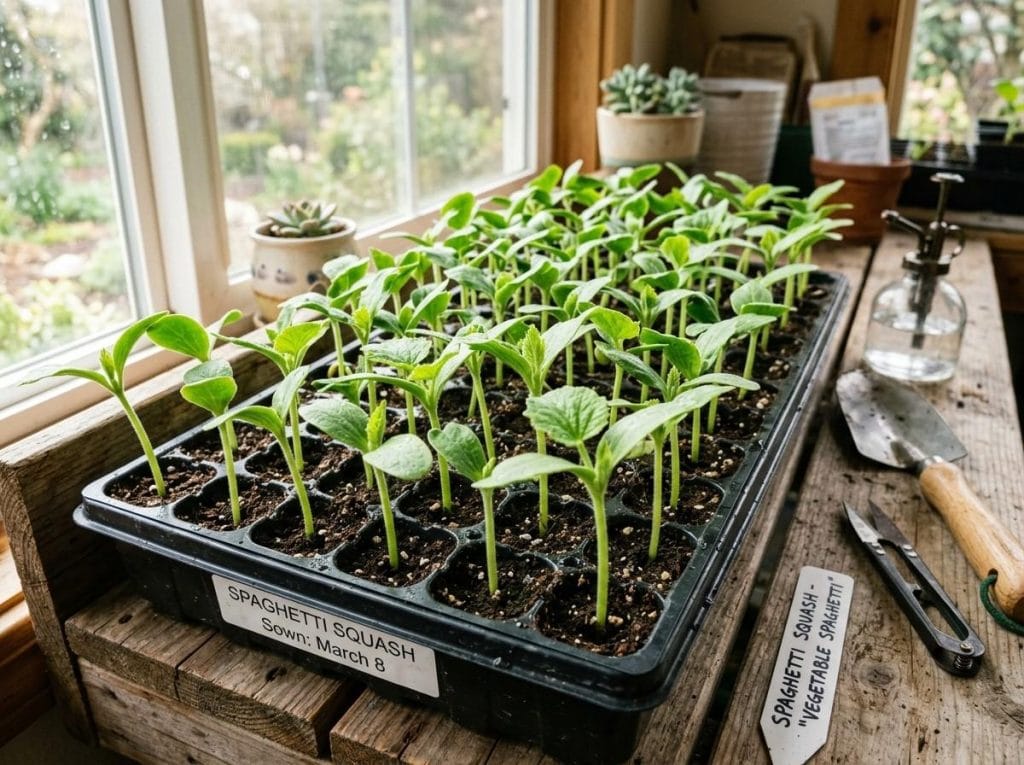
If you want to start seeds indoors, use peat pots or seed trays.
Once your seeds sprout, proper care is vital. Early mistakes can lead to weak plants or poor harvests.
After seedlings are 2–3 inches tall, thin each mound to the strongest 1 or 2 plants. This ensures each plant has enough space and nutrients.
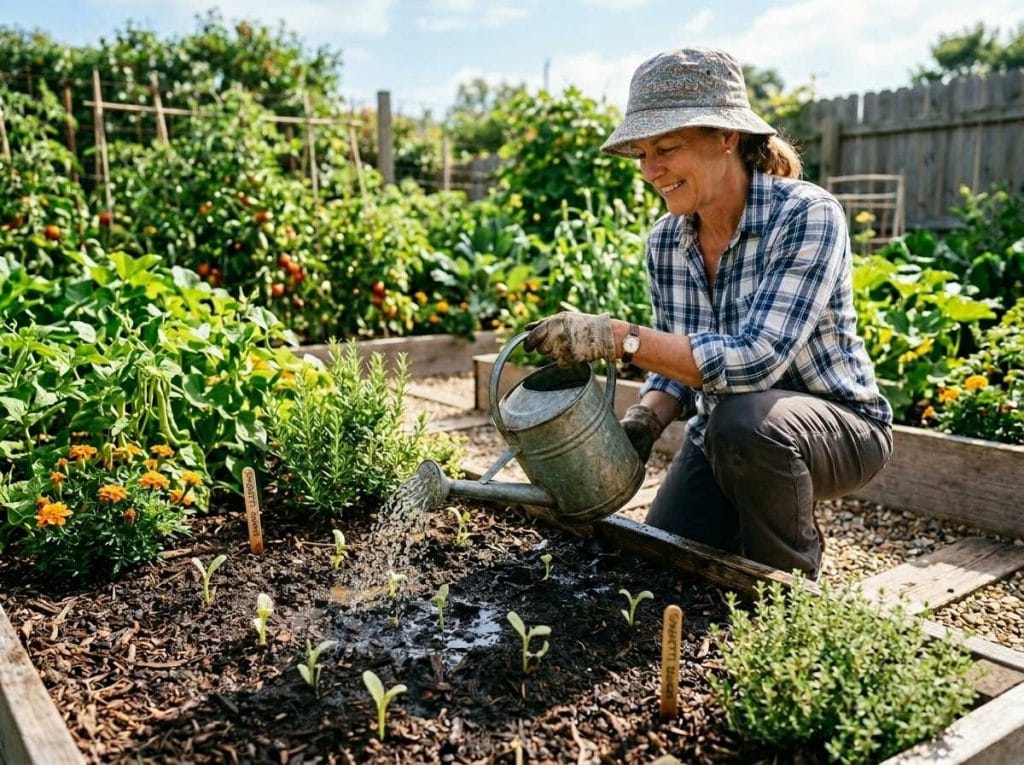
Spaghetti squash needs consistent moisture, especially during flowering and fruit set.
Overwatering can cause root rot. Underwatering slows growth and reduces yield.
Squash is a heavy feeder. Feed plants as follows:
Common pests include squash bugs, cucumber beetles, and aphids. Diseases like powdery mildew and mosaic virus can also affect plants.
If you spot pests, remove them by hand or use insecticidal soap.
Spaghetti squash vines grow quickly and can sprawl across your garden. Managing growth helps maximize space and reduce problems.
While squash usually grows on the ground, you can train vines vertically with a trellis.
Vertical growing saves space and increases air circulation, which reduces disease risk.
Mulch keeps soil moist, suppresses weeds, and prevents soil splashing onto fruits.
Mulching is often overlooked by beginners but can improve yields and reduce maintenance.
Spaghetti squash plants produce separate male and female flowers. Pollination is needed for fruit to develop.
Bees and other insects usually handle pollination. If fruit doesn’t set, you may need to hand-pollinate.
Hand-pollination is useful if you notice poor fruit set or few bees.
From sprouting to harvest, spaghetti squash needs attention. Here’s how to keep your plants thriving through the season.
Check plants weekly for:
Early intervention is key. Remove affected leaves and treat problems promptly.
Squash can use extra nutrients as fruits develop. Side-dress plants with compost or a phosphorus-rich fertilizer.
Knowing when and how to harvest is crucial for flavor and storage.
Cure squash in a warm, dry place for 7–10 days to improve storage life. Store at 50–60°F (10–16°C) in a dark, dry area. Properly cured squash lasts up to 3 months.
After harvesting, storing spaghetti squash correctly keeps it fresh and tasty.
| Storage Method | Temperature | Expected Shelf Life |
|---|---|---|
| Room temperature | 68–72°F | 1–2 weeks |
| Cool storage | 50–60°F | 2–3 months |
| Refrigerator (cut) | 35–40°F | 3–5 days |
Never store squash in damp or cold conditions below 50°F for long periods, as this can cause rot.
Growing spaghetti squash is straightforward, but small changes can boost your results.
A gardener in Ohio planted ‘Tivoli’ spaghetti squash seeds after the last frost. They prepared raised beds, added compost, and mulched with straw. By mid-season, they noticed poor fruit set and few bees, so they started hand-pollinating. At harvest, they had 20 healthy squashes from 6 plants, enough for months of meals. Their key insight: regular monitoring and early intervention make the difference.
Spaghetti squash is easy to grow organically. Use compost, natural pest controls, and rotate crops for healthy plants.
For more in-depth sustainable gardening strategies, see the Garden Organic website.
Spaghetti squash grows best in loamy, well-drained soil with a pH between 6.0 and 6.8. Adding compost improves nutrient content and structure.
Plant seeds about 1 inch deep in the soil. Planting too shallow can dry out seeds; too deep can delay sprouting.
Seeds usually germinate in 7–10 days if the soil is warm (above 60°F). Cooler temperatures slow sprouting.
Yes, but choose a large container (at least 15 gallons) and provide a trellis. Container plants need extra water and fertilizer.
Low fruit set can result from poor pollination, too much nitrogen fertilizer, or lack of sunlight. Hand-pollinate if bees are scarce and check nutrient balance.
Growing spaghetti squash from seed is simple with the right preparation and care. Enjoy the process and look forward to healthy, home-grown squash on your table. With these steps, you can plant, grow, and harvest spaghetti squash successfully—even in your first season.