Gardening Made Simple.
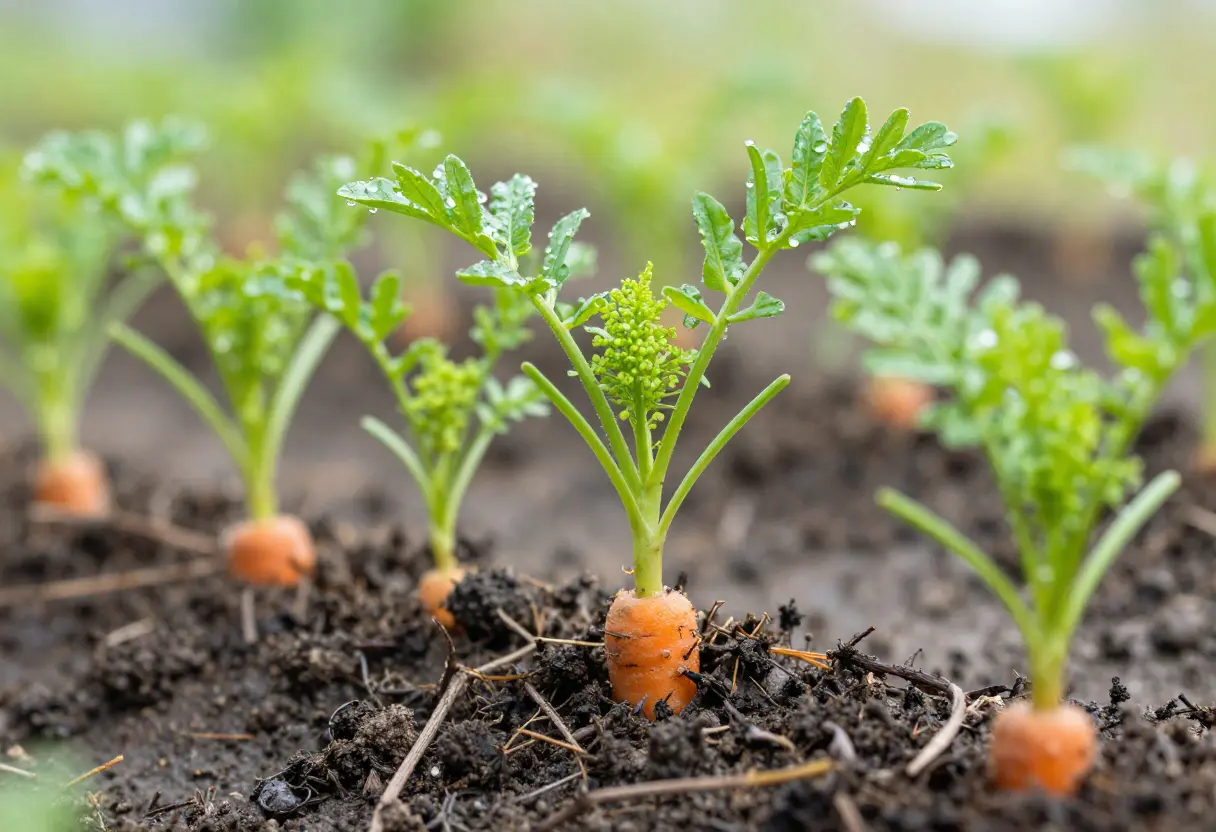
Are you ready to grow sweet, crunchy carrots right in your garden? Planting carrots from seedlings can be easier and faster than starting from seeds.
Imagine pulling fresh, vibrant carrots from your soil—no store trips needed. In this guide, you’ll discover simple steps to get your carrot seedlings thriving and learn how to care for them so your harvest is bountiful. Keep reading, and you’ll soon enjoy the satisfaction of homegrown carrots, packed with flavor and goodness.
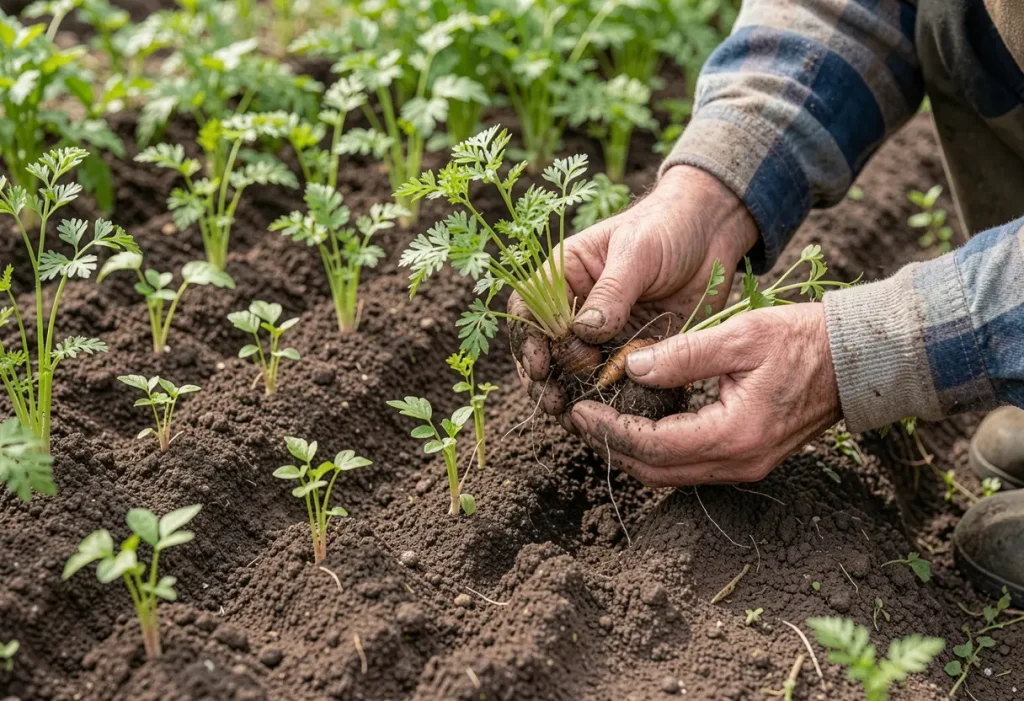
Choosing the right carrot varieties is key for a healthy garden. Different types grow better in certain conditions. Picking the right variety helps you get good carrots every time. This section explains which carrots work best from seedlings and what to think about for your climate and soil.
Some carrot types grow well from seedlings. Nantes carrots are sweet and tender. They have a smooth texture and grow quickly. Danvers carrots are strong and grow in many soils. They have a classic carrot shape and good flavor. Imperator carrots are long and thin. They need more care but give big roots. Choose these if you want early harvest and easy growth.
Carrots like cool weather and loose soil. Sandy or loamy soil works best for root growth. Clay soil can make carrots tough and misshaped. Cool climates help carrots stay sweet and crisp. Hot weather can cause carrots to grow tough and bitter. Choose varieties that match your local weather and soil type. This choice helps seedlings grow strong and healthy.
Preparing the soil is the first step to growing healthy carrots from seedlings. Good soil helps seedlings grow strong roots and healthy tops. Carrots need loose, rich soil to develop straight and tasty roots. Taking time to prepare the soil well makes a big difference in the garden.
Carrots prefer sandy or loamy soil. This type of soil drains water well and stays loose. Heavy clay soil can stop roots from growing properly. The soil should not be too hard or sticky.
The ideal pH for carrots is between 6.0 and 6.8. Slightly acidic to neutral soil helps carrots absorb nutrients. Test the soil pH with a kit before planting. Adjust the pH by adding lime to raise it or sulfur to lower it.
Carrots need nutrients to grow strong and healthy. Add compost or well-rotted manure to the soil. These organic materials improve soil texture and add nutrients.
Avoid fresh manure as it can cause roots to fork or grow poorly. Mix the amendments deeply into the soil. This feeds the seedlings and helps roots grow straight.
Selecting healthy carrot seedlings is the first step to a strong garden. Good seedlings grow faster and resist disease. Choosing the right plants saves time and effort later. It helps produce a bigger, better harvest.
Watch for certain signs to find strong seedlings. Also, source them from trusted places to avoid problems. This guide helps you pick the best carrot seedlings for planting.
Strong seedlings have bright green leaves. They look fresh and stand upright. Avoid plants with yellow or brown spots. The stems should be thick and firm. Healthy roots look white and spread out. Weak or thin roots mean poor growth. Seedlings that grow slowly or look wilted need skipping. Choose plants with no signs of bugs or damage.
Buy seedlings from local nurseries or garden centers. They usually have plants suited to your climate. Farmers markets can also offer fresh seedlings. Ask staff about the plant’s health and care. Avoid plants in crowded or dirty trays. Online stores can be good but check reviews first. Growing your own seedlings from seed is an option too. This gives full control over plant health.
Planting techniques for carrots from seedlings help ensure strong growth and good yields. Proper care during planting sets the stage for healthy roots and crisp carrots. Focus on the right spacing and depth to give each seedling room to grow. Follow clear steps when transplanting seedlings into your garden bed.
These simple methods reduce stress on young plants. They help seedlings adapt quickly to outdoor conditions. Careful planting leads to better survival rates and bigger carrots in your harvest.
Plant carrot seedlings about 2 to 3 inches apart. This space lets roots expand without crowding. Rows should be 12 to 18 inches apart for easy access and air flow.
Set seedlings at the same soil depth they grew in the nursery. Planting too deep or too shallow can harm growth. Firm soil gently around roots to remove air pockets.
Water seedlings well before transplanting. This keeps roots moist and reduces shock. Dig small holes matching the root size of each seedling.
Carefully lift seedlings from trays to avoid root damage. Place each seedling in its hole and cover roots with soil. Press soil lightly to secure plants in place.
Water seedlings again after planting. Keep soil moist until plants establish. Avoid strong sun or wind for a few days to protect young seedlings.
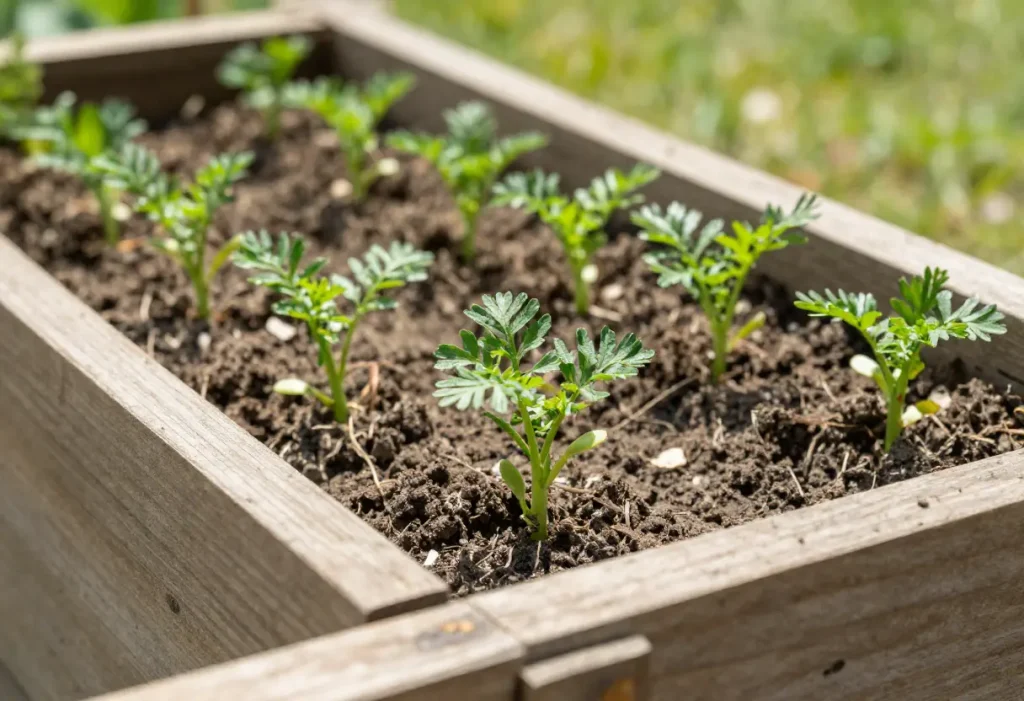
Watering and fertilizing are key to growing healthy carrot seedlings. Carrots need steady moisture and good nutrients to develop strong roots. Too much water can cause rot, while too little slows growth. Feeding your seedlings helps them get the food they need to grow fast and tasty carrots.
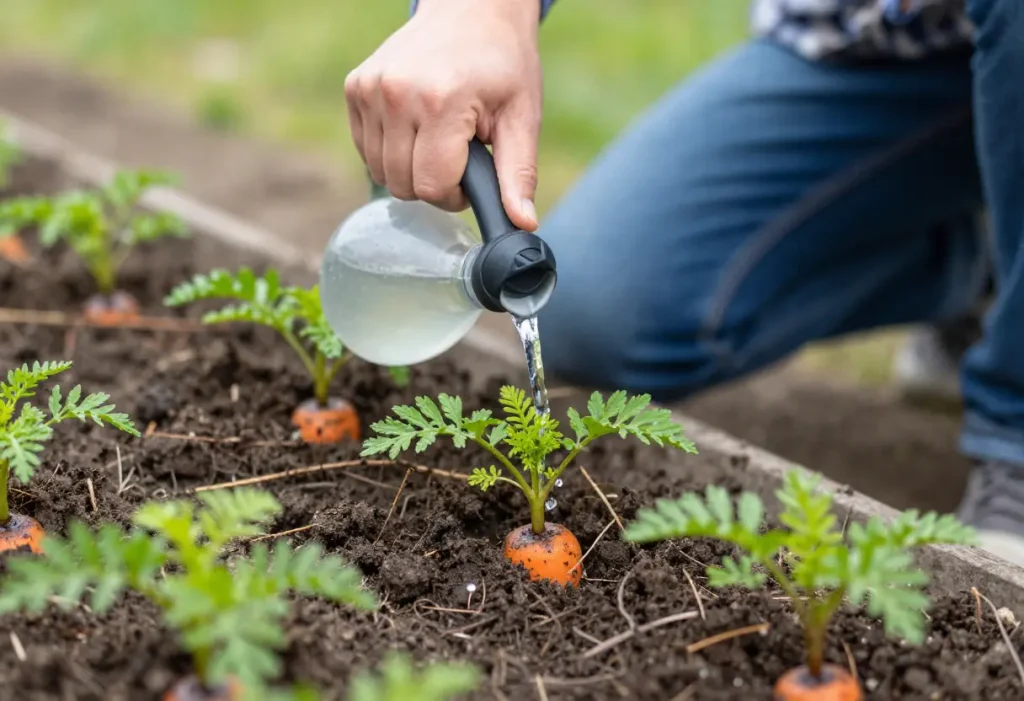
Keep soil moist but not soggy. Water carrots gently to avoid washing away seeds. Use a spray or light watering can. Check soil daily. The top inch should feel damp. Dry soil causes seedlings to wilt. Wet soil invites disease and root rot. Water early in the day to let soil dry before night. Consistent moisture helps carrots grow straight and tender.
Start feeding carrots when seedlings have two sets of leaves. Use a balanced, water-soluble fertilizer low in nitrogen. Too much nitrogen causes leafy tops and small roots. Feed every two weeks. Avoid heavy fertilizers. Organic options like compost tea or fish emulsion work well. Light feeding supports steady root growth. Stop feeding a few weeks before harvest to improve flavor.
Planting carrots from seedlings can be rewarding, but pests and diseases can harm young plants. Managing these threats early helps seedlings grow strong and healthy. Paying close attention to common problems and how to control them makes a big difference.
Carrot seedlings face many pests like carrot flies and aphids. These insects can damage leaves and roots. Diseases such as damping-off and leaf blight also attack young plants. Damping-off causes seedlings to rot at the base. Leaf blight creates brown spots on leaves. Poor air circulation and wet soil increase disease risks. Monitoring seedlings daily helps spot problems fast.
Using natural controls protects seedlings without harmful chemicals. Neem oil and insecticidal soaps reduce pests safely. Companion planting with onions or garlic repels carrot flies. Crop rotation prevents soil diseases from building up. For severe infestations, mild chemical treatments may be needed. Always follow label instructions carefully. Avoid overusing chemicals to protect beneficial insects. Clean tools and remove infected plants to limit disease spread.
Supporting the growth and development of carrot seedlings is key to a healthy harvest. Proper care helps roots grow strong and plants stay healthy. Focus on simple tasks that make a big difference. These include managing space and protecting soil moisture.
Thinning carrot seedlings gives each plant room to grow. Remove weaker seedlings so strong ones have space. Thin seedlings to about 2 inches apart. Crowded plants struggle to grow deep roots.
Weeding keeps carrots safe from competition. Weeds take water and nutrients from seedlings. Pull weeds gently to avoid harming roots. Keep the area clean and free of weeds.
Mulching helps keep soil moist and cool. Spread a thin layer of organic mulch around seedlings. Mulch prevents weeds from growing near carrots. It also keeps soil temperature steady. This helps roots grow without stress.
Mulch breaks down slowly, adding nutrients to soil. This feeds carrot plants naturally. Use straw, grass clippings, or shredded leaves for mulch. Avoid thick layers that block air and water.
Harvesting carrots at the right time ensures the best taste and texture. Knowing when and how to pick carrots helps keep them fresh and crunchy. Careful harvesting also protects the plant and soil for future growth.
Carrots show clear signs when they are ready to harvest. The top of the carrot, called the shoulder, will push slightly above the soil. Its color becomes bright and strong. The size of the carrot top also matches the variety you planted.
Leaves start to turn yellow or brown at the base. This signals the carrot has stopped growing and is mature. Check the days to maturity on the seed packet for a rough timeline. Test one carrot by gently pulling it from the ground to check size.
Pull carrots carefully to avoid breaking or bruising. Loosen the soil around the carrot with a garden fork first. This makes pulling easier and protects the root.
Grasp the carrot tops firmly at the base. Pull straight up with slow, steady pressure. Avoid twisting or jerking motions that can damage the carrot or plant.
After harvesting, brush off excess dirt gently. Wash carrots in cool water just before eating or storing. Store them in a cool, dark place with high humidity to keep them fresh longer.
Harvesting carrots is only the first step. Proper storage keeps them fresh and tasty longer. Using carrots creatively brings out their sweet, earthy flavor.
Remove carrot tops before storage. They draw moisture from the roots. Store carrots in a cool, dark place. A refrigerator drawer works well.
Wrap carrots in a damp paper towel. Place them in a plastic bag with holes. This keeps moisture balanced and prevents rot. Avoid storing carrots near fruits like apples. They release gases that cause carrots to spoil faster.
For long-term storage, consider root cellars or cool basements. Keep carrots in sand or sawdust to maintain humidity. Check them regularly for soft spots or mold.
Carrots work well raw or cooked. Snack on carrot sticks with hummus or dip. Grate carrots into salads for crunch and sweetness.
Roast carrots with olive oil and herbs. They caramelize and become tender. Add carrots to soups and stews for depth of flavor. Try blending cooked carrots into smoothies for natural sweetness.
Bake carrots into muffins or cakes. They add moisture and nutrients. Use carrot juice in dressings or cocktails for a fresh twist.
Plant carrot seedlings in loose, well-drained soil with full sun exposure for best growth.
Transplant seedlings after 3-4 weeks, when they have 2-3 true leaves and no frost risk.
Plant seedlings at the same depth they grew in the seed tray to avoid stress.
Water seedlings gently every 2-3 days to keep soil moist but not soggy.
Yes, starting with seedlings saves time and improves early growth success for carrots.
Planting carrots from seedlings helps you grow healthy roots faster. Seedlings give your garden a strong start and save time. Choose good soil and water regularly for best results. Watch your carrots grow and enjoy fresh, homegrown vegetables soon. Gardening this way feels easy and rewarding.
Try it in your garden and see the difference yourself. Happy planting!