Gardening Made Simple.

If you’ve ever wanted to grow fresh, vibrant greens but don’t have a big garden, planting Swiss chard in containers is the perfect solution for you. Imagine harvesting colorful, nutritious leaves right from your balcony, patio, or even your kitchen.
It’s easier than you think, and the rewards are immediate. You’ll discover simple steps to grow Swiss chard successfully in small spaces, so you can enjoy homegrown goodness all season long. Ready to turn your containers into a mini garden full of life?
Let’s dive in!
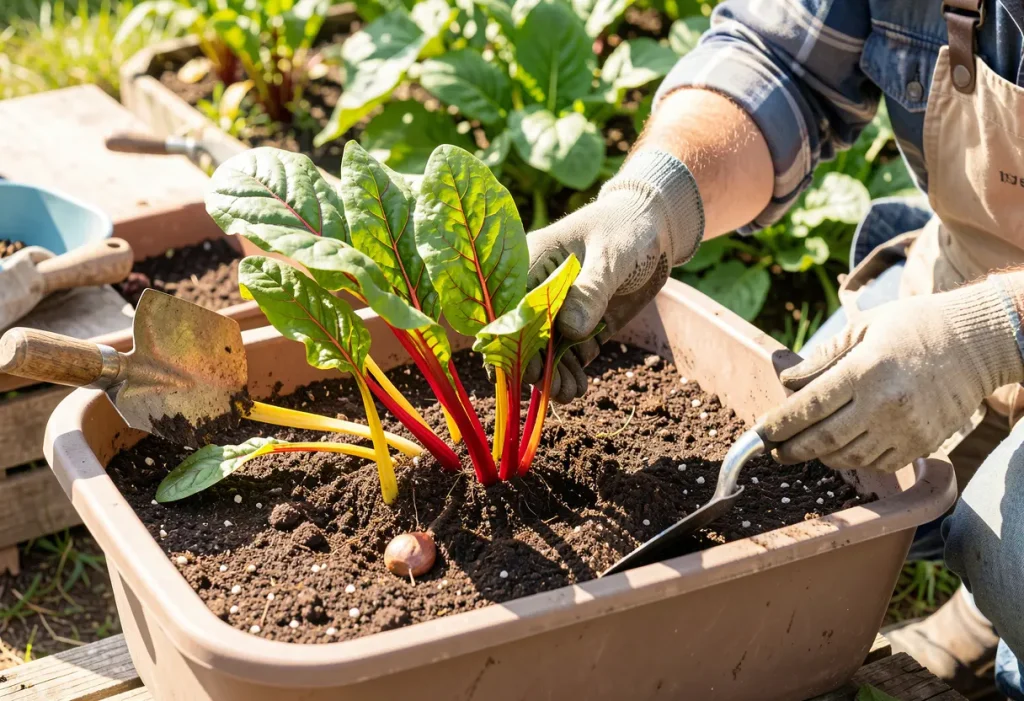
Choosing the right container is key to growing healthy Swiss chard in small spaces. The container must support root growth and hold enough soil. It should also let water drain well to avoid root rot. Picking the best container helps your plants thrive and produce fresh, tasty leaves.
Swiss chard needs room for roots to spread. Select a container at least 12 inches deep. The width should be 12 to 16 inches to give space for multiple plants. Small containers limit growth and may stress the plant. Bigger containers store more soil moisture, which helps during dry days.
Containers come in plastic, clay, ceramic, and wood. Plastic pots are light and keep soil moist longer. Clay pots breathe well but dry out fast. Wood containers offer good insulation but can rot over time. Choose a material that fits your environment and watering habits.
Good drainage stops water from pooling around roots. Make sure the container has holes at the bottom. If not, add some yourself before planting. Place a layer of gravel or small stones at the bottom to improve drainage. Avoid containers that hold water, as they cause root damage.
Choosing the right soil is key to growing healthy Swiss chard in containers. Soil affects how well the plant grows and produces leaves. Good soil helps roots get air, water, and nutrients easily. It also holds moisture without staying soggy. Picking quality soil gives your Swiss chard a strong start and keeps it healthy.
Use loose, well-draining soil for Swiss chard. Avoid heavy clay soil that holds too much water. Sandy loam or potting mix works best. The soil must allow air to reach the roots. This stops root rot and helps the plant grow fast.
Swiss chard needs rich soil with nutrients. Look for soil with organic matter like compost. Nitrogen is very important for leafy growth. Phosphorus and potassium help with root and leaf health. Feeding the soil ensures your chard grows strong and green.
Swiss chard prefers soil with a pH between 6.0 and 7.0. This range helps the plant absorb nutrients well. Test your soil’s pH before planting. You can adjust pH by adding lime to raise it or sulfur to lower it. Balanced pH keeps Swiss chard healthy and productive.
Growing Swiss chard in containers starts with planting the seeds correctly. Healthy seeds give you strong plants and a good harvest. Understanding seed preparation, planting depth, and spacing helps your Swiss chard grow well in small spaces.
Swiss chard seeds are easy to plant and care for. They sprout quickly and adapt well to container gardens. Follow these simple steps to get your seeds off to a great start.
Choose fresh seeds for better growth. Soak the seeds in warm water for 4 to 6 hours. This softens the seed coat and speeds up germination. Drain the seeds well before planting. Avoid soaking more than one day to prevent rotting.
Plant Swiss chard seeds about ½ inch deep in the soil. Press the soil lightly over the seeds. Too deep planting can slow sprouting. Too shallow planting may dry out the seeds quickly. Keep the soil moist until seedlings appear.
Space seeds 2 to 3 inches apart inside the container. This gives each seed room to grow. Thin seedlings to 4 to 6 inches apart after they sprout. Proper spacing helps air circulation and reduces disease risk. Avoid crowding to ensure strong, healthy plants.
Watering is key when planting Swiss chard in containers. Proper watering helps the plant grow strong and healthy. Too little or too much water can harm the plant. Understanding the right watering techniques keeps your Swiss chard thriving.
Swiss chard needs consistent moisture to grow well. The soil should stay damp but not soggy. Check the soil daily by touching the top inch. Water when the soil feels dry to touch. Use a watering can with a gentle flow to avoid washing away soil.
Too much water can cause root rot and other problems. Ensure your container has good drainage holes. Let excess water drain out after watering. Avoid letting the plant sit in standing water. Overwatering can make leaves turn yellow and wilt.
Watering early in the morning is best. It allows the plant to absorb moisture before heat arrives. Morning watering also reduces the chance of fungal diseases. Avoid watering late in the evening to prevent wet leaves overnight.
Swiss chard grows best with the right sunlight and temperature. These two factors help the plant develop strong leaves and stems. Container planting means you can control the conditions more easily. Understanding how much light and what temperature range Swiss chard needs will improve your harvest.
Swiss chard thrives in bright light. It needs at least 4 to 6 hours of direct sunlight each day. Place containers in a spot where they get morning sun. Afternoon sun can be intense, so some shade in the afternoon helps. If grown indoors, place containers near a sunny window.
Swiss chard prefers cool to moderate temperatures. The best range is between 50°F and 75°F (10°C to 24°C). It grows slowly in temperatures below 50°F. Above 75°F, the plant may bolt and become bitter. Keep containers in a temperature-stable area for best results.
Extreme heat can dry out container soil quickly. Move containers to shaded areas during hot afternoons. Use mulch on the soil to keep moisture. Cold weather can damage Swiss chard leaves. Cover containers with cloth or bring them indoors if frost is forecast. Watch for sudden temperature changes and adjust placement.
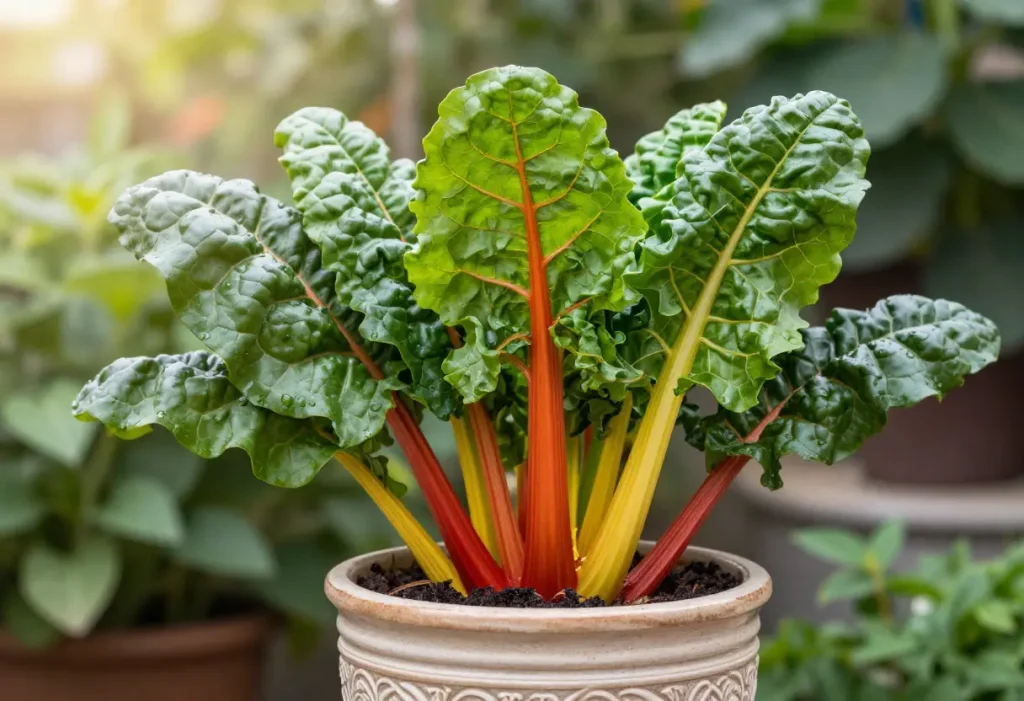
Fertilizing Swiss chard in containers helps plants grow strong and healthy. Nutrients in fertilizers support leaf development and overall growth. Without enough nutrients, leaves can become small and pale. Proper fertilizing gives your chard the boost it needs to thrive in small spaces.
Select fertilizers that provide nitrogen, phosphorus, and potassium. Nitrogen is key for green, leafy growth. Phosphorus supports root health. Potassium helps the plant resist disease and stress. Look for balanced fertilizers or those labeled for leafy vegetables. Liquid or slow-release fertilizers work well for container plants.
Feed Swiss chard every two to three weeks. Use half the recommended dose for container plants to avoid over-fertilizing. Too much fertilizer can burn roots and harm the plant. Follow package instructions closely. Keep soil moist before and after fertilizing to help nutrient absorption.
Organic fertilizers come from natural sources like compost or fish emulsion. They improve soil health over time and release nutrients slowly. Synthetic fertilizers provide nutrients quickly but may harm soil life if overused. Choose organic for long-term soil care. Synthetic options work well for fast results and precise feeding.
Growing Swiss chard in containers can bring fresh, healthy greens to your home. Keeping pests and diseases away is key for a good harvest. Healthy plants grow better and taste great. Watch your plants often. Early spotting helps stop problems fast.
Swiss chard attracts pests like aphids, leaf miners, and slugs. Aphids are small insects that suck plant juices. They cluster on new leaves and stems. Leaf miners make tunnels inside the leaves. Slugs leave holes and slime trails on leaves. These pests weaken the plant and slow growth.
Prevent diseases by keeping your containers clean. Use fresh soil for each planting. Avoid watering leaves to reduce fungus risk. Water early in the day for faster drying. Space plants well to allow air flow. Remove dead or damaged leaves quickly. Healthy plants resist diseases better.
Use natural methods to control pests safely. Spray plants with a mix of water and mild soap. This kills aphids without chemicals. Handpick slugs and drop them far from plants. Encourage ladybugs; they eat aphids naturally. Sprinkle diatomaceous earth around plants to stop slugs. These remedies protect your Swiss chard and the environment.
Harvesting Swiss chard from containers is easy and rewarding. Knowing the right time and method helps keep your plants healthy. You get fresh, tasty leaves for your meals. This section guides you on when to harvest, the best techniques, and how to encourage new growth.
Swiss chard leaves are ready to pick when they reach 6 to 8 inches. Check the leaves daily to catch the best size. Younger leaves are tender and mild in flavor. Older leaves become tougher but still good for cooking. Harvest leaves before they get too big or yellow.
Use clean scissors or garden shears to cut leaves. Cut the outer leaves near the base stem. Leave the inner leaves and center stem untouched. This method protects the plant and keeps it growing. Avoid pulling leaves, as it can damage the roots.
Harvest leaves regularly to promote new shoots. Water your plant well after harvesting. Use balanced fertilizer to support fresh growth. Keep the container in good sunlight and drain well. Healthy care helps Swiss chard produce more leaves all season long.
Growing Swiss chard in containers is rewarding but can face some issues. Noticing problems early helps save your plants. Troubleshooting growth issues ensures healthy, vibrant chard leaves. Simple checks often fix common problems fast.
Yellow leaves often mean nutrient shortage. Swiss chard needs nitrogen for green leaves. Use a balanced fertilizer or compost. Overwatering can also cause yellowing. Make sure soil drains well and does not stay soggy. Check for pests that suck plant juices. Removing affected leaves helps plant focus on new growth.
Slow growth may result from poor soil quality. Container soil should be rich and loose. Add organic matter to improve soil health. Too little sunlight slows growth too. Swiss chard needs at least six hours of sun daily. Crowded containers limit root space. Choose a bigger pot or thin out seedlings.
Wilting often happens due to underwatering. Check soil moisture regularly and water deeply. Overwatering also causes wilting by drowning roots. Use pots with drainage holes for excess water. Heat stress can make leaves droop. Move containers to a cooler spot during hot days. Keep airflow around plants to reduce wilting risk.
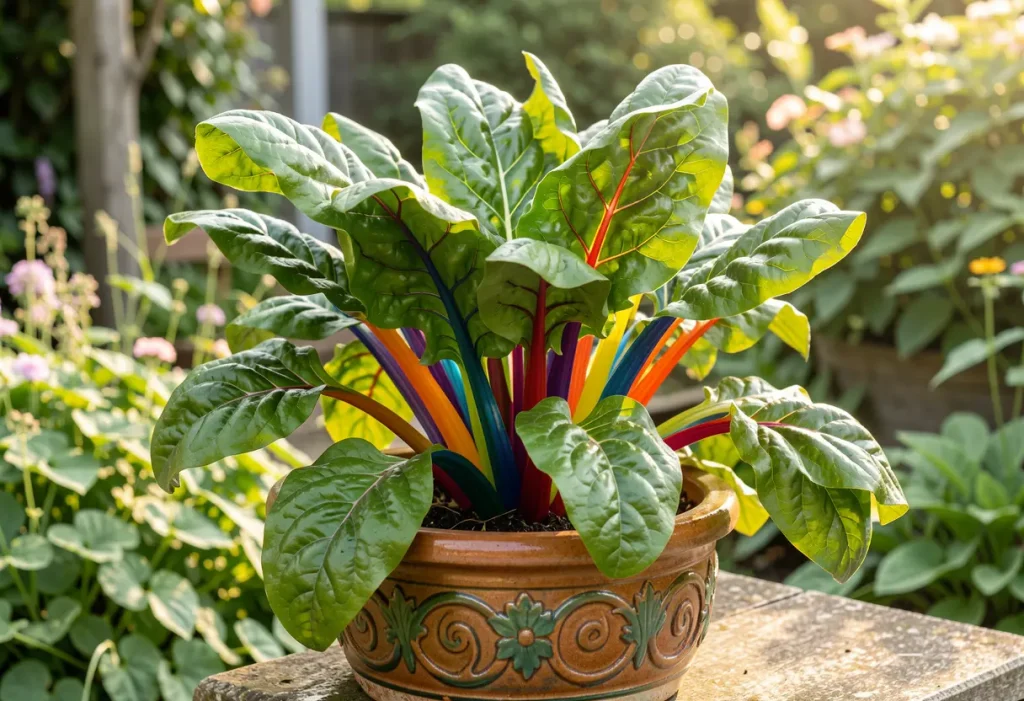
Choose containers at least 12 inches deep and wide. This size helps roots grow well and keeps soil moist.
Water Swiss chard when the top inch of soil feels dry. Usually, this means watering every 2-3 days.
Swiss chard grows well in full sun but tolerates partial shade. Aim for at least 4-6 hours of sunlight daily.
Use well-draining, rich soil with organic matter. A good potting mix with compost works great for Swiss chard.
Check leaves regularly for bugs like aphids or beetles. Use natural insect sprays or wash pests off with water.
Swiss chard grows well in containers with the right care. Choose a pot with good drainage and use quality soil. Water regularly but avoid overwatering to keep roots healthy. Place containers where plants get enough sunlight daily. Harvest leaves often to encourage new growth.
Growing swiss chard in containers saves space and adds fresh greens to your meals. Enjoy gardening, even in small areas!