Gardening Made Simple.
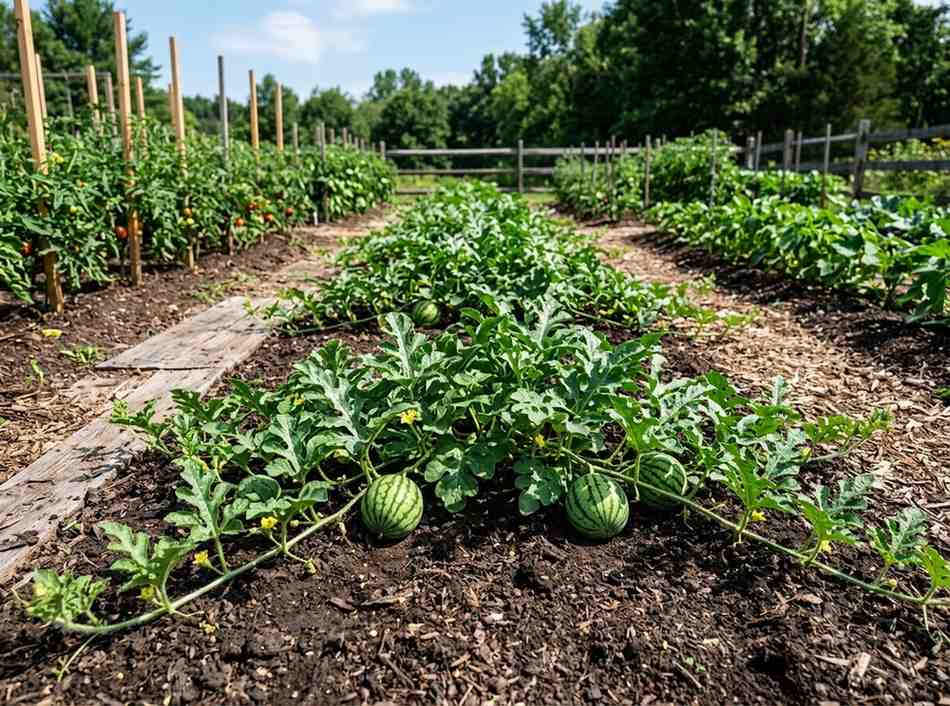
Watermelon is one of summer’s most loved fruits, famous for its juicy taste and refreshing sweetness. If you dream of growing your own watermelons, you are not alone—home gardeners everywhere want to enjoy these fruits straight from the vine. But there’s one detail that makes a huge difference: spacing for watermelon plants.
Many beginners overlook this simple factor, yet it affects everything from fruit size to flavor and even disease problems. If you want to grow watermelons that are healthy, sweet, and abundant, understanding how much room these plants need is essential.
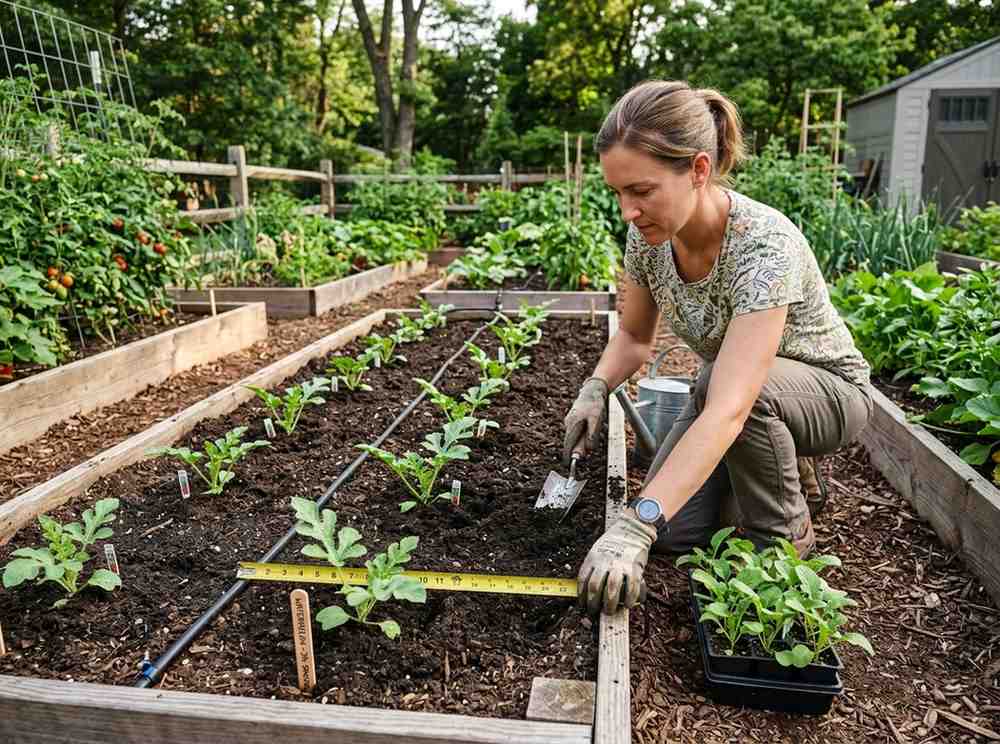
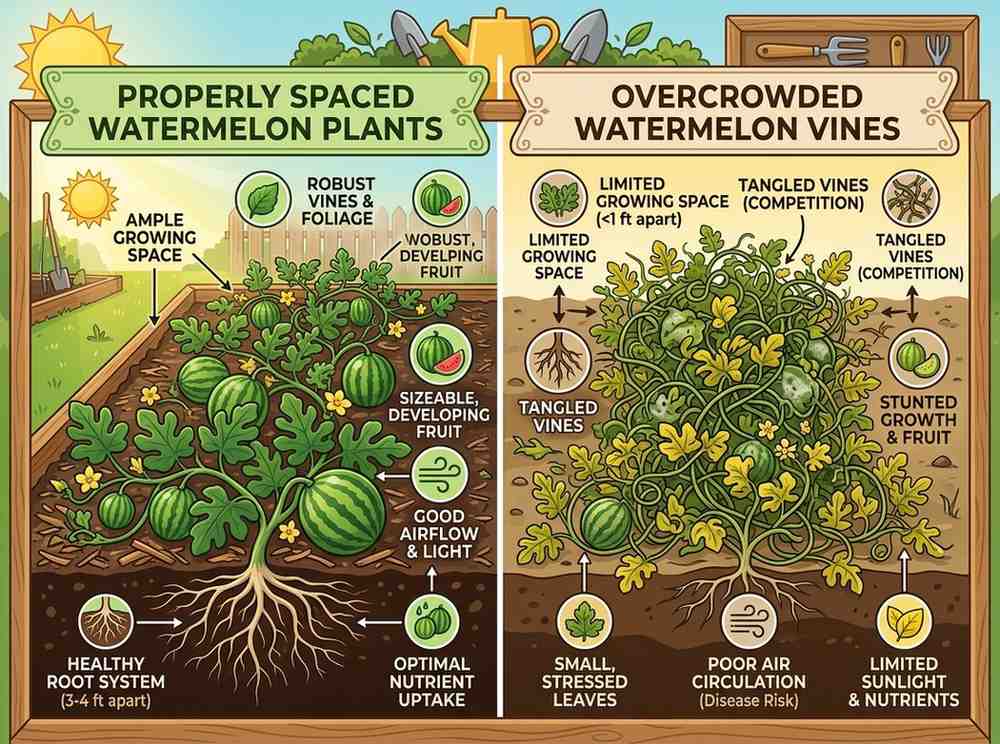
Proper spacing is not just about following instructions. It’s about helping your watermelon plants get enough sunlight, good air flow, and access to nutrients. When you get the spacing right, your plants will thank you with bigger, tastier fruits and fewer problems.
In this article, you’ll learn exactly how to space watermelons, why it matters, and how to adapt your garden for the best results. Whether you’re planting in a large field or a small backyard, this guide will help you avoid common mistakes and grow watermelons you can be proud of.
Watermelon plants are famous for their sprawling vines. A single plant can grow up to 20 feet long or more if left unchecked. This means the space you give them is not just for the roots, but for the whole plant to stretch, breathe, and collect sunlight.
Spacing is not just about following a rule. It is about growing stronger, healthier plants with better harvests.
Watermelon is a warm-season crop. It grows best in full sun and needs a long, warm growing season. The vines spread outward, not upward, and the fruits are heavy. Most popular varieties are “vining” types, but there are also bush and semi-bush types, which need less space.
A common beginner mistake is to treat watermelons like bush beans or peppers—plants that stay compact. But watermelons need room both above and below ground. This is why spacing is so critical.
There is no one-size-fits-all answer, because watermelon varieties differ in size and growth habit. However, most experts and seed packets give these general guidelines:
Here’s a quick comparison:
| Watermelon Type | Space Between Rows | Space Between Plants |
|---|---|---|
| Vining (standard) | 6–8 feet | 3–5 feet |
| Bush/semi-bush | 4–5 feet | 2–3 feet |
| Dwarf/personal-size | 3–4 feet | 1.5–2.5 feet |
Watermelon roots spread wide—up to three times the width of the plant. The vines also need space to prevent overlapping, which encourages airflow and sun exposure. This leads to better fruit set and less disease.
Not all watermelons are the same. Some grow massive, 30-pound fruits; others are bred for small spaces and produce “icebox” melons weighing 3–6 pounds. Your choice of variety changes your spacing needs.
| Variety Name | Fruit Size | Recommended Spacing |
|---|---|---|
| Crimson Sweet | 20–25 lbs (Large) | 6–8 ft rows, 4–5 ft plants |
| Sugar Baby | 8–12 lbs (Small) | 4–5 ft rows, 2–3 ft plants |
| Jubilee | 25–40 lbs (Very Large) | 8 ft rows, 5 ft plants |
| Blacktail Mountain | 6–12 lbs (Personal) | 4 ft rows, 2 ft plants |
| Mini Love | 5–7 lbs (Mini) | 3–4 ft rows, 2 ft plants |
If you buy seeds for a new or hybrid variety, check the seed packet or company website. If there is no information, use the plant’s mature fruit size as a guide:
As a rule, when in doubt, give more space. Watermelon vines can always fill in empty ground, but they cannot recover from being too crowded.
There are a few common ways to plant watermelons. The method you choose affects spacing.
“Hill” does not mean a mound, but a cluster of seeds or plants. This is the traditional way to plant watermelons, especially for large gardens.
Why use hills? Hills warm up faster in spring and drain better. They also make it easier to control weeds and water.
In row planting, seeds or transplants are spaced evenly in a straight line.
Row planting is common in large fields and is easy to manage for watering and weeding.
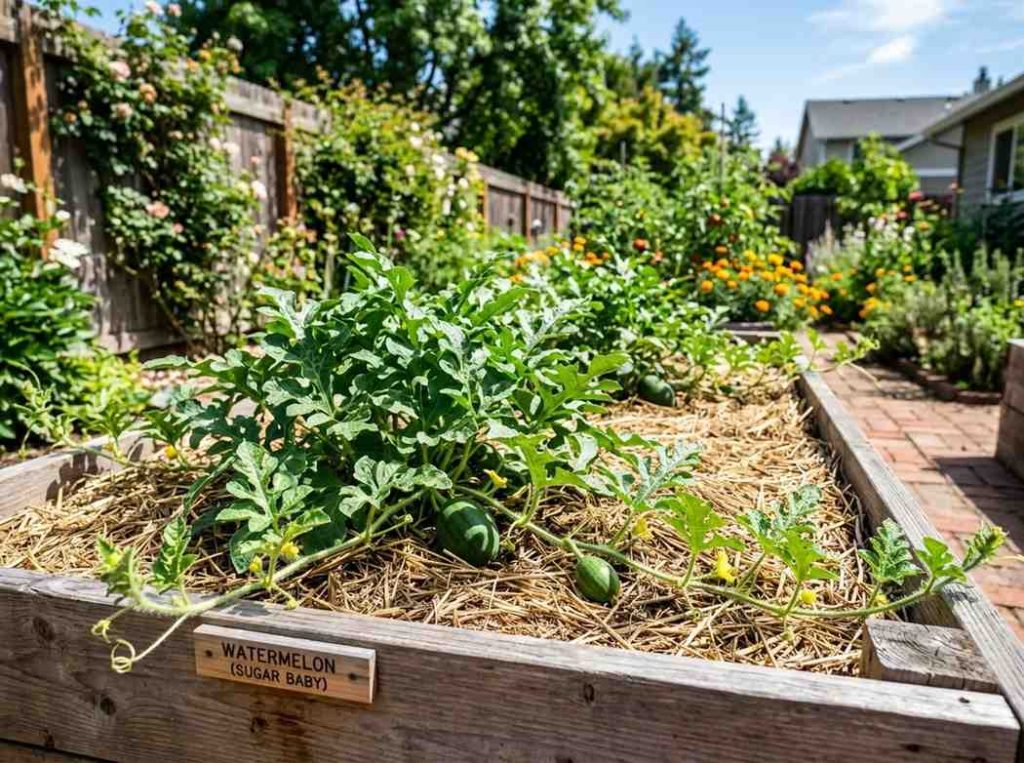
In small gardens, raised beds are popular. They warm up quickly and have good drainage, but space is limited.
Tip: In raised beds, watch for fast soil drying. Watermelons need steady moisture, especially as fruits grow.
Think you can’t grow watermelon because you have a small yard or patio? Think again. While big vining types need lots of room, there are compact varieties and creative ways to make it work.
It’s possible, but you must choose the right variety and container.
Non-obvious insight: Watermelon roots are sensitive to crowding in containers. If you plant more than one per pot, expect tiny fruits or none at all.
The way you space your watermelon plants is directly linked to how many—and how good—your fruits will be.
A well-spaced watermelon plant can produce 2–4 fruits in a typical backyard garden. Crowded plants may set more fruits, but they will be smaller and less flavorful.
Spacing reduces the risk of fungal disease by allowing leaves to dry quickly after rain or dew. It also helps you spot pests like cucumber beetles early, before they become a big problem.
Where you live changes how you should space your watermelons.
In very hot regions (like Arizona or southern California), vines grow faster and larger. You may need to use the widest recommended spacing, or even add another foot between plants.
High humidity means higher risk of fungal disease. To reduce this, use the maximum spacing guideline to keep foliage dry.
If your summer is short, consider planting closer together (but not less than the minimum). This makes the vines fill in quickly, shading soil and keeping roots warm. Choose early-maturing varieties.
Plants grow more slowly, so vines may not spread as much. You can use the lower end of the spacing range, but never crowd them more than recommended.
Practical tip: Always observe your plants. If you see vines overlapping too much, next season, increase the spacing.
Even experienced gardeners sometimes misjudge spacing. Here are common mistakes and how to avoid them.
Non-obvious insight: Watermelon roots are shallow in the first weeks after planting. If you crowd them at this stage, they may never recover, even if the vines later have room to grow.
The way you prepare your soil and water your plants also affects ideal spacing.
Mulch (like straw or plastic) keeps soil moist and warm. It can let you plant a bit closer, since moisture is more consistent and weeds are less of a problem. But don’t go below the minimum recommended spacing.
If you use drip irrigation, space plants so each gets enough water from the line. Place emitters close to each root zone. This allows for even moisture and may allow slightly closer planting.
In dense soil, roots spread slower. Give plants more space so they don’t compete for limited nutrients.
Plants grow and spread faster, but soil dries quickly. Stick to normal spacing, but water often.
Pollination is essential for good watermelon fruit. Watermelon plants have separate male and female flowers, and bees must visit both for fruit to set. If plants are too crowded, pollinators can’t reach the flowers easily.
Commercial growers sometimes use different spacing than home gardeners, based on equipment and goals.
Remember: For the home grower, it’s better to have a few big, sweet melons than many small, bland ones.
Some gardeners like to plant watermelons with other crops. This can save space, but you need to plan carefully.
If companion planting, always maintain the minimum watermelon spacing, and plant companions where they won’t shade or crowd the vines.
Spacing matters even more in organic gardens, where you rely on air flow and sunlight to reduce disease instead of chemicals.
Sustainable tip: Wider spacing can mean fewer melons per area, but the fruits will be healthier and less likely to need sprays or treatments.
A little planning before planting saves time and trouble later.
Tip: In raised beds, mark the center for each plant and keep vines pointed toward open space as they grow.
When watermelon plants are too close, they compete for water, nutrients, and sunlight. This leads to smaller fruits, increased disease risk, and often fewer ripe melons. Crowded vines can also make it harder for pollinators to reach the flowers, which means poor fruit set.
Yes, some compact or mini watermelon varieties can be grown vertically with a strong trellis. Space plants 2–3 feet apart at the base. Support heavy fruits with cloth slings. This method works best for varieties under 10 pounds. Larger types are too heavy for most trellises.
Healthy, well-spaced watermelon vines will spread without overlapping too much. Each plant should have good leaf coverage without shading its neighbors. You should be able to walk between rows without stepping on vines. If the leaves form a dense mat early in the season, your plants may be too close.
No. Planting more watermelons closer together usually means more but smaller and lower-quality fruits. For the best yield and taste, follow recommended spacing for your variety. One healthy, well-spaced plant can produce more (and better) melons than several crowded ones.
For more details on watermelon varieties and their needs, visit the Wikipedia page on watermelon, which offers an overview of types, growth habits, and cultivation tips.
Growing watermelons is both a science and an art. By giving your plants the right amount of space, you set the stage for a fruitful harvest. Good spacing means your watermelons will have all the sunshine, nutrients, and airflow they need to grow big and sweet.
With careful planning and attention to your variety and garden size, you’ll enjoy the taste of summer from your own backyard—one juicy bite at a time.