Gardening Made Simple.
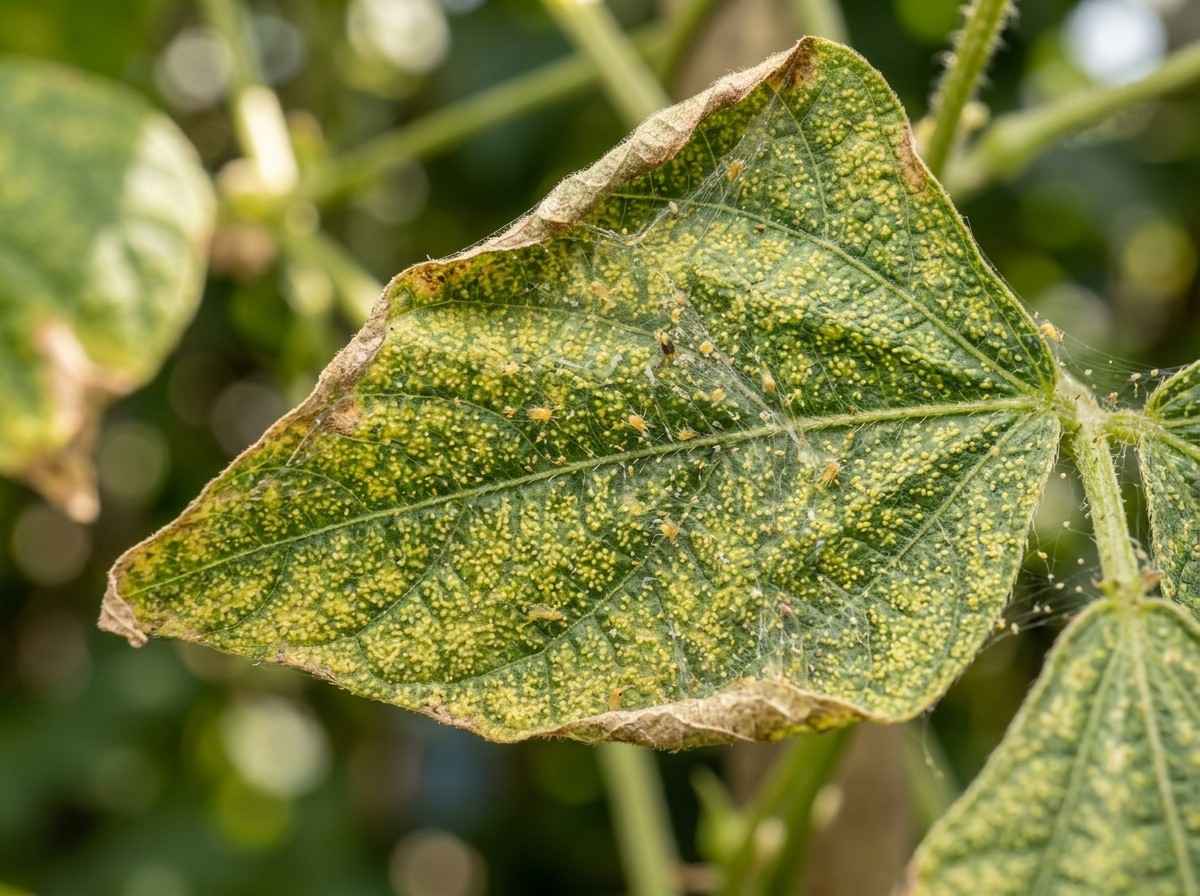
Have you noticed tiny specks or yellow spots appearing on your plant leaves? That could be a sign of Spider Mite Leaf Damage—one of the most common and frustrating problems for anyone who cares about healthy plants.
These tiny pests might be small, but their impact on your garden or indoor plants can be huge. If you want to protect your plants and keep them thriving, understanding how spider mites damage leaves and what you can do about it is essential.
Keep reading to discover the clear signs of spider mite damage and simple steps you can take to save your plants before it’s too late.
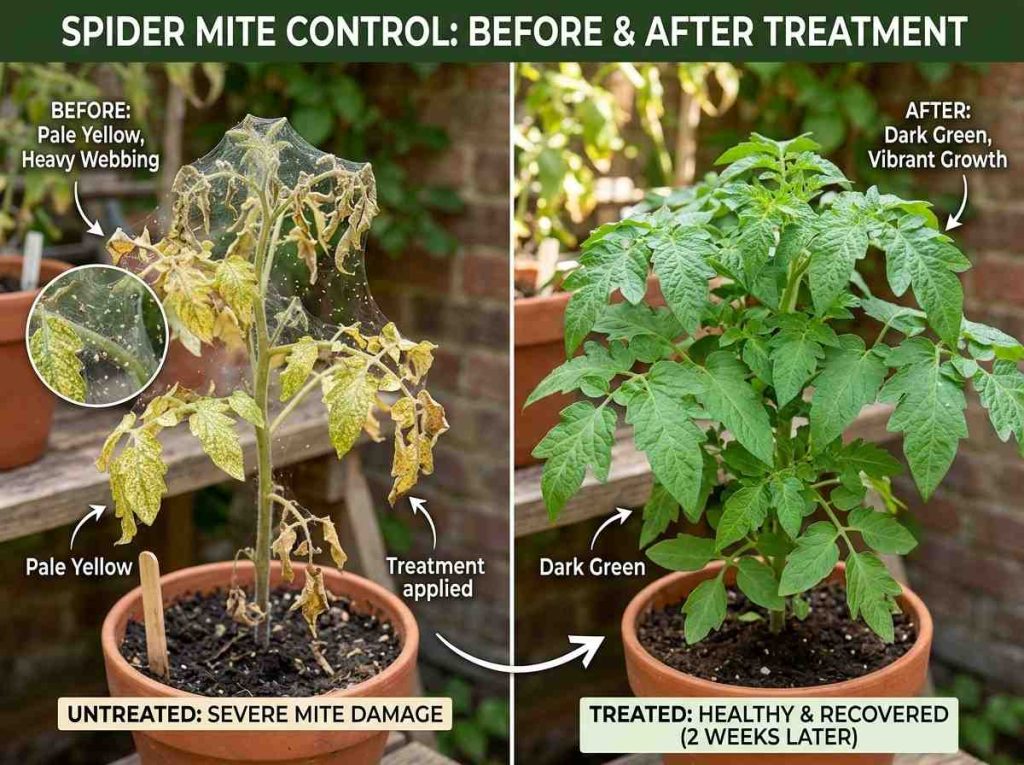
Spider mites cause clear signs of damage on plants. Early detection helps protect your garden. Knowing these signs can save your plants from severe harm. Watch for small but telling symptoms on leaves and stems.
Leaves develop tiny yellow or white spots. These spots look like small speckles across the leaf surface. Over time, the leaf color fades and becomes pale. The damage starts as small dots and spreads quickly. Discolored leaves lose their healthy green shade.
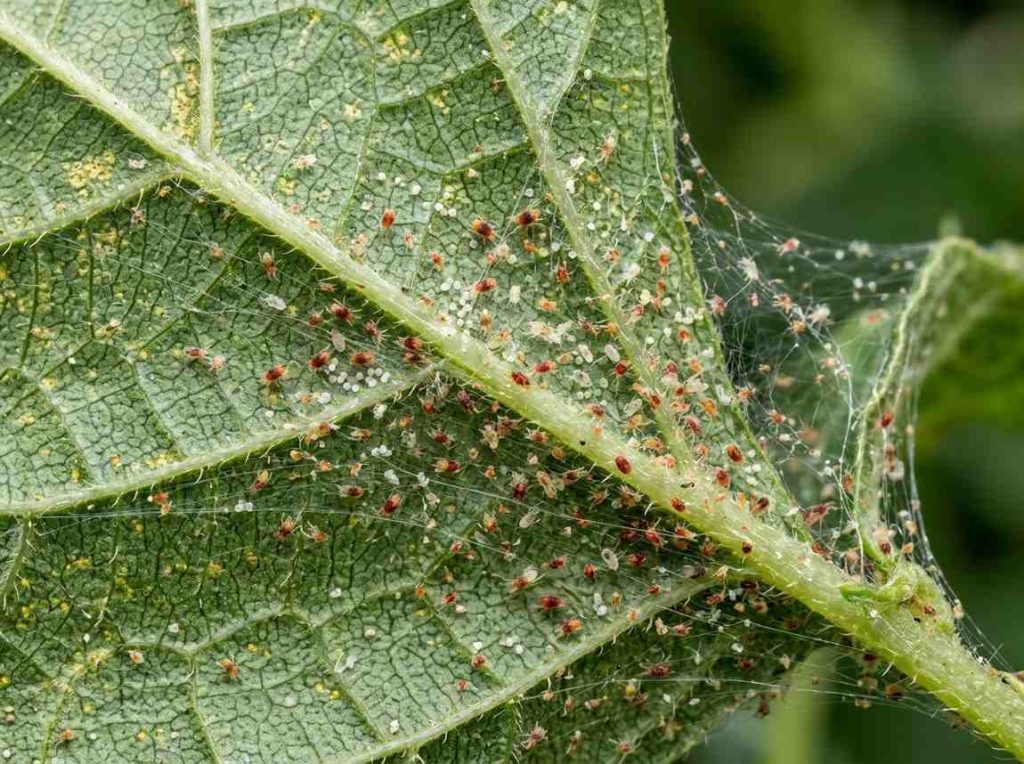
Spider mites produce thin, silky webs on leaves and stems. This webbing covers plant parts and looks like spider webs. It often appears on the underside of leaves. Webbing protects mites and signals a heavy infestation. Plants with webbing need immediate attention.
Affected leaves may curl, wilt, or fall off the plant. Leaf drop weakens the plant's ability to grow well. Wilting happens even if the plant gets enough water. These symptoms show that spider mites have severely damaged the plant. Catching damage early prevents leaf loss and plant stress.
Understanding the spider mite life cycle helps control leaf damage effectively. This tiny pest passes through several stages quickly. Each stage affects plants differently. Knowing these stages helps spot damage early and protect your garden.
Spider mites start as eggs. They are tiny and hard to see. Eggs are usually laid on the underside of leaves. They hatch in about three to five days. Warm weather speeds up hatching. Protecting plants early stops more mites from appearing.
After hatching, mites enter the nymph stage. Nymphs look like small adults but have fewer legs. They feed on plant leaves, causing damage. This stage lasts about one week. Nymphs grow by shedding their skins. Healthy plants can sometimes recover if damage is caught here.
Adult spider mites are tiny but visible. They continue feeding and lay many eggs. Females can produce dozens of eggs in a week. Adults live for a few weeks. They multiply fast, causing more leaf damage. Early detection limits their spread and protects plants better.
Spider mites attack many types of plants. They cause damage by sucking the sap from leaves. This weakens the plants and can make them look unhealthy. Some plants are more likely to be affected by spider mites. Knowing which plants are at risk helps you check for signs early. It also helps protect your garden or home plants.
Spider mites often target indoor houseplants. They like plants with soft leaves. Common victims include spider plants, palms, and ficus. These plants provide a good hiding place for mites. Dry indoor air can make spider mite problems worse. Watch for tiny webs and yellow spots on leaves.
Many garden vegetables suffer from spider mite damage. Tomatoes, beans, and cucumbers are common targets. Mites feed on the undersides of leaves. This causes leaves to turn yellow or bronze. Heavy infestations reduce crop yield. Regular inspection helps keep plants healthy.
Ornamental plants are also prone to spider mite attacks. Roses, azaleas, and hibiscus often show damage. Mites cause leaf discoloration and leaf drop. These plants may lose their beauty quickly. Treating infestations early saves the plant’s appearance.
Spider mites cause serious damage to leaves by sucking plant juices. Natural remedies offer safe ways to control these pests without harming plants or people. These methods help keep your garden healthy and green.
Beneficial insects like ladybugs and predatory mites eat spider mites. They act as natural pest controllers. Release them in your garden to reduce spider mite numbers. These insects are safe for plants and help balance the ecosystem.
Neem oil works as a natural pesticide and repellent. Spray diluted neem oil on affected leaves. It disrupts spider mites’ growth and feeding. Neem oil also protects plants without toxic chemicals.
Insecticidal soaps kill spider mites by breaking their outer layer. Spray soap solution directly on leaves and stems. It is safe for most plants and breaks the pest cycle. Use regularly for best results.
Chemical treatments are one way to control spider mite leaf damage. They help stop mites from spreading fast. Using chemicals needs care to protect plants and the environment.
Choosing the right chemical and applying it correctly gives the best results. This section explains types of chemicals, how to apply them, and safety tips.
Miticides target spider mites specifically. They reduce mite numbers quickly. Pesticides may kill other pests and mites too. Both must be chosen based on plant type and damage level.
Some chemicals work better at certain mite stages. Read the label to pick the best option. Avoid overusing to prevent mite resistance.
Apply chemicals evenly on plant leaves. Spray both sides of leaves where mites hide. Use a fine mist for better coverage. Follow label instructions for amount and timing.
Repeat treatments may be needed after several days. Check plants regularly to see if mites return. Avoid spraying during the hottest part of the day.
Wear gloves and masks during chemical use. Keep children and pets away from treated areas. Store chemicals in a safe place, out of reach.
Dispose of leftover chemicals properly. Avoid contact with skin and eyes. Wash hands and clothes after handling chemicals.
Preventing spider mite leaf damage is easier than fixing it later. Taking steps early keeps plants healthy and strong. Careful habits stop spider mites from spreading and causing harm. Simple actions every day make a big difference.
Check leaves often for tiny webs or spots. Use a magnifying glass to see small mites. Look under leaves where spider mites hide most. Spotting problems early helps stop damage fast. Remove affected leaves to protect the whole plant.
Spider mites thrive in dry air. Keep humidity around 50% to slow their growth. Use a humidifier or place water trays near plants. Mist leaves with water regularly to raise moisture. Humid air keeps spider mites away and plants happy.
Water plants deeply but not too often. Overwatering or underwatering stresses plants and invites pests. Keep soil moist but never soggy. Wet leaves help wash away spider mites. Good watering supports strong plants that resist damage.
Spider mite damage can leave your plants weak and stressed. Recovery takes patience and care. Focus on helping your plant heal and regain strength. Follow these tips to bring your plant back to health.
Cut off leaves with heavy spider mite damage. This stops the spread of pests and disease. Use clean, sharp scissors for pruning. Remove only the damaged parts to save healthy growth. Dispose of the cut leaves far from your garden.
Feed your plant with a balanced fertilizer. This supports new leaf and root growth. Avoid over-fertilizing as it can stress the plant more. Follow the instructions on the fertilizer package. Regular feeding helps your plant recover faster.
Place your plant where it gets plenty of indirect light. Strong light helps plants repair their leaves. Avoid harsh direct sunlight that can burn tender new growth. Adjust light levels based on your plant type. Good light improves overall plant health and vigor.
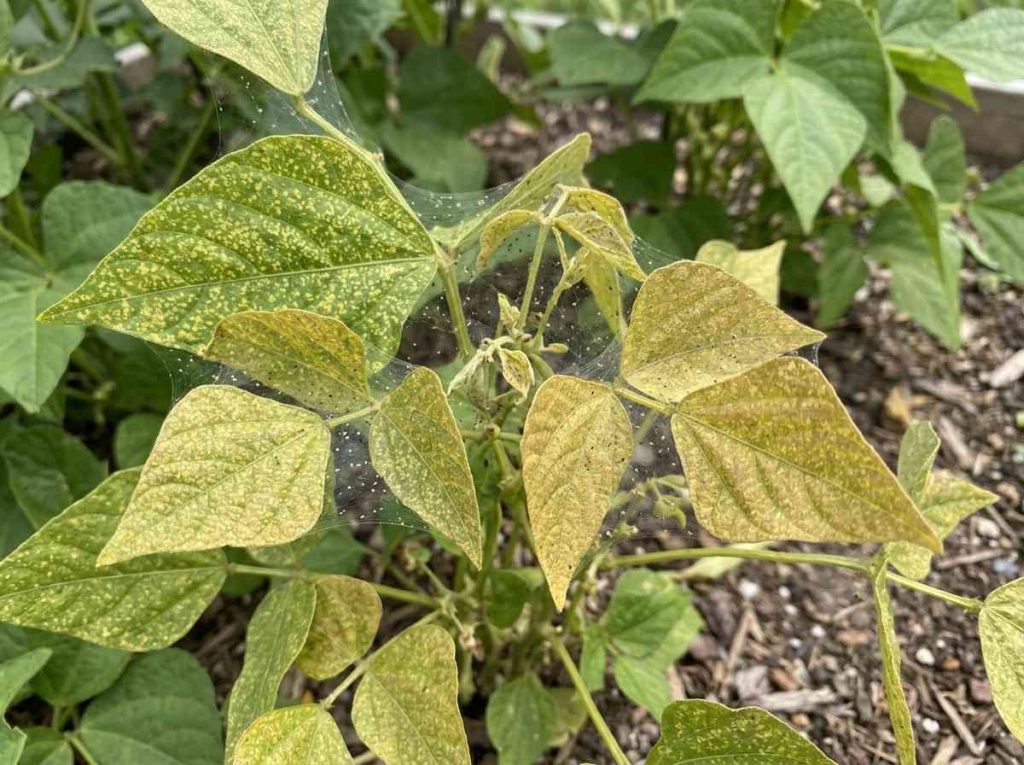
Spider mite damage shows as tiny yellow or white spots on leaves. Leaves may also look dry or have webbing.
Spider mites suck sap from leaves, causing discoloration, spots, and leaf drop.
Severe spider mite damage can weaken plants and cause leaf loss, but usually does not kill them.
Spider mites can cause visible leaf damage within days in warm, dry conditions.
Spray leaves with water to remove mites, use insecticidal soap, or introduce natural predators.
Spider mite leaf damage can harm your plants fast. Watch your plants often for tiny webs and spots. Early action helps stop damage from spreading. Use safe methods like water sprays or natural predators. Keep plants healthy with good water and light.
Healthy plants fight pests better and grow strong. Don’t wait until leaves look bad. Catch problems early to save your garden. Simple care can make a big difference. Protect your plants and enjoy a greener space.