Gardening Made Simple.
Spider Mites on Pot Plants are a common problem that can quickly weaken healthy indoor and outdoor container plants. If you've spotted spider mites on pot plants, early treatment is essential to prevent leaf damage, yellowing, and webbing. This guide explains how to identify spider mites, eliminate them effectively, and protect your potted plants from future infestations.
If you want to keep your plants healthy and thriving, understanding how to spot and deal with spider mites is crucial. You’ll learn simple ways to identify these pests early and effective steps to get rid of them before they take over your beloved plants.
Keep reading to protect your green friends and enjoy a pest-free garden.

Spider mites are tiny pests that harm pot plants silently. They are hard to see with the naked eye. Early identification helps protect your plants from damage. Knowing their signs and habits is key to spotting them early.
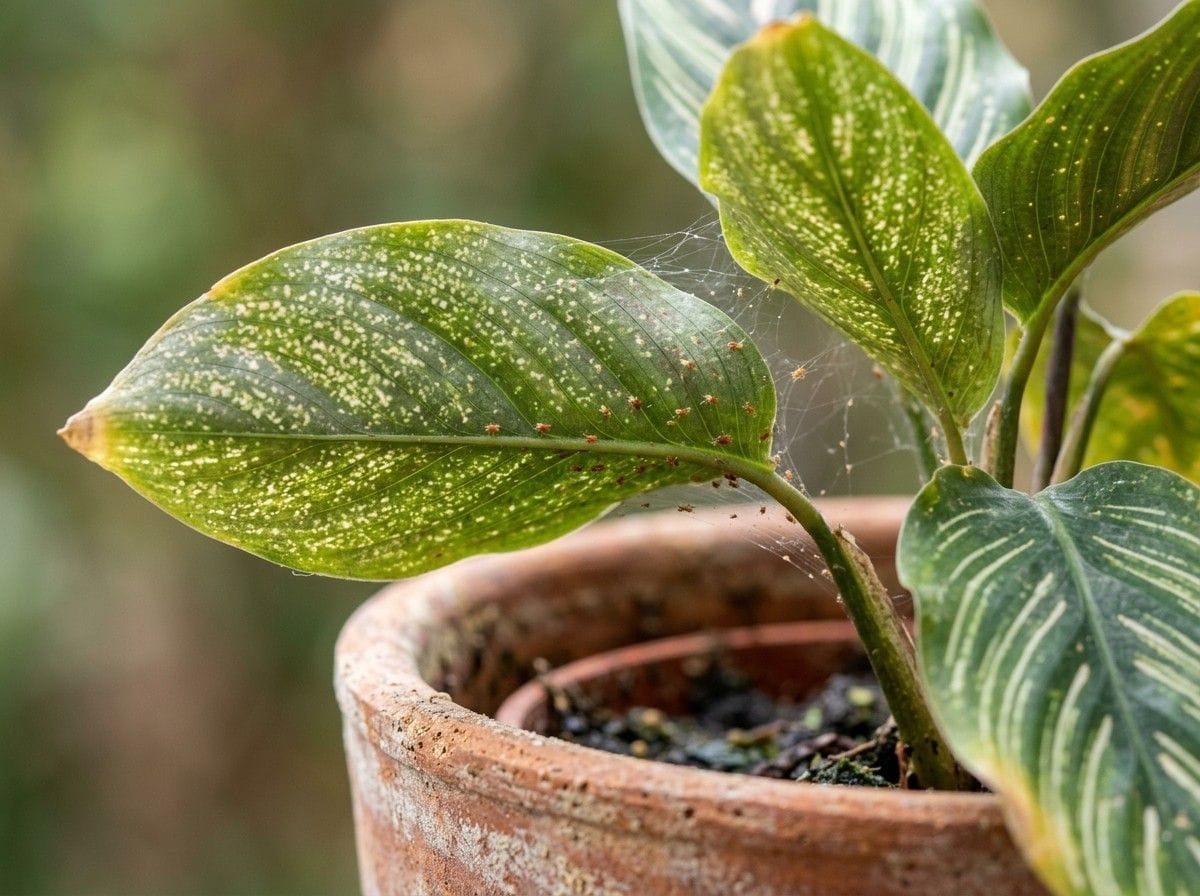
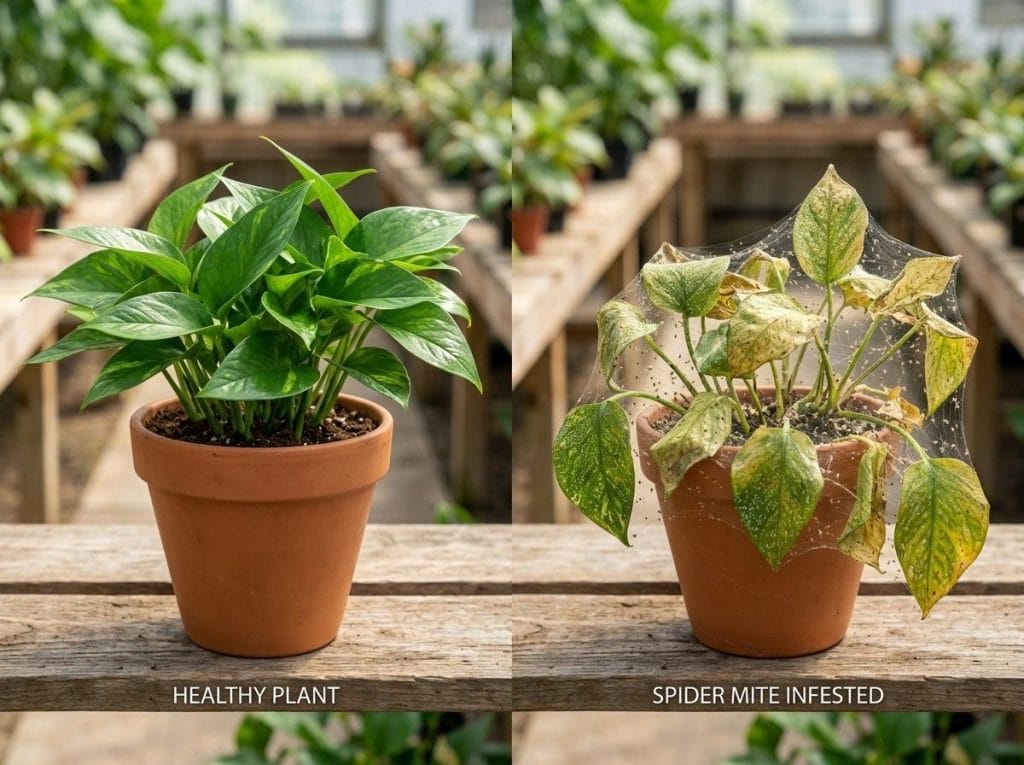
Spider mites cause small yellow or white spots on leaves. Leaves may look dusty or have a fine webbing. Webs usually form on the undersides of leaves. Leaves can dry out, curl, and fall off if mites spread.
Spider mites grow fast, completing their life cycle in one to two weeks. Females lay tiny eggs under leaves. Eggs hatch into larvae, which mature into adults. Adults continue to reproduce quickly, causing rapid infestations.
Spider mites prefer dry and warm conditions. Indoor pot plants often suffer, especially in low humidity. Plants with thin leaves like tomatoes, peppers, and hibiscus are common targets. Regular checks help protect these vulnerable plants.
Spider mite infestations on pot plants start for several reasons. Understanding these causes helps prevent damage and keep plants healthy. Spider mites are tiny pests that spread fast and harm plants.
Spider mites thrive in hot, dry conditions. Low humidity and warm temperatures speed up their growth. Poor air circulation around plants also helps mites multiply. Dusty leaves create a perfect home for these pests. Overwatering or underwatering can change plant conditions, making them more inviting for spider mites.
Stressed plants attract spider mites easily. Lack of nutrients weakens a plant’s defenses. Plants exposed to too much sunlight or sudden temperature changes become vulnerable. Damaged or aging leaves provide hiding spots for mites. Plants with poor health cannot fight off infestations well.
Spider mites spread quickly from plant to plant. They move by crawling or using wind to travel. New plants bought from nurseries may already carry mites. Tools and hands can carry mites between plants. Crowded plant arrangements make it easier for mites to jump from one leaf to another.
Spider mites harm pot plants by sucking their sap. Chemicals can hurt beneficial insects and the environment. Natural remedies fight spider mites safely. They protect plants and keep your home healthy.
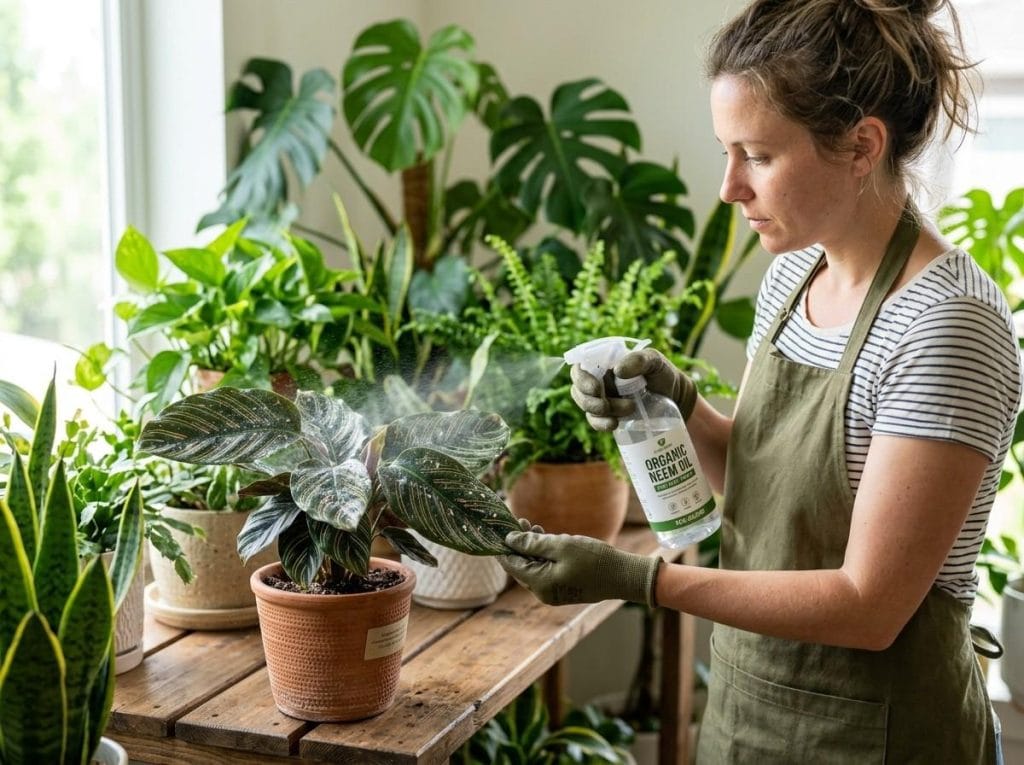
Neem oil is a natural pesticide from the neem tree. It stops spider mites from eating leaves. Mix 2 teaspoons of neem oil with 1 quart of water. Spray the plant leaves, focusing under the leaves. Repeat every 7 days until mites disappear. Avoid spraying in direct sunlight to protect plants.
Insecticidal soaps kill spider mites by breaking their bodies. Use a mild soap made for plants. Mix 1 tablespoon of soap in 1 quart of water. Spray leaves and stems thoroughly. Soap removes dust and helps the spray stick. Repeat every 4 to 5 days for best results.
Essential oils like rosemary, peppermint, and eucalyptus work well. They repel spider mites and stop their growth. Mix 10 drops of essential oil in 1 cup of water. Spray the mix on affected plants. Test on a small leaf first to avoid damage. Use this treatment twice a week for control.
Spider mites can damage pot plants quickly. Chemical treatments help control these pests effectively. Using the right chemicals keeps plants healthy and pest-free.
Choose miticides that are safe for indoor plants. Look for products labeled for use on pot plants. Avoid harsh chemicals that can harm leaves or roots. Natural or low-toxicity miticides protect both plants and people.
Apply miticides evenly on all plant surfaces. Spray under leaves where spider mites hide. Use a fine mist for better coverage. Follow the instructions on the product label carefully. Do not overuse to prevent plant damage.
Spider mites can become resistant to chemicals quickly. Rotate between different types of miticides. Do not use the same product repeatedly. Combine chemical treatments with other control methods. This approach helps keep spider mites under control longer.
Preventing spider mites on pot plants is easier than treating an infestation. Early steps keep your plants healthy and pest-free. Simple habits stop spider mites from spreading and damaging leaves.
Check your plants often for tiny spider mites and webbing. Look under leaves and on stems carefully. Spotting mites early helps stop their growth fast. Use a magnifying glass to see small pests clearly.
Spider mites prefer dry air. Keep humidity around 40% to 60% for your plants. Use a humidifier or mist leaves with water. Moist air makes it harder for spider mites to survive and multiply.
Keep new plants separate for 1 to 2 weeks. Watch for any signs of spider mites or other pests. This prevents spreading pests to healthy plants in your home. Better safe than sorry with new additions.
Keeping your pot plants safe from spider mites needs the right tools and equipment. Using proper gear makes pest control easier and more effective. It helps protect your plants and yourself during treatment.
Sprayers and misters spread liquids evenly on plant leaves. They help apply water, insecticidal soap, or neem oil to kill spider mites. Choose a sprayer with adjustable nozzles for better control. Misters create fine droplets to reach tight spaces on plants. Clean sprayers after each use to avoid clogging.
Wear gloves to keep your hands safe from chemicals and mites. Use a mask to avoid breathing in sprays or dust. Long sleeves protect your arms from irritation. Safety glasses stop spray from getting into your eyes. Protective gear keeps you safe during pest control work.
Wash tools and equipment after each use to remove residue. Clean sprayers prevent spreading mites or chemicals to other plants. Store tools in a dry place to avoid rust and damage. Regular maintenance keeps your equipment ready and effective for future use.
After treating spider mites on your pot plants, care does not stop. Post-treatment care is vital to help your plants recover fully. It also prevents spider mites from coming back quickly. Focus on watching the plant closely, helping it grow strong, and applying treatments again if needed.
Check your plant every few days. Look for new signs of spider mites, such as small webs or speckled leaves. Notice changes in leaf color or texture. Healthy leaves should be green and firm. Catch problems early to act fast and protect your plant.
Give your plant good care to help it heal. Water it properly but avoid overwatering. Use balanced fertilizer to provide essential nutrients. Keep your plant in a bright spot with indirect sunlight. Strong plants resist pests better and recover faster.
Sometimes one treatment is not enough. Repeat the treatment every 7 to 10 days if spider mites remain. Follow the product instructions carefully. Avoid using too much pesticide to protect the plant and environment. Consistent care stops spider mites from returning.
Spider mites are tiny bugs that suck plant juices, causing leaves to yellow and drop.
Look for tiny webs, yellow spots, and speckled leaves on your plants.
Use water sprays, insecticidal soap, or neem oil to control spider mite infestations.
Yes, spider mites can easily move between plants, especially in close spaces.
Keep plants clean, avoid dry conditions, and check regularly for early signs.
Spider mites can harm your pot plants quickly. Watch your plants often for tiny webs or spots. Clean leaves gently to remove these pests. Use natural sprays to keep mites away safely. Healthy plants resist pests better and grow strong.
Act fast to stop spider mites from spreading. Keep your garden clean and check plants daily. Small steps help your plants stay green and healthy. Don’t let spider mites ruin your hard work. Stay patient and care for your plants well.