Gardening Made Simple.
Are you curious about artichoke plants and want to know which types might suit your garden or kitchen best? Understanding the different types of artichoke plants can help you choose the perfect variety for your needs.
Whether you’re a beginner grower or an experienced gardener, knowing these types will make your growing experience easier and more rewarding. Keep reading to discover the key varieties of artichoke plants and find out which one is right for you.
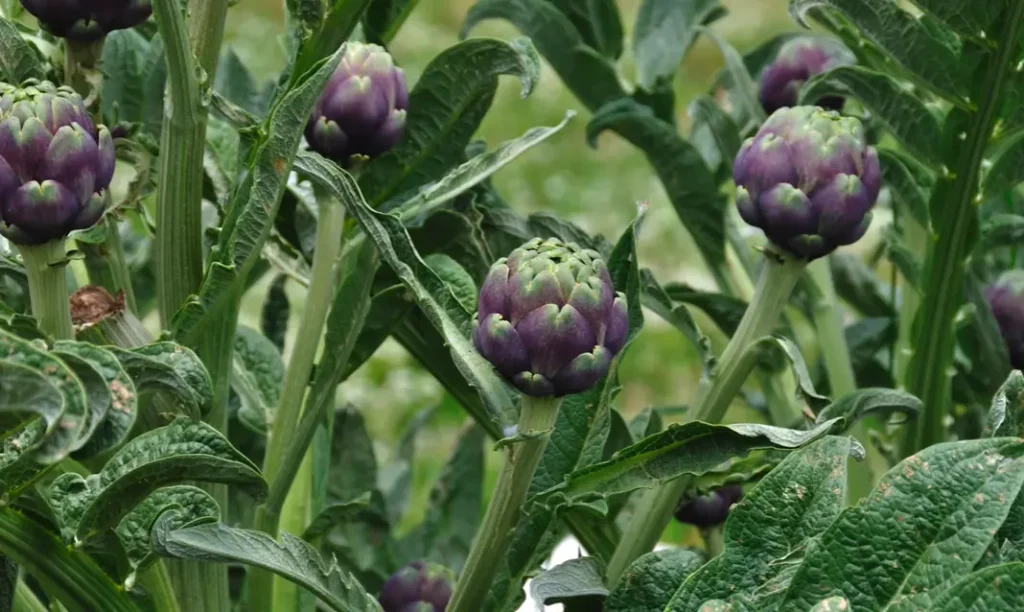
Artichokes come in several types, each with unique features. These varieties differ in taste, appearance, and growth habits. Understanding common artichoke types helps gardeners and cooks choose the right one.
Here are the main artichoke varieties you should know about.
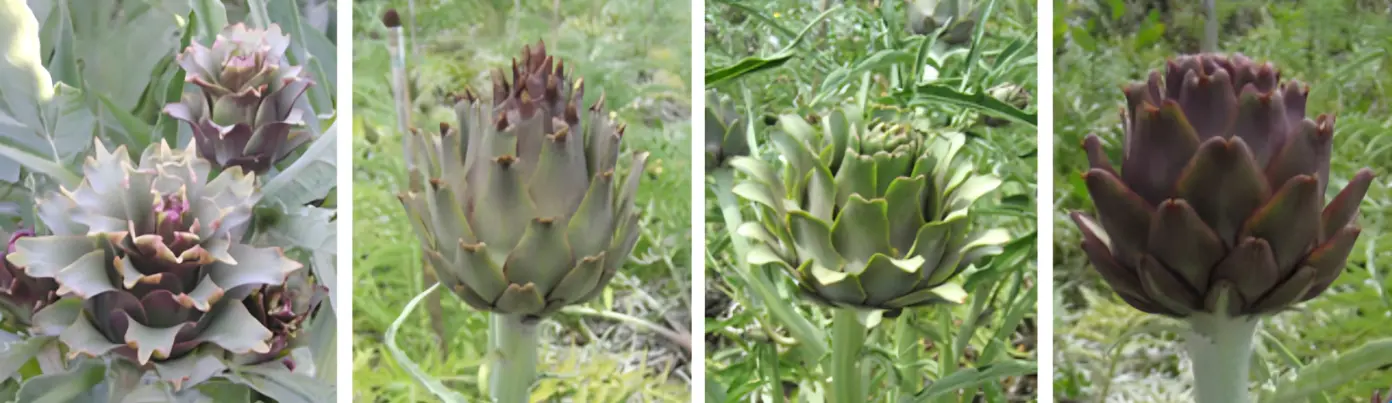
Globe artichokes are the classic type most people know. They have large, round buds with thick, edible leaves. These artichokes grow well in mild climates. Their flavor is mild and slightly nutty. Globe artichokes are often used in cooking and salads.
Jerusalem artichokes are not true artichokes. They are actually a type of sunflower. These plants produce edible tubers underground. The tubers taste sweet and nutty, similar to potatoes. Jerusalem artichokes grow easily and can thrive in many soils.
Chinese artichokes are small and knobby tubers. They have a crunchy texture and a slightly sweet flavor. These tubers grow in clusters underground. Chinese artichokes are popular in Asian cooking. They add a unique twist to many dishes.
Artichoke plants come in two main types: heirloom and hybrid. Each type has unique traits that appeal to different gardeners. Knowing their differences helps choose the right plant for your garden.
Heirloom artichokes are traditional varieties passed down for many years. They grow naturally and show more variety in shape and color. These plants often have richer flavors and textures. Heirlooms can adapt well to local climates and soils. They may need more care and take longer to mature. Gardeners value them for their natural qualities and history.
Hybrid artichokes are bred by combining two different plants. This process creates stronger, faster-growing plants. Hybrids usually resist pests and diseases better. They often produce larger and more consistent yields. These plants mature quicker, which suits short growing seasons. Hybrids offer reliable results with less effort. Many gardeners prefer hybrids for easy, high-quality harvests.
Artichoke plants have different climate needs. Choosing the right type helps them grow well. Some thrive in cool weather, while others prefer warmth. Understanding these preferences guides gardeners to better results.
Cool-season artichokes grow best in mild climates. They like temperatures between 50 and 70 degrees Fahrenheit. These plants need cool, moist conditions to produce large buds. They do not do well in hot, dry weather. Gardeners in cooler areas often choose this type.
Warm-season artichokes handle heat better than cool-season types. They grow well in temperatures from 70 to 85 degrees Fahrenheit. These plants can tolerate some drought and strong sun. They are ideal for warmer climates with mild winters. Growing them in the right climate boosts their success.
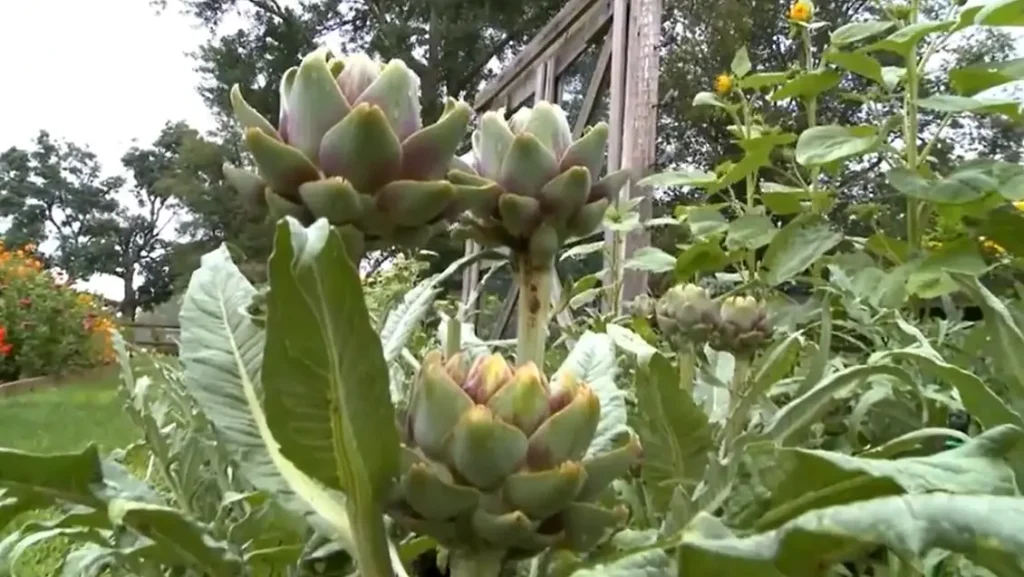
Planting artichoke plants requires careful steps to ensure healthy growth. Proper planting techniques help the plants thrive and produce good yields. Understanding how to start seeds and transplant seedlings is important for success.
Start artichoke seeds indoors 8 to 12 weeks before last frost. Use a seed tray with well-draining soil. Keep the soil moist but not soggy. Place the tray in a warm spot with indirect light. Seeds usually sprout in 10 to 20 days. Thin seedlings to one per cell after they grow two sets of leaves. Maintain a temperature around 70°F for best germination.
Transplant seedlings outdoors after the danger of frost passes. Choose a sunny location with rich, well-drained soil. Space plants 3 to 4 feet apart to allow room for growth. Harden off seedlings by exposing them to outdoor conditions for a week. Water plants deeply after transplanting to help roots settle. Mulch around plants to keep soil moist and reduce weeds.
Artichoke plants need the right soil and water to grow well. Good soil helps roots get air, water, and nutrients. Water keeps the plant healthy and helps it make its tasty buds. Understanding soil and water needs helps you grow strong artichoke plants.
Artichokes prefer soil that drains well. They do not like wet feet. Soil with lots of organic matter works best. It keeps moisture but does not stay soggy. A slightly sandy or loamy soil suits artichokes. The soil pH should be between 6.5 and 7.5. This range helps plants absorb nutrients easily.
Water artichokes deeply and regularly. They need about 1 to 2 inches of water each week. Water at the base to keep leaves dry. Wet leaves can cause diseases. Use mulch to keep soil moist longer. Avoid letting soil dry out completely. Consistent moisture helps buds grow big and tender.
Pest and disease management is key for healthy artichoke plants. Pests and diseases can harm the leaves, stems, and buds. This damage reduces the plant’s growth and the harvest quality. Careful monitoring helps catch problems early. Using safe treatments protects plants without harming the environment. Good management keeps your artichokes strong and productive.
Aphids are small insects that suck sap from leaves and buds. They cause curling and yellowing of leaves. Spider mites thrive in hot, dry conditions. They leave tiny webs on leaves and cause speckled damage. Artichoke plume moth larvae burrow into stems and flower heads. They weaken the plant and reduce yield. Slugs and snails feed on young leaves, leaving holes and slime trails.
Plant artichokes in well-drained soil to avoid root rot. Rotate crops yearly to reduce disease buildup in soil. Remove and destroy infected leaves and debris regularly. Water plants early in the day to allow foliage to dry. Use disease-resistant artichoke varieties when possible. Avoid overcrowding plants to improve air circulation. These steps reduce the chance of fungal and bacterial infections.
Harvesting and storing artichokes properly helps keep their fresh taste and texture. Knowing the right time to pick them and the best ways to store them can extend their shelf life. This section covers the key points of harvesting and storage for artichoke plants.
Harvest artichokes when the buds are tight and firm. The size should be about 3 to 5 inches wide. Pick them before the petals start to open. Open petals mean the artichoke is overripe and tough. Use a sharp knife or garden shears to cut the stem. Leave about 1 to 3 inches of the stem attached. Harvesting in the morning keeps the artichokes fresh longer.
Store artichokes in the refrigerator to keep them fresh. Place them in a plastic bag with holes for air circulation. Avoid washing before storage to prevent moisture buildup. Use within one week for the best taste and texture. For longer storage, freeze cooked artichoke hearts. Wrap them tightly in plastic wrap or foil before freezing. Proper storage maintains flavor and prevents spoilage.
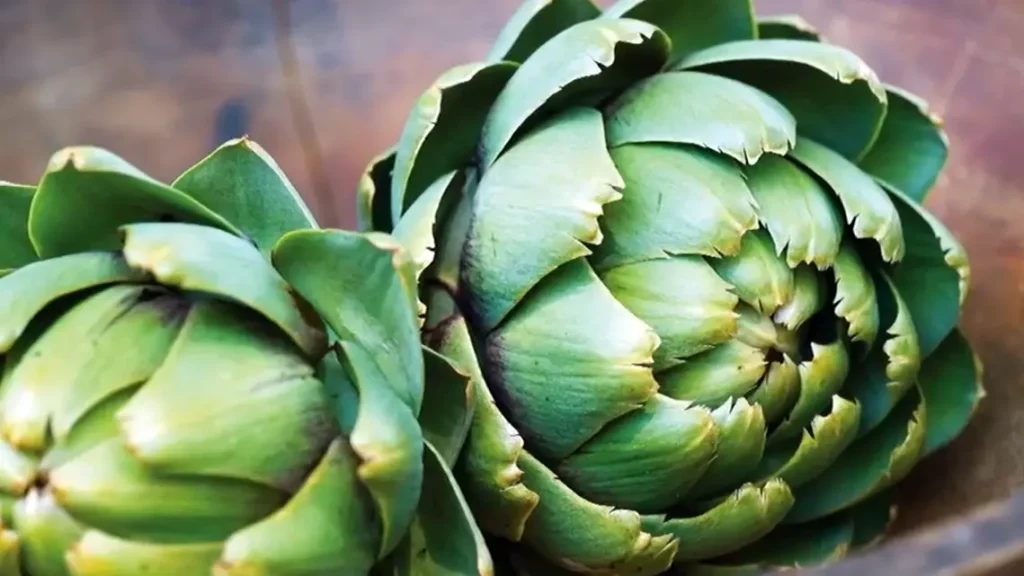
Artichoke plants mainly include globe, Jerusalem, and Chinese varieties, each with unique features and uses.
Globe artichokes have large, edible flower buds and are the most common type grown worldwide.
Yes, some artichokes prefer mild climates, while others like Jerusalem artichokes grow well in colder areas.
Globe artichokes are eaten as vegetables, Jerusalem artichokes serve as root vegetables, and Chinese types are used in teas.
Jerusalem artichokes are hardy and grow easily, making them ideal for beginner gardeners.
Artichoke plants come in many types, each with unique features. Some grow large and tall, while others stay small and compact. You can choose varieties based on your garden space and climate. Growing artichokes brings fresh, healthy food to your table.
Enjoy trying different types and find the best fit for you. Gardening with artichokes is both fun and rewarding. Explore these plants to add variety and flavor to your garden.