Gardening Made Simple.

Have you ever wondered what kinds of mushrooms might be growing right in your garden? Exploring the types of garden mushrooms can help you identify what’s safe, what’s beneficial, and even what you can grow yourself for a rewarding harvest.
Knowing the different types can help you appreciate your outdoor space more and even keep you safe from harmful varieties. You’ll discover the most common garden mushrooms, how to identify them, and why they matter to your garden’s health. Keep reading—you might be surprised by what’s hiding just beneath your feet!
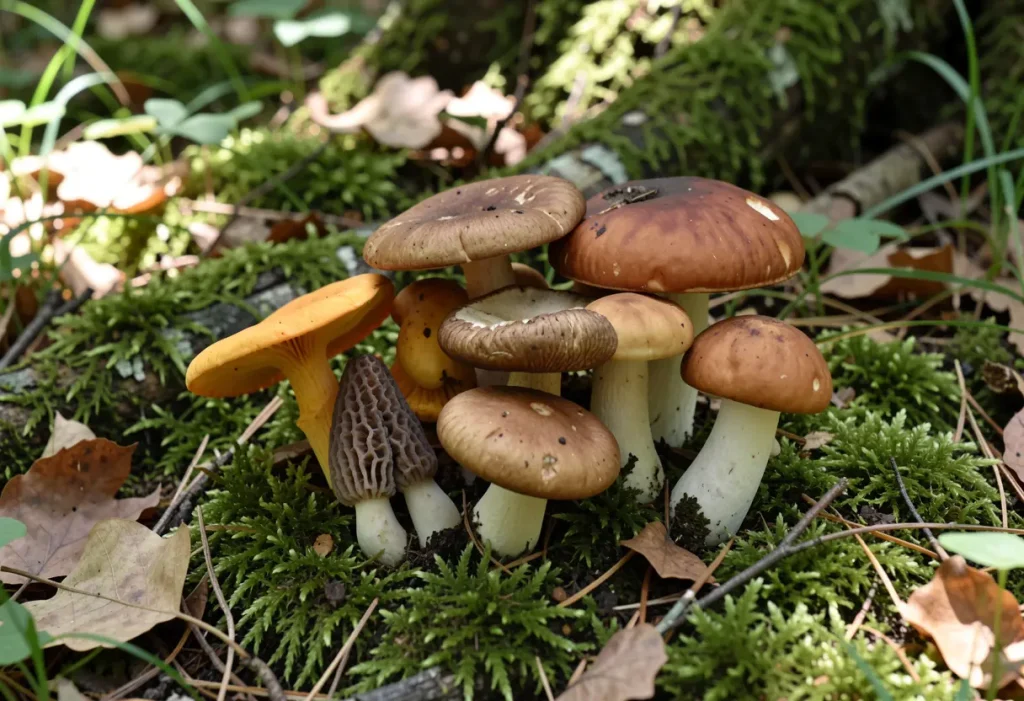
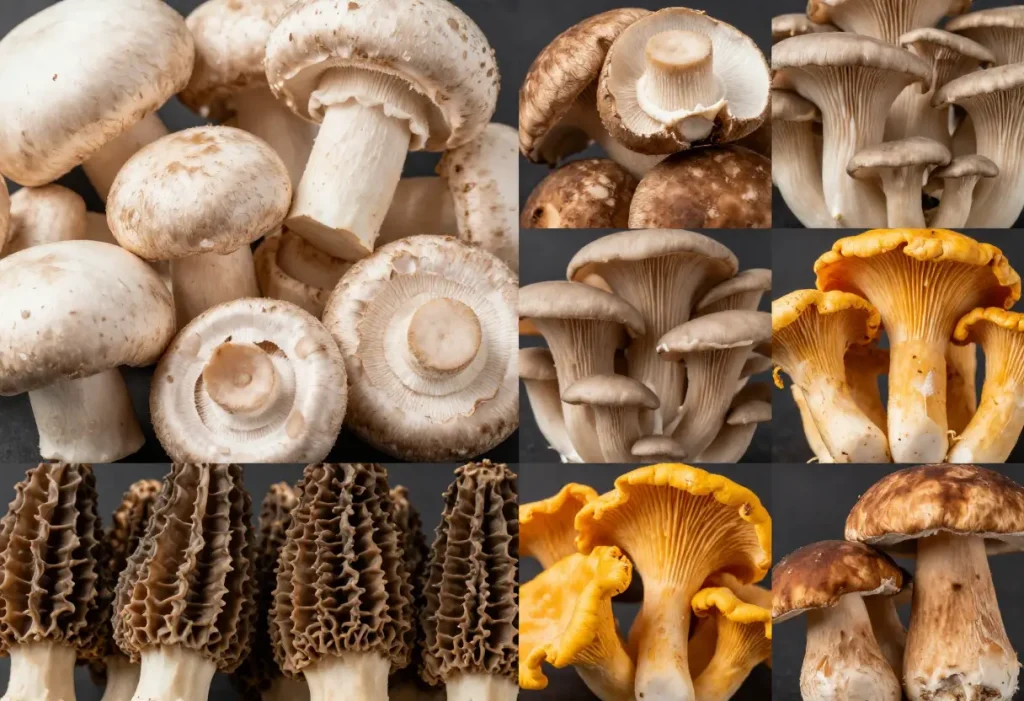
Common garden mushrooms are popular choices for home growers. They are easy to grow and add fresh flavor to meals. These mushrooms thrive in typical garden conditions and require minimal care. Many gardeners enjoy growing them for cooking and health benefits.
Button mushrooms are the most common type found in gardens. They have a small, round shape with a smooth white cap. These mushrooms taste mild and work well in many dishes. They grow best in compost-rich soil with moderate moisture.
Oyster mushrooms have a delicate texture and mild flavor. Their caps look like small oyster shells and come in colors like white, gray, or pink. They grow quickly on wood or straw and need cool, shady spots. Gardeners love them for their unique taste and easy growth.
Shiitake mushrooms have a rich, earthy flavor and a dark brown cap. They grow mainly on hardwood logs or sawdust. Shiitake mushrooms take longer to grow but offer strong taste and many nutrients. They are popular in Asian cooking and garden mushroom collections.
Wild mushrooms often grow naturally in gardens. They appear after rain and in shady spots. Many wild mushrooms are edible and tasty. Gardeners enjoy finding these mushrooms in their yards. Some wild mushrooms have unique shapes and colors. They add beauty and interest to garden spaces.
Understanding common types helps identify safe mushrooms. Here are three popular wild mushrooms found in gardens.
Morel mushrooms have a honeycomb-like cap. They are light brown or gray. Morels grow under trees and near garden mulch. These mushrooms are prized for their rich flavor. They must be cooked well before eating. Morels are seasonal and appear in spring.
Chanterelles are bright yellow or orange. They have a trumpet shape and smooth edges. These mushrooms grow in moist garden soil. Chanterelles have a fruity smell and mild taste. They are popular in many recipes. Harvest them carefully to keep the garden safe.
Porcini mushrooms have thick stems and brown caps. They grow near trees and garden plants. Porcini is famous for its nutty flavor. These mushrooms are firm and meaty. They appear in late summer and fall. Porcini mushrooms add depth to many dishes.
Mushrooms grow in many gardens, but not all are safe to eat. Some mushrooms are delicious and healthy. Others can cause sickness or worse. Knowing which mushrooms are safe is very important.
Garden mushrooms come in many shapes and colors. This can make it hard to tell which ones are good to eat. Learning to spot the differences can keep you safe and help you enjoy tasty mushrooms.
Edible mushrooms often have smooth caps and white or brown gills. Their stems are firm and clean. They usually have no strong odor or bright colors.
Poisonous mushrooms may have bright colors like red or yellow. Their caps can be slimy or scaly. Some have warts or spots on them. The stems might have rings or bulbous bases. They sometimes smell bad or sharp.
The Amanita family includes some of the deadliest mushrooms. The Death Cap and Destroying Angel are part of this group. Both look like edible mushrooms but cause severe poisoning.
Other toxic types are the False Morel and Jack-o'-Lantern. False Morels have wrinkled caps and can cause illness. Jack-o'-Lantern mushrooms glow faintly in the dark and are poisonous.
Growing mushrooms at home is a fun and rewarding activity. It allows you to enjoy fresh mushrooms anytime. You do not need a big garden or special tools. Just a small space and some patience will do. Many types of mushrooms grow well indoors. They can be a healthy addition to your meals.
Mushrooms need a good substrate to grow. The substrate is the material where mushrooms get nutrients. Common substrates include straw, wood chips, and coffee grounds. Some mushrooms prefer specific substrates. For example, oyster mushrooms grow well on straw. Button mushrooms like composted manure. Choose a substrate that suits your mushroom type. Make sure it is clean and free of chemicals.
Mushrooms like dark and moist places. The temperature should be between 55 and 75 degrees Fahrenheit. Keep the air humid but not wet. Too much water can cause mold. Good air circulation helps prevent problems. Avoid direct sunlight. Mushrooms grow best in quiet, stable environments.
Harvest mushrooms when caps open but before edges curl up. Use a sharp knife to cut mushrooms at the base. Do not pull them out to avoid damaging the mycelium. Harvest regularly to encourage new growth. Store fresh mushrooms in a paper bag in the fridge. Use them within a few days for best taste.
Caring for garden mushrooms is simple with the right steps. Proper care helps mushrooms grow healthy and strong. Mushrooms need specific conditions to thrive. Paying attention to water, humidity, pests, and diseases is key.
Mushrooms need moisture to grow well. Water the soil lightly but often. Avoid overwatering, which can cause mold. Keep humidity high around the mushrooms. Use a spray bottle to mist the air. Cover the growing area with a plastic sheet. This keeps moisture in without soaking the soil. Check daily to keep the balance right.
Pests like slugs and insects can harm mushrooms. Remove any visible pests by hand. Use natural pest repellents safe for mushrooms. Keep the growing area clean and dry. Remove dead leaves and plant debris quickly. Diseases often start in wet, crowded spaces. Provide good air flow around mushrooms. Inspect mushrooms regularly for spots or rot. Early action stops problems from spreading.
Mushrooms are more than just tasty additions to meals. They play important roles in the garden. Growing mushrooms can help improve the soil and support other plants. Understanding how mushrooms work in the garden helps gardeners make the most of them.
Mushrooms break down dead leaves and wood into nutrients. This process enriches the soil naturally. Healthy soil supports stronger plant growth. Mushrooms also help keep the soil moist. Their network of tiny threads, called mycelium, spreads underground. Mycelium improves soil structure and allows water to flow better. This helps plants get the water and nutrients they need.
Some mushrooms work well with specific plants. They help those plants grow by sharing nutrients. This partnership is called companion planting. For example, certain mushrooms help trees absorb minerals. This makes trees healthier and more resistant to disease. Planting mushrooms near vegetables can reduce pests. Mushrooms can create a better environment for all plants nearby.
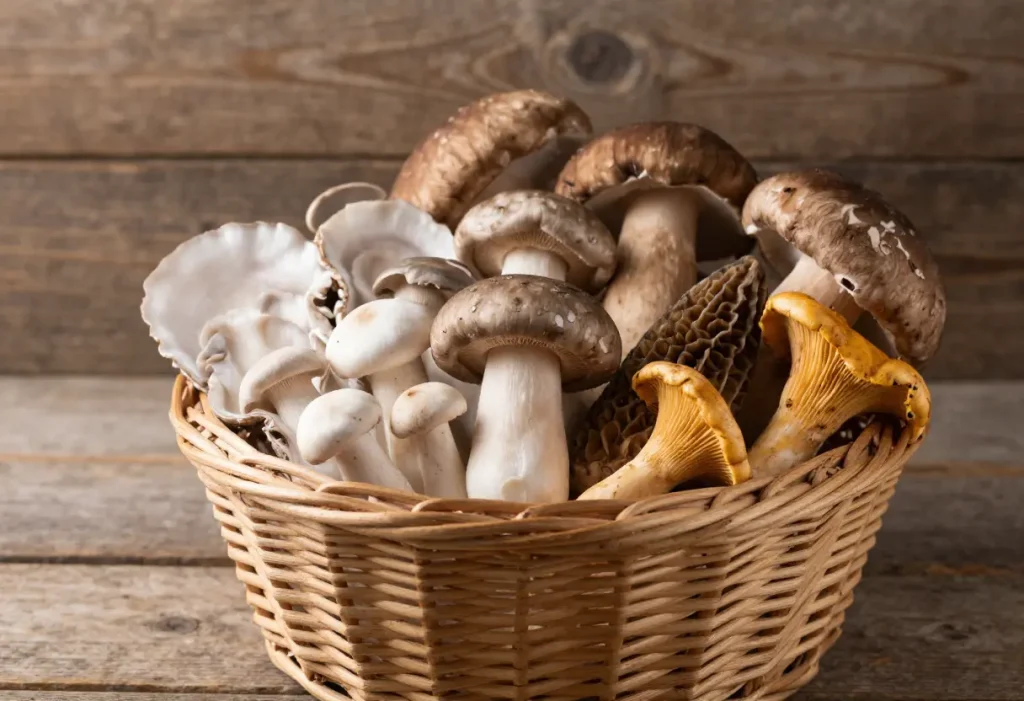
Common garden mushrooms include button, shiitake, oyster, portobello, and morel varieties.
Look for known shapes, colors, and avoid mushrooms with white gills or red spots.
Mushrooms prefer rich, moist, and well-drained soil with organic matter for best growth.
Rain creates moist conditions, which help mushrooms sprout and grow quickly in gardens.
No, some garden mushrooms are poisonous; always identify carefully before eating any mushroom.
Garden mushrooms come in many different types. Each type has unique shapes and colors. Some grow well in shady spots, others need sunlight. They add beauty and life to any garden space. Knowing which mushrooms suit your garden helps you grow them better.
Always handle mushrooms carefully and learn which are safe. Enjoy watching these natural wonders grow and change over time. Gardening with mushrooms can bring fun and learning to your outdoor space. Try different types to find what fits your garden best.
Mushrooms truly make gardens more interesting and alive.