Gardening Made Simple.
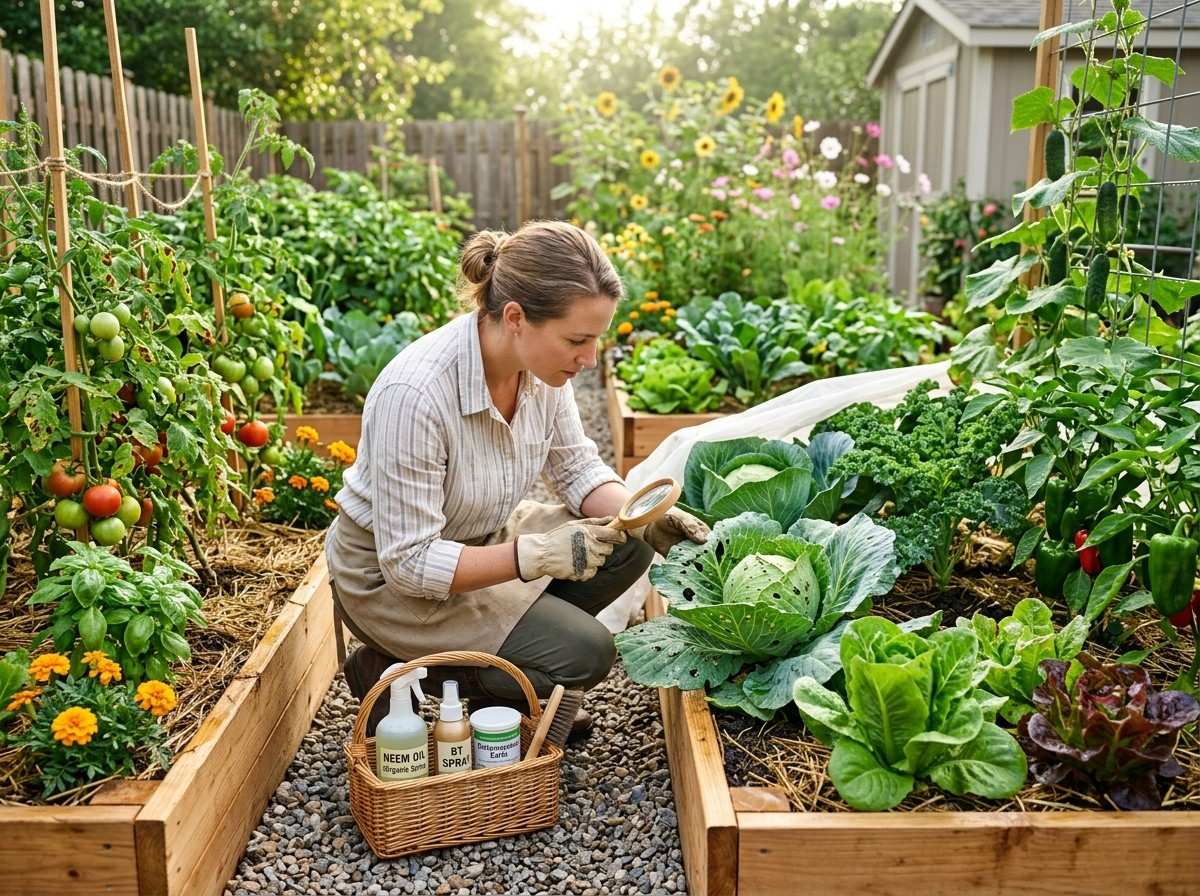
Vegetable Plant Pest And Disease Control Guide helps gardeners identify, prevent, and manage common plant problems before they damage your harvest. If you're looking for a vegetable plant pest and disease control guide, this resource covers effective prevention methods, natural and conventional treatments, and practical tips to keep your vegetables healthy, productive, and thriving throughout the growing season.
What if you could protect your plants easily and keep your harvest thriving? This guide will give you simple, effective ways to spot problems early and control them before they take over. Keep reading to discover how you can save your vegetable garden and enjoy fresh, healthy produce all season long.
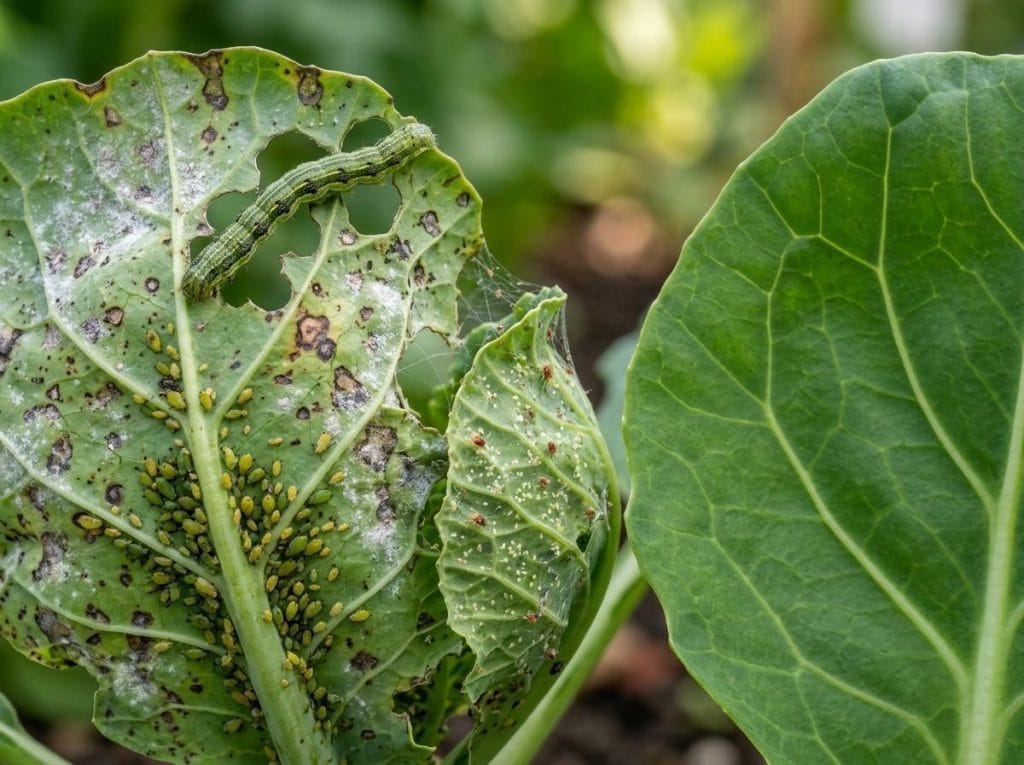
Vegetable gardens attract many pests that can harm plants and reduce yields. Knowing common pests helps protect your crops early. Each pest has a unique way of feeding and damaging plants. Identifying these pests quickly supports effective control.
Aphids are small, soft-bodied insects found on plant leaves and stems. They suck sap from plants, causing leaves to curl and yellow. Aphids also spread plant viruses, which stunt growth. Look for sticky honeydew on leaves, a sign of aphid presence.
Caterpillars are the larvae of moths and butterflies. They chew holes in leaves, creating uneven edges. Severe infestations can strip plants of leaves entirely. Watch for green or brown caterpillars hiding under leaves.
Whiteflies are tiny, white-winged insects found on the undersides of leaves. They feed by sucking plant sap, weakening plants. Whiteflies also produce honeydew, attracting ants and causing mold growth. Check leaves regularly for clusters of these pests.
Slugs and snails thrive in damp, shady garden areas. They feed at night, leaving irregular holes in leaves and stems. Their slime trails help locate them. Damage is worse in young plants and seedlings, slowing growth.
Vegetable plants often face attacks from various diseases. These diseases reduce the harvest and damage the plants. Knowing common diseases helps to spot problems early. Early action can save many plants.
This guide covers four frequent vegetable diseases. Learn their signs and causes to protect your garden.
Powdery mildew looks like white powder on leaves. It often starts on the older leaves first. The powder spreads quickly in dry, warm conditions. Infected leaves may curl or turn yellow. This disease slows plant growth and lowers yield.
Blight causes dark spots on leaves and stems. It spreads fast in wet weather. Leaves turn brown and die quickly. Blight can kill whole plants in days. This disease causes big losses in tomato and potato crops.
Root rot happens when soil stays too wet. Fungi attack the roots, making them soft and brown. Plants look weak and wilt even with enough water. Poor drainage and overwatering cause root rot. It stops plants from taking nutrients and water.
Leaf spot shows as small, round spots on leaves. Spots can be brown, black, or tan with a yellow edge. This disease spreads in wet, humid weather. It reduces photosynthesis and weakens plants. Removing infected leaves helps control leaf spot.
Natural pest control methods protect vegetable plants without harmful chemicals. They support healthy growth and keep pests away safely. These methods use nature’s own tools to manage pests and diseases. They improve soil health and encourage beneficial insects. Using natural ways helps the environment and your garden’s balance.
Beneficial insects eat or kill harmful pests. Ladybugs, lacewings, and praying mantises are common helpers. They feed on aphids, caterpillars, and other pests. Attract these insects by planting flowers like marigolds and daisies. Avoid using pesticides that harm helpful insects.
Companion planting uses certain plants to protect vegetables. Some plants repel pests naturally. For example, basil near tomatoes keeps flies away. Marigolds deter nematodes and beetles. Planting garlic or chives stops aphids and spider mites. This method creates a natural defense system.
Homemade sprays help control pests without chemicals. Mix water with garlic, chili, or neem oil. Spray on leaves to repel insects. Soap and water sprays can kill soft-bodied pests. These sprays are safe for plants and soil.
Crop rotation changes the planting area each season. Different crops stop pest and disease build-up. It breaks pest life cycles and reduces soil problems. Rotating crops also improves soil nutrients. This method keeps plants stronger and less prone to pests.
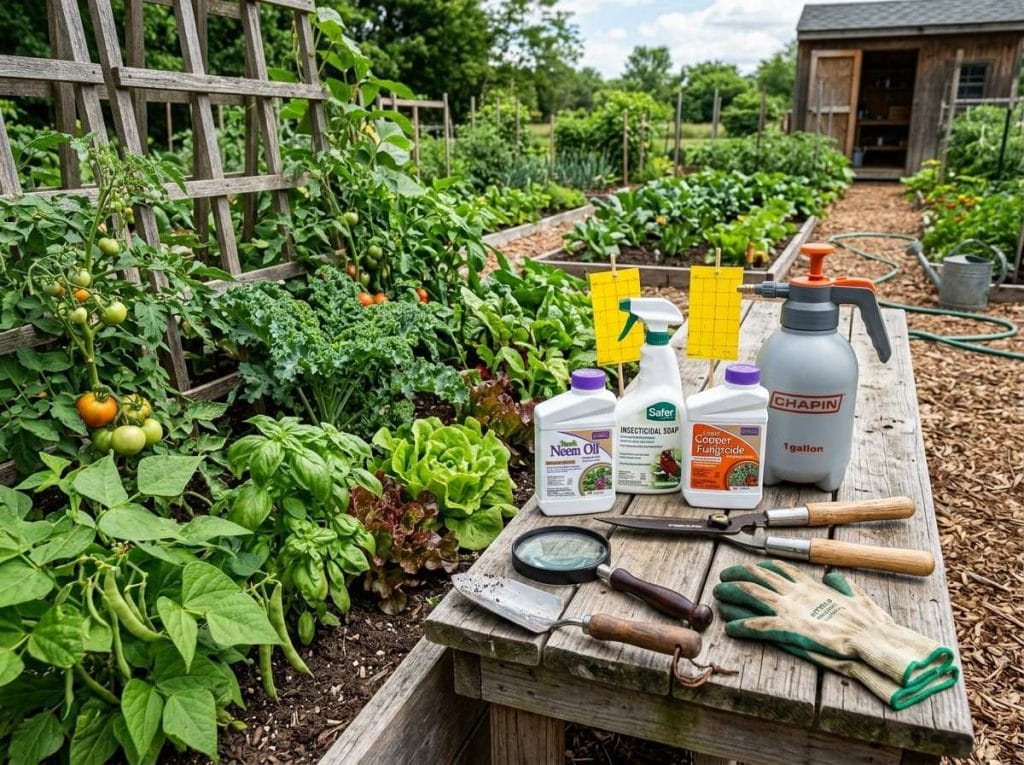
Chemical pest control can protect vegetable plants from harmful insects and diseases. Using chemicals carefully helps keep plants healthy and yields high. Follow safe methods to avoid damage to plants and the environment.
Choose pesticides that are labeled safe for vegetables. Check the active ingredients and avoid harmful chemicals. Use pesticides that target specific pests to reduce harm to beneficial insects. Organic or natural options are often safer for the garden.
Read the instructions on the pesticide label before use. Wear protective clothing to avoid skin contact. Spray evenly and avoid over-application. Apply pesticides on calm days to prevent drift to other plants. Clean equipment after use to prevent contamination.
Apply pesticides early in the morning or late in the evening. This timing reduces harm to pollinators like bees. Treat plants at the first sign of pests or disease. Repeat treatments as directed to fully control infestations.
Use the smallest effective amount of pesticide. Avoid spraying near water sources or windy areas. Rotate different types of pesticides to prevent pest resistance. Dispose of containers safely to protect soil and water.
Preventing diseases in vegetable plants helps keep your garden healthy. Disease prevention reduces the need for chemicals. It also improves plant growth and yield. A few simple steps can stop many common problems.
Healthy soil supports strong plants that resist disease. Add compost or organic matter to improve soil. Rotate crops each season to avoid disease buildup. Avoid planting the same vegetable in the same spot. Test soil for nutrients and adjust as needed.
Water plants at the base, not on leaves. Wet leaves invite fungal diseases. Water early in the day to let plants dry. Avoid overwatering, which causes root rot. Use drip irrigation or soaker hoses for best results.
Clean tools and remove plant debris regularly. Old leaves and stems can harbor pests and diseases. Dispose of infected plants away from your garden. Keep the garden area tidy to reduce disease spread.
Choose vegetable types that resist common diseases. Seed catalogs often list resistant varieties. Planting these lowers disease risk without chemicals. Resistant plants stay healthier and produce more.
Monitoring and early detection play a key role in controlling pests and diseases in vegetable plants. Catching problems early helps stop damage before it spreads. Careful observation gives gardeners a head start to protect their crops.
Regular checks keep plants healthy and productive. Early signs of trouble often show small changes. Using traps and barriers can catch pests before they harm plants. Keeping records helps spot patterns and plan better care.
Check your vegetable plants every few days. Look closely at leaves, stems, and soil. Search for spots, holes, or unusual colors. Inspect under leaves where pests hide. Early visits to the garden save time and effort.
Spotting pests early helps prevent major damage. Watch for small insects or eggs. Notice yellowing or curling leaves. Look for sticky residue or mold. Early signs are often easy to miss but clear once you know what to watch.
Place sticky traps near plants to catch flying insects. Use barriers like row covers to keep pests out. Traps help detect pests before they spread. Barriers protect young plants from harm. Both methods reduce the need for chemicals.
Write down what you see during inspections. Note the date, plant type, and any problems. Tracking pests over time reveals patterns. Patterns show when pests are most active. Use this information to plan treatments and prevent outbreaks.
Integrated Pest Management (IPM) is a smart way to protect vegetable plants. It uses many methods to control pests safely. This approach reduces harm to the environment and helps plants grow healthy.
IPM focuses on preventing pests and managing their numbers. It does not rely only on chemicals. Instead, it combines natural and human-made tools for better results.
IPM uses different ways to fight pests. Physical methods like handpicking bugs or using traps work well. Biological controls include helpful insects that eat pests. Chemical controls are used only when needed and in small amounts.
Mixing these methods lowers pest damage and keeps plants safe. This balance helps avoid pest resistance to pesticides.
Not all insects are harmful. Some bugs help by eating pests or pollinating plants. IPM protects these good insects by limiting pesticide use.
Healthy gardens have many beneficial species. They keep pest numbers low naturally. This balance supports strong vegetable growth.
Planting diverse crops and rotating them stops pest build-up. Healthy soil improves plant strength against pests. Proper watering and pruning reduce pest hiding places.
Using mulch and compost enriches soil and supports beneficial insects. These practices make gardens less attractive to pests over time.
IPM plans focus on lasting pest control, not quick fixes. Regular garden monitoring helps spot problems early. This allows action before pests spread widely.
Record keeping tracks pest trends and control success. It guides future pest management decisions. Planning ahead saves time and protects your vegetable plants.
Common pests include aphids, caterpillars, beetles, and whiteflies. These pests eat leaves, stems, and fruits. Early detection helps prevent serious damage.
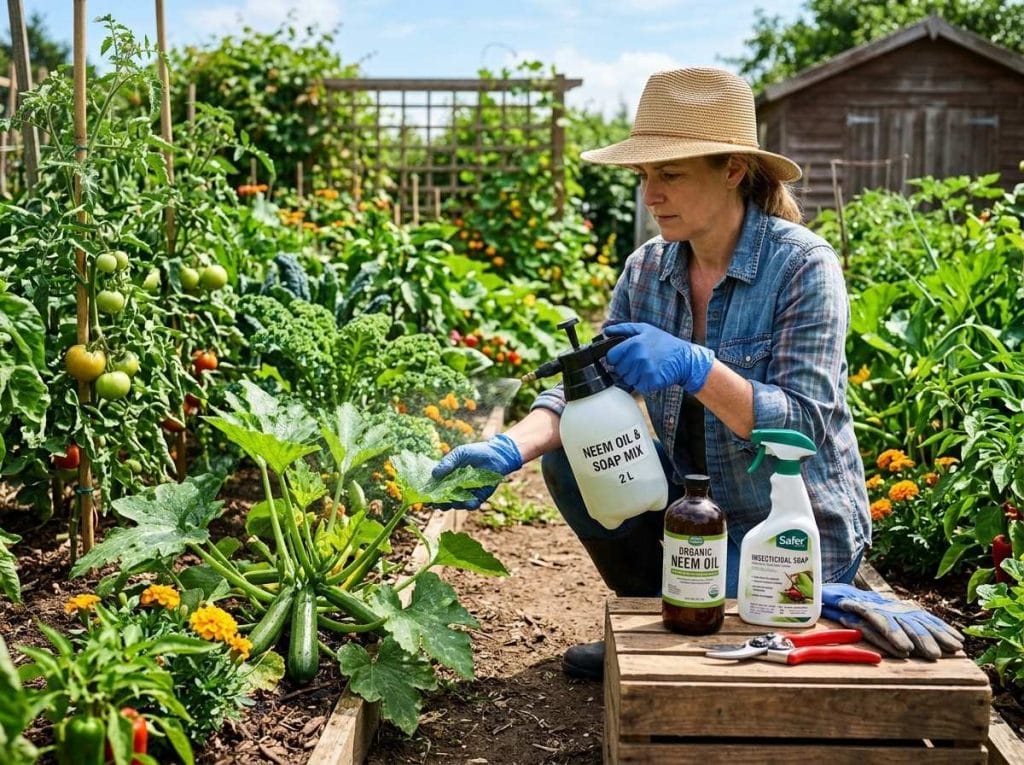
Use crop rotation, proper watering, and good air circulation. Remove infected leaves immediately to stop spread. Natural sprays like neem oil also help.
Look for holes in leaves, sticky residue, or discolored spots. Wilting or stunted growth can also indicate pests. Regular checking helps catch issues early.
Handpicking pests, spraying insecticidal soap, and encouraging helpful insects work well. Mulching and companion planting also reduce pest problems. These methods protect plants safely.
Check plants at least once a week, more during hot seasons. Frequent inspection catches pests before they multiply. Early action keeps plants healthy.
Controlling pests and diseases keeps vegetable plants healthy and strong. Use natural methods first to protect your garden safely. Regular checks help catch problems early and stop damage. Clean tools and good soil improve plant growth and reduce risks. Stay patient and watch your garden thrive over time.
Healthy plants mean better harvests and more joy. Keep learning and caring for your garden daily. Simple steps make a big difference in plant health. Your efforts will bring fresh, tasty vegetables to your table.