Gardening Made Simple.
Growing your own beets is a rewarding experience. They add color, flavor, and nutrition to many dishes. But timing is everything: harvesting too early means small roots and weak taste, while waiting too long can lead to tough, woody beets. Knowing When are Beets Ready to Harvest is both a science and an art. By learning the right signs, you can enjoy crisp, sweet roots and tender, flavorful greens at the ideal time.
This guide explains how to recognize the best moment to pick your beets, what factors affect harvest timing, and practical steps for getting the most from your garden.
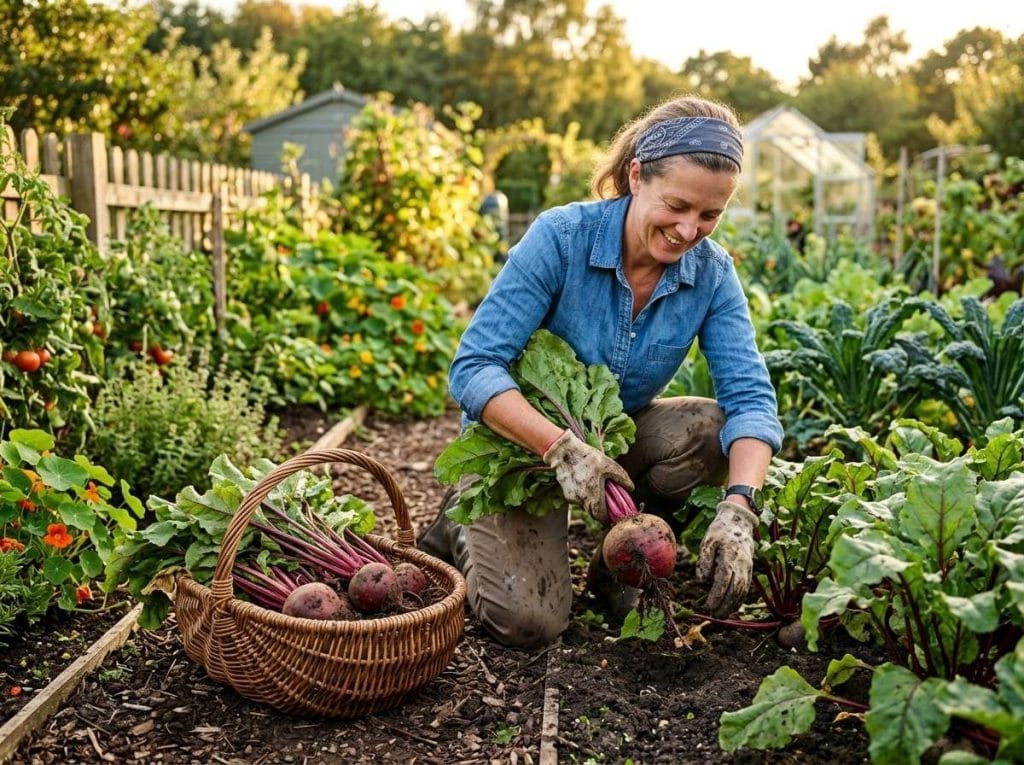
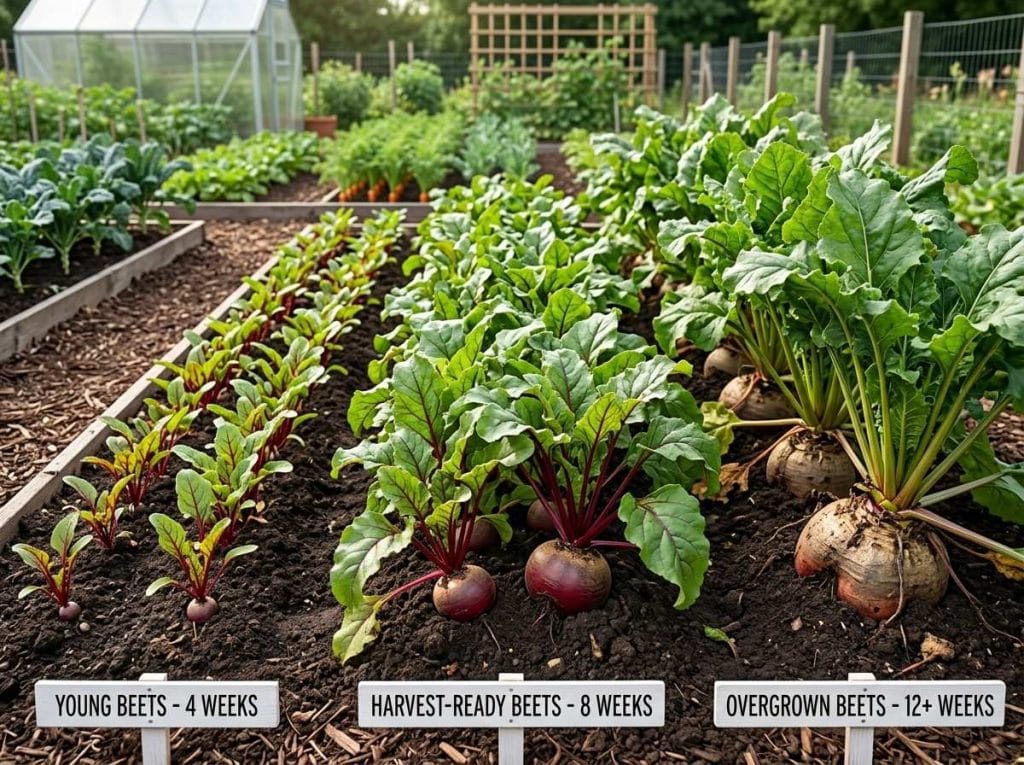
Beets, or Beta vulgaris, grow in stages. First, they develop leafy tops, then begin forming their root bulbs. The root, what we call the beet, is the main part you’ll harvest. Most varieties take about 50 to 70 days from planting to maturity, but weather, soil, and care all affect growth.
Beets are cool-season crops. They prefer temperatures between 55°F and 75°F. Too much heat slows growth and can cause tough, fibrous roots. If temperatures drop below 50°F for long periods, growth slows and roots stay small.
The beet’s lifecycle includes:
Not all beets mature at the same time, even in the same row. Watch each plant individually.
Knowing exactly when to harvest beets is mostly about visual cues and a bit of touch. Here are the most reliable signs:
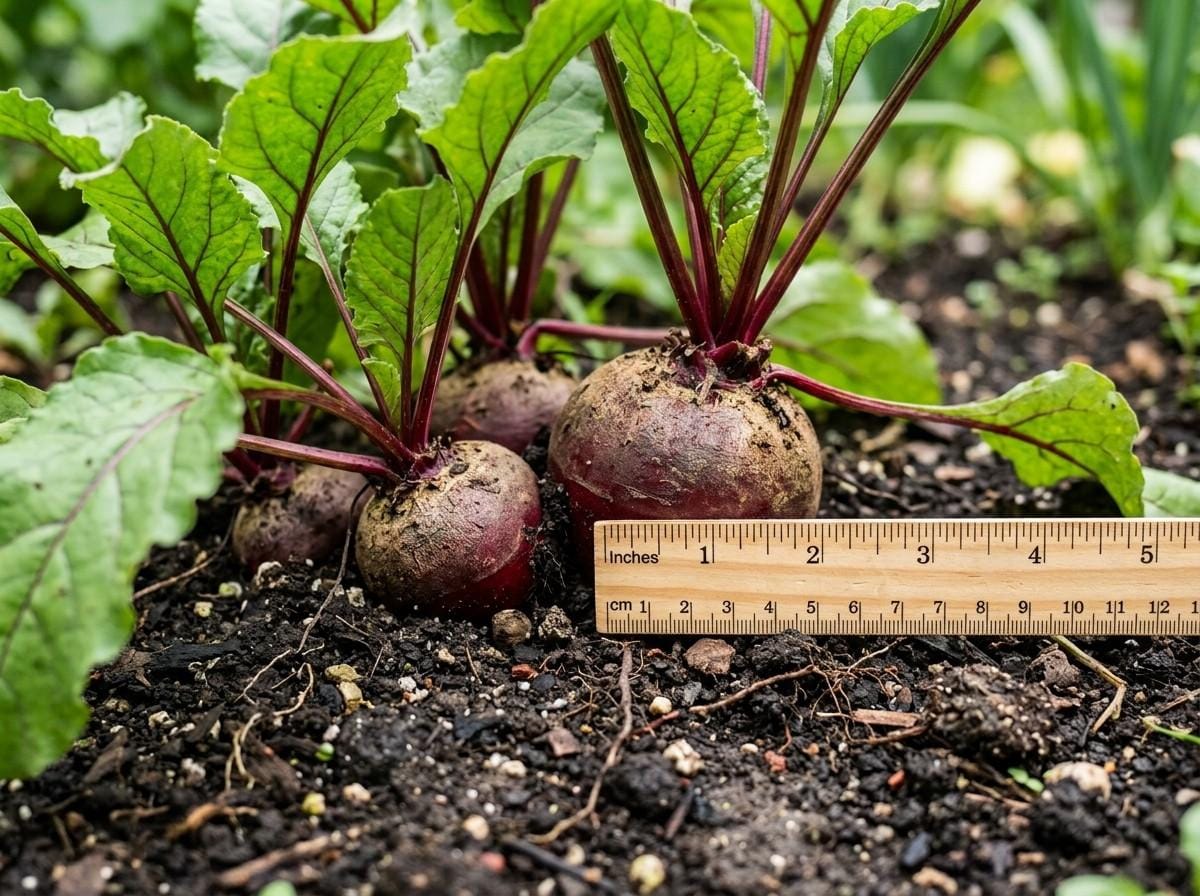
The most common harvest indicator is root diameter. Mature beets are usually 1.5 to 3 inches across. Smaller roots are tender and sweet, while larger ones can become woody. For baby beets, aim for 1 inch diameter.
To check, gently brush away soil at the base of the greens. If the root is about the size of a golf ball or slightly bigger, it’s ready.
Beet greens should be vibrant, upright, and healthy. Leaves that start to yellow or droop often signal that the roots are mature and the plant is shifting energy away from leaf growth.
Mark your calendar when you plant beet seeds. After 50–70 days, start checking roots every few days. This gives you a time window, but always check for size and firmness too.
A mature beet root feels firm, not soft. Soft roots mean the beet is overripe or affected by disease. Press gently to confirm firmness.
If you notice cracks on beet roots, it means they’re past peak maturity. Harvest immediately to avoid further decline.
Several conditions can change when beets are ready to harvest. Understanding these helps avoid mistakes.
Different beet types mature at different speeds. For example:
| Variety | Days to Maturity | Typical Root Size |
|---|---|---|
| Detroit Dark Red | 60 | 2-3 inches |
| Bull’s Blood | 55 | 1.5-2 inches |
| Golden Beet | 55-60 | 2 inches |
| Chioggia | 60 | 2 inches |
Always check your seed packet for the specific days to maturity.
Cool weather helps beets grow best. If your area gets sudden heat waves, roots may mature faster but can turn tough. In mild climates, beets might take longer to reach full size.
Well-drained, loose soil allows beets to grow evenly. Heavy clay or rocky soil slows growth and creates misshapen roots. Fertile soil with balanced nutrients (especially phosphorus and potassium) supports quicker, healthier development.
Consistent watering is key. Too little water and roots stay small; too much, and they crack or become mushy. Aim for 1 inch of water per week, adjusting for rainfall.
Crowded beets compete for nutrients and space. Roots may stay smaller or grow irregularly. Thin seedlings to 3 inches apart for best results.
Practical steps make checking easier. Follow these tips to avoid guessing:
Once you’ve confirmed your beets are ready, proper harvesting makes a big difference.
Harvest beets in the morning when roots are cool and full of moisture. Avoid harvesting during the hottest part of the day.
Use a garden fork or hand trowel to loosen soil. Pull gently by the greens, twisting slightly. If soil is hard, dig around roots first to prevent damage.
Do not wash beets right after harvesting. Brush off dry soil. Store roots in a cool, dry place. If you want to store for weeks, place them in the refrigerator’s vegetable drawer.
For longer storage:
Well-stored beets last up to 3 months.
Beet greens are edible and nutritious. You can harvest them before root maturity or with the roots.
Pick a few leaves from each plant once they’re 4–6 inches long. Never take all leaves from one plant, or roots will stop growing.
After pulling the roots, cut off all greens. Use them fresh or store in the fridge for up to 1 week.
Even experienced gardeners can make errors. Avoid these common mistakes:
Weather plays a big role in beet maturity. Here’s how different conditions affect harvest:
If temperatures drop below 40°F, beet growth slows. Roots may stay small but will be sweeter. If frost is predicted, harvest all beets.
Temperatures above 80°F can cause beets to bolt (flower early), making roots tough. Harvest immediately if you see flower stalks.
Heavy rain can cause roots to crack. Check after storms and harvest cracked beets first.
Dry spells stunt growth. Water regularly and mulch soil to retain moisture.
Different regions have different beet harvest calendars. Here’s a general guide for US climates:
| Region | Planting Month | Harvest Window |
|---|---|---|
| Northeast | April-May | June-August |
| Midwest | April-May | June-August |
| South | February-March | April-June |
| West Coast | February-May | April-August |
These are estimates. Weather can shift harvest times by several weeks.
Size matters, but flavor is just as important. Here’s how root size affects taste and texture:
| Root Size | Flavor | Texture |
|---|---|---|
| 1–1.5 inches | Very sweet | Soft, tender |
| 2–2.5 inches | Balanced | Firm, crisp |
| 3+ inches | Earthy, less sweet | Fibrous, tough |
For salads and roasting, aim for beets between 1.5 and 2.5 inches.
Many beginners miss these key points:
After you’ve picked your beets, proper handling keeps them fresh and tasty.
Brush off loose soil. Only wash roots right before use. If you store wet beets, they rot faster.
Separate by size and quality. Eat small or damaged beets first; store perfect roots for longer.
Wrap roots in paper towels or place in breathable bags. Never store with apples or pears; ethylene gas causes spoilage.
Rinse greens, dry them, and use in salads or cooked dishes. Greens are rich in vitamin A, vitamin C, and iron.
Some beets grow faster or slower. Here are popular varieties and their unique traits:
Check seed packets for exact maturity dates.
Organic beets may mature slower due to fewer synthetic fertilizers. However, flavor can be richer and roots often have better texture. Conventional beets may grow faster but sometimes lack depth of flavor. Both need careful harvest timing for best results.
A few pests and diseases change when you should harvest:
Inspect plants weekly and act quickly.
If you want beet seeds, let a few roots stay in the ground until they flower the next year. Beets are biennial: they flower and seed in their second year. You’ll need to overwinter roots in mild climates or store them until spring.
Beet roots and greens are most nutritious when harvested at peak maturity. Roots at 1.5–2.5 inches have highest antioxidant and vitamin content. Greens are richest in nutrients before they yellow.
If you’re new to beet growing, remember:
If roots are cracked, woody, or larger than 3 inches, they are overripe. Texture will be tough and flavor bland. Harvest immediately and use in soups where texture matters less.
Yes. Pick the largest beets first and let the smaller ones continue growing. This method gives you fresh beets over several weeks.
Beets tolerate light frost, but severe cold damages roots and greens. If frost is coming, harvest all remaining beets.
Absolutely. Greens are safe and nutritious. Use them within a week for best taste.
For in-depth advice, visit the University of Minnesota Extension website.
Growing beets takes patience and observation. With the right timing and careful harvest, you’ll enjoy sweet, crisp roots and healthy greens. Keep notes each season, and you’ll soon master the art of beet harvest.