Gardening Made Simple.
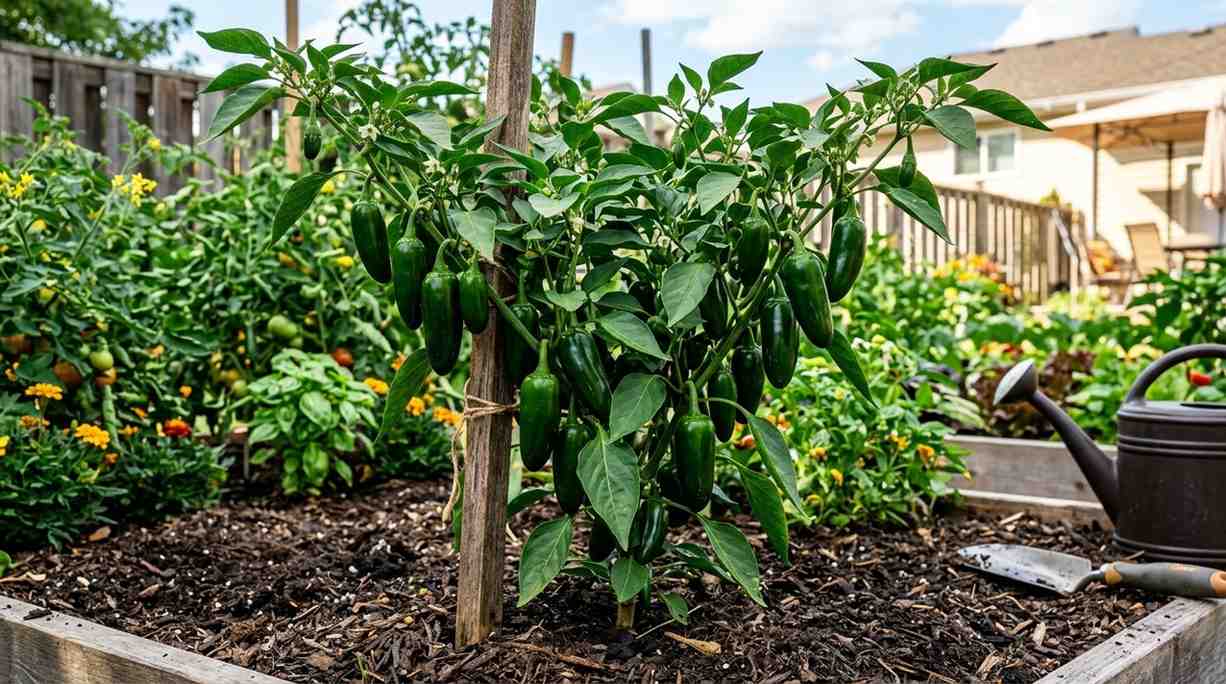
Jalapeño peppers are a favorite in many kitchens around the world. They bring a lively heat and fresh flavor to countless dishes, from salsas to stir-fries. But for home gardeners, knowing when are jalapeño peppers ready to pick can be confusing.
Picking too early or too late can impact the taste, texture, and heat level. This article will help you recognize the perfect time to harvest jalapeños, so you get the best flavor, highest nutrition, and ideal spiciness from your plants.
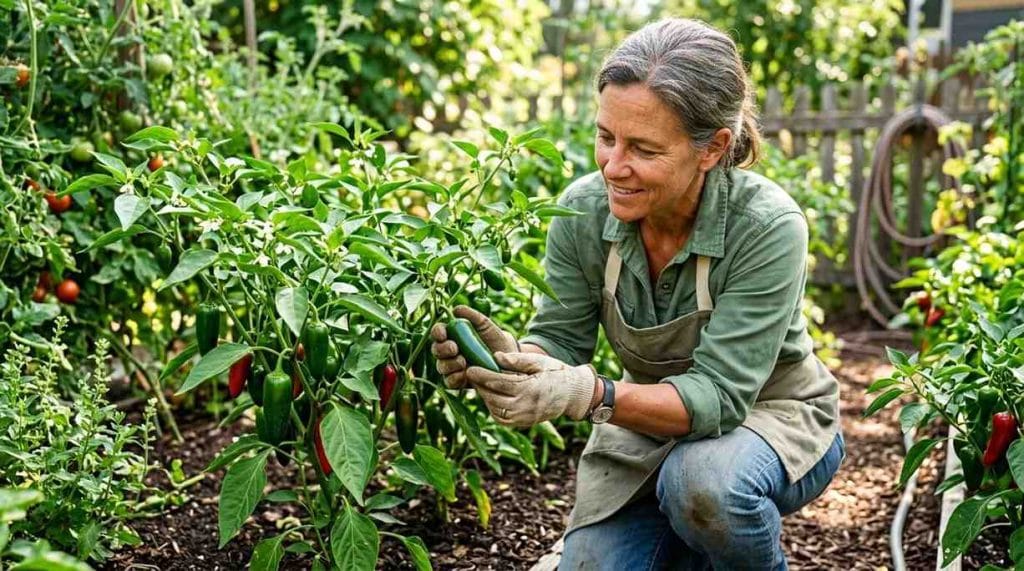
Jalapeño peppers start their journey as small, pale green buds on the plant. As they grow, they become larger, firmer, and deeper green. The process from seedling to harvest-ready pepper can take between 70 and 90 days, depending on the climate, care, and variety. Most jalapeños reach maturity at about 3 to 4 inches long.
It's important to know that jalapeños change color as they ripen. Young peppers are bright green. As they mature, they may turn dark green, then eventually red if left longer. Some gardeners prefer green jalapeños, while others wait for the red stage for sweeter, smokier flavors.
Not all peppers on a plant mature at the same time. You’ll notice some are ready while others still need weeks to grow. This staggered growth allows for a longer harvest period.
How can you tell if a jalapeño is ready? There are several signs to look for:
These signs can be used together to determine the best time to harvest.
Jalapeños are often picked when green, but letting them turn red changes their flavor and heat. Here’s a breakdown:
| Color Stage | Flavor Profile | Heat Level | Best Use |
|---|---|---|---|
| Bright Green | Fresh, grassy | Mild to medium | Salsas, salads |
| Dark Green | Rich, more intense | Medium | Grilled, stuffed |
| Red | Sweet, smoky | Hotter | Pickling, sauces |
If you prefer hotter jalapeños, let them ripen fully to red. For classic flavor and crunch, pick when they are deep green.
Not all jalapeños are the same size or shape. Some varieties, like Early Jalapeño or Jalafuego, may mature faster or grow larger. Knowing the specific variety helps predict harvest time. Check seed packet or nursery tags for the expected size and days to maturity.
Here’s a quick comparison of popular varieties:
| Variety | Typical Size | Days to Maturity | Heat Level |
|---|---|---|---|
| Early Jalapeño | 2-3 inches | 65 days | Medium |
| Jalafuego | 4-5 inches | 70-80 days | Hot |
| Craig’s Grande | 3-4 inches | 75 days | Medium-hot |
Always check the size against the expected variety. Picking too early can result in bland flavor and low heat.
Weather affects how fast jalapeños mature. Warm, sunny climates help peppers ripen faster. Cooler temperatures or shade can slow growth, meaning you may need to wait longer before picking.
Here are some weather-related tips:
If your peppers aren’t reaching full size or color, check for overcrowding or low sunlight. Sometimes, thinning plants or moving containers can improve results.
Corking is a unique feature in jalapeños. It looks like small, pale lines or cracks on the skin. Many beginners worry it’s a sign of disease, but it’s actually a mark of maturity.
Some gardeners prize jalapeños with corking because they are often more flavorful and hotter. Grocery stores sometimes avoid peppers with corking, but home growers know it’s not a problem.
If you see corking, your peppers are likely ready to pick. Don’t wait too long, as excessive corking can lead to tough skin.
Picking jalapeños is simple, but following the right steps helps avoid damage and ensures the plant keeps producing. Here’s how to do it:
After harvesting, wash the peppers to remove any dirt or pests.
Timing matters. Picking too early can result in:
Waiting too long means:
It’s a balance. If you miss the perfect window, peppers are still usable, but the quality drops.
Jalapeño peppers change in flavor and nutrition as they mature. Early green peppers are crunchy and mild, while red peppers contain more vitamin C and heat.
Nutrition facts per 100g:
| Ripeness | Calories | Vitamin C | Capsaicin (Heat) |
|---|---|---|---|
| Green | 29 | 118 mg | Medium |
| Red | 30 | 150 mg | High |
Capsaicin is the compound that gives jalapeños their heat. It increases as the pepper matures, especially after turning red.
For recipes needing crunch, pick green. For sauces or pickling, red jalapeños offer richer flavor and more nutrition.

Many beginners make mistakes that impact their harvest. Here are some to avoid:
Pay attention to the signs described earlier to maximize yield and quality.
Jalapeño plants produce for several weeks. Regular harvesting is important because:
Most gardeners harvest every 2-3 days during peak season. If you see mature peppers, pick them promptly.
It’s a personal choice. Here’s how to decide:
Some recipes, like chipotle peppers, require red jalapeños smoked and dried. If you want both types, stagger your harvest.
Once picked, jalapeños can be stored for several days at room temperature or up to two weeks in the refrigerator. For longer storage:
Keep peppers dry and avoid overcrowding in containers. Mold or rot develops quickly if peppers are damp.
To get the best jalapeños, follow these tips:
Healthy plants produce dozens of peppers in a season. If you notice poor growth or small peppers, check for pests or nutrient deficiency.
Home-grown jalapeños often taste better and are hotter than store-bought ones. This is because:
If you want peppers with maximum flavor and heat, grow your own and pick at the right time.
Picking jalapeños regularly helps the plant focus energy on new fruit. If you leave peppers on too long, the plant may slow down or stop producing.
Removing old, overripe peppers prevents disease and keeps the plant healthy. For best results, harvest every few days during peak season.
Many factors can change when jalapeños are ready:
If your peppers aren’t ripening as expected, check these factors and adjust as needed.
If you want professional results, follow these expert tips:
These steps help you get consistent, high-quality jalapeños every season.

Most jalapeño peppers take 70 to 90 days from planting to maturity. After flowering, it takes about 55-65 days for the pepper to reach picking size.
Yes, but immature peppers are less flavorful and have lower heat. Fully mature peppers offer better taste and nutrition.
Corking is the appearance of small white or tan lines on the skin. It’s a sign of maturity and not a disease. Corked jalapeños are often hotter and more flavorful.
Yes, jalapeños get hotter as they turn from green to red. Capsaicin increases during ripening, making red jalapeños more spicy.
Store fresh jalapeños in the refrigerator for up to two weeks. For long-term storage, freeze, dry, or pickle them.
Growing jalapeños is rewarding. Knowing when jalapeño peppers are ready to pick makes a big difference in flavor, heat, and yield. With careful observation and proper harvesting, you’ll enjoy peppers that are perfect for any recipe. For detailed botanical information, visit Wikipedia.
Take your time to learn your plants. Each garden and climate is unique, so use these tips, watch your peppers closely, and enjoy the fresh, spicy rewards.