Gardening Made Simple.

Have you ever opened your fridge, spotted those mushrooms, and wondered, “Are these still safe to eat?” Knowing exactly When Does Mushrooms Go Bad isn’t just about avoiding waste—it’s about protecting your health and making your meals taste their best. If you’ve ever been unsure whether your mushrooms are fresh or spoiled, this guide is for you.
Keep reading, and you’ll learn the simple signs to watch for, how to store mushrooms to keep them fresh longer, and what to do if they’ve passed their prime. Don’t let uncertainty ruin your next dish—discover the secrets to knowing when mushrooms go bad.
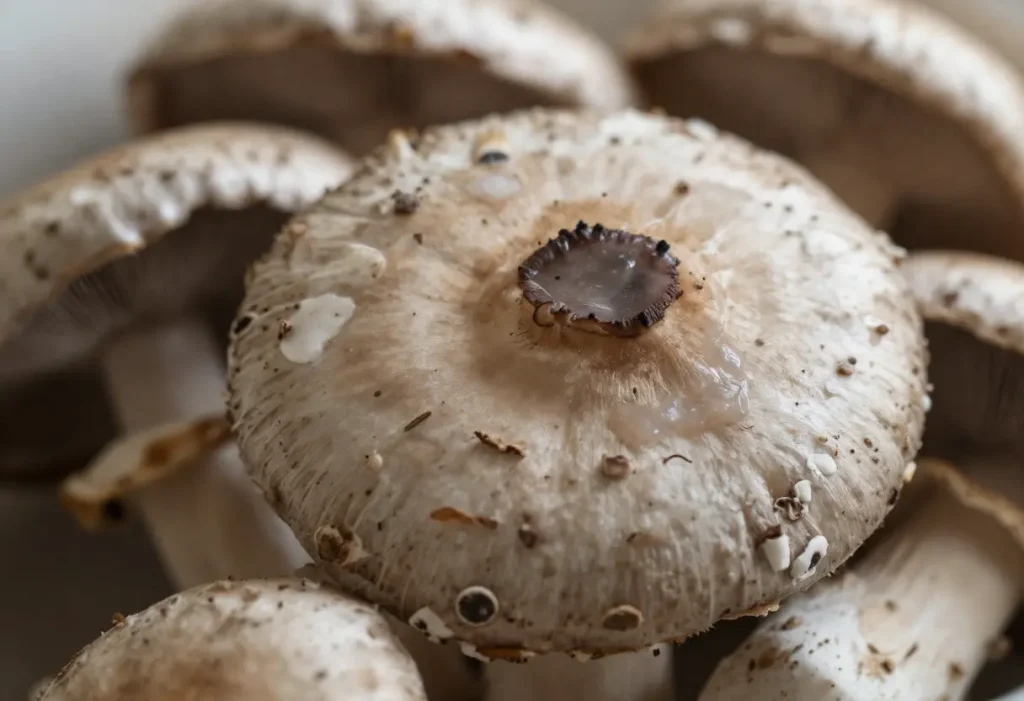
Mushrooms are a popular ingredient in many dishes worldwide. Knowing their shelf life helps avoid waste and foodborne illness. The shelf life depends on the type of mushroom and how you store it. Proper storage keeps mushrooms fresh longer and tasty.
Fresh mushrooms usually last 3 to 7 days in the refrigerator. White button mushrooms tend to spoil faster than portobello or shiitake. Look for slimy spots or a strong smell as signs of spoilage. Mushrooms become soft and dark when they start to go bad. Using them within a week ensures good texture and flavor.
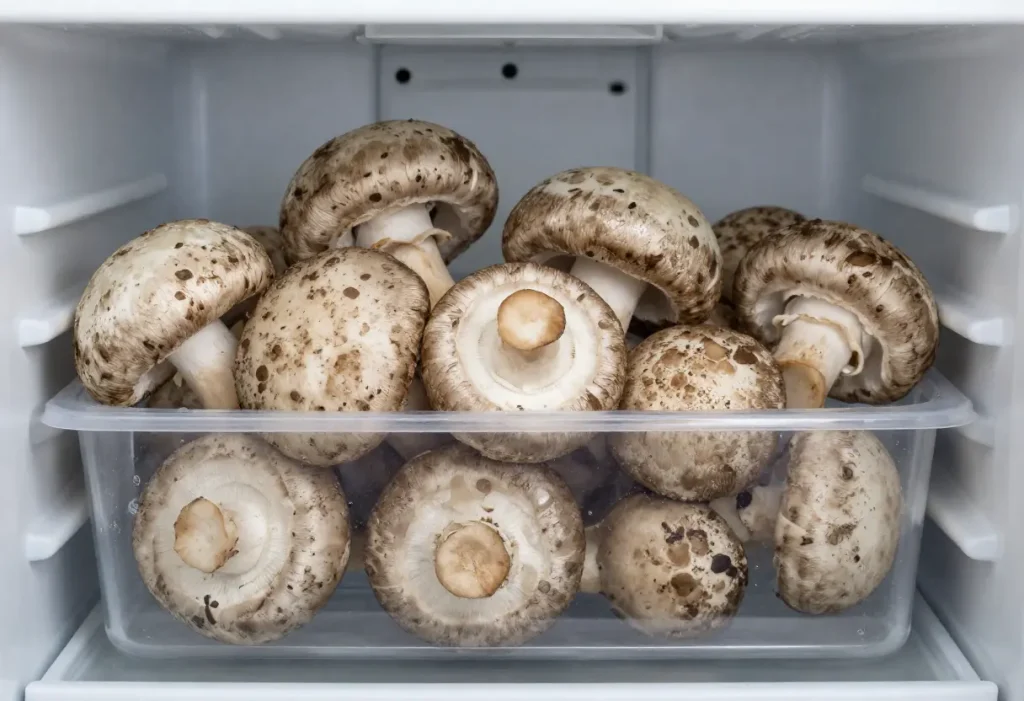
Storing mushrooms in a paper bag helps absorb moisture and keeps them dry. Avoid plastic bags, which trap moisture and cause mushrooms to spoil quickly. Keep mushrooms in the fridge, ideally in the vegetable drawer. Do not wash mushrooms before storing; wash only before use. Proper storage slows down spoilage and extends shelf life.
Mushrooms can spoil quickly without clear signs. Visual indicators help identify when they go bad. These signs show up before smell or taste changes. Checking mushrooms closely can prevent eating spoiled food. Look for differences in color and texture. Both can reveal early spoilage and protect your health.
Fresh mushrooms have a consistent color. White mushrooms stay creamy or white. Brown mushrooms keep their natural brown shade. Dark spots or patches mean spoilage. Yellowing or darkening shows mushrooms are aging. Any unusual colors like green or black should be avoided. These indicate mold or decay starting.
Fresh mushrooms feel firm and dry. Slimy or sticky surfaces mean spoilage. Mushrooms that feel soft or mushy are past their prime. Wrinkled or shriveled skin also signals aging. Avoid mushrooms that look wet or feel slippery. Texture changes are clear signs to discard them.
Smell and taste are key signs that mushrooms have gone bad. These senses help detect spoilage before eating. Mushrooms naturally have an earthy aroma and mild flavor. Changes in these clues warn about freshness and safety.
Fresh mushrooms have a clean, earthy smell. A sour or fishy odor means spoilage. Rotten mushrooms often smell musty or like mold. Any sharp, unpleasant scent means do not eat them. Trust your nose to avoid food poisoning.
Bad mushrooms taste bitter or sour. Fresh mushrooms have a mild, slightly nutty flavor. If the taste is off or strange, spit it out. Mushrooms that taste slimy or metallic are unsafe. Flavor changes are a clear sign to discard them.
Mold and sliminess are clear signs that mushrooms have gone bad. These changes affect both the look and safety of the mushrooms. Understanding these effects helps you avoid eating spoiled mushrooms.
Mold appears as fuzzy or powdery patches. Colors may be white, green, or black. Mold often grows on the surface and spreads quickly. Eating moldy mushrooms can cause stomach upset or allergies.
Sliminess occurs when mushrooms start to decay. Moisture builds up and breaks down the mushroom’s texture. Slimy mushrooms feel sticky or wet. This texture signals that the mushrooms are no longer fresh or safe to eat.
Consuming moldy mushrooms can lead to food poisoning. Slimy mushrooms may contain harmful bacteria. Symptoms include nausea, vomiting, and diarrhea. Always discard mushrooms showing these signs to stay safe.
Eating bad mushrooms can cause serious health problems. Spoiled mushrooms carry harmful bacteria and toxins. These can lead to food poisoning or other illnesses. Knowing the risks helps you stay safe and healthy.
Stomach pain, nausea, and vomiting are common symptoms. Diarrhea and fever may also occur. Symptoms usually start within hours after eating bad mushrooms. Severe cases need medical attention quickly.
Bacteria like Salmonella and E. coli can grow on old mushrooms. These bacteria cause infections and digestive troubles. Cooking may not kill all harmful bacteria if mushrooms are very spoiled.
Mushrooms with mold may produce dangerous toxins. These toxins can harm the liver and kidneys. Eating moldy mushrooms can cause allergic reactions too. It is best to avoid mushrooms with any mold.
Repeated exposure to spoiled mushrooms can weaken the immune system. Some toxins may cause lasting damage to organs. Always discard mushrooms that look slimy or smell bad. Staying cautious protects your health over time.
Mushrooms can spoil quickly if not cared for properly. Keeping them fresh longer saves money and reduces waste. Simple steps help keep mushrooms firm and tasty. Below are easy tips to extend mushroom freshness.
Keep mushrooms in a paper bag, not plastic. Paper lets air flow and stops moisture buildup. Avoid washing mushrooms before storage; moisture causes them to spoil faster. Store mushrooms in the main fridge compartment, not the coldest part. Check them often and remove any slimy or dark ones.
Handle mushrooms gently to avoid bruising. Use a soft brush or damp cloth to clean dirt. Cut mushrooms only when ready to cook. Avoid soaking mushrooms in water, as they absorb it and become soggy. Store leftovers in a sealed container and use them within a day or two.
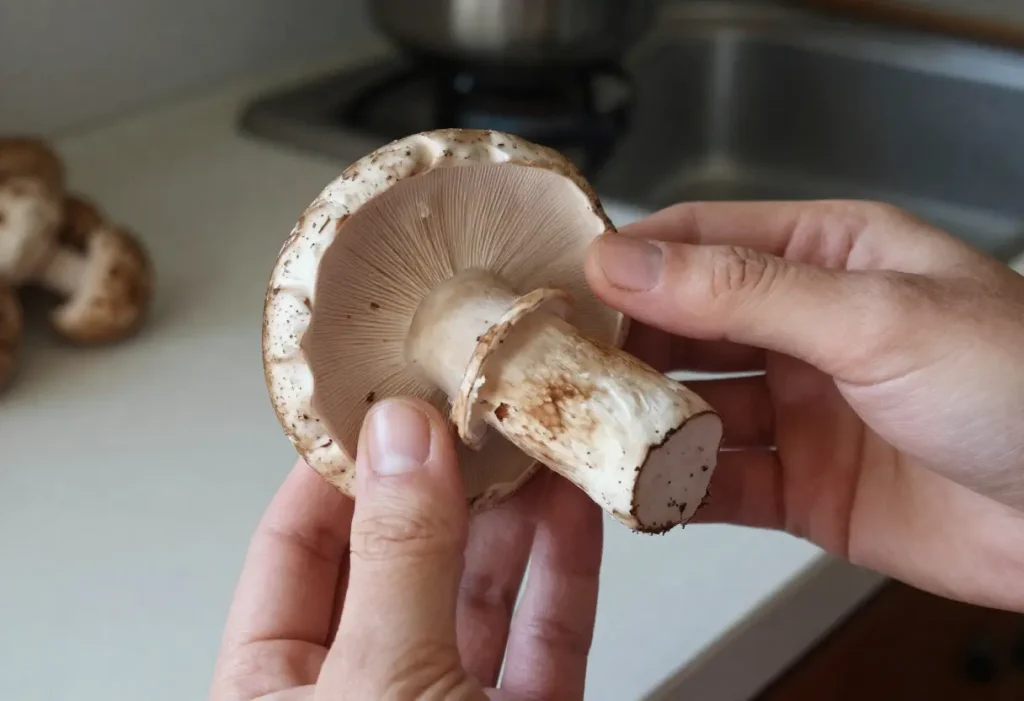
Fresh mushrooms usually last 5 to 7 days in the fridge when stored properly.
Look for sliminess, dark spots, and a sour or fishy smell as signs of spoilage.
Light browning is normal; avoid eating if mushrooms feel slimy or smell bad.
Yes, freezing extends shelf life but changes texture, best for cooked dishes.
Store mushrooms in a paper bag in the fridge to keep them dry and fresh.
Mushrooms spoil faster than many people expect. Watch for slimy texture and dark spots. A bad smell is a clear sign. Store mushrooms in a cool, dry place. Use them within a week for best taste. Throw away mushrooms that look or smell strange.
Eating fresh mushrooms keeps your meals safe and tasty. Simple checks save you from food waste. Keep these tips in mind to enjoy mushrooms longer. Fresh mushrooms make every dish better.