Gardening Made Simple.
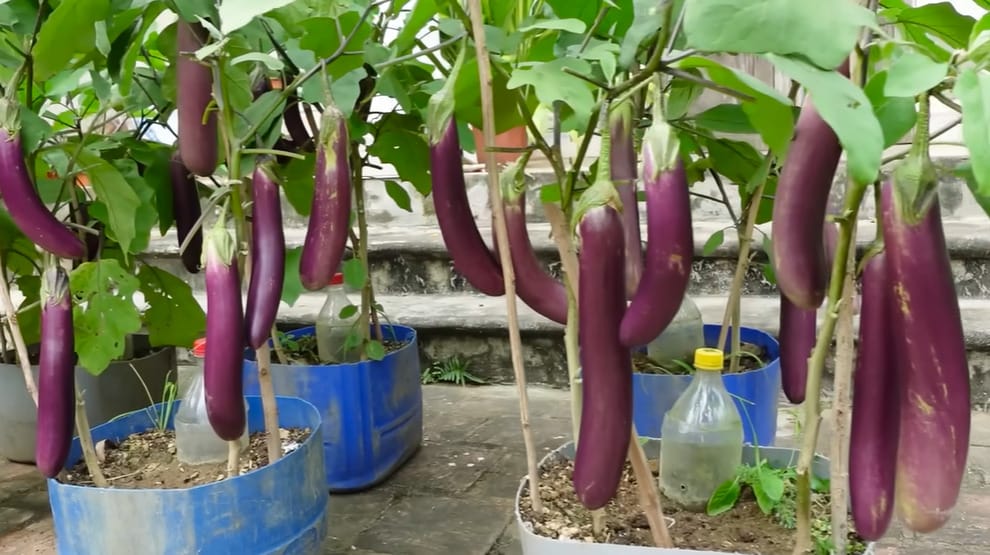
Are you growing Japanese eggplants or thinking about buying them fresh? Knowing exactly When to Pick Japanese Eggplant can make all the difference in taste and texture. Picking at the right time ensures tender, flavorful fruits and a more enjoyable harvest every season.
If you pick them too early, they might be bitter and tough. Wait too long, and they can become seedy and dull. You’ll discover simple signs to look for that tell you the perfect moment to harvest or choose your eggplants.
By the end, you’ll be confident in getting the best flavor and quality every time. Keep reading to unlock the secrets to picking Japanese eggplant like a pro!
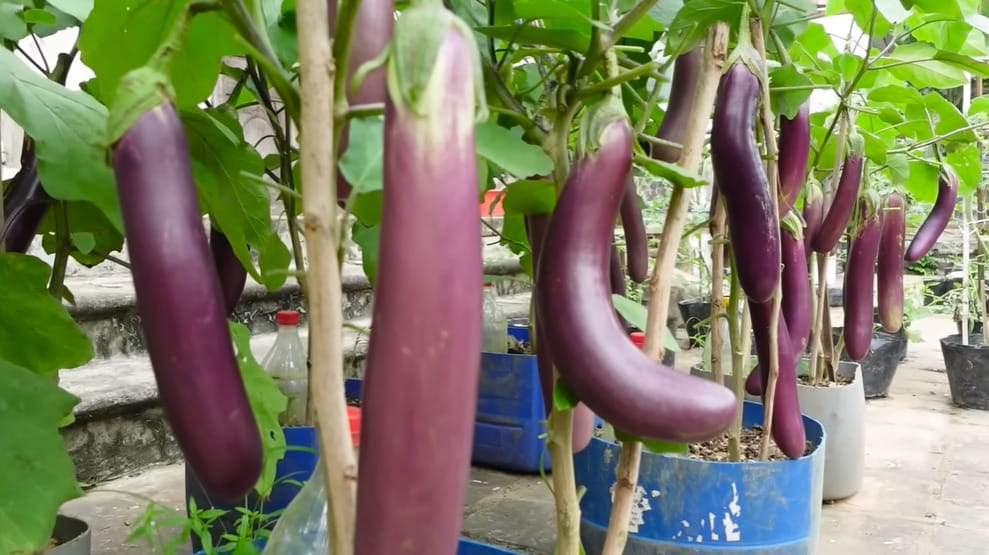
Knowing the signs of ripeness helps you pick the best Japanese eggplant. This vegetable is at its best when it is ripe. Ripe eggplants taste sweeter and have a better texture. Use these simple tips to check if your eggplant is ready to harvest or buy.
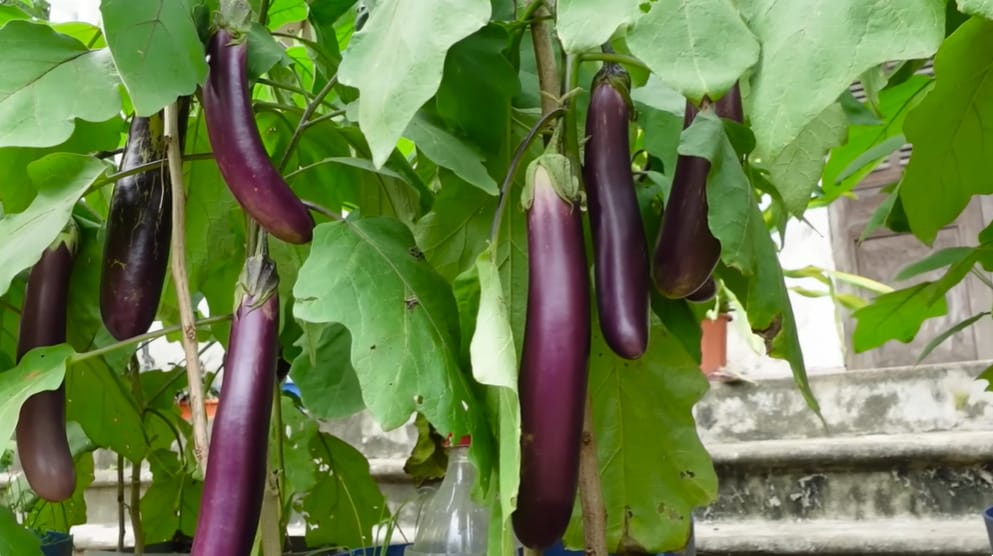
Ripe Japanese eggplants have a deep purple color. The skin should be shiny and smooth. Dull or faded skin means the eggplant is overripe or old. Bright, glossy skin shows freshness and good quality.
In addition, check the color under natural light if possible. Uneven patches, brown spots, or yellowing near the stem often indicate aging. Fresh eggplants reflect light clearly, which is a strong sign of proper ripeness and recent harvest.
Look for eggplants that are medium-sized. Too large can mean the inside is bitter or full of seeds. Japanese eggplants are usually long and slender. They should have a uniform shape without wrinkles or dents.
Also, avoid eggplants that look swollen or bloated, as this often means overmaturity. A well-shaped eggplant feels balanced in hand and has a smooth curve. Consistent size usually indicates healthy growth and better flavor.
Gently press the eggplant with your finger. It should feel firm but slightly soft. Too hard means it is not ripe yet. Too soft means it is overripe and may be mushy inside. A perfect eggplant springs back after pressing.
Pay attention to how quickly the skin returns to its original shape. Slow recovery suggests internal breakdown. Firm flesh ensures better texture during cooking and prevents bitterness, making the eggplant ideal for stir-fries, grilling, or curries.
Timing the harvest of Japanese eggplant is key to getting the best flavor and texture. Picking too early or too late can affect its taste and firmness. Knowing the right time helps ensure the eggplants are tender and delicious.
Japanese eggplants usually take 50 to 70 days to mature. Count the days starting from the seed planting date. This range gives a good estimate of when the fruit should be ready. Check the size often as the days pass.
Warm seasons speed up growth. Cooler weather slows it down. Plant eggplants after the last frost for best results. Harvest before cold weather begins to avoid damage. Seasonal changes affect how fast the fruit ripens.
Too much rain can cause the fruit to crack. Strong sun can make the skin tough. Dry, warm days help eggplants grow well. Watch the weather closely. Adjust your harvest timing to protect the fruit quality.
Picking Japanese eggplants requires the right tools to protect the plant and fruit. Using proper tools helps you harvest smoothly and safely. It also keeps the eggplants fresh and undamaged. Below are some key tools and tips for picking Japanese eggplants.
Pick a sharp, small knife for cutting eggplants. A paring knife or a garden knife works well. Sharp edges make clean cuts on the stem. This prevents damage to the plant and fruit. Dull knives crush the stem and harm the eggplant.
Pruners can cut thick stems quickly and cleanly. Use bypass pruners for a smooth cut. Avoid anvil pruners, as they may crush stems. Keep pruners clean to stop disease spread. Hold the tool firmly and cut away from your body.
Handle eggplants gently to avoid bruises. Hold the fruit with one hand and cut the stem with the other. Support the eggplant while cutting to stop it from falling. Place picked eggplants in a basket lined with soft cloth. This keeps them fresh and damage-free.
Picking Japanese eggplants at the right time is key for the best taste and texture. Many gardeners make simple mistakes that hurt the quality of the fruit. Knowing what to avoid helps you get the best harvest.
Eggplants picked too soon are small and bitter. They lack the full flavor and shine. The skin feels hard and dull. Wait until the fruit is firm but not too big. Early harvesting wastes your effort and plants.
In addition, immature Japanese eggplants often fail to develop their natural sweetness and smooth texture. Their flesh can be spongy and unpleasant when cooked. Allowing the fruit to mature properly ensures better color, softer seeds, and improved cooking quality, especially for stir-frying and grilling.
Leaving eggplants on the vine too long makes them tough and bitter. The skin turns dull and may crack. Seeds inside become hard and unpleasant. Pick them at the right size for tender, tasty fruit.
Overripe Japanese eggplants also drain energy from the plant, reducing future yields. The flesh becomes dry and chewy, losing its delicate flavor. Regular harvesting encourages continuous fruit production and keeps the plant healthy, productive, and focused on growing new, high-quality eggplants.
Pulling or twisting the eggplant can harm the plant. Broken stems slow future growth. Use scissors or pruning shears to cut the fruit carefully. A healthy plant means more and better eggplants later.
Rough handling can also invite diseases and pests through open wounds on the stem. Clean, sharp tools reduce stress on the plant and help it recover quickly. Gentle harvesting protects branches, supports ongoing flowering, and extends the overall harvesting season.
Knowing how to care for Japanese eggplant after harvesting keeps it fresh and tasty. Proper post-harvest handling helps maintain its texture and flavor. Simple steps can extend its shelf life and prepare it for cooking. Follow these tips to get the best from your harvest.
Store Japanese eggplant in a cool, dry place. Avoid direct sunlight or heat sources. Wrap it loosely in a paper towel. Place it in a plastic bag with small holes. Keep it in the refrigerator’s vegetable drawer. Use the eggplant within one week for best taste.
Keeping humidity balanced is important to prevent shriveling or mold growth. Do not store eggplant near the freezer section, as cold injury can damage the flesh. Always handle gently to avoid bruises, which can shorten shelf life and affect flavor during cooking.
Wash the eggplant gently under cool water. Pat it dry with a clean towel. Cut off the stem before cooking. Peel the skin only if it is tough. Slice or chop according to your recipe. Remove seeds if they taste bitter.
For better texture, cut the eggplant just before cooking to reduce browning. If bitterness is a concern, sprinkle slices lightly with salt and let them rest for a few minutes. Rinse and dry again before cooking for improved taste and consistency.
To keep eggplant fresh longer, avoid washing before storage. Store away from fruits like apples and bananas. These fruits release gases that speed up ripening. Use airtight containers or reusable wraps. Check eggplants daily for soft spots or spoilage.
Regular inspection helps prevent one spoiled eggplant from affecting others. If you notice minor surface damage, use that eggplant immediately. For longer preservation, consider slicing and freezing cooked eggplant. Label storage containers with dates to track freshness easily.
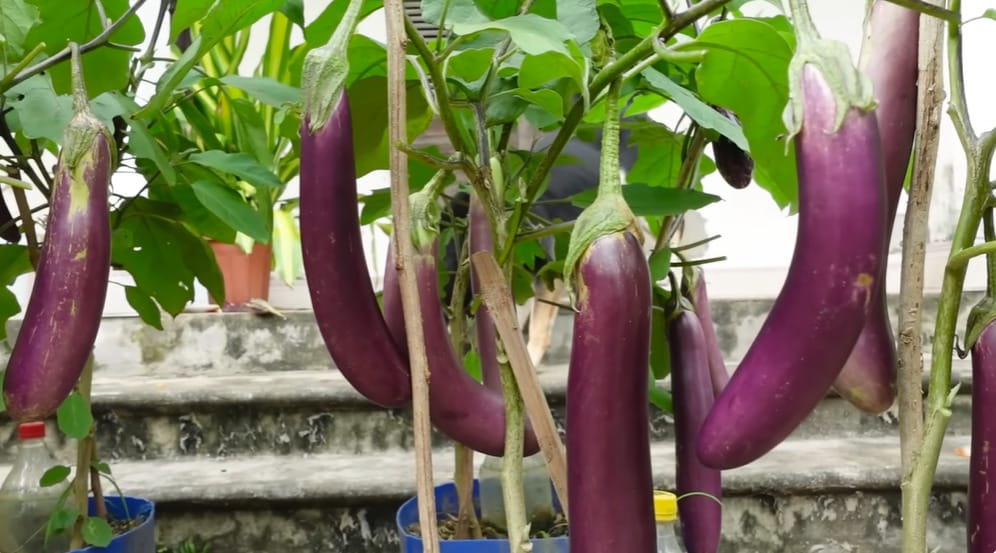
Ripe Japanese eggplants have smooth, shiny skin and feel firm but not hard.
They turn deep purple with a glossy finish when ready for harvesting.
Picking too early gives a bitter taste and smaller size in the eggplant.
They are best picked at 6 to 8 inches long for best taste.
Older eggplants become tough, bitter, and develop many seeds inside.
Picking Japanese eggplants at the right time ensures the best taste. Choose fruits that are firm and shiny with smooth skin. Avoid those that look dull or feel soft. Smaller eggplants tend to be sweeter and less bitter. Freshness matters, so harvest before the fruit gets too big.
This way, your dishes will have the best flavor and texture. Enjoy growing and cooking with Japanese eggplants!