Gardening Made Simple.

When to Plant Cucumbers in Oklahoma is key to getting a healthy, productive crop. Are you excited to grow fresh, crunchy cucumbers in your Oklahoma garden? Knowing exactly when to plant cucumbers can make all the difference between a bountiful harvest and a disappointing crop, helping your plants thrive in the right temperatures and growing conditions.
If you plant too early, cold soil can stunt growth. Plant too late, and you might miss the peak growing season. You’ll discover the perfect timing to start your cucumber seeds or seedlings, so you can enjoy delicious homegrown cucumbers all summer long.
Keep reading to find out how to give your garden the best start!
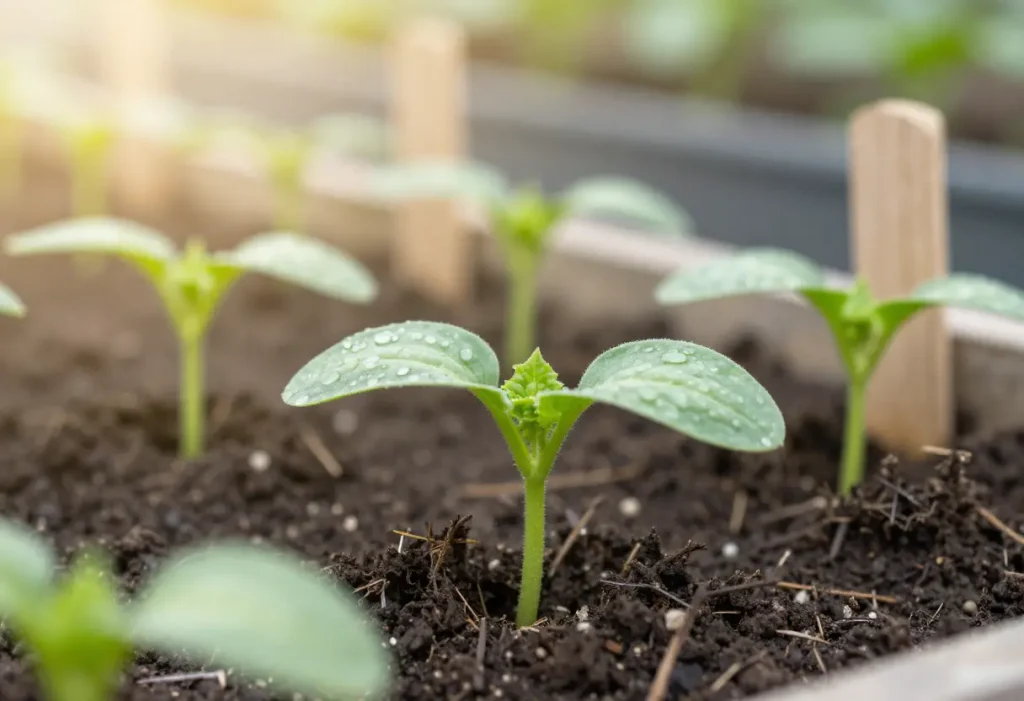
Cucumbers grow best when planted after the last frost in Oklahoma. Warm soil, around 70°F, helps seeds sprout quickly. Early May to mid-June is the ideal time for planting.
Cucumbers grow best when the soil is warm. The ideal soil temperature for planting is between 70°F and 95°F. Planting seeds in cold soil can slow germination or cause seeds to rot. Use a soil thermometer to check the temperature before planting. Warm soil helps cucumber seeds sprout quickly and grow strong roots.
Frost can kill young cucumber plants. Avoid planting before the last frost date in Oklahoma. This date usually falls between mid-April and early May. Wait until the danger of frost passes. Planting too early risks losing your plants to cold weather. You can also start seeds indoors to get a head start.
Spring planting allows cucumbers to mature before hot summer heat. Plants grow well with long, sunny days. Summer planting is possible but requires more water and care. Heat can stress plants and reduce yields. Choose spring for easier growth and better harvests. Summer planting works for a late season crop if you watch soil moisture.
Preparing the soil is the first step to grow healthy cucumbers in Oklahoma. Good soil helps plants grow strong and produce more fruits. Taking time to prepare the soil well will make a big difference in your garden.
Cucumbers grow best in loose, sandy loam soil. This type of soil holds moisture but drains well. Check your soil pH. Cucumbers prefer a pH between 6.0 and 7.0. Soil with the right pH helps plants absorb nutrients easily.
Add organic matter like compost or well-rotted manure to your soil. This improves fertility and soil texture. Nutrient-rich soil supports healthy leaves and fruits. Avoid using too much nitrogen. It encourages leaves but fewer cucumbers.
Cucumbers dislike soggy soil. Make sure your soil drains water quickly. Raised beds help if your garden soil is heavy clay. Good drainage prevents root rot and other diseases. Keep soil moist but not waterlogged.
Choosing the right cucumber varieties is key to a successful garden in Oklahoma. Different types thrive under different conditions. Knowing which varieties suit your climate and purpose helps you grow healthy plants. Oklahoma’s hot summers and occasional diseases require careful selection. Select varieties that can handle heat and resist common problems. Decide if you want cucumbers for fresh eating or pickling. This choice guides the variety you plant.
Oklahoma summers can be very hot. Choose heat-tolerant cucumber varieties to avoid wilting. Varieties like ‘Marketmore 76’ and ‘Straight Eight’ do well in heat. These plants stay productive even when temperatures rise. Heat-tolerant cucumbers keep growing and producing fruit longer.
Cucumbers face diseases like powdery mildew and mosaic virus in Oklahoma. Pick disease-resistant varieties to reduce plant loss. ‘Diva’ and ‘Tasty Green’ resist common cucumber diseases. Strong plants need less care and yield more cucumbers. Disease resistance helps your garden stay healthy and fruitful.
Decide if you want cucumbers for pickling or slicing fresh. Pickling cucumbers are small and crunchy, like ‘National Pickling’. Slicing cucumbers grow larger and have thin skin, such as ‘Burpless Beauty’. Choose the type that fits your cooking style. This choice affects plant spacing and harvest time.
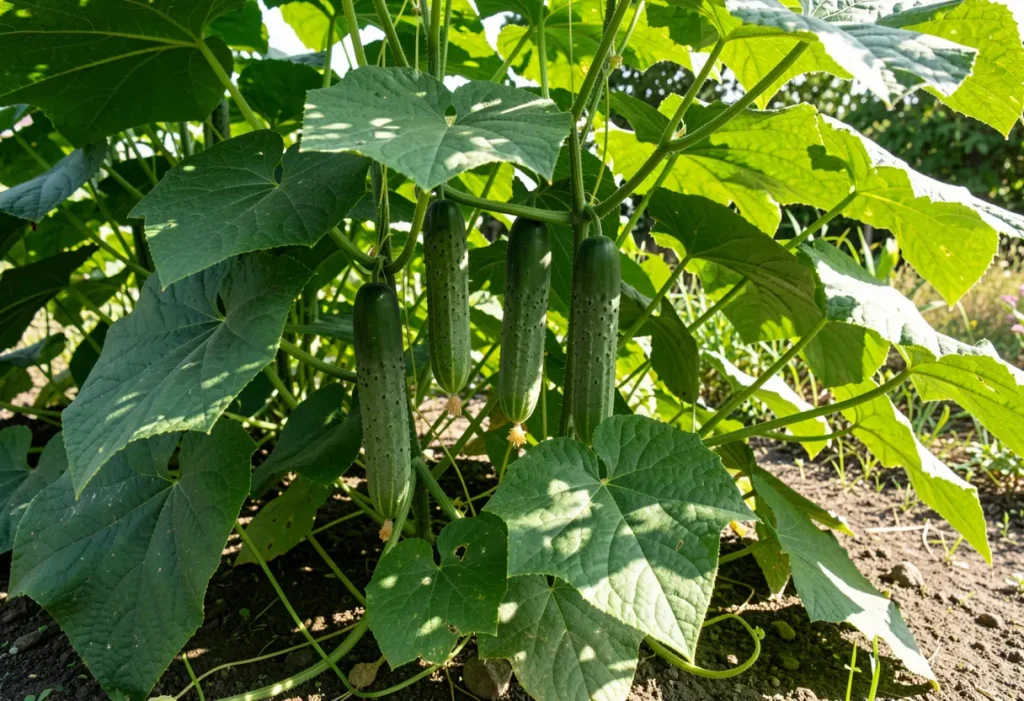
Planting cucumbers the right way helps them grow strong and healthy. Good techniques improve the chance of a big harvest. Understanding how to plant cucumbers in Oklahoma ensures they thrive in local soil and climate. Focus on seed choice, how deep to plant, spacing, and watering for best results.
Direct seeding means planting cucumber seeds straight into the garden soil. This method works well in warm soil after the last frost. It saves time and money. Transplants are young cucumber plants started indoors or bought from a nursery. Transplants grow faster once moved outside. Use transplants for an early start before the soil warms up. Both methods can succeed with care.
Plant cucumber seeds 1 inch deep in loose, well-drained soil. Plant deeper if soil is dry to keep moisture near seeds. Space seeds or transplants 12 to 18 inches apart in rows 3 to 4 feet apart. Proper spacing helps air flow and reduces disease risk. Crowded plants produce fewer cucumbers and face more pests.
Water cucumbers deeply after planting to settle the soil. Keep soil moist but not soggy during growth. Cucumbers need about 1 inch of water each week. Water early in the morning to reduce evaporation and disease. Avoid wetting leaves to stop fungal problems. Consistent watering helps cucumbers develop tasty, firm fruits.
Managing growth is key to a healthy cucumber crop in Oklahoma. Cucumbers need the right care to grow strong and produce well. Proper growth management helps avoid common problems and makes harvesting easier. Simple steps can keep your plants thriving throughout the season.
Mulching keeps soil moist and cool. It stops weeds from taking nutrients away. Mulch also protects cucumber roots from temperature swings. Organic mulch breaks down and adds nutrients to soil. This helps cucumbers grow faster and healthier. Spread mulch around plants but keep it away from stems.
Watch plants daily for pests like cucumber beetles. These bugs can harm leaves and spread disease. Remove pests by hand or use safe sprays. Keep leaves dry to prevent fungal diseases. Good air flow around plants lowers disease risk. Remove dead leaves and debris to keep plants clean.
Cucumbers grow long vines that need support. Use trellises or cages to hold up vines. This keeps fruit off the ground and clean. Supporting vines saves space and makes picking easier. Tie vines gently with soft ties to avoid damage. Proper support helps plants get more sunlight and air.
Harvest timing is key for growing cucumbers in Oklahoma. Picking cucumbers at the right time ensures fresh taste and good texture. Knowing when to harvest helps avoid overripe or bitter cucumbers.
Cucumbers are ready to pick when they reach the right size. Look for firm, green fruits with a smooth skin. Avoid cucumbers that turn yellow or grow too large. The fruit should feel crisp and not soft to touch.
Check your cucumber plants every two to three days. Frequent harvesting encourages more fruit production. Leaving cucumbers too long on the vine slows down new growth. Pick them regularly to keep the plant healthy.
To harvest longer, plant cucumbers in intervals. Start new seeds every two to three weeks. Use shade cloth during hot summer days to protect plants. Mulch helps keep soil moist and cool. These steps help you enjoy cucumbers into fall.
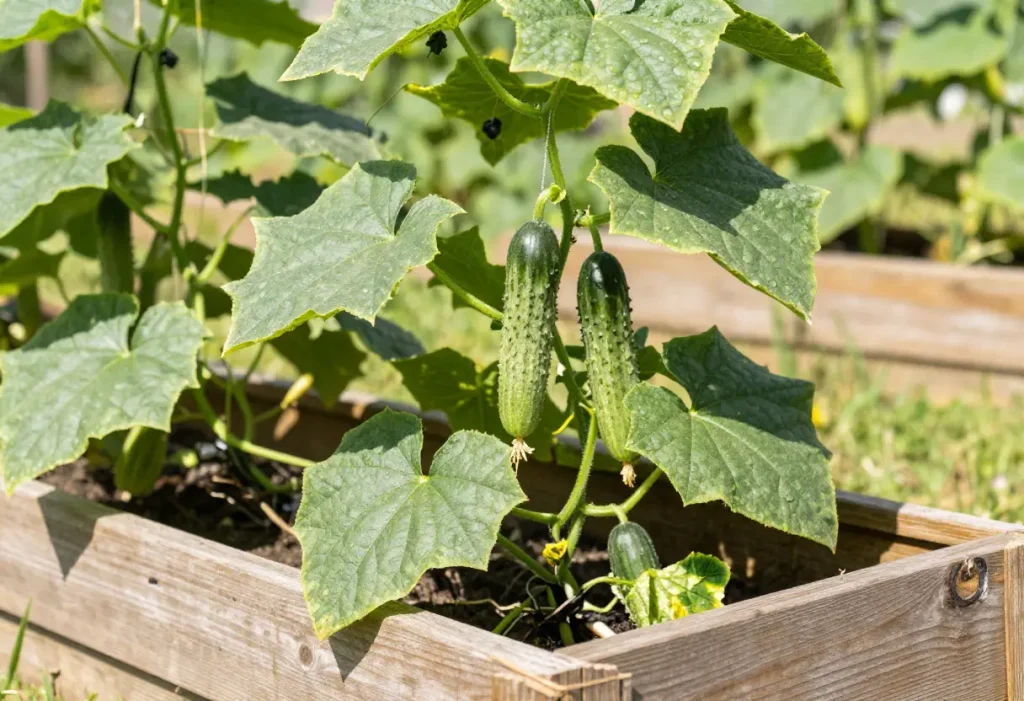
Plant cucumbers in Oklahoma after the last frost date, usually in mid-April to early May. Soil temperature should be at least 60°F for good seed germination.
Oklahoma's warm springs and hot summers influence planting times. Plant early to avoid extreme heat during cucumber growth.
Yes, start cucumber seeds indoors 3-4 weeks before the last frost. This helps seedlings grow strong before transplanting outside.
Cucumbers typically take 50 to 70 days from planting to harvest in Oklahoma. Growth speed depends on weather and care.
Cucumbers prefer well-drained, fertile soil with a pH of 6. 0 to 7. 0. Adding compost improves soil quality and plant health.
Plant cucumbers in Oklahoma after the last frost date. Soil should be warm, around 70°F, for best growth. Start seeds indoors to get a jump on the season. Transplant seedlings carefully to avoid shock. Water plants regularly to keep soil moist but not soggy.
Watch for pests and diseases to protect your crop. Harvest cucumbers when they are firm and green. Growing cucumbers at the right time helps ensure a good yield. Simple steps can lead to a healthy, tasty harvest. Enjoy fresh cucumbers from your own garden this season.