Gardening Made Simple.
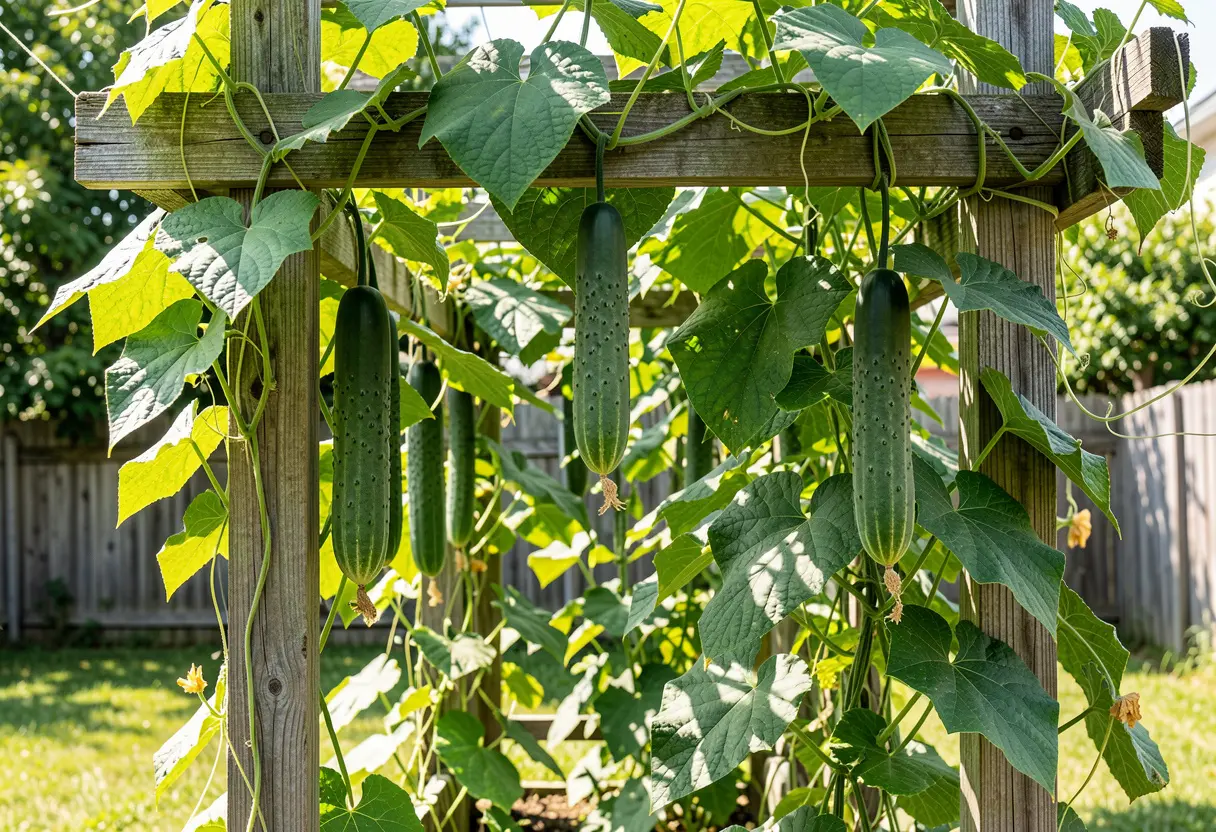
Are you tired of cucumbers sprawling all over your garden, taking up too much space and making harvesting a hassle? Learning how Cucumbers Grow on Trellis can be the simple solution you’ve been looking for. Trellising saves space, improves air circulation, reduces disease, and makes harvesting easier—leading to healthier plants and bigger yields.
By training your cucumber plants to climb, you can save space, improve air circulation, and even boost your harvest. Imagine picking crisp, fresh cucumbers without bending over or digging through tangled vines. Keep reading to discover how using a trellis can transform your cucumber-growing experience and make your garden more productive and enjoyable.
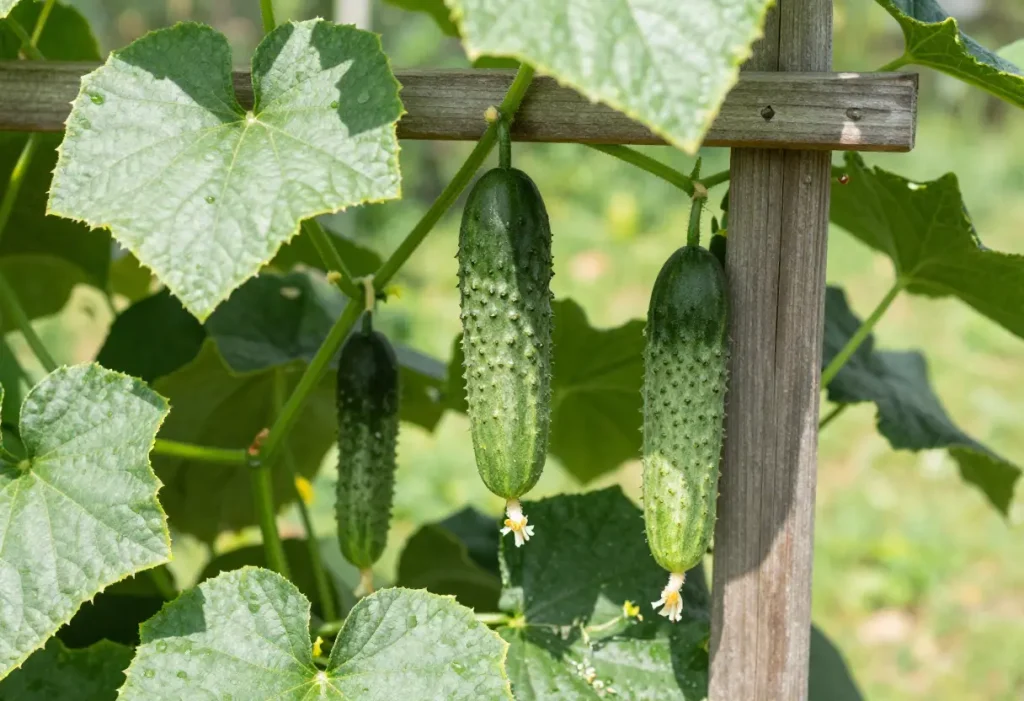
Trellising cucumbers brings many benefits to your garden. It helps plants grow better and makes gardening easier. Growing cucumbers on a trellis keeps them off the ground. This method improves plant health and increases yield. Here are some key benefits of trellising cucumbers.
Trellising lifts cucumber vines up. This allows air to flow freely around leaves and stems. Good air circulation reduces moisture buildup. It helps prevent diseases like powdery mildew and rot. Plants stay drier and healthier with better airflow.
Vertical growth saves garden space. Cucumbers grow upward instead of spreading wide. This lets you plant more in a small area. Trellising is perfect for small gardens or balconies. It keeps plants neat and easy to manage.
Cucumbers on a trellis are easier to see and pick. Fruits hang down, making them simple to grab. You don’t have to bend or search through leaves. Harvesting becomes faster and less tiring.
Plants on a trellis get more sunlight. Leaves dry faster after rain or watering. This reduces pests and fungus problems. Stronger plants produce more and better-quality cucumbers.
Choosing the right trellis is key for growing healthy cucumbers. The trellis supports the plants as they climb. It keeps fruits off the ground, which helps prevent rot and pests. Picking a suitable trellis also saves space in your garden. This section guides you through the best options for your cucumber plants.
Trellises come in many shapes. Some are simple frames with netting. Others are ladder-like structures or A-frames. Vertical trellises let cucumbers grow upward. This improves air flow and sunlight exposure. You can also use tomato cages or wire mesh. Choose a type that fits your garden space and style.
Trellises can be made from wood, metal, or plastic. Wood looks natural but may rot over time. Metal is strong and lasts longer. Plastic is lightweight and resists weather well. Pick a material that can hold the weight of growing cucumbers. Durable trellises need less repair and replacement.
Cucumbers need enough space to climb and spread. Trellises should be at least 5 to 6 feet tall. This height gives vines room to grow upward. The width depends on how many plants you have. A wider trellis can support more vines. Check your garden area before buying or building a trellis.
Preparing for trellis planting helps cucumbers grow strong and healthy. Proper steps ensure good support and better fruit quality. Start with the right soil, choose suitable cucumber types, and plant at the right time. These basics make the growing process easier and more successful.
Healthy soil gives cucumbers the nutrients they need. Loosen the soil deeply to help roots spread. Add compost or organic matter to improve soil texture. Check soil pH; cucumbers prefer 6.0 to 7.0. Well-drained soil prevents waterlogging and root problems. Remove weeds to reduce competition for nutrients.
Choose cucumber types that grow well on trellises. Pick vining varieties that climb easily. Some popular options include slicing and pickling cucumbers. Check seed packages for growth habits and disease resistance. Select varieties suited to your climate and season. This choice affects plant health and harvest quality.
Plant cucumbers after the last frost date. Soil temperature should reach at least 70°F (21°C). Warm soil helps seeds germinate quickly. Early planting risks cold damage and slow growth. Late planting shortens the harvest period. Timely planting leads to stronger plants and better yields.
Training cucumbers on a trellis helps plants grow strong and healthy. It saves space and makes harvesting easier. Vines climb upward, getting more sunlight and air circulation. This method reduces disease and keeps fruits clean. Follow these steps to train your cucumber vines effectively.
Start by placing the trellis near young cucumber plants. Gently lift the vine and rest it against the trellis. Use soft ties like garden twine or fabric strips. Tie loosely to avoid damaging the stem. Support helps the vine find its way up the trellis.
Check vines daily as they grow. Guide new growth toward the trellis by gently pushing or wrapping around. Avoid forcing vines; they climb naturally. Regular guidance directs growth upward, preventing tangles and spreading. This keeps plants organized and easier to manage.
Secure vines every few inches with soft ties. Use materials that won’t cut into stems. Replace ties if they become tight as the vine grows. Keep ties loose enough to allow movement. Proper securing supports heavy fruits and prevents breakage.
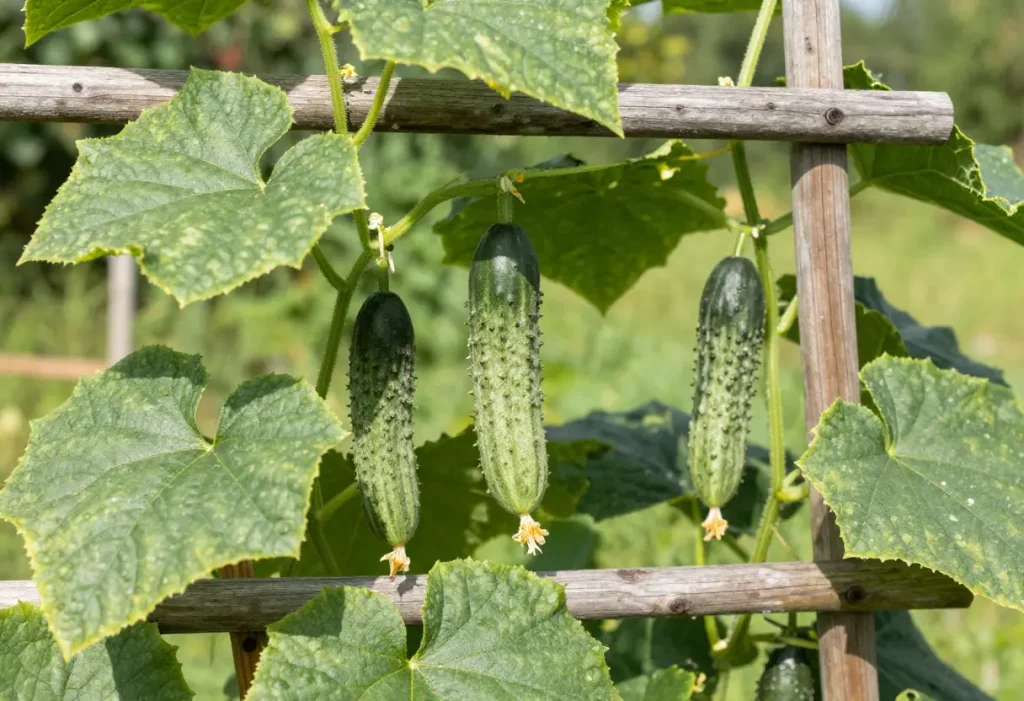
Growing cucumbers on a trellis helps keep the fruit clean and healthy. Proper watering and feeding are key for strong plants and good harvests. Knowing how much water and fertilizer to give makes a big difference. This section covers simple tips for watering and fertilizing cucumbers on a trellis.
Cucumbers need steady moisture to grow well. Water the plants deeply once or twice a week. Avoid light watering that wets only the surface. Morning watering helps leaves dry faster. Wet leaves can cause diseases. Use drip irrigation or a soaker hose to keep water at the roots. Check soil moisture often to avoid dryness or sogginess.
Choose a balanced fertilizer with equal parts nitrogen, phosphorus, and potassium. A 10-10-10 formula works well for cucumbers. Organic options like compost or well-rotted manure are gentle and improve soil. Apply fertilizer before planting and again when flowers appear. Avoid too much nitrogen; it causes leafy plants but fewer fruits.
Feed cucumbers regularly for steady growth. Side-dress plants with fertilizer every three weeks during growing season. Mulch around plants to keep nutrients and moisture in the soil. Watch for yellow leaves; they often mean nutrient shortages. Use a liquid fertilizer if plants look weak or pale. Proper nutrient care supports strong vines and tasty cucumbers.
Growing cucumbers on a trellis helps reduce many problems. It keeps fruits off the ground and improves air flow. These conditions make it harder for pests and diseases to harm your plants. Still, pest and disease management is key to a healthy cucumber crop. Knowing what to watch for and how to act keeps your plants strong.
Aphids often gather on young cucumber leaves. They suck sap, causing leaves to curl and yellow. Spider mites are tiny but cause webbing and leaf damage. Cucumber beetles chew leaves and spread bacterial wilt. Whiteflies also sap plant strength and leave sticky residue. Checking your plants regularly helps catch these pests early.
Good air circulation on a trellis lowers disease risk. Avoid watering leaves to reduce fungus problems. Remove any damaged or diseased leaves fast. Rotate crops each year to prevent soil diseases. Keep your garden clean by removing debris and weeds. These steps reduce the chance of powdery mildew and other common diseases.
Use insecticidal soap to control aphids and whiteflies. Neem oil works well against many pests and fungi. Introduce beneficial insects like ladybugs to eat pests naturally. Handpick cucumber beetles off plants every few days. Spray baking soda solution to fight powdery mildew. These organic methods protect plants without harmful chemicals.
Growing cucumbers on a trellis saves space and helps plants get more sunlight. This method lets air flow well around the plants. Both factors help cucumbers grow better and healthier. To get the most cucumbers from your trellis, you must care for the plants carefully. Proper pruning, picking at the right time, and good care after harvest all improve your yield.
Cutting off old and weak leaves helps the plant focus on growing cucumbers. Remove yellow or dead leaves often to stop diseases. Trim side shoots that do not have flowers. This keeps the plant strong and lets sunlight reach fruits. Pruning also helps air move well around the plant. Good air flow reduces mold and pests on cucumbers.
Pick cucumbers when they are green and firm. Wait too long, and they turn yellow and taste bitter. Check plants every two or three days. Early picking encourages the plant to make more cucumbers. Use a sharp knife or scissors to cut fruits gently. Avoid pulling to keep the vine healthy for future growth.
After harvesting, water the plants deeply but not too often. Keep the soil moist to help new fruits grow. Remove leftover plant debris to stop pests and diseases. Use mulch to keep soil cool and moist. Store cucumbers in a cool, dry place for freshness. Proper care after picking helps plants stay strong and produce more.
Trellising cucumbers helps plants grow strong and saves space. Yet, problems can still occur. Knowing how to spot and fix issues is key to a healthy garden.
Some problems affect leaves, fruits, or vines. Each issue has clear signs and simple solutions. Watch your plants often to catch problems early.
Yellow leaves often mean the plant lacks nutrients or water. Check soil moisture and water deeply if dry. Add balanced fertilizer to provide essential nutrients. Poor air circulation can also cause yellowing. Prune crowded leaves to improve airflow around the plant.
Small or misshapen cucumbers show poor fruit growth. Lack of pollination is a common cause. Plant flowers nearby to attract bees. Stress from heat or drought also stunts fruit. Keep soil moist and provide shade during hot days. Avoid too much nitrogen fertilizer, as it favors leaves over fruit.
Vines may break or weaken from pests or rough handling. Inspect vines regularly for insects like cucumber beetles. Use natural methods to control pests early. Support heavy vines on the trellis to prevent snapping. Handle plants gently during pruning or harvesting to avoid damage.
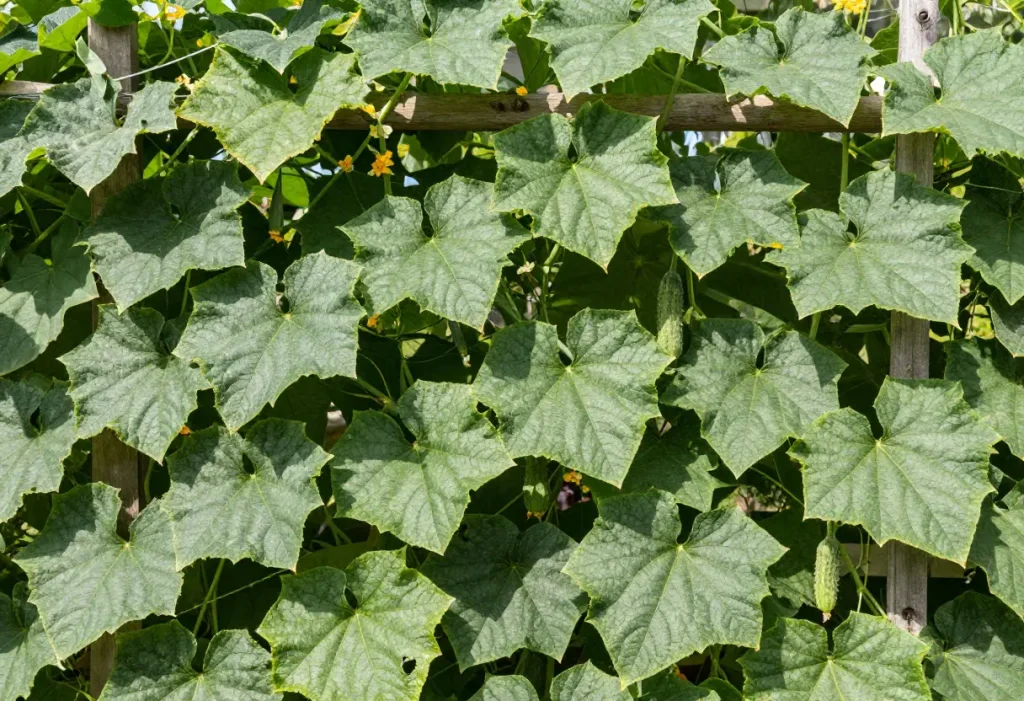
Cucumbers climb the trellis using tendrils that wrap around supports. This helps the plant grow upward and saves space.
Growing cucumbers on a trellis improves air flow and reduces disease risks. It also makes harvesting easier and keeps fruits clean.
A sturdy, vertical trellis with strong support works best for cucumbers. Materials like wood, metal, or plastic netting are good choices.
Water cucumbers deeply once or twice a week, depending on weather. Keep soil moist but not soggy for healthy growth.
Begin training cucumbers to climb when vines are about 6 inches long. Gently tie or guide young vines to the trellis for support.
Growing cucumbers on a trellis saves space and keeps plants healthy. Vines climb up, making it easier to pick fresh cucumbers. Air flows better, reducing the chance of disease. Plus, fruits stay cleaner and straighter. This method fits small gardens or balconies well.
Try trellising for a neat and productive cucumber patch. You will enjoy fresh, crisp cucumbers all season long. Simple steps lead to great results in your garden.