Gardening Made Simple.
Picture this: You plant rows of tomato seeds with big hopes for juicy reds by summer. But weeks later, the leaves yellow and curl, pests munch holes in your greens, and weeds choke out the good stuff. That sad scene often comes down to Common vegetable gardening mistakes—but once you understand and avoid them, you can flip the script to enjoy healthy plants, heavy yields, and a thriving backyard garden.
This guide spots the top common vegetable gardening mistakes that trip up beginners and pros alike. You'll get clear fixes to dodge these pitfalls. By the end, you'll know how to tweak your setup for better yields this season.
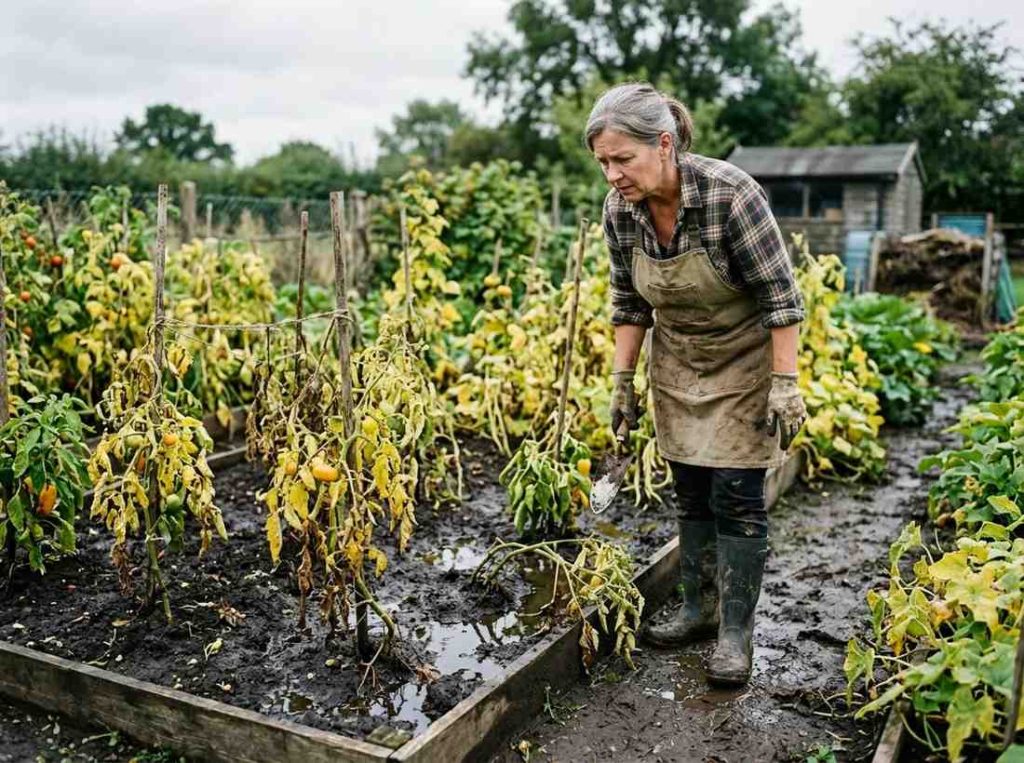
Soil sets the stage for every veggie you grow. Skip the basics here, and your plants struggle from day one. Healthy dirt means strong roots and tasty harvests. Most folks rush planting without checking this key part.
Many gardeners plant without testing pH. Veggies like carrots and beans thrive in soil that's a bit acidic, around 6.0 to 7.0. Too low or high locks up nutrients. Plants can't grab what they need, so leaves fade and growth slows.
Grab a cheap soil test kit from any garden store. It tells you the pH in minutes. If it's too acidic, add lime to raise it. For alkaline spots, mix in sulfur to lower it. Work these in gently, then wait a couple weeks before planting. This simple step boosts nutrient uptake fast.
One study from a U.S. farm extension showed that balanced pH can increase veggie yields by up to 30%. Don't guess—test and adjust.
Walking on wet soil packs it down tight. This kills air pockets roots need to breathe. Water drains poorly too, leading to root rot.
Use raised beds or paths between rows to avoid stepping on growing areas. Tools like tillers can compact if overused—go light. No-till methods shine here. Gardeners who skip digging and add mulch on top see better drainage and worm activity.
Think of soil like a sponge. Compact it, and it suffocates. Keep it loose for happy plants.
Bare soil loses nutrients quick. Without help, it dries out and starves microbes that feed roots.
Add compost or aged manure each spring. It holds water and feeds plants slowly. Cover crops like clover build soil over winter. They prevent erosion and add nitrogen when turned under.
Start small: Mix two inches of compost into the top six inches of your bed. Your veggies will thank you with bigger, healthier produce. Over time, this builds soil that works for you, not against.
Water keeps gardens alive, but get it wrong and plants suffer. Inconsistent habits drown roots or leave them parched. This tops the list of common vegetable gardening mistakes that kill crops fast.
Sprinkling lightly each day seems easy. But it trains roots to stay near the surface. One hot spell, and those plants wilt.
Deep watering soaks down 6 to 12 inches. Do it every few days, depending on rain. Roots grow strong and deep, grabbing water from farther below.
Try the finger test. Stick your index finger into the soil up to the first joint. If it feels dry, water deep. Wet? Wait. This beats guesswork every time.
Hosing leaves soaks them good. But in the sun or evening, it invites mold and rot. Fungi love damp leaves, turning your patch into a sick zone.
Aim the hose at the base. Let water hit soil around stems. Morning is best—leaves dry quick under the sun.
Drip lines or soaker hoses keep it clean. They deliver right to roots without waste. Your tomatoes and peppers stay dry and disease-free.
Rain one day, dry the next—plants hate the rollercoaster. It stresses them, causing splits in peppers or rot at the bottom of tomatoes.
Set a routine based on your weather. Check soil twice a week. Mulch helps hold moisture even.
Blossom end rot hits hard from this. Even watering prevents those ugly black spots. Steady habits mean steady growth.
Planting sets your garden's fate. Rush it, and problems pile up later. Proper timing and space let veggies spread and thrive.
Eager hands plant tomatoes in March. But a late frost zaps them overnight. Cool crops like spinach handle chill, but warm ones like squash need 50°F soil.
Check your local frost dates online or at a nursery. Wait for safe temps. Use row covers if you're pushing it.
Lettuce laughs at light frost, down to 28°F. Tomatoes? They sulk below 55°F. Time it right for no sad starts.
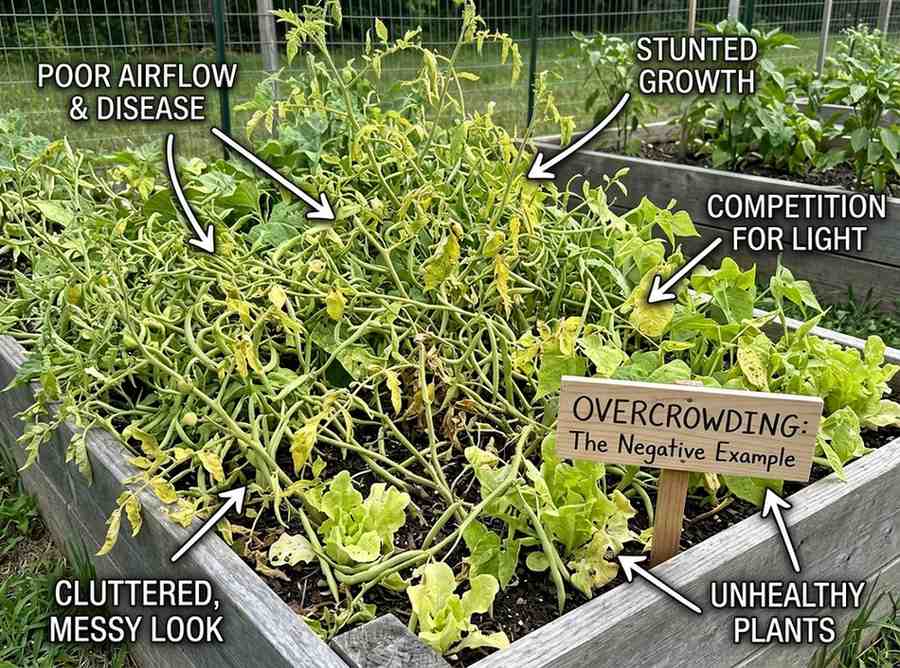
Squeezing in extra seeds looks full fast. But plants fight for sun and food. Air stalls, bugs and rot move in.
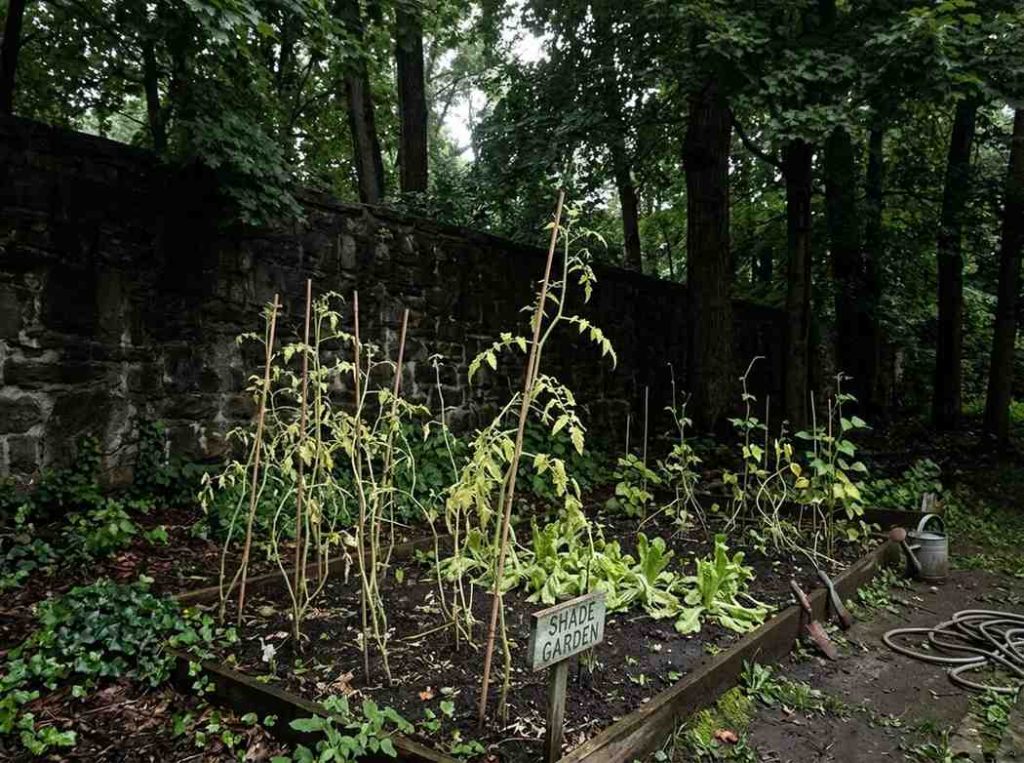
Space follows seed pack rules for full-grown size. Tomatoes need 24 inches apart. Crowded ones yield half as much.
Thinning seedlings early saves heartbreak. Let winners grow big.
Bury seeds too deep, and they never sprout. Too shallow, birds snag them.
Peppers like ¼ inch deep. Tomatoes? Plant deep—bury stem up to first leaves. New roots sprout along it for strength.
For carrots, go ¼ inch in loose soil. Check packets for each type. Right depth means quick, sturdy starts.
Sun fuels veggie magic. Wrong spot, and nothing ripens. Pick a bright area to avoid this big mistake.
Fruit veggies need 6-8 hours of direct sun. Shade from a tree cuts that, stunting peppers and beans.
Track your yard with a sun app or watch over a day. Full sun means no shadows mid-morning to afternoon.
Extension services say less than six hours drops yields by 50%. Move pots or clear branches for max light.
Summer sun arcs high, but spring's lower angle hits fences first. Your spot might shade early season.
Map the sun's path yearly. Prune overhangs or choose south-facing plots.
In fall, low sun warms late crops. Plan ahead—your kale will love it.
Wind whips moisture from leaves fast. It bends young stems till they snap.
Plant windbreaks like sunflowers or fences. Low spots trap cold air, fooling frost.
South slopes warm quick. North sides stay cool. Match crops to your yard's quirks for best results.
Bugs and blight sneak up on unwary gardens. Spot issues early to keep veggies safe. Prevention beats cure every time.
Wait for aphids to cover leaves, and it's too late. Check plants weekly—look under leaves for eggs.
Integrated pest management starts with basics. Hand-pick bugs. Use row covers to block them.
This cuts chemical use and saves your harvest.
Yellow leaves scream nutrient lack. But spots might mean blight. Wrong fix worsens it.
Learn signs: Iron shortage yellows new growth. Early blight shows dark rings on tomato bottoms.
Snap photos and check guides. Local experts help too. Right ID means right action.
Spray everything at first sight. It kills good bugs like bees and wasps that eat pests.
Go organic first: Neem oil or soap sprays target bad guys. Beneficial insects balance the garden.
One bad spray wipes out predators. Your pests bounce back stronger. Build a bug-friendly yard instead.
Common vegetable gardening mistakes hit soil prep, watering habits, planting choices, sun spots, and pest watch. Fix soil pH, water deep at roots, space right, chase full sun, and scout early. These tweaks turn fails into wins.
Gardening teaches through trial. Each error sharpens your skills. Start with one change this spring—like testing soil or spacing better. Watch your patch reward you with fresh eats. Grab your tools and dig in—you've got this.
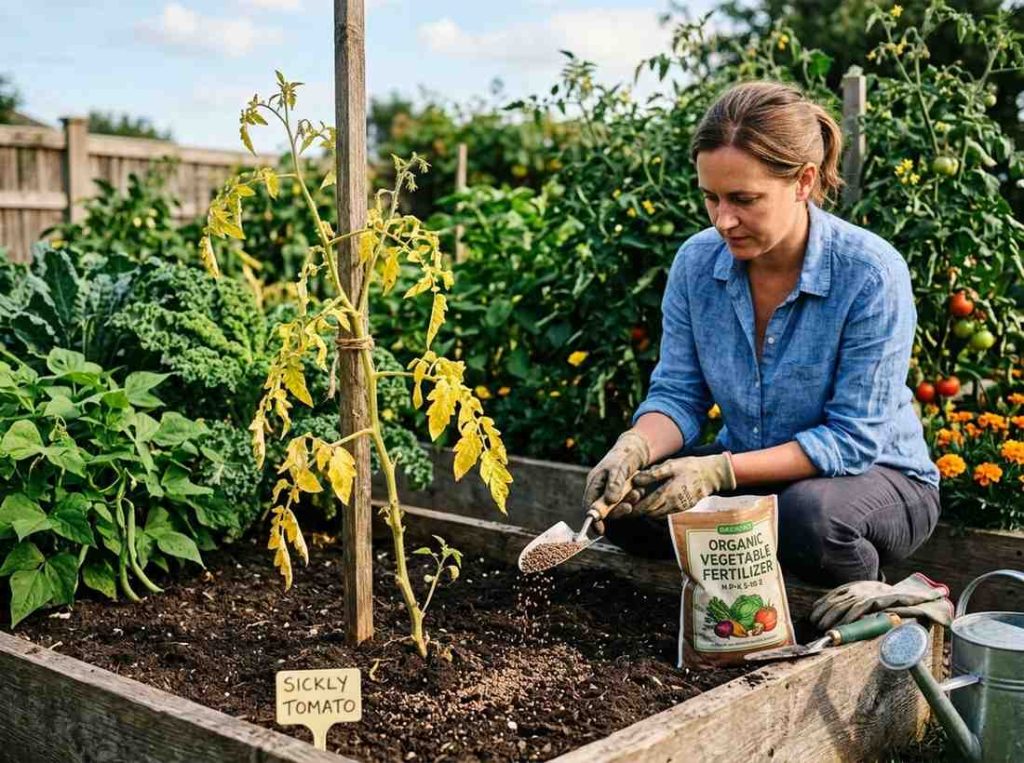
Overwatering, poor soil quality, lack of sunlight, overcrowding plants, and ignoring pests are some of the most common mistakes.
Check soil moisture regularly and water only when the top 1–2 inches feel dry, ensuring proper drainage.
Proper spacing improves airflow, reduces disease risk, and allows plants to grow to their full potential.
Most vegetables need 6–8 hours of direct sunlight daily; too little light leads to weak growth and low yields.
Maintain garden hygiene, rotate crops, use natural pest control methods, and inspect plants regularly.