Gardening Made Simple.
Picture this: You've spent months tending your vegetable garden, watching tomatoes swell and beans climb. Then, overnight, dark spots appear on leaves, or tiny holes chew through your greens. That sinking feeling hits hard—your hard work and money at stake from Common Vegetable Garden Diseases and Pests.
You can turn things around with quick spotting and smart defenses. This guide dives into common vegetable garden diseases and pests that strike most plots. We'll cover top fungal issues, bug invaders, and easy ways to fight back using integrated pest management. Think of it as your roadmap to bigger, healthier harvests.
Spotting plant illnesses early saves your crops. Fungal diseases thrive in damp spots, while bacterial blight spreads fast in wet weather. Knowing the signs lets you act before things worsen.
Look for yellowing leaves or wilts as clues. Good plant pathology starts with daily checks. These steps help you catch issues in tomatoes, squash, and more.
Early blight shows up as dark, target-like spots on lower leaves. They start small, then grow rings, leading to yellow halos. Late blight hits harder with watery spots that turn brown and fuzzy, often killing vines quick.
Humidity above 80% and uneven watering fuel these outbreaks. Cool nights around 60°F make it worse for potatoes and tomatoes. I've seen whole rows drop in a week without action.
Prune plants to boost air flow—remove lower leaves touching soil. Apply copper fungicides weekly at the first sign. Space plants 18 inches apart to cut moisture buildup. Rotate crops yearly to break the cycle.
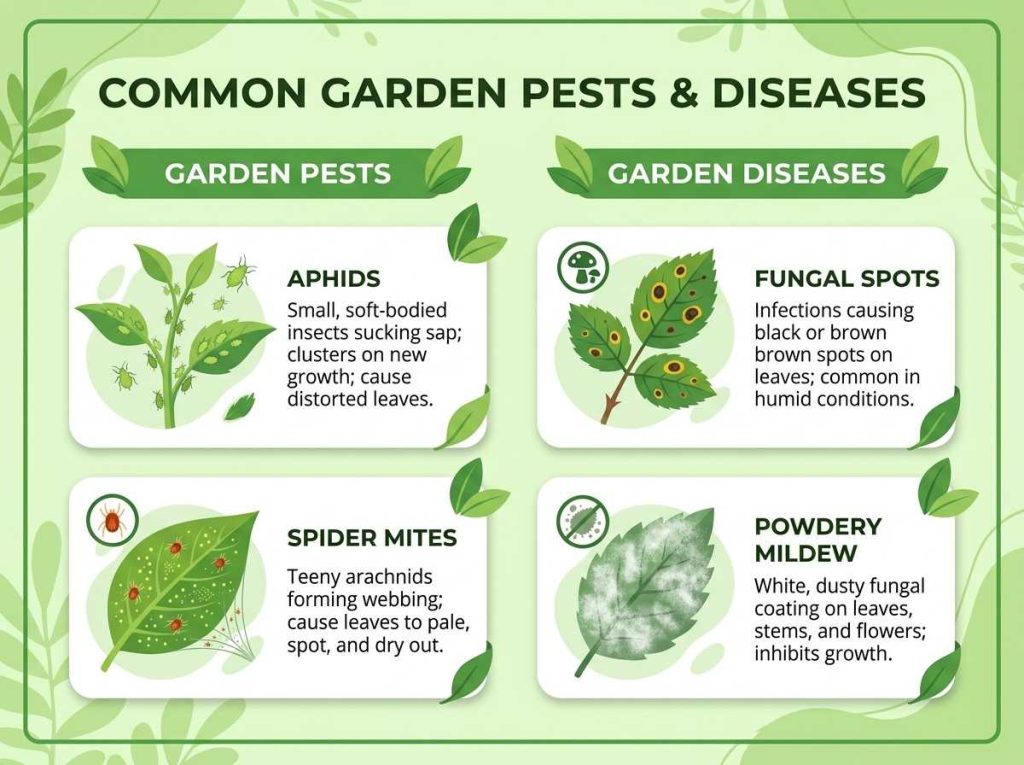
This foe leaves a white, powdery film on leaves, like a dusting of flour. It spreads in dry air but high humidity, blocking sunlight and choking photosynthesis. New growth curls, and yields drop as energy fades.
Overcrowded vines invite it, especially in shaded spots. Peas and cukes suffer most in late summer heat. One plant can infect the whole bed fast.
Spray with a mix of one part milk to nine parts water every 7-10 days. Potassium bicarbonate works too—it's a gentle organic fix. Improve spacing and morning watering to dry leaves quick.
Roots swell into ugly clubs, stunting plants above ground. Leaves yellow and wilt, even with plenty of water. This soil pathogen lingers for years, hitting cabbage, broccoli, and kale hard.
Acid soil below pH 7 lets it thrive. Wet springs spread spores through tools or boots. Affected plants rarely recover, so pull them out.
Lime soil to raise pH to 7.2 before planting brassicas. Rotate crops—wait three years before replanting the same spot. Use raised beds with clean soil to avoid reinfection.
Pests fall into chewers that munch leaves and suckers that drain sap. Garden pests like these can wipe out a season's work. Integrated pest management starts with knowing your enemies.
Chewing bugs leave holes, while suckers cause wilts. Beneficial insects help balance things out. Spot them early for easy control.
Tomato hornworms blend in green, devouring leaves and fruits whole. Colorado potato beetles strip potato plants, laying yellow eggs under leaves. Their quick life cycle—egg to adult in weeks—means one pair spawns hundreds.
Hand-pick them at dusk when they're slow. Drop into soapy water. For caterpillars, dust with Bacillus thuringiensis, or Bt—it's safe for bees and targets only worms.
Aphids cluster on stems, sucking sap and curling new leaves. Whiteflies flutter up when disturbed, leaving sticky honeydew that grows sooty mold. Spider mites spin fine webs, speckling leaves yellow in hot, dry spells.
They multiply fast—one aphid births live young daily. Stressed plants draw them like magnets. Check undersides; damage spreads quick without checks.
Release ladybugs or lacewings to eat them up. Hose plants with strong water jets twice a week. Insecticidal soap hits soft bodies—spray evenings to spare pollinators.
These night crawlers leave ragged holes in seedlings and lettuce. Slimy trails mark their paths after rain. They hide in mulch or under pots, munching low greens.
Damp shade boosts their numbers. One slug eats twice its weight nightly. Young plants vanish overnight.
Set copper tape around beds—it shocks them on contact. Scatter diatomaceous earth, but reapply after rain. Use iron phosphate baits; they're safe for pets and break down in soil.
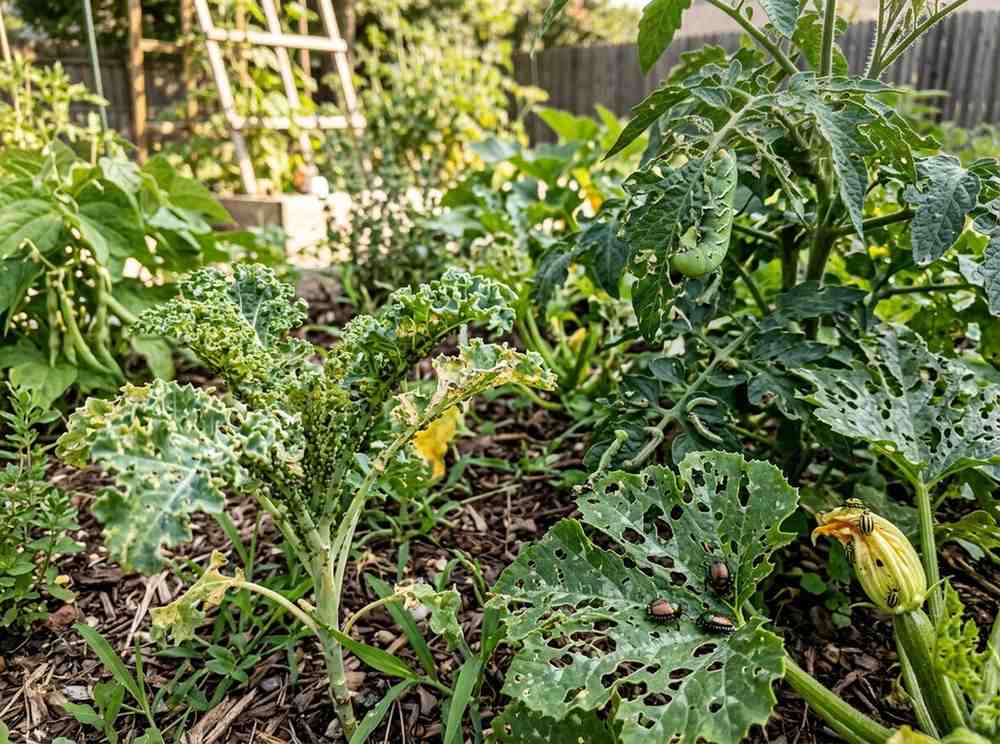
Prevention beats cure every time. Integrated pest management builds on habits like clean tools and smart planting. Garden sanitation keeps threats low.
Healthy soil means tough plants that resist bugs. Focus on these basics for long-term wins.
Shifting plant families yearly stops pests from building up. Say, follow tomatoes with beans, then greens, and roots. This breaks disease cycles in soil.
Plant at right times—early for cool crops, late for heat lovers. A four-year plan might look like:
Track it on a simple garden map. This cuts clubroot and nematodes by half, per extension studies.
Rich, well-drained soil grows strong roots that fend off attacks. Add compost yearly for nutrients. Poor drainage invites root rots.
Water at soil level with drip lines—overhead sprays wet leaves and spread fungi. Aim for deep soaks once a week, not daily sprinkles. Mulch to hold moisture and block weeds.
Test soil pH each spring. Balanced earthworms and microbes signal good health. Stressed plants fall to pests 30% faster.
Mix plants to confuse bugs. Marigolds near carrots chase nematodes away. Basil by tomatoes repels hornworms with its scent.
Polycultures beat rows of one type—diversity draws good bugs. Nasturtiums trap aphids, saving your beans.
This natural shield boosts yields without sprays.
Hold off on chemicals till basics fail. Organic pesticides come first, then biological controls. Safe treatment protects your food and the yard.
Choose options that target pests, not everything. Read labels close.
Nematodes hunt cutworms underground. Predatory mites gobble spider mites on contact.
Buy ladybug larvae online for aphid outbreaks. Plant flowers like yarrow to attract natives. A single lacewing eats hundreds of eggs.
Keep yards pesticide-free to let them thrive. In one study, beneficials cut pest damage by 50%. Release at dusk for best settle-in.
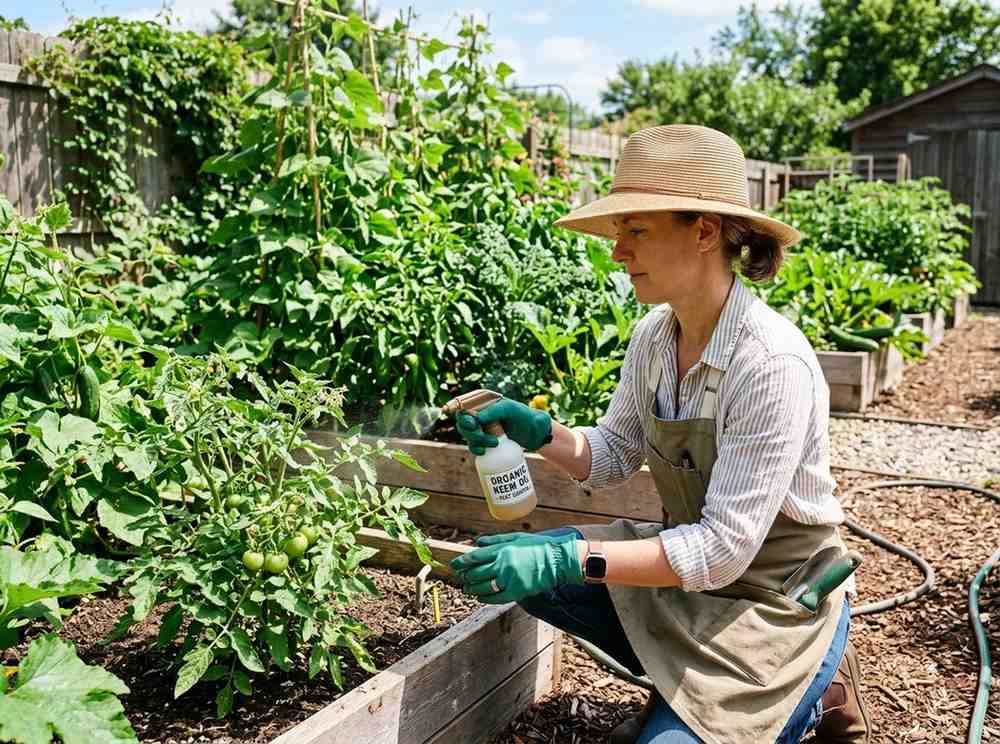
Insecticidal soaps drown aphids and mites—mix and spray undersides. Neem oil smothers eggs and disrupts feeding; use for broad bugs.
Apply at twilight to dodge bees. Test on one leaf first. Repeat every 5-7 days till clear.
For mildew, baking soda sprays stop spores. Always rinse produce before eating.
Contact sprays kill on touch; systemics soak into plants. Use for severe beetle swarms, but wait the pre-harvest time—often 7-14 days.
Wear gloves and masks. Spot-treat, not whole gardens. They harm beneficials too, so rotate types.
Stick to labels. In heavy cases, pros help. But organics work 80% of the time with patience.
Master common vegetable garden diseases and pests with these steps: scout daily, prevent through smart practices, and respond with care. Vigilant eyes catch blight or aphids early. Cultural controls like rotation build tough plants.
Treatment escalates only when needed, favoring bugs that eat your bugs. View your garden as a team effort—setbacks teach better timing next year.
Grab your tools and check plants today. Share your wins in the comments—what pest bugs you most? Happy gardening leads to fresh eats all season.
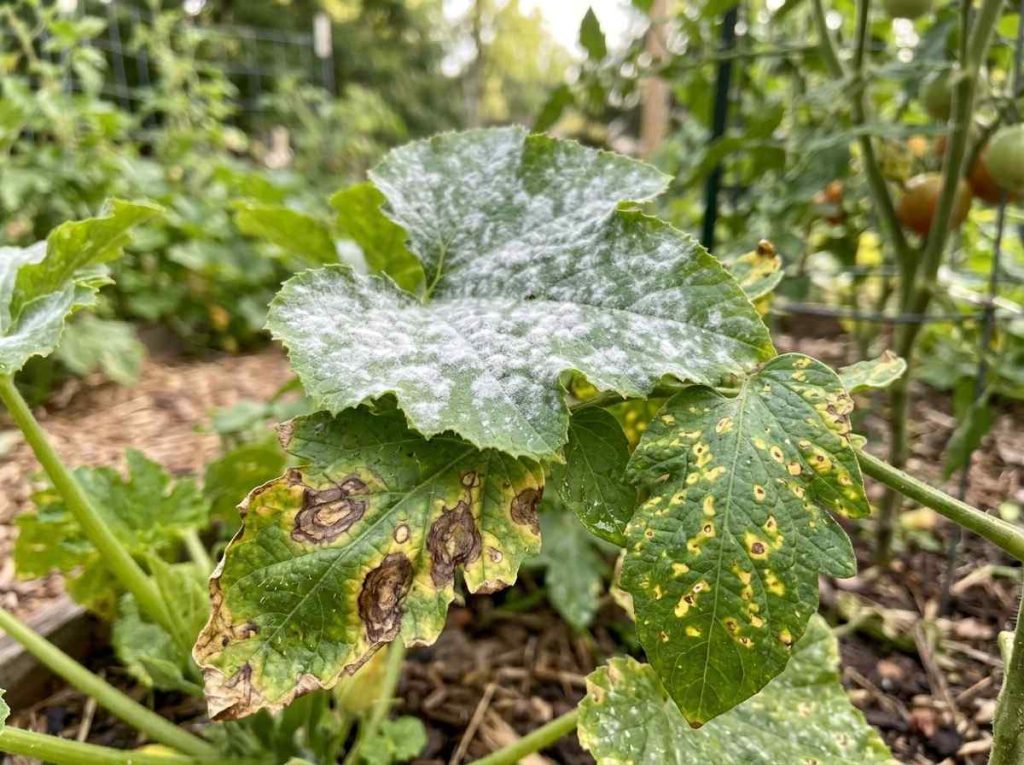
Common diseases include powdery mildew, blight, root rot, and leaf spot, which can damage plant health and reduce yield.
Aphids, caterpillars, spider mites, whiteflies, and beetles are among the most common garden pests.
Use proper spacing, ensure good airflow, avoid overwatering, and rotate crops each season to reduce disease risk.
You can use neem oil, introduce beneficial insects, hand-pick pests, and apply organic sprays.
Regularly inspect leaves, stems, and soil for spots, holes, discoloration, or unusual growth to catch problems early.