Gardening Made Simple.
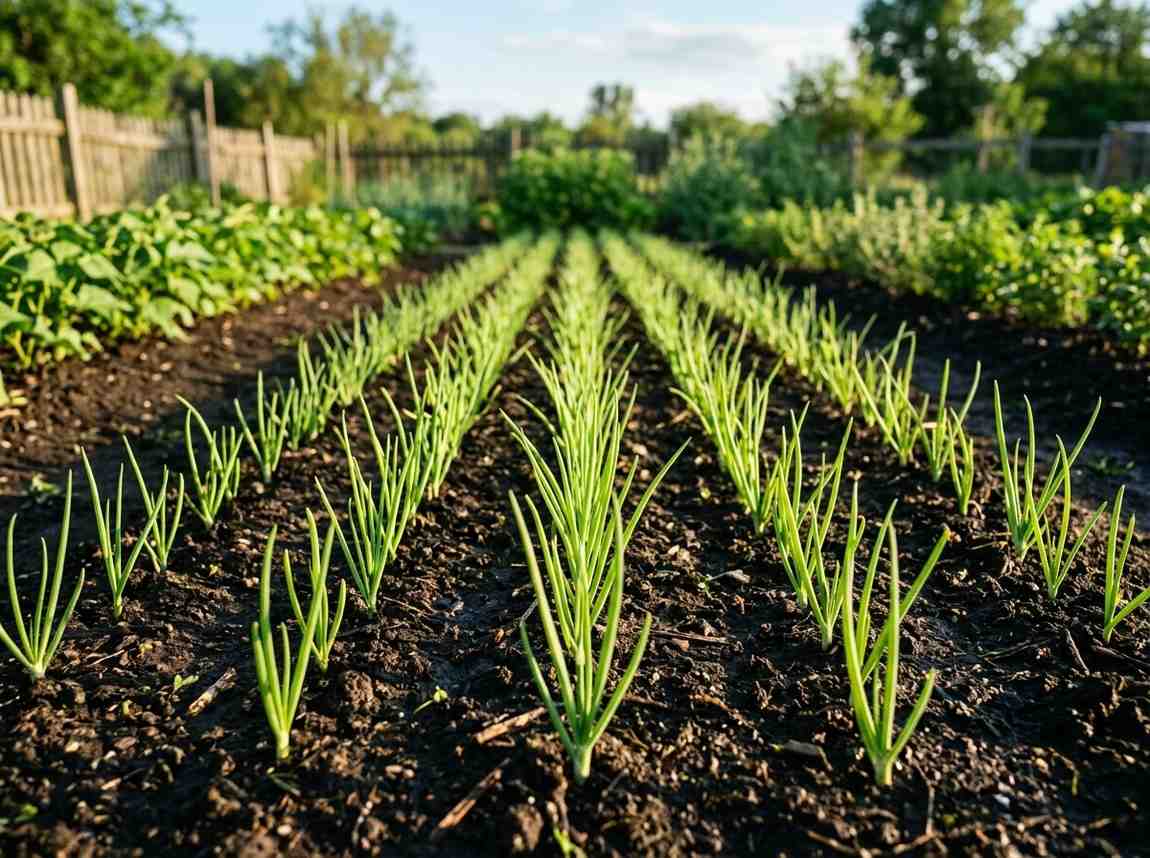
Are you ready to grow your own fresh onions but unsure Onion Seeds When to Plant? Timing is everything when it comes to getting the best harvest.
Plant too early or too late, and you might end up with weak sprouts or small bulbs. In this guide, you’ll discover the perfect time to plant your onion seeds to ensure strong growth and a bountiful crop. Keep reading, and you’ll learn easy tips that make growing onions simple and successful, even if you’re a beginner.
Your garden—and your taste buds—will thank you!
Choosing the right onion seeds is important for a healthy garden. The right seeds help you grow strong onions with good flavor. This section explains how to pick the best seeds for your needs. Learn about different types of seeds, how to match seeds to your climate, and the difference between heirloom and hybrid seeds.
Onion seeds come in several types. Common types include short-day, long-day, and intermediate-day onions. Short-day onions grow best in southern areas with mild winters. Long-day onions prefer northern regions with longer daylight. Intermediate-day onions fit in between these zones. Choose the type that matches your day length for best results.
Your climate affects onion growth a lot. Pick seeds that suit your temperature and sunlight. Onions need cool weather at first and warm weather later. If you plant seeds not suited to your climate, onions may grow poorly or take too long. Check local gardening guides to find the right seeds for your area.
Heirloom seeds come from older, traditional onion varieties. They often have unique flavors and colors. Heirloom seeds can save and reuse for future planting. Hybrid seeds are bred for strong growth and disease resistance. They often produce bigger onions but may not save true seed. Choose heirloom for variety and hybrid for reliability.
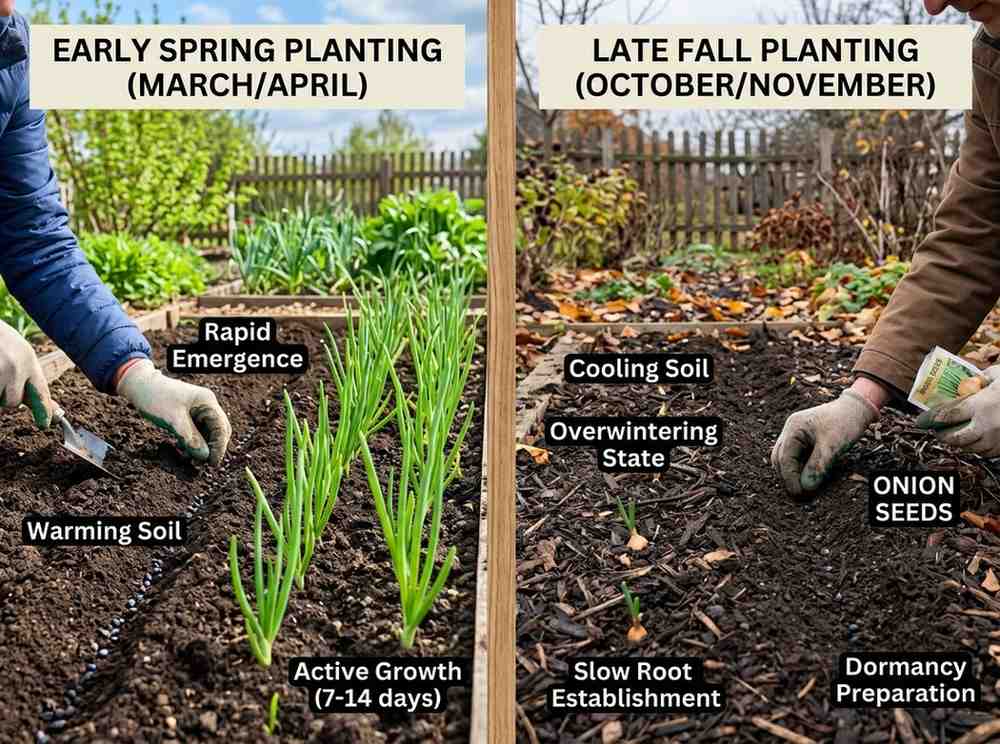
Knowing the best time to plant onion seeds helps grow healthy onions. Timing affects seed germination and bulb size. Planting too early or too late can cause poor growth. Understanding when to sow seeds boosts your harvest success.
Onion seeds usually start in early spring. The soil must be warm, around 50°F (10°C). In cooler areas, sow seeds indoors before spring. In warmer areas, sow seeds outside as soon as the soil thaws. Fall planting is also possible in mild climates.
Cold climates need early indoor sowing to extend the growing season. Seeds can move outside after the last frost. Mild climates allow direct outdoor sowing in late winter or early spring. Hot climates may require planting in late fall to avoid summer heat. Know your zone to pick the right time.
Starting seeds indoors gives seedlings a good head start. Use seed trays or pots with light soil mix. Keep them in a warm, bright place. Transplant seedlings outdoors after frost danger passes. Outdoor sowing works well in mild climates with longer growing seasons. It saves time and effort.
Preparing the soil is the first step to growing healthy onion seeds. Good soil helps onions grow strong roots and big bulbs. The soil must be loose, rich, and well-drained. Proper soil preparation improves water flow and air around the roots. This section explains how to get the soil ready for onion seeds.
Onions grow best in soil with a pH between 6.0 and 7.0. The soil should be sandy or loamy for good drainage. Heavy clay soil holds too much water and can cause rot. Avoid soil that stays wet for long. Onions need soil rich in organic matter to get nutrients.
Start by removing weeds, rocks, and debris from the area. Loosen the soil to a depth of 8 to 10 inches using a garden fork or tiller. Break up large clumps to create a fine, crumbly texture. This helps onion roots spread easily. Rake the soil smooth and level before planting seeds.
Onions need nutrients to grow well. Mix well-rotted compost or aged manure into the soil before planting. Use a balanced fertilizer with nitrogen, phosphorus, and potassium. Apply fertilizer according to the package instructions. Avoid too much nitrogen to prevent weak, leafy growth.
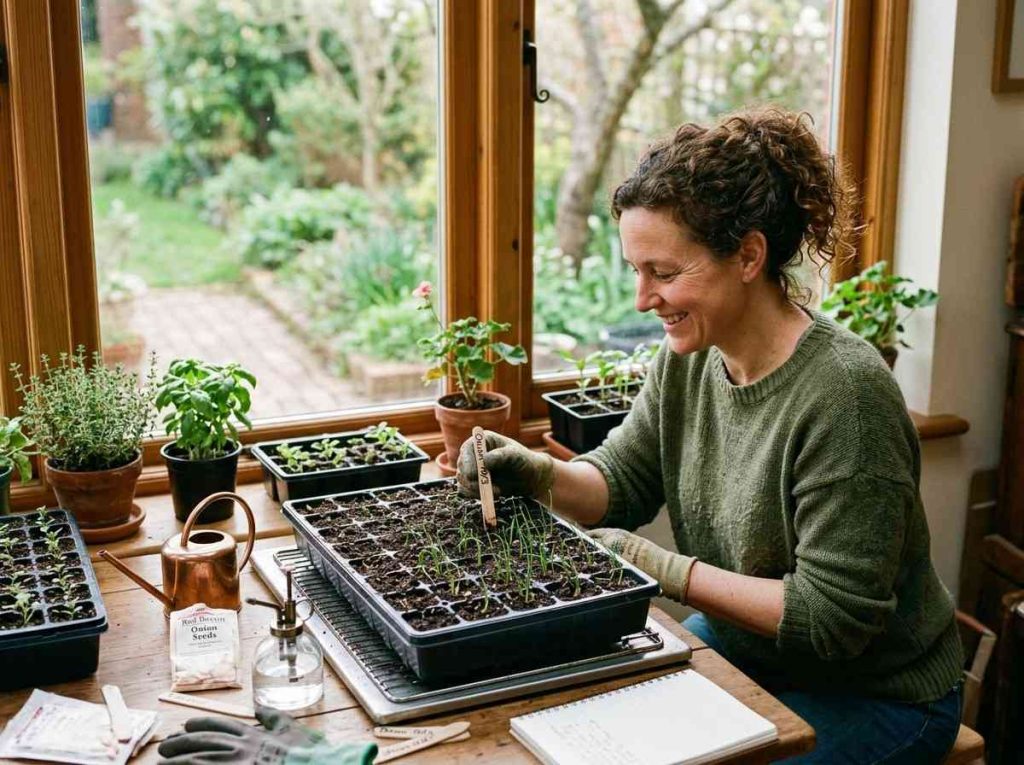
Plant onion seeds early in spring, about 4 to 6 weeks before the last frost date. Choose a sunny spot with well-drained soil for best growth. Keep soil moist until seedlings appear.
Plant onion seeds about ¼ inch deep in the soil. Too deep planting slows their growth. Space the seeds 1 inch apart to give each seed room. Crowding seeds can cause weak plants. Proper spacing helps onions grow big and healthy.
Keep the soil moist but not soggy after planting. Water gently to avoid washing seeds away. Use a spray bottle or watering can with a fine nozzle. Water every day if the soil feels dry. Moist soil helps seeds sprout faster and stronger.
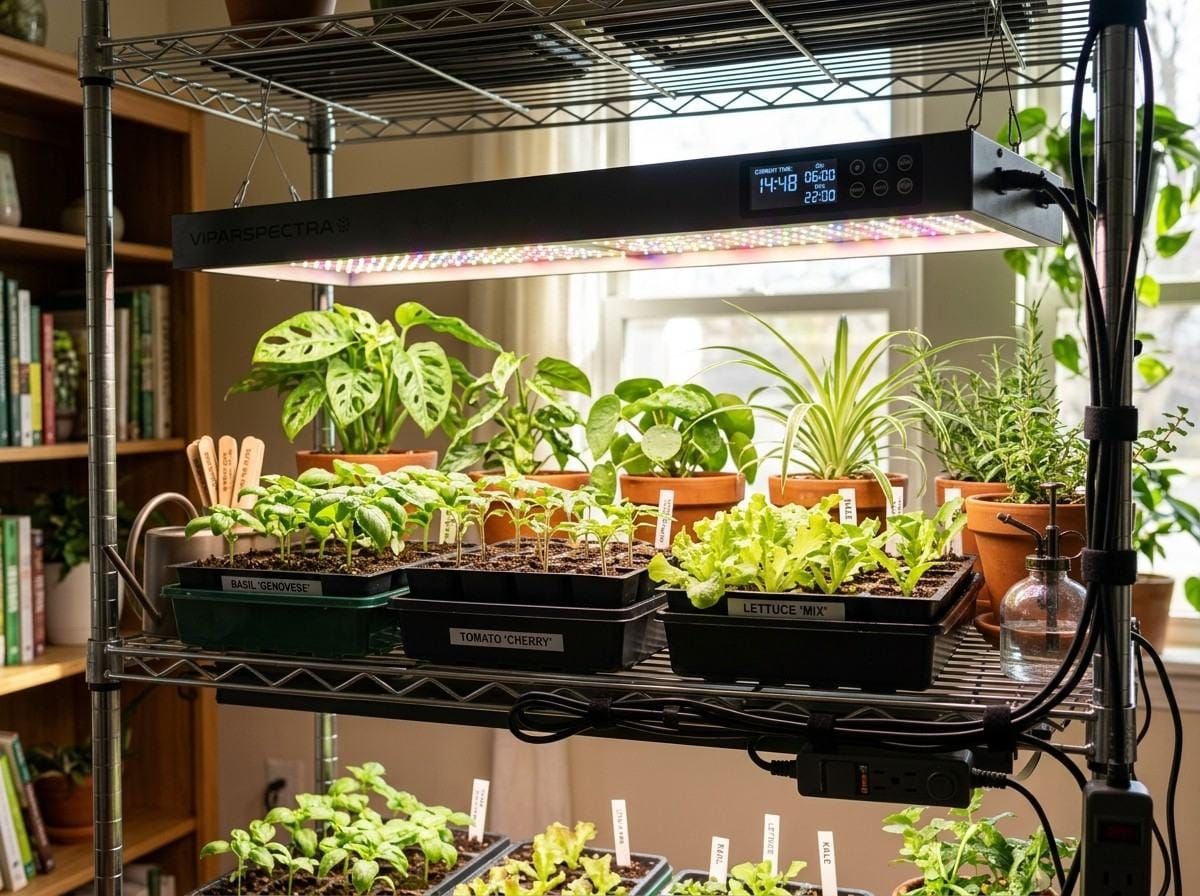
Seed trays and containers are perfect for starting onion seeds indoors. They keep soil warm and moist. Make sure containers have holes for drainage. Fill trays with light, well-draining soil. Place them in a sunny spot or under grow lights. Seedlings grow best in steady warmth and light.
Caring for onion seedlings is important for strong, healthy plants. Proper care helps onions grow well and produce good bulbs. Young seedlings need the right conditions and attention to thrive. Follow simple steps to keep your onion seedlings in top shape.
Onion seedlings need plenty of light to grow tall and green. Place them where they get at least 12 hours of sunlight daily. If indoors, use a grow light to provide enough light. Keep the temperature between 55°F and 75°F. Avoid very hot or cold spots. This range helps seedlings grow steadily without stress.
Thin seedlings when they reach about 2 inches tall. Remove weaker plants to give space for strong ones. Leave about 2 to 3 inches between seedlings. Transplant seedlings carefully when they have 3 to 4 leaves. Choose a cool day or early morning for transplanting. Plant them deeper to protect their roots and help growth.
Check seedlings daily for pests like aphids and onion maggots. Remove pests by hand or use gentle insect sprays. Keep the soil dry on the surface to prevent fungal diseases. Avoid overcrowding to improve air flow around plants. Healthy seedlings resist diseases better and grow stronger.
Harvesting and storing onion seeds is a key step to growing onions year after year. Knowing the right time to collect seeds ensures strong, healthy plants. Proper drying and cleaning prevent mold and pests. Good storage keeps seeds viable for the next planting season.
Harvest onion seeds when seed heads turn brown and dry. The tiny seeds inside should be hard and dark. Pick seed heads before they start to drop seeds on the ground. This prevents losing valuable seeds.
After harvesting, spread seed heads in a dry, airy place. Let them dry for about two weeks. Once dry, gently crush the seed heads to release seeds. Use a fine sieve or screen to separate seeds from chaff. Remove any plant debris or damaged seeds.
Store cleaned seeds in airtight containers. Use glass jars or sealed plastic bags. Keep containers in a cool, dark, and dry place. Avoid moisture, heat, and sunlight to preserve seed quality. Label containers with seed type and date for easy tracking.
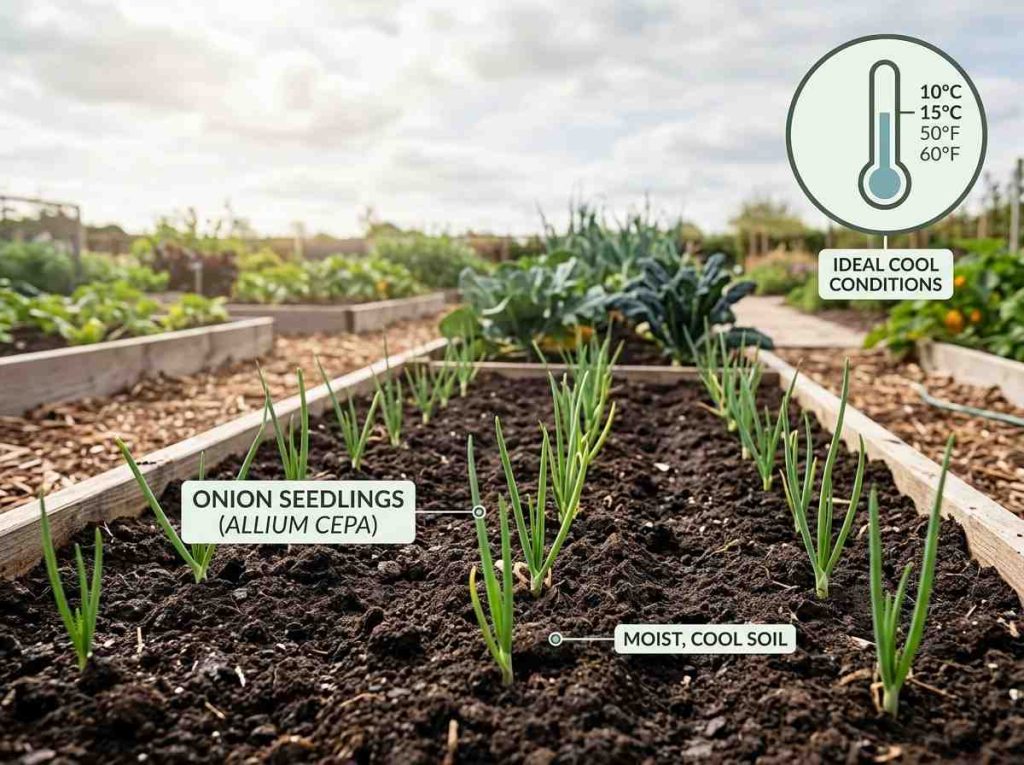
Plant onion seeds in early spring, about 8-10 weeks before the last frost date.
Onion seeds usually sprout within 7 to 14 days in warm soil.
Yes, onion seeds can be sown directly outdoors after the danger of frost passes.
Onions grow best in loose, well-drained soil rich in organic matter.
Plant onion seeds about ¼ inch deep for good germination and growth.
Plant onion seeds in early spring or late winter for best results. Choose a sunny spot with well-drained soil. Keep the soil moist but not wet. Thin seedlings to avoid overcrowding. Watch for pests and water regularly. Patience helps; onions take time to grow.
With proper care, your onion crop will thrive. Happy planting!