Gardening Made Simple.
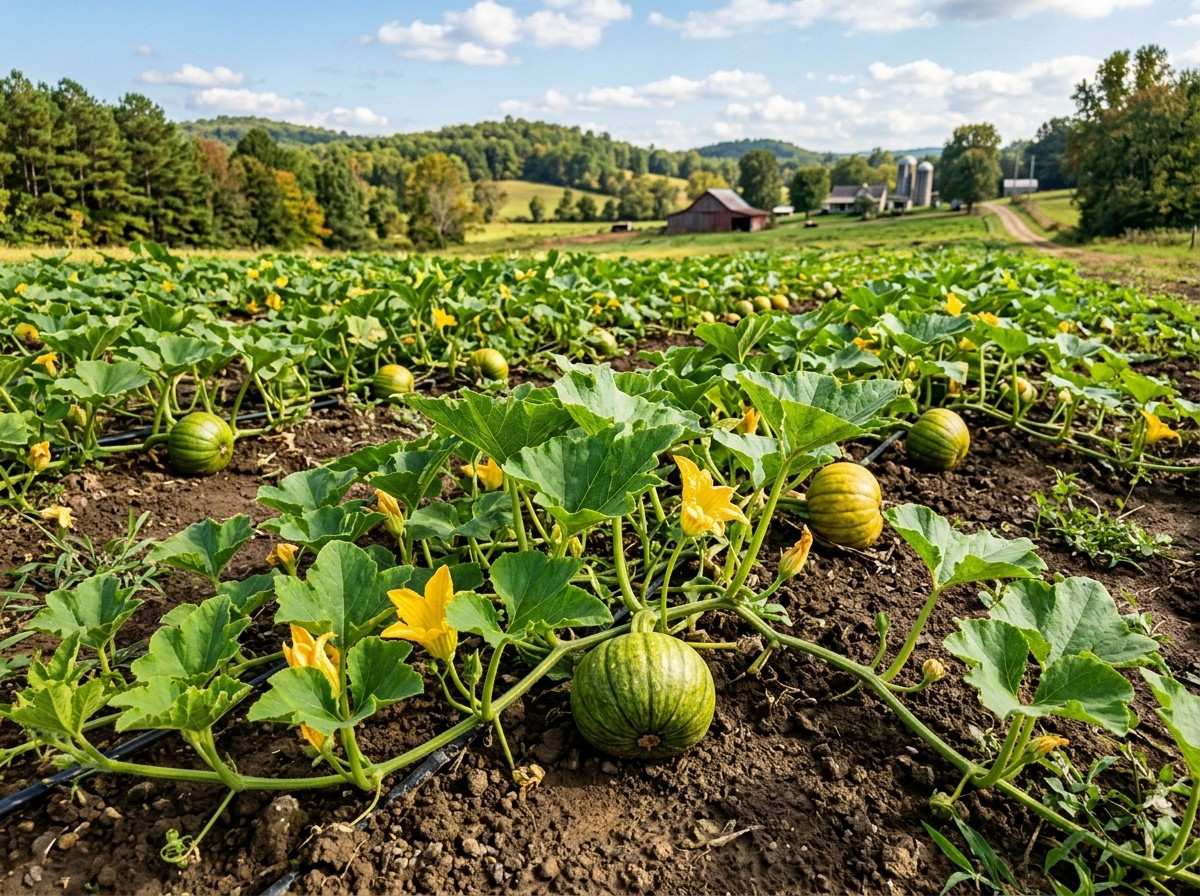
Pumpkins are a classic symbol of fall in North Carolina. Whether you want to carve jack-o'-lanterns, bake pies, or decorate your porch, knowing when to plant pumpkins in NC is essential for a successful harvest. Timing matters, and so do local climate conditions. If you’re a beginner or just moved to North Carolina, you might wonder how to get your pumpkins growing strong. This guide will show you exactly when and how to plant pumpkins in NC, with practical tips, local data, and answers to the most common questions.
North Carolina has a diverse climate. The state stretches from the mountains in the west to the coastal plains in the east. Summers are warm and humid. Winters are mild, except in higher elevations. This affects when you should plant pumpkins.
Pumpkins need warm soil to germinate and grow. They do not like cold nights or frost. In most parts of NC, the growing season starts in spring and ends before the first fall frost. But exact planting times depend on your location:
| Region | Average Last Spring Frost | Average First Fall Frost |
|---|---|---|
| Mountains (Western NC) | Late April - Early May | Mid October |
| Piedmont (Central NC) | Mid April | Late October |
| Coastal Plain (Eastern NC) | Early April | Early November |
The last spring frost is the most important date for pumpkin planting. If you plant too early, frost can kill the seedlings. If you plant too late, pumpkins may not mature before cold weather returns.
The ideal time to plant pumpkins in North Carolina is based on two main factors: frost dates and the type of pumpkin you want to grow. Pumpkins need between 90 and 120 days to mature, depending on the variety.
Pumpkins should be planted after the last frost, usually late April to early May. If you want your pumpkins ready for Halloween, count back about 100 days from October 31. That means planting in late May gives you a harvest in late August to early September, while planting in early May is best for larger varieties.
Planting can start mid April. For Halloween pumpkins, plant from mid April to early May. If you’re aiming for pies or decorations earlier in the season, plant a bit sooner. Central NC has a slightly longer growing season than the mountains, so you have more flexibility.
Here, the season is longest. You can plant pumpkins as early as early April. For Halloween, plant between early April and late May. Pumpkins planted in April will mature by late July or August, while those planted in May will be ready for fall.
Planting early means a summer harvest, but pumpkins won’t store as long unless you keep them cool. Planting later gives you fresh pumpkins for fall, but you risk running into frost if the weather turns cold early. Most North Carolina gardeners prefer planting in late April or early May for the best results.
Pumpkin varieties differ in size, color, flavor, and maturity time. In North Carolina, you should choose varieties that can handle the local climate and mature before frost. Here are some popular options:
| Variety | Maturity Days | Best Use | Notes |
|---|---|---|---|
| Connecticut Field | 110 | Carving | Classic; grows well in NC |
| Small Sugar | 100 | Pies | Sweet flesh |
| Atlantic Giant | 130 | Giant pumpkins | Needs long season |
| Baby Boo | 85 | Decorative | White mini pumpkin |
| Jack-Be-Little | 90 | Decorative | Mini orange pumpkin |
When choosing, check the seed packet for maturity days. Make sure the variety can grow within your local frost-free window.
Pumpkins need space, sunlight, and rich soil. Here’s how to prepare your garden:
Test your soil before planting. If pH is too low, add lime. If nutrients are lacking, mix in compost or well-rotted manure. Avoid planting where squash, cucumbers, or melons grew last year, to reduce disease risk.
Planting is simple, but timing and method matter. You can start seeds indoors or sow directly outside.
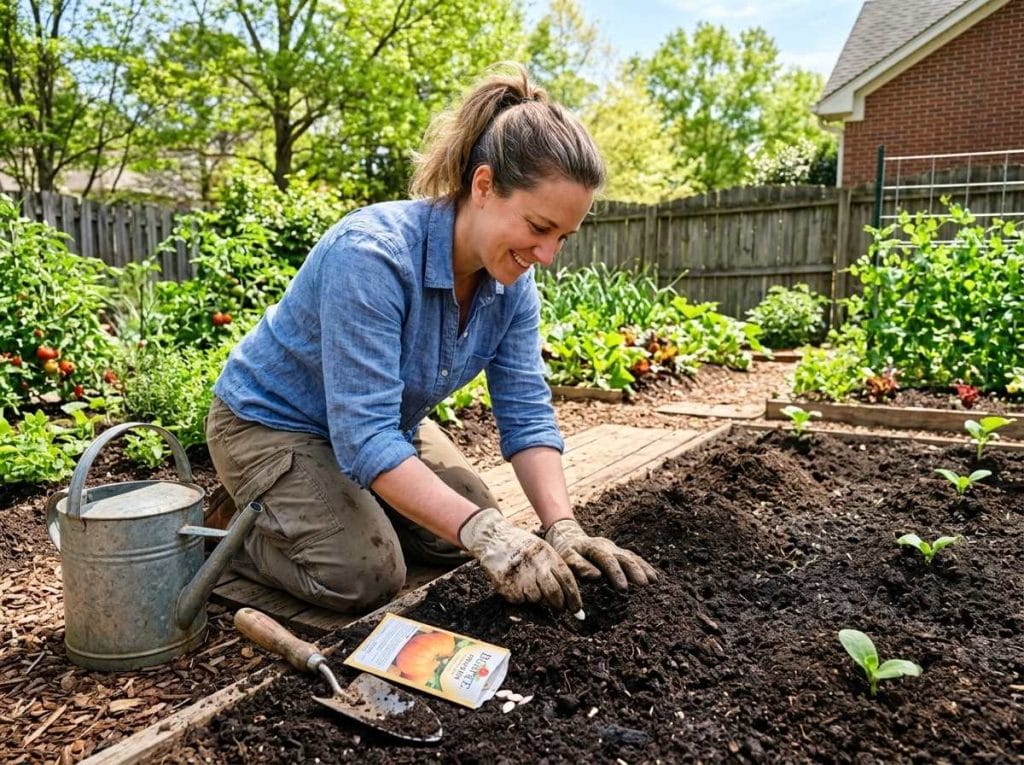
Most gardeners in NC sow pumpkin seeds directly in the garden:
Once seedlings appear, thin to 2–3 plants per hill. Keep the strongest.
If you want an early jump, start seeds indoors 2–3 weeks before the last frost:
Transplants can be trickier for pumpkins because they dislike root disturbance. Direct sowing is safer for beginners.
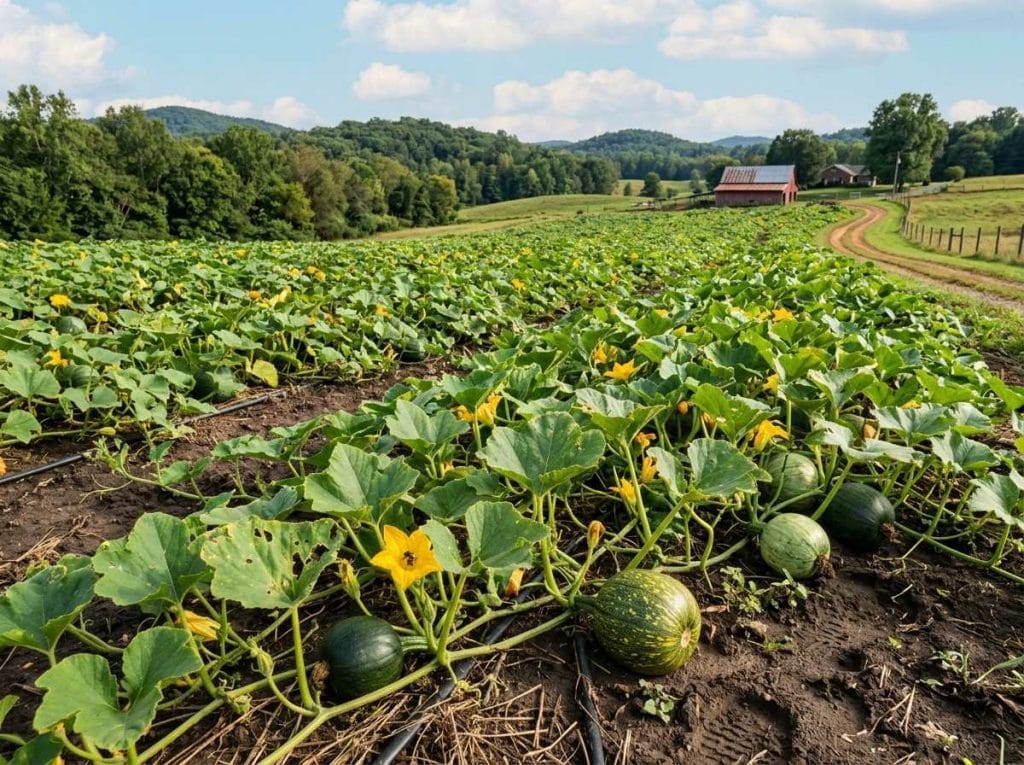
Pumpkins need steady care to grow well in North Carolina’s humid climate.
Pumpkins are prone to diseases like powdery mildew, especially in humid summers. Keep leaves dry and use drip irrigation if possible.
Pumpkins attract pests like squash bugs, cucumber beetles, and vine borers. These can damage leaves, stems, or roots.
Diseases are common in humid climates. Watch for:
Rotate crops every year. Don’t plant pumpkins in the same spot as last year.
Pumpkins are ready when they turn deep orange (or the color of their variety) and the rind is hard. Most harvests happen in September and October in NC.
Signs your pumpkin is ready:
Cut pumpkins from the vine with a sharp knife or pruners. Leave a few inches of stem attached. This helps them keep longer.
Store pumpkins in a cool, dry place. Avoid stacking them. Properly harvested pumpkins can last for several months.
Many beginners make mistakes that can ruin their pumpkin crop. Here are some to avoid:
One insight many miss: pumpkin vines can be redirected as they grow. Gently move vines away from other plants or paths, but avoid breaking the stems.
To see the differences in planting timing and climate, here’s a comparison:
| Region | Planting Window | Typical Harvest | Challenges |
|---|---|---|---|
| Mountains | Late April–Early May | September–October | Shorter season, cooler nights |
| Piedmont | Mid April–Early May | August–October | Variable weather, humidity |
| Coastal Plain | Early April–Late May | July–October | Long season, risk of rot in wet years |
Each region has its own challenges. Coastal NC faces more humidity and heavy rains, which can cause rot. The mountains have cooler nights and a shorter season. Piedmont’s weather is unpredictable but offers balance.
One overlooked tip: pumpkins grow best if you pinch off new flowers in late summer. This helps the plant focus energy on maturing existing fruits.
North Carolina’s weather has become less predictable in recent years. Warm spells can arrive early, but late frosts still happen. Heavy rainfalls can cause soil rot, especially in coastal areas.
According to the North Carolina State Climate Office, average spring temperatures are rising, but frost dates remain variable. This means you should always check your local forecast before planting.
A smart move: use soil thermometers to check ground temperature. Pumpkins germinate best at 70°F. If the soil is too cold, wait a week.
Pumpkins need space, but some mini varieties can grow in large containers. If you lack garden space, use a 20–30 gallon pot, filled with rich soil and placed in full sun.
Container pumpkins rarely reach large sizes, but they can be fun for children or urban gardeners.
Pumpkin seeds can be saved for planting next year, but only from non-hybrid varieties. Hybrid seeds may not produce true-to-type pumpkins.
Make sure to plant saved seeds within a year. Older seeds lose viability.
For extra help, check local extension offices or gardening groups. The NC State Extension offers detailed guides and updates on weather and pests. You can also find local frost dates and tips for your county.
For more in-depth climate and planting data, visit NC State Extension.
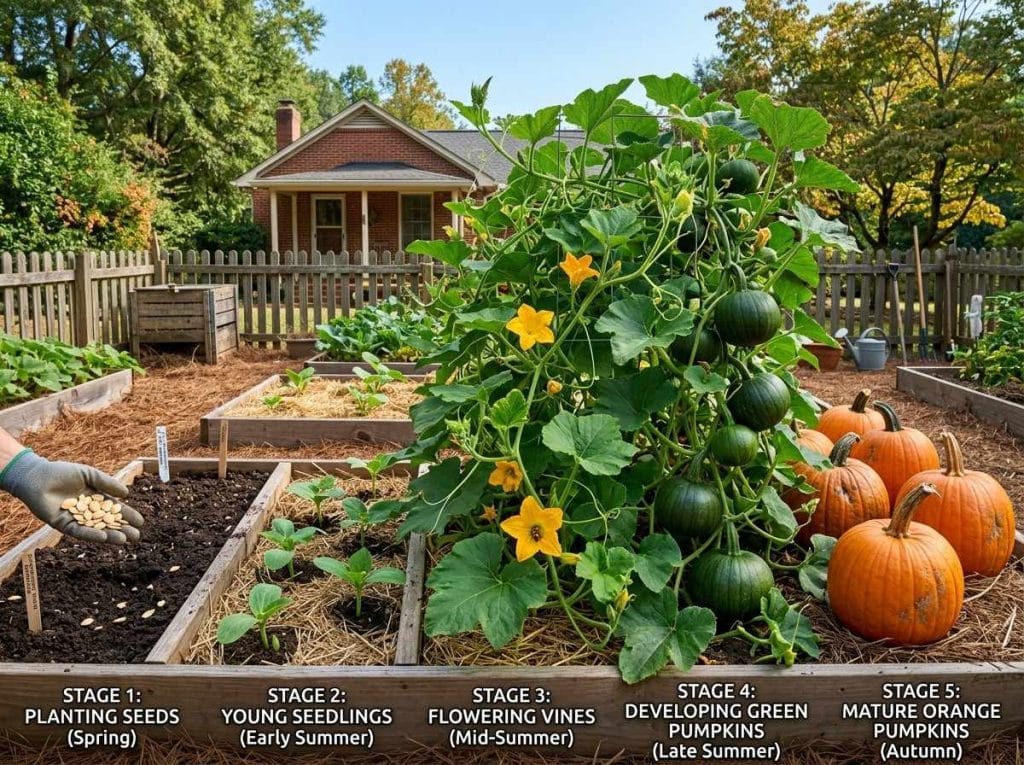
For Halloween, plant pumpkins in late April to early May in the mountains, mid April in the Piedmont, and early April to late May in the coastal plain. Count back 90–120 days from October 31 based on your pumpkin variety’s maturity time.
Yes, you can start seeds indoors 2–3 weeks before the last frost. Use peat pots and warm soil. Transplant seedlings after all danger of frost, but handle roots gently as pumpkins dislike disturbance.
Planting too early or too late is the most common mistake. Early planting risks frost damage; late planting may not allow enough time for pumpkins to mature. Always check your local frost dates and variety’s maturity time.
Look out for squash bugs, cucumber beetles, and vine borers. Use row covers early in the season and check plants often. Remove eggs and damaged leaves quickly.
Pumpkins need 1–2 inches of water per week. Deep, infrequent watering is best. Mulch helps retain moisture. Avoid overhead watering to prevent disease, especially in NC’s humid climate.
Growing pumpkins in North Carolina can be rewarding with the right timing and care. By understanding your local climate, choosing suitable varieties, and preparing your soil well, you’ll enjoy a healthy pumpkin harvest. Remember, every region in NC has its unique challenges, but with practical strategies, you can overcome them.
Whether you’re planting for Halloween or for pies, the key is to match your planting time to your local climate and frost dates. Happy gardening!