Gardening Made Simple.

Have you ever wondered where are artichokes grown before they reach your plate? Knowing the regions and countries that cultivate this unique vegetable can change the way you enjoy it.
Whether you love their rich flavor or want to try growing them yourself, understanding their origins gives you a fresh perspective. Keep reading to discover the top regions that produce the best artichokes and how this knowledge can bring more flavor and freshness to your meals.
Your next artichoke experience might just be closer than you think.

Artichokes have a rich and fascinating origin. They have been cultivated for centuries and enjoyed by many cultures. Their journey from wild plants to a popular vegetable is an interesting story. Understanding where artichokes come from helps us appreciate their unique qualities and history.
Artichokes were first grown by ancient civilizations. The Greeks and Romans valued them for their taste and medicinal uses. They cultivated artichokes in gardens around the Mediterranean. Over time, artichokes spread to other parts of Europe. By the Middle Ages, they became a luxury food for the wealthy. Early cultivation involved careful selection of plants for size and flavor.
Artichokes naturally grow in the Mediterranean region. Countries like Italy, Spain, and France have ideal climates for artichoke farming. These areas have mild, wet winters and warm, dry summers. The plant thrives in well-drained soils and full sun. Today, artichokes are also grown in parts of California and other mild coastal areas. These regions share similar weather conditions to the Mediterranean.
Artichokes thrive in mild climates with cool, moist conditions. They need well-drained soil and moderate temperatures. Many countries grow artichokes, but a few lead the production worldwide. These countries supply most of the global market and set farming trends.
Understanding where artichokes grow helps appreciate their journey from farm to table. It also shows how climate and culture influence farming methods. Below are the top producers and new regions growing artichokes.
Italy is the largest producer of artichokes. It grows many varieties, especially in the Mediterranean area. Spain follows closely with vast plantations in Andalusia and Valencia. The United States ranks high, mostly in California’s coastal zones. France, Egypt, and Peru also contribute significant amounts. These countries have ideal climates and rich farming traditions.
The Mediterranean climate is perfect for artichokes. Mild winters and cool summers protect the plants. These conditions help produce tender, flavorful artichokes. Farmers in these regions use both traditional and modern techniques. It ensures steady production and high quality.
New artichoke farms appear in areas with suitable climates. Parts of South America, such as Chile and Argentina, are expanding cultivation. Some African countries, including Morocco and Tunisia, start growing artichokes commercially. Australia also shows promise with increasing production in coastal states.
These emerging regions offer fresh opportunities. They help meet growing global demand for artichokes. Farmers here adapt to local conditions and use new farming methods. This diversification strengthens the global supply chain. It brings artichokes closer to more consumers worldwide.
Artichokes need certain conditions to grow well. These plants thrive best when their environment suits their needs. Understanding the growing conditions helps farmers and gardeners grow healthy artichokes with good yields.
Artichokes prefer mild climates. They grow well in areas with cool, foggy summers. Temperatures between 50°F and 75°F suit them best. Extreme heat or frost can harm the plants. Coastal regions often provide ideal weather for artichokes.
Well-drained soil is vital for artichokes. They like rich, sandy loam with good organic matter. The soil pH should be slightly acidic to neutral, around 6.5 to 7.5. Heavy clay or waterlogged soils can cause root problems and poor growth.
Artichokes need consistent moisture but not too much water. Regular watering keeps the soil evenly moist. Overwatering may lead to root rot. Drip irrigation works well to provide steady water while avoiding wet leaves.
Artichoke cultivation in North America plays a key role in supplying fresh and canned artichokes to many markets. The climate and soil conditions in certain regions suit artichoke farming well. Farmers use careful techniques to grow healthy plants and produce quality crops. Understanding where artichokes grow helps appreciate the effort behind this unique vegetable.
California leads the United States in artichoke production. The cool coastal climate and sandy soil support their growth. Monterey County, especially, is famous for vast artichoke fields. The region hosts an annual artichoke festival, celebrating this crop. Farmers harvest artichokes from spring through early summer. California supplies almost all fresh artichokes in the U.S.
Other states grow artichokes on a smaller scale. Florida and Texas produce some artichokes, mostly for local use. These states have warmer climates, which can limit artichoke growth. Growers experiment with different varieties to adapt to these conditions. The artichoke market outside California remains small but steady.
Canada grows artichokes mainly in British Columbia. The mild coastal climate supports artichoke farming. Canadian farmers focus on niche markets and organic production. The shorter growing season means smaller yields than in the U.S. Still, Canadian artichokes reach local markets fresh and canned. Interest in artichoke cultivation is slowly growing in Canada.

Europe is a key player in artichoke production. The climate suits this vegetable well. Coastal areas with mild winters and warm summers are ideal. The Mediterranean region leads the cultivation. Rich soil and the right weather help grow large, tasty artichokes.
Different countries have their own special artichoke varieties. Each region adds unique flavors to the crop. Farmers use traditional methods passed down through generations. This keeps the quality high and the taste authentic.
Italy is famous for its artichoke farms. The regions of Sicily, Sardinia, and Lazio grow most of the crop. Romanesco artichokes from Lazio are especially prized. Italian farmers focus on organic and sustainable farming. Their artichokes are tender and full of flavor.
Spain ranks high in artichoke production. The regions of Murcia, Catalonia, and Valencia lead the way. Spanish artichokes have a unique, slightly sweet taste. Farmers use advanced irrigation systems to protect crops. This ensures good yields even in dry seasons.
France grows artichokes mainly in Brittany and Provence. Their artichokes are often smaller but very flavorful. Other European countries like Greece and Portugal also grow artichokes. These countries produce smaller amounts but maintain high quality. The European artichoke scene is diverse and rich.
Artichoke farming in South America plays a key role in the global supply of this unique vegetable. The continent's climate suits the artichoke plant well. Farmers use both traditional and modern methods for cultivation. Regions with mild winters and cool summers see the best growth. The main producers focus on quality and yield to meet rising demand.
South America’s diverse geography allows artichokes to grow in several countries. Among them, Chile and Argentina stand out as the top contributors. Their farming practices have improved with time. This progress helps supply fresh artichokes to local markets and export destinations.
Chile has ideal conditions for artichoke farming. Coastal areas provide moderate temperatures and rich soil. Farmers grow artichokes mainly in the central regions. These areas have a long growing season with little frost risk. Chile produces a large portion of South America’s artichokes. Most of the harvest goes to fresh markets and export. The country’s farming methods focus on sustainability and soil health. This focus helps keep production steady year after year.
Argentina also grows artichokes, mostly in its temperate zones. The provinces around Buenos Aires have suitable climates. Farmers here use irrigation to boost yields. Artichoke crops in Argentina serve local consumers and nearby countries. Surrounding areas like Uruguay and southern Brazil grow smaller amounts. These regions benefit from similar weather and farming knowledge. Together, they form an important cluster of artichoke production in South America.
Artichokes are gaining popularity across Asia. Their unique taste and health benefits attract many farmers. The climate in some Asian regions supports artichoke growth well. Farmers use new methods to grow these plants successfully. Cultivation is expanding to meet rising demand from consumers and chefs.
Asian growers focus on both traditional and modern farming techniques. This helps improve yield and quality. Artichokes are now part of various local dishes. The vegetable is also used in herbal medicines in some areas. The future looks promising for artichoke farming in Asia.
China leads the Asian artichoke market. Its large farming areas allow extensive cultivation. Provinces with mild climates suit the plant best. Chinese farmers adopt greenhouses and drip irrigation. These techniques increase growth rates and reduce water use. Production rises to supply both local and export markets. China’s artichoke farms also focus on organic methods. This attracts health-conscious consumers at home and abroad.
Besides China, several countries grow artichokes. India and Japan show growing interest in cultivation. Farmers experiment with new varieties to suit local soils. South Korea imports seeds to start small farms. Southeast Asian countries like Vietnam explore artichoke farming too. These efforts aim to diversify crops and improve nutrition. Artichoke farming helps local economies and offers new food options.
Artichoke farming faces many problems. These problems affect how well the plants grow and the amount farmers can harvest.
Farmers must manage pests and diseases carefully. The weather is also a big challenge. Costs and market prices add more pressure.
Pests like aphids and snails damage artichoke plants. They eat leaves and buds, hurting the crop’s quality.
Diseases such as fungal infections cause rot and leaf spots. These illnesses reduce plant health and yield.
Farmers use natural and chemical methods to control pests and diseases. But it needs constant attention and effort.
Changing weather patterns make farming harder. Too much heat or cold can harm artichokes.
Rainfall changes affect soil moisture. Drought or floods can stop plants from growing well.
Unpredictable seasons force farmers to adapt quickly. This adds risk to growing artichokes.
Farming costs for seeds, water, and labor keep rising. These costs reduce farmers' profits.
Market prices for artichokes can change fast. Low prices make farming less attractive.
Access to markets and transportation also affects income. Poor infrastructure limits farmers’ success.
The future of artichoke growing holds exciting possibilities. Farmers and scientists work together to improve how artichokes are grown. These changes focus on better farming, new technology, and shifting market needs. Understanding these trends helps growers prepare for the future. It also ensures a steady supply of fresh artichokes for everyone.
Farmers adopt eco-friendly methods to protect the land. Using less water and natural pest control helps the environment. Crop rotation and organic fertilizers keep the soil healthy. These practices reduce pollution and save resources. Consumers prefer artichokes grown with care for nature.
New tools help farmers grow artichokes more efficiently. Drones monitor fields to spot problems early. Sensors track soil moisture and temperature for better watering. Automated machines can plant and harvest crops faster. Technology lowers costs and increases the crop yield.
People want fresher and healthier food options. Artichokes with unique flavors and colors gain popularity. Farmers grow varieties that suit local tastes and climates. The demand for organic and sustainably grown artichokes rises. This changes how and where artichokes are cultivated.
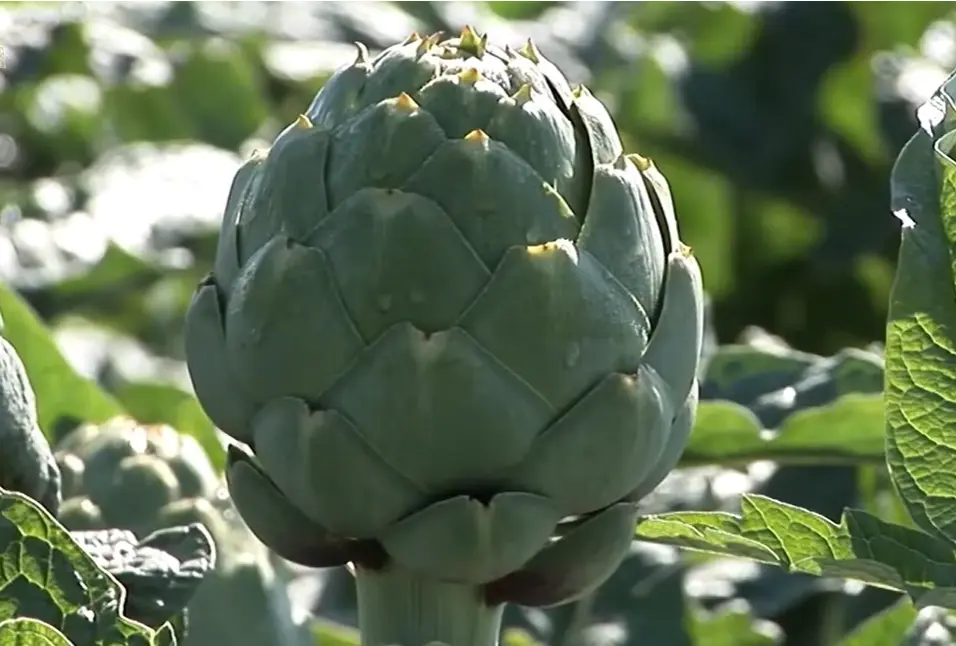
Artichokes grow mostly in the Mediterranean region, the United States, and parts of South America.
California leads US artichoke production, especially in Monterey County and the Central Coast.
Artichokes thrive in mild, coastal climates with cool, foggy summers and wet winters.
Yes, artichokes can grow in home gardens with well-drained soil and enough sunlight.
Artichokes usually take about 85 to 100 days from planting to harvest.
Artichokes grow best in mild, coastal climates worldwide. Countries like Italy, Spain, and the USA lead production. These regions offer cool winters and warm summers. The plant needs well-drained soil and plenty of sunlight. Farmers often choose places near the sea for better growth.
Growing artichokes requires patience and care. Now you know where artichokes thrive and why. This knowledge helps appreciate this unique vegetable more. Try adding artichokes to your meals soon!