Gardening Made Simple.
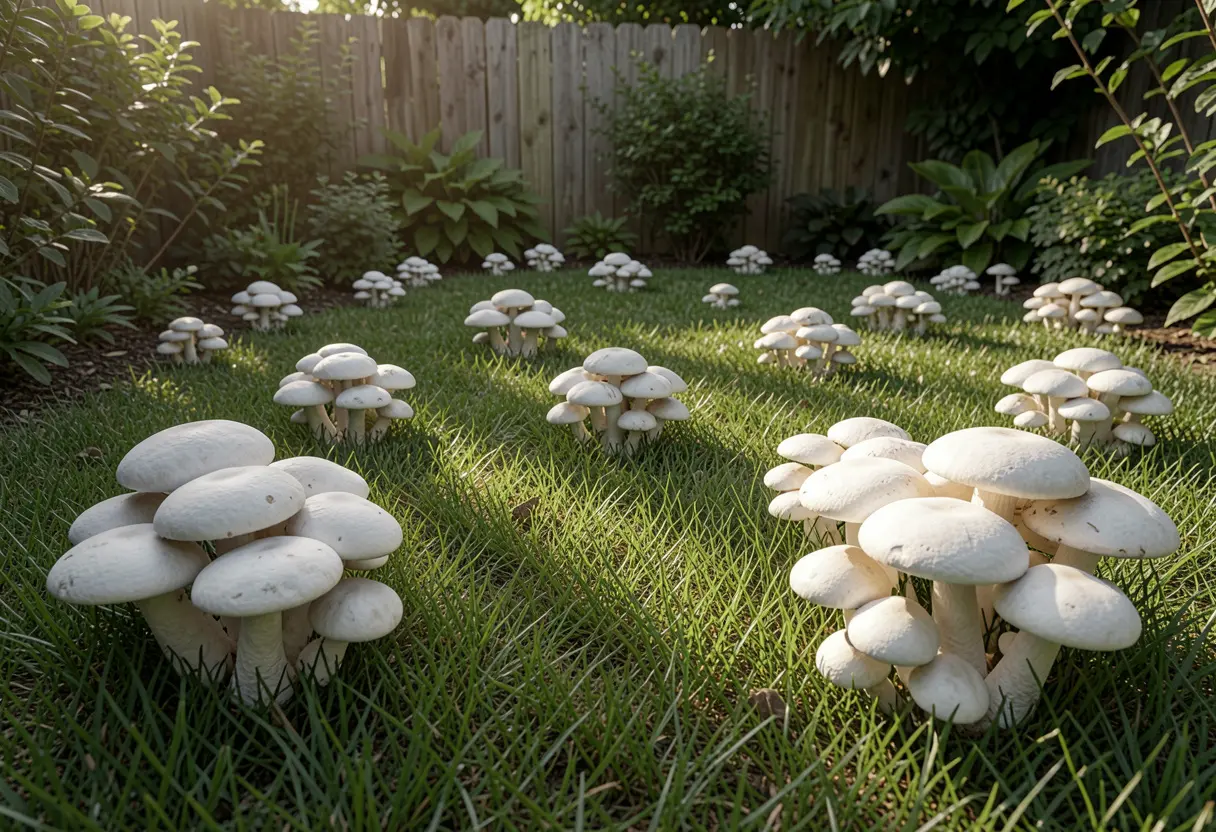
Have you noticed White Mushrooms Growing in Yard and wondered what they are? These small fungi may seem harmless, but White Mushrooms Growing in Yard can reveal important clues about your lawn’s health and soil conditions.
You might be curious if they are safe to touch, eat, or if they mean trouble for your grass. Keep reading, because understanding why these white mushrooms grow and what you should do about them can save you time, protect your family, and even improve your yard’s condition.
Let’s dive into the surprising facts about white mushrooms growing right outside your door.
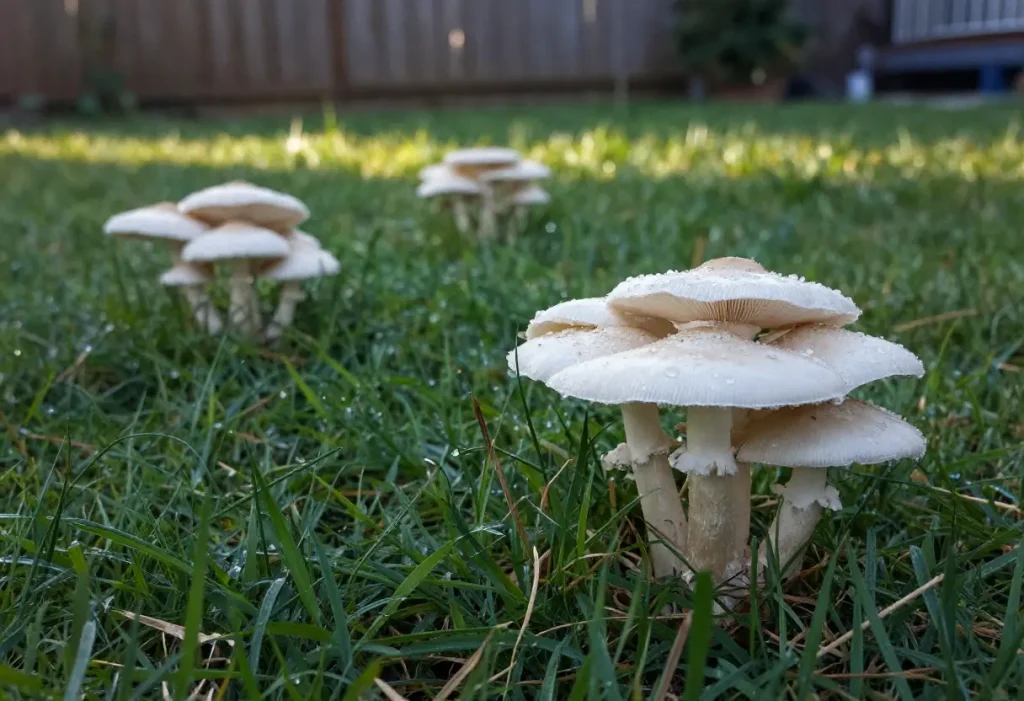
White mushrooms often pop up in yards without warning. They may look strange or even worrying. Understanding why they appear helps you care for your lawn better. Mushrooms grow from spores in the soil. They need the right conditions to thrive. These fungi are not harmful to grass but can indicate other factors at play.
Mushrooms grow from decaying organic matter like dead roots or leaves. Lawns with heavy thatch or old tree roots often host mushrooms. Overwatered lawns also create perfect spots for mushroom growth. Lawns that get shaded and remain damp encourage mushroom spores to sprout. Mushrooms show that your lawn has plenty of organic material breaking down.
Rain and humidity trigger mushroom growth quickly. Warm, wet weather is ideal for mushrooms to appear. Mushrooms often emerge after a heavy rain or long wet spell. Areas with poor air circulation stay moist and help mushrooms grow. Mushrooms fade away when weather turns dry or cold.
Soil rich in organic matter supports mushroom growth. Mushrooms feed on decaying plant material in the soil. Compacted soil holds moisture longer, helping mushrooms sprout. Lawns with good drainage usually have fewer mushrooms. Testing soil can help you know its health and organic content.
White mushrooms growing in your yard may look harmless, but they come with risks. Knowing these dangers helps protect your family and lawn. Some white mushrooms can be toxic, affecting pets and children. They may also harm your grass and cause allergic reactions in people.
Many white mushrooms look alike, but some are poisonous. Pets like dogs and cats may eat these mushrooms out of curiosity. Children might touch or even taste them. Poisonous mushrooms can cause vomiting, diarrhea, or worse. Always keep an eye on pets and kids near mushrooms.
Mushrooms grow from fungi living in the soil. Some types can damage grass roots. This weakens your lawn and causes brown patches. Mushrooms also indicate excess moisture or decaying matter underground. Managing these conditions can help keep your lawn healthy.
Handling mushrooms can cause skin irritation for some people. Spores from mushrooms may trigger allergies or breathing problems. Avoid touching mushrooms with bare hands. Clean any areas where mushrooms grow to reduce spores in the air.

Removing mushrooms safely from your yard helps protect your lawn and family. Mushrooms can spread quickly and may be harmful if touched or eaten by pets or children. Careful removal stops spores from spreading and keeps your yard healthy.
Wear gloves to protect your skin. Gently pull mushrooms from the ground, including the base. Avoid breaking them to prevent spore release. Place mushrooms in a plastic bag and throw them away. Rake the area to remove any leftover bits.
Use fungicides labeled for yard mushrooms. Follow instructions carefully to avoid damage to grass. Some natural remedies like vinegar or baking soda can reduce mushroom growth. Spray these mixtures on affected areas. Repeat treatment as needed for best results.
Keep your yard dry by improving drainage. Remove organic debris like leaves and grass clippings. Aerate soil to help it dry faster. Avoid overwatering your lawn. Healthy grass outcompetes mushrooms and stops them from coming back.
White mushrooms growing in your yard signal that the soil and environment suit fungi well. Improving yard conditions can help control or prevent these mushrooms. Small changes in care and soil can make a big difference. Healthy yard practices reduce excess moisture and decay that mushrooms love.
Water your yard only when needed. Overwatering creates damp spots where mushrooms thrive. Early morning watering helps the soil dry faster. Avoid watering late in the day to reduce moisture at night. Use a sprinkler that distributes water evenly to prevent puddles. Proper watering keeps the soil just moist, not wet.
Check for areas where water pools after rain. Poor drainage encourages mushroom growth and lawn problems. Add organic matter like compost to improve soil texture. This helps water move through the soil better. Aerate your lawn to break compacted soil layers. Good drainage limits the moist environment mushrooms need.
Keep your grass healthy and strong. Mow regularly to the right height for your grass type. Remove dead leaves and grass clippings to reduce decay. Fertilize with balanced nutrients to promote growth. A healthy lawn competes with fungi and reduces mushroom chances. Strong grass absorbs moisture better, leaving less for mushrooms.

White mushrooms grow due to moist soil, organic matter, and shade in your yard.
Some white mushrooms can be toxic to pets; it's best to keep pets away.
Remove mushrooms by hand, improve drainage, and reduce shade to prevent growth.
Yes, they show decaying organic material and excess moisture in your yard soil.
White mushrooms usually do not harm grass or plants; they break down dead material.
White mushrooms growing in your yard are common and usually harmless. They often appear after rain or watering. These mushrooms help break down organic matter in the soil. Still, avoid eating wild mushrooms unless you know they are safe. Removing mushrooms is easy by raking and improving drainage.
Keep your lawn healthy to reduce mushroom growth. Watching your yard’s mushrooms can help you learn more about your soil. Nature’s little helpers, they play a quiet but important role. Stay curious and take simple steps to manage them safely.