Gardening Made Simple.
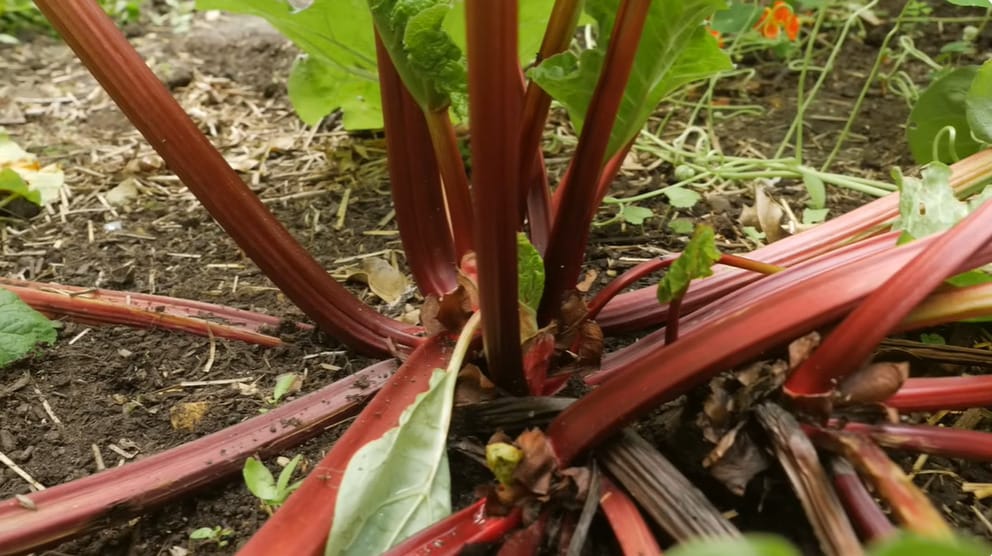
Your rhubarb is more green than red due to its variety and growing conditions. Some green varieties are naturally less red, and factors like sunlight, temperature, and soil can affect color development. Understanding Why is My Rhubarb More Green Than Red can help you manage growing conditions for more vibrant stalks.
Rhubarb is a popular plant known for its tart stalks, often used in pies and desserts. While many people expect rhubarb to be bright red, it can sometimes appear more green. This color variation can be attributed to the specific variety of rhubarb grown.
Some varieties naturally produce greener stalks. Growing conditions also play a significant role. Factors like soil type, temperature, and sunlight influence the color. Ensuring optimal growing conditions can sometimes enhance the red coloration. Understanding these factors helps gardeners manage expectations and cultivate healthier rhubarb plants.
Rhubarb is a unique plant with stalks that vary in color. While many expect rhubarb to be red, it often appears green. This color variation can confuse gardeners and cooks.
The color of rhubarb stalks depends on many factors. These include variety, growing conditions, and maturity. Red rhubarb is often sweeter, while green rhubarb can be tart.
Green rhubarb is just as safe to eat as red rhubarb. The color difference does not indicate any health risks. Both colors provide similar health benefits.
Several rhubarb varieties exhibit different colors. Here are some common types:
| Variety | Color | Taste |
|---|---|---|
| Victoria | Green with red hints | Balanced |
| Canada Red | Bright red | Sweet |
| Crimson Red | Deep red | Sweet |
| German Wine | Green and red mix | Tart |
Ever wondered why your rhubarb is more green than red? The color of rhubarb stalks can vary significantly. These variations are influenced by several factors. Let's explore the key factors that affect the color of your rhubarb.
Genetics play a crucial role in determining rhubarb color. Different rhubarb varieties have different genetic makeups. Some varieties naturally produce greener stalks. Others are genetically inclined to be more red.
Here's a table showcasing common rhubarb varieties and their typical colors:
| Variety | Typical Color |
|---|---|
| Victoria | Green |
| Canada Red | Red |
| Valentine | Red |
| German Wine | Green |
Growing conditions also impact the color of rhubarb. Several elements of the growing environment influence stalk color. These include:
Maintaining optimal growing conditions can help achieve the desired stalk color.
Rhubarb color can be influenced by various factors, including soil and nutrients. Ensuring the right soil conditions and nutrients can help achieve vibrant red stalks.
The pH level of the soil plays a crucial role in the color of rhubarb. Rhubarb thrives best in soil with a pH between 6.0 and 6.8. If the pH is too high or too low, the plant may produce more green stalks.
Test your soil using a pH testing kit. Here’s a simple table to guide you:
| pH Level | Action |
|---|---|
| Below 6.0 | Add lime to raise pH. |
| Above 6.8 | Add sulfur to lower pH. |
The type of fertilizer you use can also impact the color of rhubarb. Use a balanced fertilizer with equal parts nitrogen, phosphorus, and potassium. Too much nitrogen can lead to more green stalks.
Here is a quick guide to fertilizing rhubarb:
Make sure not to over-fertilize. Excess nutrients can harm the plant. Always follow the instructions on the fertilizer package.
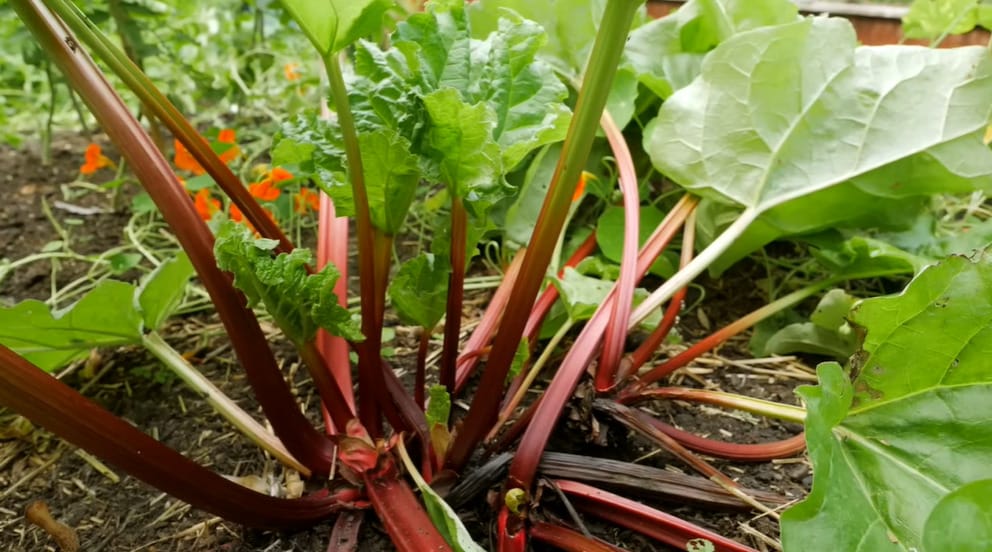
Understanding the role of sunlight and shade is essential for growing rhubarb. The color of your rhubarb stems can depend on the amount of light they receive. Let's dive into how sunlight and shade affect rhubarb color.
Rhubarb plants thrive with optimal sun exposure. They need at least 6 hours of sunlight each day. Sunlight helps them grow strong and vibrant. The more sunlight they get, the redder the stems become.
Here's a quick guide to sunlight needs:
| Sunlight Hours | Rhubarb Color |
|---|---|
| 6+ hours | Deep Red |
| 4-6 hours | Light Red |
| Less than 4 hours | Green |
Shade has a significant impact on rhubarb color. Too much shade can lead to greener stems. Shade limits the plant's ability to produce red pigments.
If your rhubarb is in a shady spot, consider these tips:
Remember, light is crucial for that beautiful red color.
Watering practices can greatly influence the color of your rhubarb. Proper watering ensures healthy growth and vibrant color. Let’s explore the best practices for watering your rhubarb.
Rhubarb needs consistent watering to thrive. Water your rhubarb plants once a week. Ensure the soil stays moist but not waterlogged.
During hot, dry periods, check the soil more often. If the top inch feels dry, it's time to water. This keeps the plant hydrated and reduces stress.
Each rhubarb plant needs about 1 to 1.5 inches of water per week. Use a rain gauge to measure rainfall and adjust your watering accordingly.
When watering, aim for the base of the plant. Deep watering encourages strong root growth. Avoid overhead watering to prevent fungal diseases.
Credit: mycancalekitchen.com
Understanding the proper harvesting techniques for rhubarb can help you achieve the desired red color. Harvesting at the right time and using the correct methods can make a significant difference. Below are some important tips on how to harvest rhubarb effectively.
The timing of your harvest plays a crucial role in the color of your rhubarb. Rhubarb is best harvested in spring or early summer. Aim to harvest when the stalks are about 10-15 inches long. Make sure the leaves are fully opened before picking.
Rhubarb should be harvested in the morning. The cooler temperatures help maintain its color. Avoid harvesting during the hottest part of the day. This can cause the stalks to become limp and lose their vibrant color.
There are several methods to harvest rhubarb, but the most effective ones ensure the plant's health and the stalk's quality. Here are two common methods:
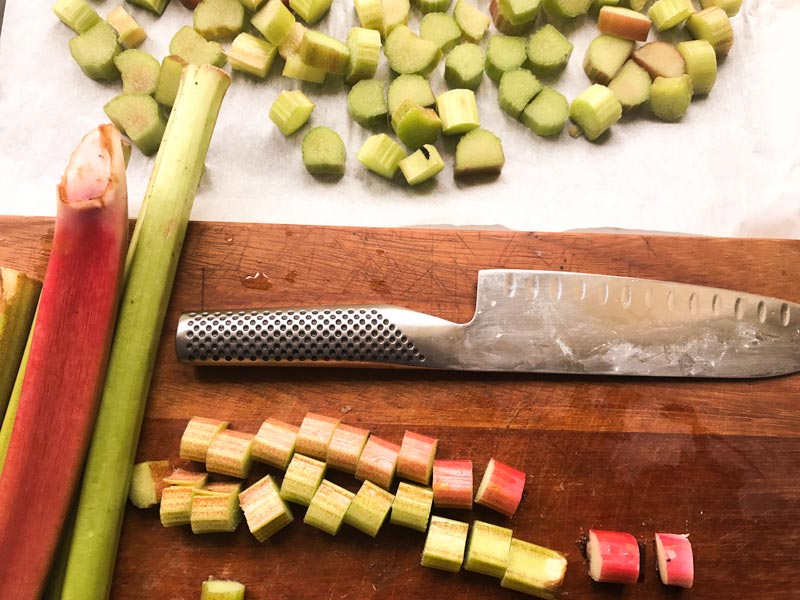
After harvesting, remove the leaves immediately. They are toxic and should not be consumed. Store the stalks in a cool, dry place. For longer storage, place them in the refrigerator.
| Method | Advantages | Disadvantages |
|---|---|---|
| Pull and Twist | Keeps plant healthy, prevents rot | Requires more effort |
| Cutting | Quick and easy | Risk of rot, needs careful cutting |
By following these harvesting techniques, you can improve the color and quality of your rhubarb. Proper timing and methods are essential for a bountiful harvest.
Many people believe that rhubarb must be red to be good. This is not true. There are several myths about rhubarb color and flavor. Let’s explore some of them.
One common myth is that the color of rhubarb equals its flavor. Some think red rhubarb tastes sweeter than green rhubarb. This is a misunderstanding. The color of rhubarb stems does not determine their sweetness. Instead, the taste depends on the variety and growing conditions. Both red and green rhubarb can be equally delicious.
Another myth is that red rhubarb is always better. People often choose red rhubarb for its vibrant color. They believe it is superior in quality and taste. But this is not true. Green rhubarb can be just as tasty and nutritious as red rhubarb. In fact, some green varieties are more tender and flavorful.
| Myth | Truth |
|---|---|
| Color Equals Flavor | Color does not affect flavor |
| Red is Always Better | Green can be just as good |
Understanding these myths can help you appreciate all types of rhubarb. Enjoy both red and green varieties in your recipes.
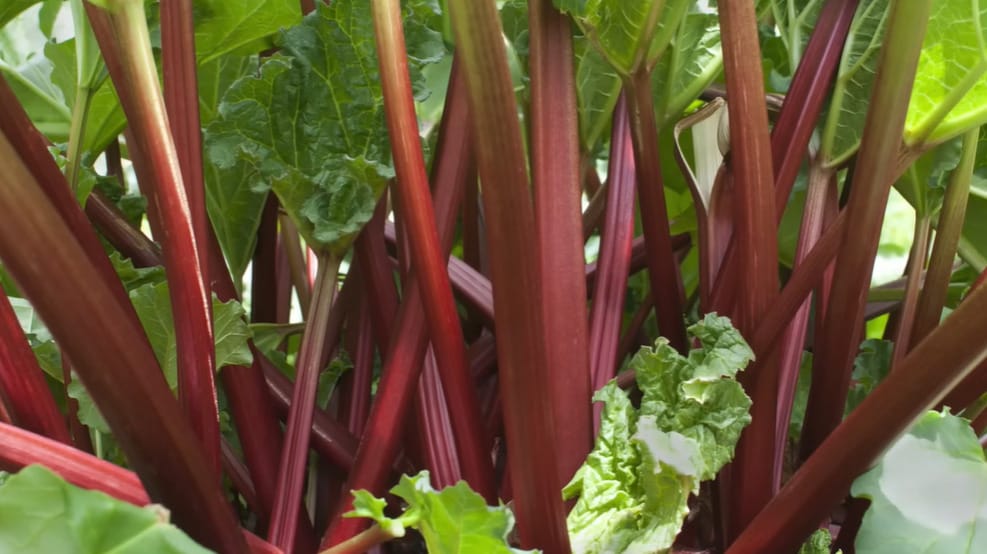
Growing rhubarb with vibrant red stalks can be a challenge. But with the right approach, you can enhance the color of your rhubarb. Follow these tips to achieve redder stalks and make your rhubarb stand out.
Choosing the right variety is crucial. Some varieties naturally produce redder stalks. Here are a few varieties known for their red color:
Planting these varieties increases the chance of red stalks. Always check the variety before purchasing.
The right growing conditions can enhance stalk color. Here are some tips:
| Condition | Tip |
|---|---|
| Soil Quality | Use well-draining, fertile soil. Enrich with compost. |
| Sunlight | Provide full sun for at least six hours daily. |
| Watering | Keep soil consistently moist but not waterlogged. |
| Temperature | Rhubarb prefers cooler temperatures. Avoid excessive heat. |
Following these tips can help you grow rhubarb with redder stalks. Remember, the right variety and growing conditions are key.
Green rhubarb can be due to variety, growing conditions, or lack of sunlight.
Yes, green rhubarb is safe to eat. It tastes similar to red rhubarb.
Ensure your rhubarb gets plenty of sunlight and water. Some varieties stay green regardless.
Green rhubarb's taste is almost identical to red rhubarb. It might be slightly less sweet.
Yes, choose red-stalk varieties like 'Valentine' or 'Canada Red' for vivid red rhubarb.
Understanding why your rhubarb is more green than red helps improve your gardening skills. Adjust light, soil, and watering for better results. Ensure you choose the right variety and provide proper care. Happy gardening, and may your rhubarb turn vibrant red soon!