Gardening Made Simple.

Are you watering your tomato plants by spraying the leaves? It might seem like an easy way to keep them hydrated, but this simple habit can actually do more harm than good. Understanding Why Shouldnt I Water My Tomato Plants on the Leaves is important for preventing disease, improving plant health, and ensuring a stronger, more productive harvest.
Imagine spending time and effort growing juicy tomatoes, only to see your plants struggle with disease or slow growth. What if a small change in how you water could make your tomatoes healthier and more productive? Keep reading to discover why watering your tomato plants on the leaves is a mistake—and what you should do instead to get the best results from your garden.

Watering tomato plants properly is key to growing healthy, tasty tomatoes. Water affects the plant’s growth, fruit quality, and disease resistance. Knowing the right way and time to water helps keep leaves dry. Wet leaves can cause diseases and reduce fruit yield.
Understanding watering basics can improve your tomato garden’s success. Focus on watering the soil, not the leaves, to keep plants strong and healthy.
Water tomatoes early in the morning. The soil absorbs moisture before the heat of the day. Leaves dry quickly in the morning sun, reducing disease risk. Avoid watering late in the evening. Wet leaves overnight invite fungal infections. Morning watering helps plants stay hydrated all day.
Tomatoes need consistent moisture but not too much water. Water deeply once or twice a week, depending on weather and soil type. Check soil moisture by feeling it a few inches down. Dry soil means it’s time to water. Overwatering causes root problems and weak plants. Adjust watering during rainy or hot days to keep soil just right.
Watering tomato plants on the leaves can cause many problems. Wet leaves create a perfect environment for harmful organisms. These organisms can damage your plants and reduce your harvest. Understanding the risks of wet leaves helps you protect your garden better.
Fungi thrive on damp leaves. Water droplets give fungi the moisture they need to grow fast. Common fungal diseases like powdery mildew and early blight start on wet leaves. These infections cause spots, yellowing, and leaf drop. They weaken the plant and lower fruit quality.
Bacteria also spread easily on wet leaves. Water can carry bacteria from one plant to another. Bacterial spots and specks appear on leaves and stems. These spots can turn dark and cause leaf death. Infected plants grow slowly and yield less fruit.

Water on tomato leaves can harm the plant in several ways. It may cause damage to the leaf surface and reduce the plant’s ability to make food. Understanding these effects helps gardeners care better for their plants.
Water droplets can act like tiny magnifying glasses. They focus sunlight and burn the leaf tissue. This creates brown or yellow spots on the leaves. Damaged leaves cannot work properly and may die early.
Water on leaves blocks sunlight from reaching the leaf surface. Leaves need sunlight to make food through photosynthesis. When water covers the leaves, this process slows down. The plant grows weaker and produces fewer tomatoes.
Proper watering techniques keep tomato plants healthy and strong. Watering the leaves can cause problems. It can lead to diseases and weak plants. Focus on watering the roots and soil for best results.
Water the soil near the stem, not the leaves. This helps water reach the roots directly. Roots absorb water better this way. Avoid wetting the leaves, which can cause mold and fungus. Use a watering can or hose with a gentle flow. Water deeply but less often to encourage strong roots.
Drip irrigation delivers water slowly to the soil. It targets the base of each plant. This method saves water and reduces leaf moisture. Drip systems prevent water waste and reduce disease risks. They keep tomato plants healthier and grow better fruit. Easy to install and manage for gardeners of all levels.
Watering tomato leaves can cause many problems. Moist leaves create the perfect spot for fungi and bacteria. These germs cause diseases that harm your plants. Avoiding leaf wetness is key, but there are other ways to keep your tomatoes healthy.
Using smart gardening tricks helps stop diseases before they start. These tips keep your plants strong and productive all season.
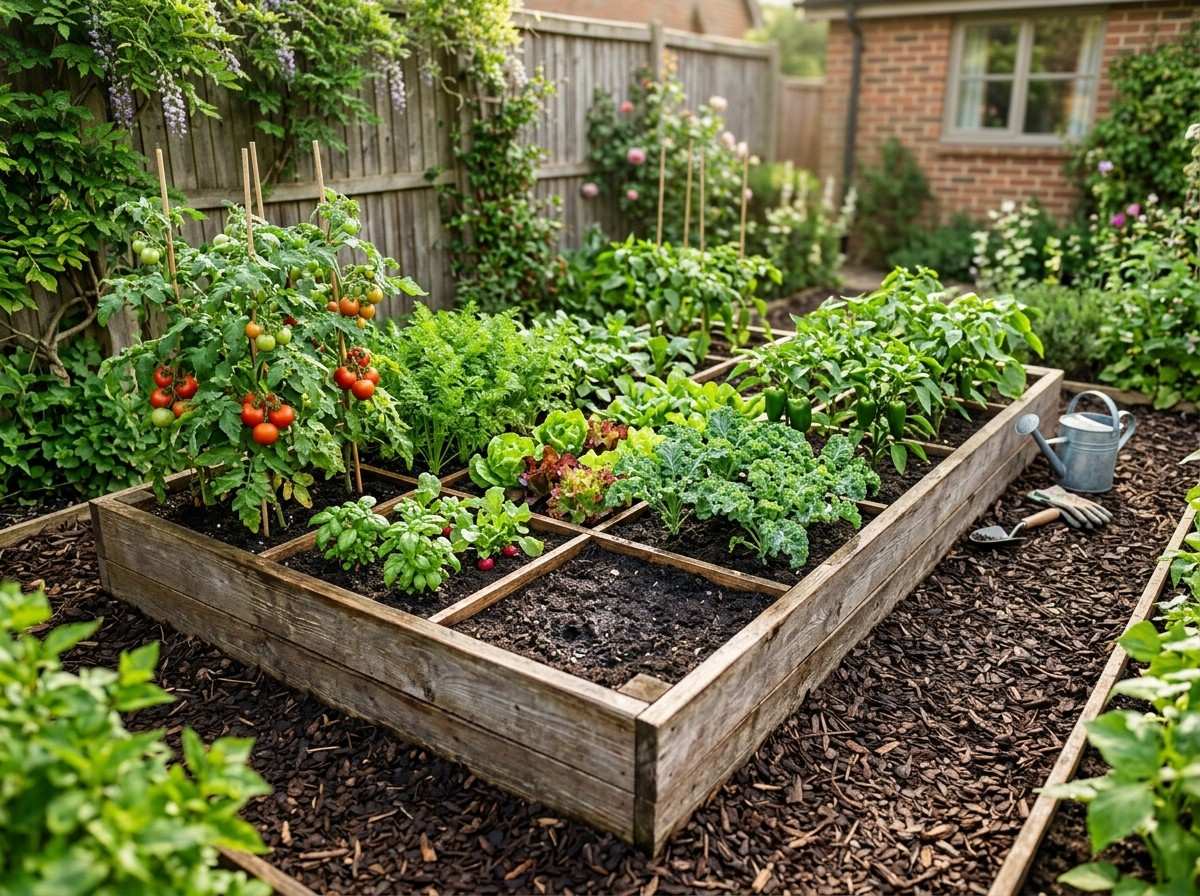
Mulch covers the soil around tomato plants. It stops soil from splashing onto leaves during rain or watering. This splash can carry disease germs. Mulch also keeps soil moisture steady. Steady moisture means roots stay healthy and strong. Mulch blocks weeds too, which compete for nutrients.
Pruning removes extra leaves and small branches. This opens the plant’s canopy and helps air move through. Good airflow dries leaves faster after rain or watering. Dry leaves mean fewer chances for disease. Prune lower leaves that touch the ground. Also, cut crowded branches inside the plant.

Water on leaves can cause fungal diseases and leaf spots that harm tomato plants.
Wet leaves can stress plants, leading to smaller or less healthy tomatoes.
Water on leaves blocks sunlight and traps moisture, slowing plant growth.
Common diseases include blight, powdery mildew, and leaf spot from wet leaves.
Water the soil directly at the plant base to keep leaves dry and healthy.
Watering tomato leaves can cause problems for your plants. Wet leaves may invite diseases like blight and mold. These illnesses can harm your tomatoes and reduce your harvest. Water the soil around the plant instead. This helps roots absorb moisture better.
Keep leaves dry to keep plants healthy and strong. Healthy tomato plants give you better fruit. Remember, careful watering leads to happy tomatoes. Try this simple tip for a successful garden.