Gardening Made Simple.
Are you ready to enjoy juicy, homegrown tomatoes but unsure when do I plant tomatoes? Timing is everything when it comes to growing tomatoes successfully. Planting at the right moment ensures strong seedlings, healthy plants, and a bountiful harvest that you can enjoy all season long.
Plant too early, and cold weather can ruin your crop; plant too late, and you might miss the full harvest season. You’ll discover the perfect time to plant your tomatoes for the best yield and flavor. Keep reading to learn how to make your tomato-growing experience easy and rewarding!
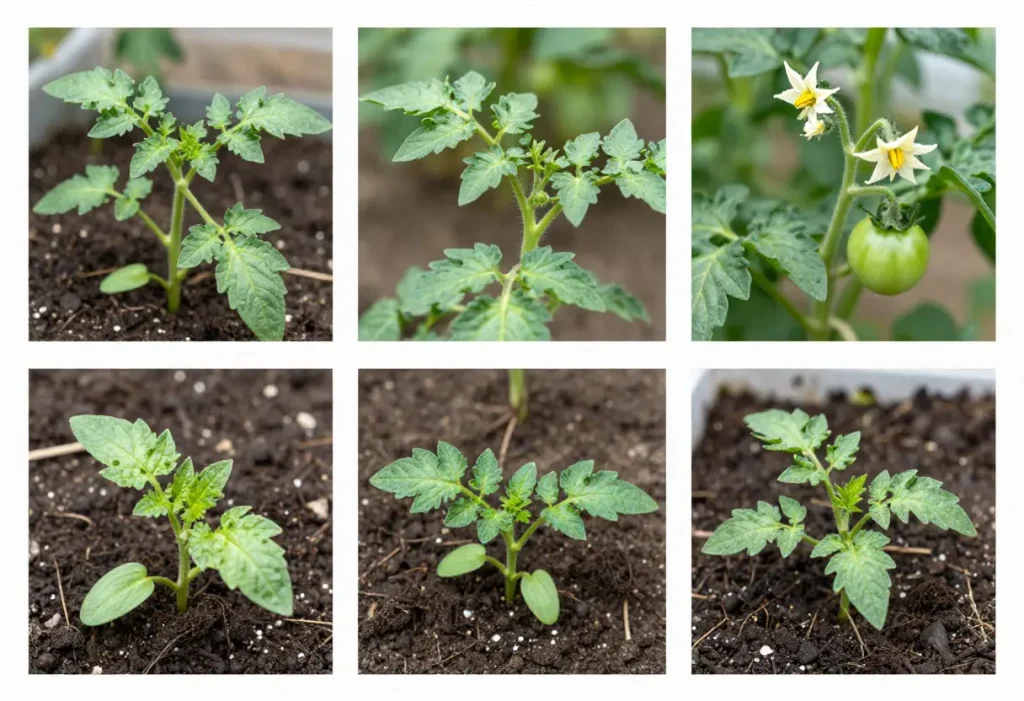
The best time to plant tomatoes depends on several key factors. Timing affects how well your plants grow and how much fruit they produce. Planting at the right moment helps avoid cold damage and promotes strong roots.
Understanding soil temperature, frost dates, and seasonal changes can guide your planting schedule. These elements work together to create the ideal conditions for tomato growth.
Tomatoes grow best in warm soil. The ideal soil temperature is between 60°F and 70°F (16°C to 21°C). Planting seeds or seedlings in cooler soil can slow growth and cause poor development. Use a soil thermometer to check the temperature before planting. Warm soil helps roots take up nutrients quickly.
Frost can kill tomato plants. Wait until after the last frost date in your area to plant outside. This date varies by location and changes every year. Check local frost date calendars to find the safe planting window. Starting tomatoes indoors before the last frost helps plants grow strong before transplanting.
Spring is the most common planting season for tomatoes. In warmer climates, tomatoes can be planted earlier or even in late summer for a second crop. Cooler regions have a shorter growing season and need careful timing. Adjust planting based on your local climate to get the best harvest.
Choosing the right tomato varieties is key to a successful harvest. Different types grow in different ways and times. Knowing these differences helps you pick the best kind for your garden. It also affects when to plant and how to care for the plants.
Tomatoes come in many shapes, sizes, and colors. Each variety has unique needs. Understanding these needs makes growing easier and more fun. Let’s explore the main types to help you decide.
Determinate tomatoes grow to a set height and stop. They produce fruit all at once. This type is good for canning or making sauces. They need less support because they are bushy and compact.
Indeterminate tomatoes keep growing and producing fruit all season. They can reach tall heights and need strong stakes or cages. These are great for fresh eating and continuous harvest. They require more space and care.
Early season tomatoes ripen quickly, often in 50-60 days. They are great for short growing seasons or early harvests. These varieties help you enjoy fresh tomatoes sooner.
Late season tomatoes take longer to mature, sometimes 70 days or more. They often produce larger fruits and more flavor. Plant these if your growing season is long and warm.
Starting tomato seeds indoors gives plants a strong start. It helps you control temperature and light. You can grow healthy seedlings before moving them outside. This method works best in cooler areas or short growing seasons.
Start tomato seeds indoors about 6 to 8 weeks before the last frost date. Check your local frost date online. Planting too early can cause weak seedlings. Too late, and plants won’t have enough time to grow before summer ends.
Tomato seedlings need bright light to grow tall and strong. Use a sunny window or grow lights. Keep lights on for 14 to 16 hours daily. Maintain a warm temperature of 65 to 75°F. Warm soil helps seeds sprout faster.
Water seedlings gently to keep soil moist but not wet. Thin seedlings if they grow too close. This gives each plant room to grow. Use a small fan to strengthen stems by creating air movement. Fertilize seedlings lightly after they develop two sets of leaves.
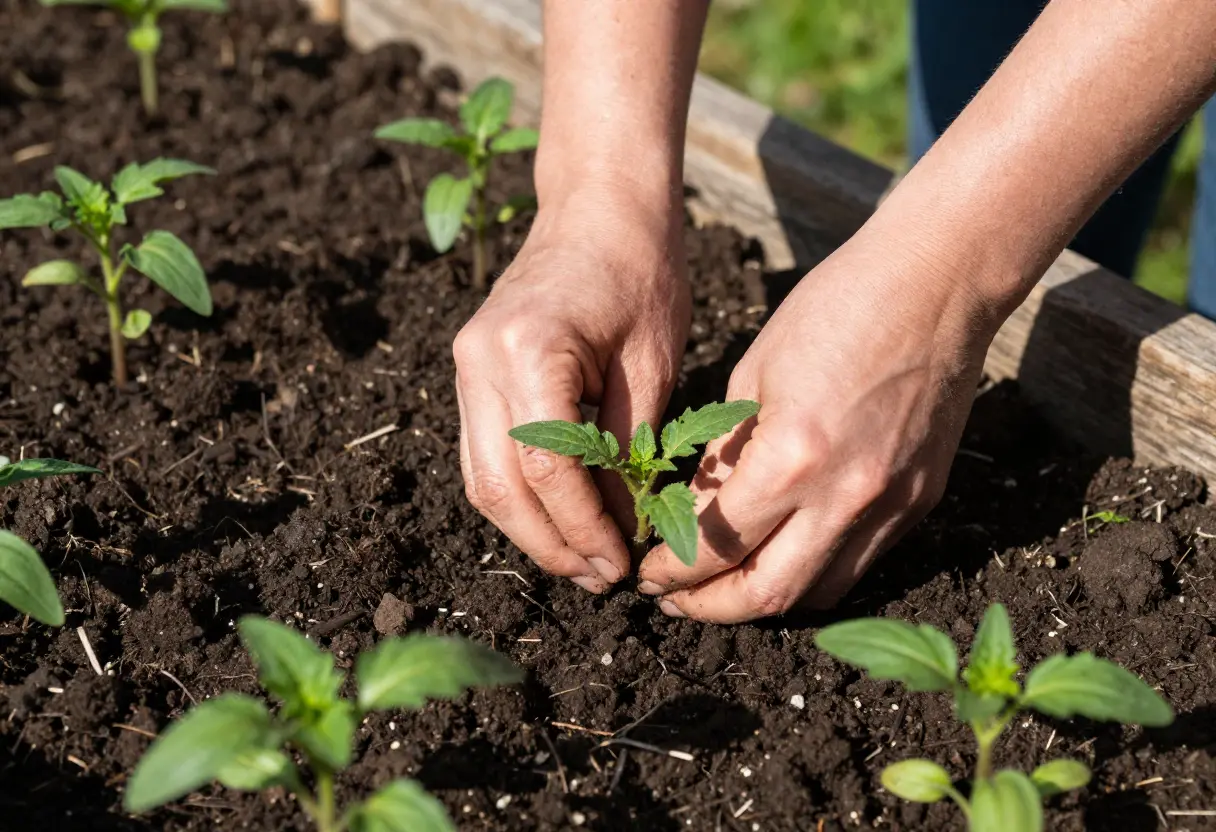
Transplanting tomato seedlings outdoors is a key step in growing healthy plants. It moves them from pots inside to the garden soil. This change gives plants more space and sunlight. Proper care during this process helps seedlings grow strong and produce more tomatoes.
Hardening off prepares seedlings for outdoor conditions. Start by placing them outside for a few hours daily. Increase this time over a week. Protect seedlings from strong sun and wind at first. This gradual change helps plants adjust to weather and reduce shock.
Choose a day with mild weather for transplanting. Avoid very hot or windy days. Soil should be warm, at least 60°F (15°C). Water seedlings well before moving them. This keeps roots moist and healthy during transplant.
Space seedlings about 18 to 24 inches apart. This gives each plant room to grow. Plant seedlings deeper than in their pots. Cover stem up to the first leaves. This encourages stronger roots and sturdy plants.
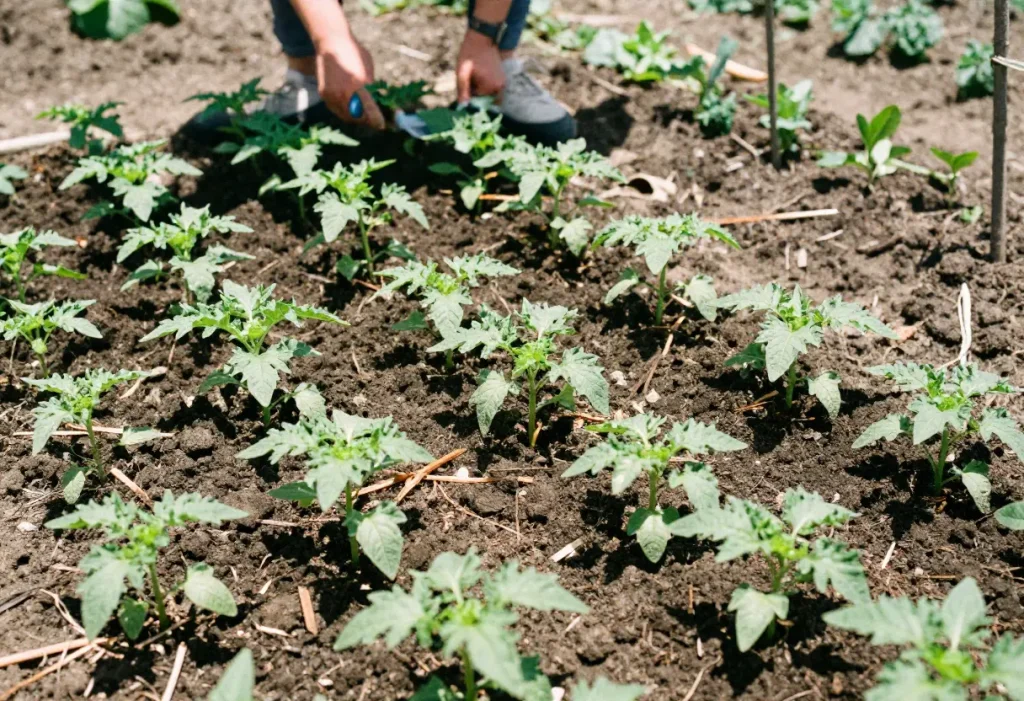
Direct sowing tomatoes means planting seeds straight into the garden soil. This method skips starting seeds indoors. It suits gardeners with a long, warm growing season. It also works well for hardy tomato varieties. Direct sowing saves time and gives plants room to grow strong roots.
Success depends on timing, soil, and care. Follow key steps for healthy tomato plants from the start.
Sow tomato seeds outdoors after the last frost date. Soil temperature should reach 60°F (16°C) or higher. Cold soil slows seed growth or stops it. Check your local frost calendar for exact dates. Planting too early risks seed rotting or weak plants.
Warm weather and steady temperatures help seeds sprout fast. Late spring or early summer is ideal in most regions. Avoid planting during heavy rain or very windy days.
Choose a sunny spot with well-draining soil. Tomatoes need loose, fertile soil for roots to spread. Mix compost or aged manure into the soil before planting. This adds nutrients and improves texture.
Remove stones, weeds, and debris from the planting area. Loosen the soil to about 8 inches deep. Create small rows or mounds for better drainage. Well-prepared soil boosts seed germination and plant health.
Plant seeds about ¼ inch deep in moist soil. Cover lightly and press soil gently. Keep soil moist but not soggy during germination. Use a spray bottle to water gently and avoid washing seeds away.
Seeds usually sprout within 7 to 14 days. Protect seedlings from birds and pests by covering with netting if needed. Thin seedlings by removing weaker ones once true leaves appear. Healthy spacing helps plants grow strong and reduces disease risk.
Climate plays a big role in deciding when to plant tomatoes. These plants need the right temperature and weather to grow well. Understanding your local climate helps you pick the best planting time. This way, your tomato plants stay healthy and give a good harvest.
Tomatoes do best in warm weather. In cooler climates, wait until the danger of frost is gone. Soil should be warm, at least 60°F (15°C). Start seeds indoors about 6-8 weeks before the last frost date. Transplant seedlings outside after the weather warms up. Use mulch to keep soil warm and moist.
Tomatoes need water, especially in hot weather. In dry areas, water plants deeply and regularly. Mulch around plants to keep soil moist and cool. Provide shade during the hottest part of the day. Choose heat-tolerant tomato varieties. This helps plants survive strong sun and dry spells.
Season extenders help grow tomatoes longer. Use row covers or cloches to protect plants from cold. Cold frames and greenhouses give extra warmth. These tools let you plant earlier and harvest later. They also protect plants from wind and pests. Season extenders improve chances of a good tomato crop.
Planting tomatoes might seem easy, but many gardeners make common mistakes. These errors can stop plants from growing well or producing fruit. Avoiding these mistakes helps tomatoes thrive and gives a better harvest.
Tomatoes need warm soil and air to grow well. Planting too early can cause the plants to freeze. Cold weather stops growth and may kill seedlings. Planting too late shortens the growing season. This reduces the time for tomatoes to ripen. Check the last frost date for your area. Plant after this date to give plants the best chance.
Tomatoes need rich, well-drained soil to grow strong. Planting in poor soil can cause weak plants. Soil that is too wet or dry harms roots. Test your soil before planting. Add compost or fertilizer to improve soil health. Good soil helps plants get nutrients and water easily.
Planting tomatoes too close limits air flow. This causes leaves to stay wet, which brings disease. Overcrowded plants fight for water and nutrients. Give each tomato plant enough space to grow. Follow spacing guidelines on seed packets or plant tags. Healthy spacing leads to bigger, healthier tomatoes.
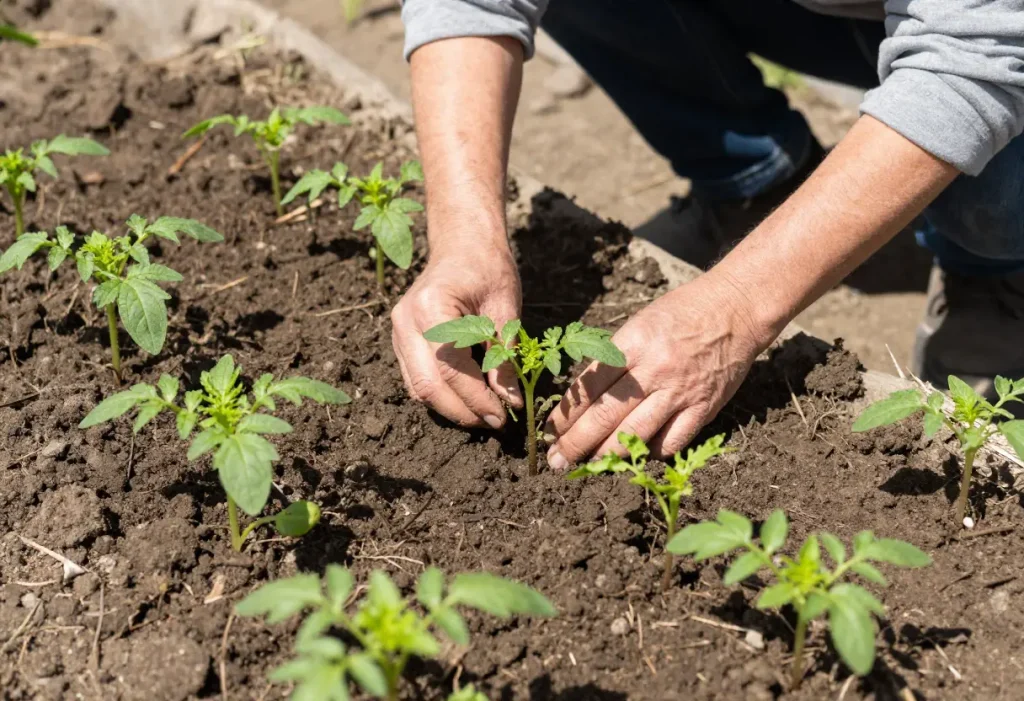
Maximizing tomato yield starts with good care and attention. Healthy plants grow more fruit and taste better. Small steps in watering, fertilizing, pruning, and pest control help plants thrive. Each action supports strong growth and bountiful harvests. Follow these tips to get the most from your tomato plants.
Tomatoes need regular watering to keep soil moist but not soggy. Water deeply once or twice a week. Avoid wetting leaves to prevent disease. Use a balanced fertilizer every two weeks. Feed plants with nutrients rich in nitrogen, phosphorus, and potassium. This promotes strong roots and lots of fruit. Mulch around plants to keep moisture steady.
Prune tomato plants to remove suckers and dead leaves. This helps air flow and directs energy to fruit. Use stakes or cages to support plants. Support keeps tomatoes off the ground and reduces rot. Tying plants gently prevents breakage from wind or heavy fruit. Regular pruning and support make harvesting easier and safer.
Watch plants daily for signs of pests or diseases. Common pests include aphids, whiteflies, and hornworms. Remove pests by hand or use safe insect sprays. Keep garden clean to reduce disease risks. Remove affected leaves immediately. Crop rotation helps prevent soil-borne diseases. Healthy plants resist pests and produce better fruit.
Tomato seeds should be planted indoors 6-8 weeks before the last frost date.
Transplant tomatoes after the danger of frost has passed and the soil is warm.
Tomatoes need warm soil, so early spring planting is only for mild climates.
Tomatoes grow best when daytime temperatures are between 70°F and 85°F (21°C–29°C).
Tomatoes usually show growth 5-10 days after planting seedlings outdoors.
Plant tomatoes after the last frost date in your area. Warm soil helps seeds grow strong and healthy. Start seeds indoors to get a head start. Transplant seedlings when they are sturdy and outside temperatures stay warm. Watch the weather to avoid cold snaps that can harm plants.
Regular watering and sunlight are key to good fruit. With the right timing, your tomatoes will thrive and taste great. Growing tomatoes is rewarding and fun for any gardener. Give your plants time and care. Enjoy fresh tomatoes from your own garden soon.