Gardening Made Simple.
Are you ready to grow juicy, flavorful tomatoes right in your garden? A proper soil test for tomatoes is the secret to a bountiful harvest, ensuring your plants get the nutrients they need for healthy growth and maximum yield.
Testing your soil is the first step to understanding exactly what your tomatoes need to thrive. Imagine giving your plants the perfect balance of nutrients, avoiding costly mistakes, and boosting your yield like a pro gardener. You’ll discover how a simple soil test can transform your tomato-growing experience and help you enjoy healthy, vibrant plants all season long.
Keep reading to unlock the key to your best tomato crop yet!
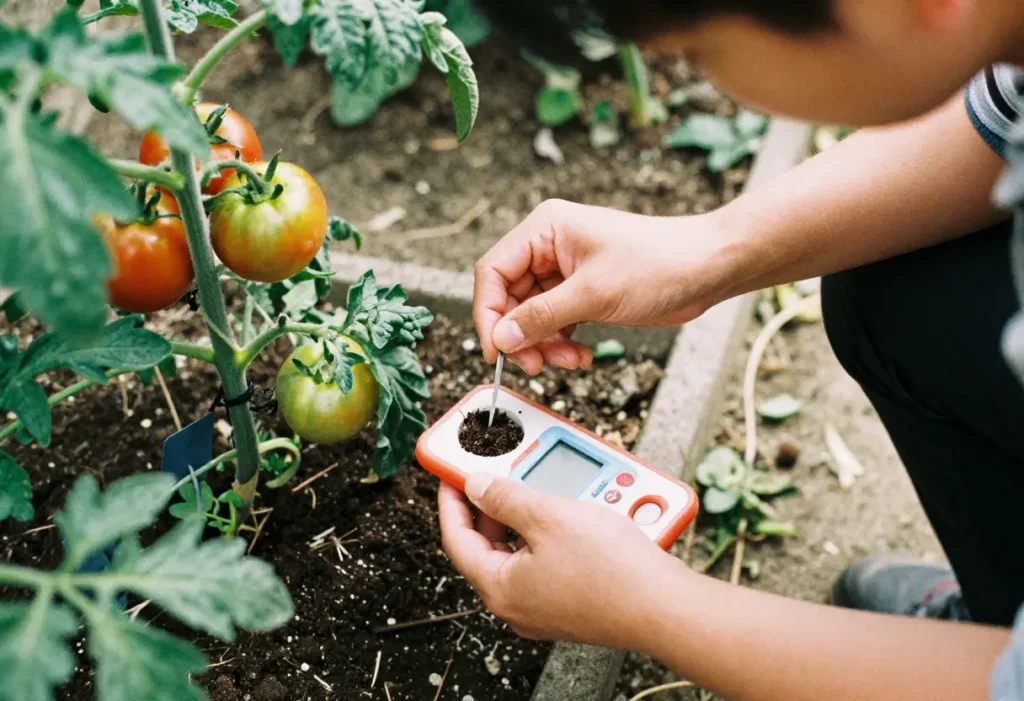
Soil testing is a crucial step before planting tomatoes. It helps understand the soil's health and what it needs. Knowing the soil condition can lead to better tomato growth and yield. Testing the soil saves time and money by preventing problems early.
Testing gives clear information about nutrients and soil quality. It guides in choosing the right fertilizers and amendments. Healthy soil supports strong tomato plants and tasty fruits.
Soil testing shows the soil's pH and nutrient levels. Tomatoes need balanced soil to grow well. If soil is too acidic or alkaline, plants struggle. Proper soil conditions help roots absorb nutrients easily. Good soil boosts plant growth and fruit production.
Testing finds missing nutrients in the soil. Tomatoes need nitrogen, phosphorus, and potassium to thrive. Deficiency in any nutrient can stunt growth and reduce yield. Soil tests guide the right fertilizer mix for healthy plants. This prevents wasting resources on unnecessary products.
Soil tests detect harmful pathogens and pests in soil. Some diseases live in soil and attack tomato roots. Knowing these risks helps to treat or avoid infected areas. Healthy soil reduces the chance of plant diseases. This leads to stronger and longer-lasting tomato plants.
Testing soil for tomatoes helps you understand its health. It shows what nutrients are missing. Knowing the right time to test improves tomato growth. Testing at the right time gives better results. This guide explains when to test your soil for tomatoes.
Test soil in early spring before planting. This helps plan fertilizer and soil changes. Fall is also a good time to test. It prepares soil for the next growing season. Avoid testing during very wet or frozen soil. Dry soil gives the most accurate results.
Test soil every one to three years. Frequent tests help track soil changes over time. Test more often if you add new amendments. Heavy tomato planting may need yearly tests. Regular testing keeps soil nutrients balanced and healthy.
Collecting soil samples is the first step to growing healthy tomatoes. Testing your soil helps you know what nutrients it needs. This guide explains how to take soil samples correctly.
Proper sampling gives accurate results. Follow these steps to get good soil samples for testing.
Gather a clean trowel or soil probe. Use a clean bucket or container to mix samples. Carry clean plastic bags or sample boxes for storing soil. Use a permanent marker to label samples.
Remove surface debris like leaves or mulch. Dig 6 to 8 inches deep for tomato roots. Take soil from the root zone. Collect small soil slices from different spots. Mix all soil slices well in the bucket. Fill the sample container with the mixed soil. Avoid touching soil with bare hands to keep it clean.
Take 10 to 15 soil samples from the tomato garden. Sample different areas with different soil types. Avoid sampling too close to compost piles or fertilizer spots. Mixing many samples gives a good average soil test. Label each sample with the date and location.
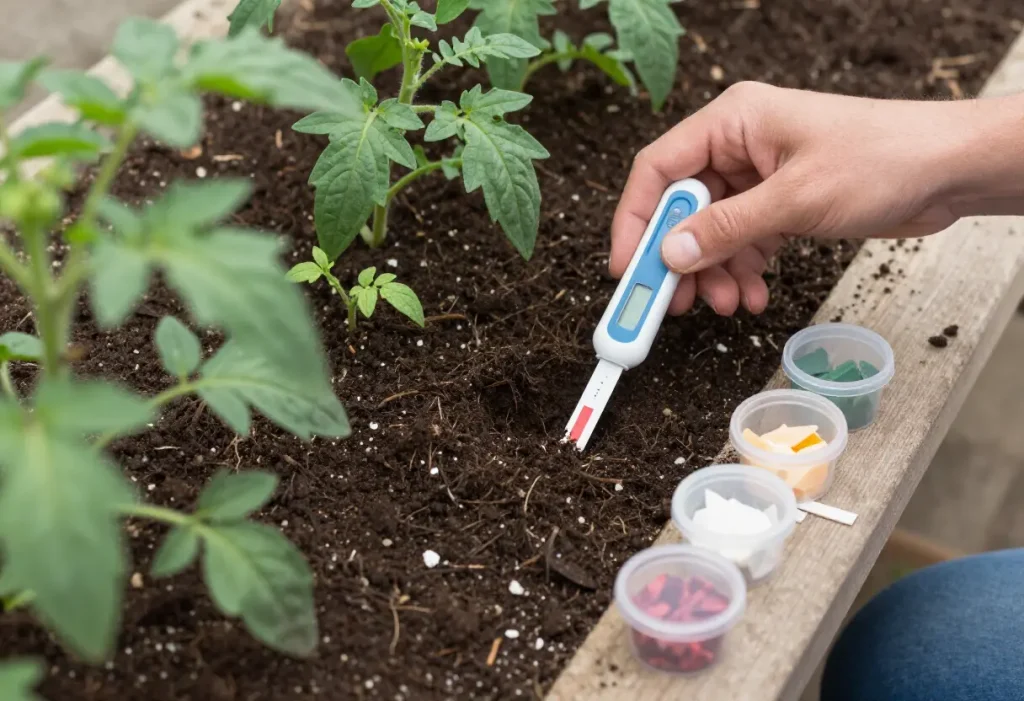
Tomatoes need the right soil nutrients to grow healthy and produce tasty fruit. Testing soil helps know what nutrients are present. It also shows what the soil lacks. This information guides adding the right fertilizers and amendments. Healthy soil leads to strong tomato plants.
Key nutrients include nitrogen, phosphorus, and potassium. Each plays a vital role in tomato growth. Micronutrients and soil pH also affect plant health. Understanding these factors helps improve your tomato harvest.
Nitrogen helps leaves grow green and lush. Without enough nitrogen, plants look yellow and weak. Phosphorus supports root growth and flower development. It helps tomatoes produce more fruit. Potassium improves overall plant health. It helps plants resist disease and stress. Balanced levels of these three nutrients are critical.
Micronutrients like iron, zinc, and magnesium are needed in small amounts. They help with photosynthesis and enzyme functions. Deficiency can cause poor growth and yellow leaves. Soil tests reveal if these are missing. Adding micronutrients keeps plants healthy and productive.
Soil pH affects nutrient availability. Tomatoes grow best in soil with pH 6.0 to 6.8. Too acidic or too alkaline soil stops plants from absorbing nutrients. Soil tests show pH levels. Adjusting pH improves nutrient uptake and plant growth.
Interpreting soil test results is key to growing healthy tomato plants. These results show what your soil needs. Proper understanding helps you add the right nutrients. It also prevents over-fertilizing, which can harm plants.
Nutrient reports list essential elements in your soil. Nitrogen, phosphorus, and potassium are the main ones. Each plays a role in tomato growth. Nitrogen helps leaves grow green and strong. Phosphorus supports root and flower development. Potassium improves fruit quality and disease resistance.
The report shows if these nutrients are low, adequate, or high. Low levels mean you must add fertilizers. High levels suggest cutting back on supplements. The report may also list calcium and magnesium, important for tomatoes.
Soil pH affects nutrient availability. Tomatoes prefer a pH between 6.0 and 6.8. If pH is too low, soil is acidic. Nutrients become hard for plants to absorb. If pH is too high, soil is alkaline. This also blocks nutrient uptake.
Texture data describes soil type—clay, sand, or loam. Loam is best for tomatoes. It holds water and nutrients well. Clay can hold too much water, causing root problems. Sandy soil drains too fast and loses nutrients.
Amending soil is key to growing healthy tomato plants. Good soil helps roots get nutrients and water easily. It creates a strong base for plants to grow big and produce many tomatoes.
Soil tests show what your soil lacks. Use this info to improve soil for better tomato growth. Adjusting soil with the right materials makes a big difference in plant health.
Select fertilizers based on soil test results. Tomatoes need nitrogen, phosphorus, and potassium in balanced amounts. Nitrogen supports leaf growth, phosphorus helps roots and flowers, potassium boosts fruit quality.
Slow-release fertilizers provide nutrients over time. Avoid too much nitrogen; it causes leafy plants with few fruits. Use fertilizers that match tomato needs for best results.
Tomatoes grow best in soil with pH between 6.0 and 6.8. Soil test shows if pH is too low or high. Add lime to raise pH if soil is acidic. Use sulfur to lower pH in alkaline soils.
Correct pH helps plants absorb nutrients well. Check pH regularly to keep soil in the right range for tomatoes.
Organic amendments improve soil structure and add nutrients slowly. Examples include compost, manure, and peat moss. They also help soil retain moisture and support beneficial microbes.
Synthetic amendments give nutrients quickly and in precise amounts. They are easy to apply but do not improve soil texture. Choose organic for long-term soil health and synthetic for fast nutrient supply.
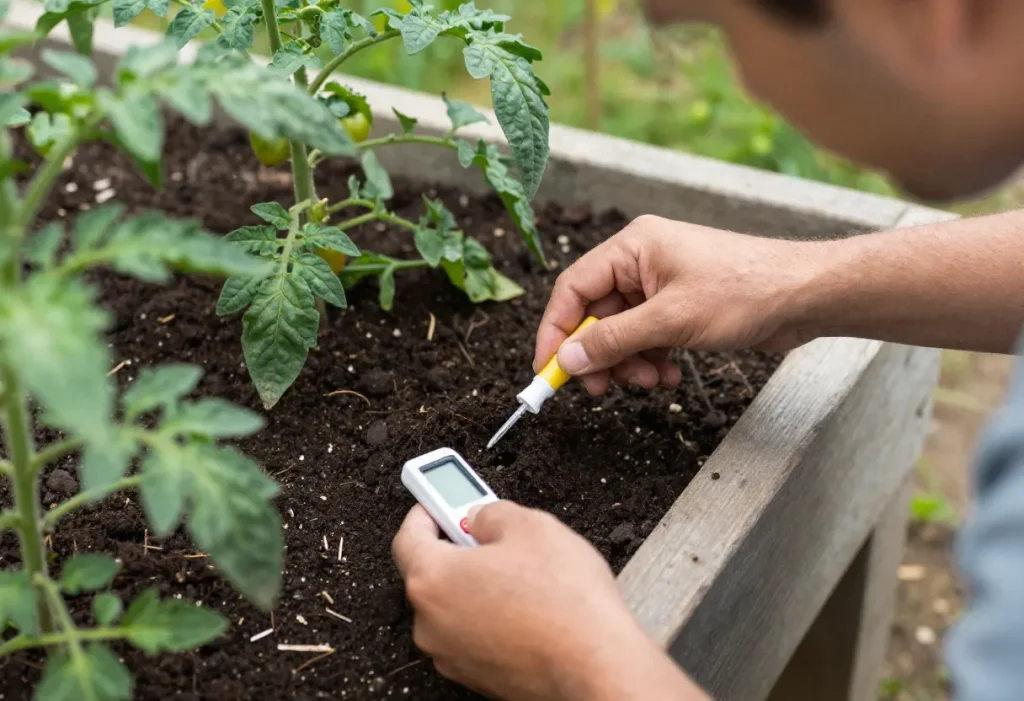
Healthy soil is the foundation for growing strong tomato plants. Keeping the soil rich and balanced helps tomatoes get the nutrients they need. Simple steps can keep the soil in good shape year after year.
Focus on natural methods that improve soil health. These methods support plant growth and prevent soil problems. Here are some easy tips to maintain healthy soil for tomatoes.
Crop rotation means changing the type of plants in one spot each season. This prevents soil from losing the same nutrients. Rotating crops stops pests and diseases from building up.
Tomatoes belong to the nightshade family. Avoid planting tomatoes in the same soil more than once every three years. Plant beans or leafy greens instead. This keeps soil balanced and healthy.
Mulching helps keep the soil moist and cool. It also stops weeds from growing. Use straw, grass clippings, or shredded leaves as mulch.
Compost adds natural nutrients back into the soil. It improves soil texture and water retention. Spread compost around tomato plants before planting. This gives roots a good start.
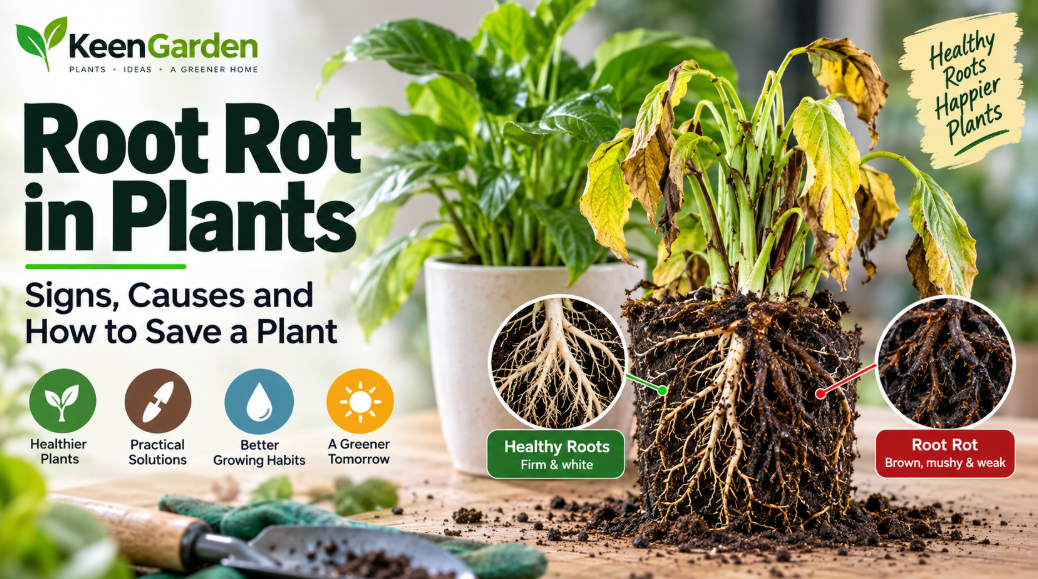
Tomatoes need regular watering but not too much. Water deeply to reach roots but avoid waterlogging. Too much water can cause root rot.
Water early in the day to reduce evaporation. Use drip irrigation or soaker hoses for best results. Good water management keeps soil healthy and plants strong.
Soil problems can stop tomato plants from growing well. Testing soil helps find these problems early. Fixing soil issues leads to healthier plants and better tomatoes.
Compacted soil blocks air and water. Roots cannot grow deep or strong. Use a garden fork or tiller to loosen soil. Add organic matter like compost to improve texture. Avoid walking on garden beds to keep soil loose.
High salt levels harm tomato roots. Salt can come from water or fertilizers. Flush soil with fresh water to wash out salt. Choose salt-tolerant tomato varieties in salty areas. Use balanced fertilizers carefully to prevent salt build-up.
Soil can hold pests and diseases that hurt tomatoes. Rotate crops each year to reduce risk. Remove plant debris after harvest to stop disease spread. Use organic treatments to control soil pests safely. Healthy soil supports strong plants that fight pests better.
Technology has changed how gardeners test soil for tomatoes. It makes soil testing faster and easier. Technology helps check soil health and nutrient levels more accurately. This information is key to growing healthy tomatoes.
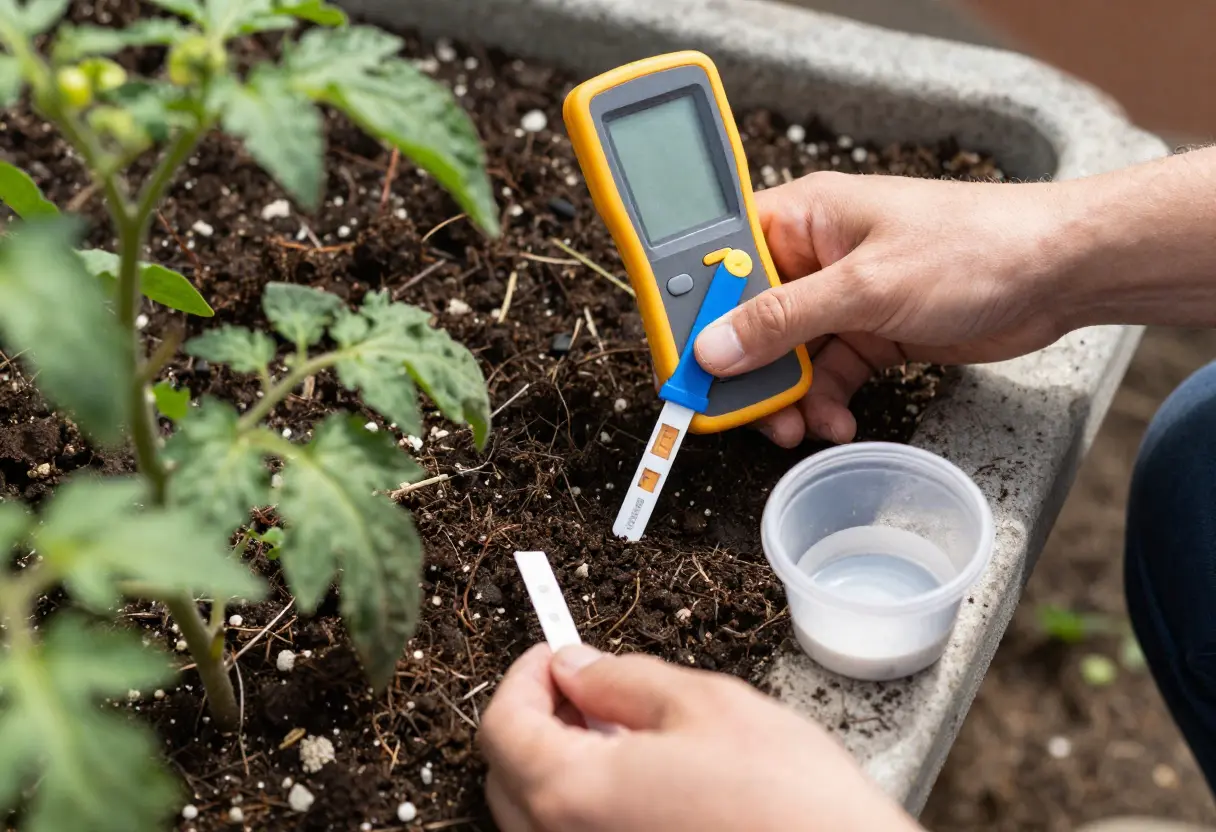
Soil testing kits are simple tools anyone can use at home. These kits include color-coded strips or tablets. You mix soil with water and dip the strip in it. The strip changes color to show soil pH or nutrient levels. Results appear in minutes without needing a lab.
These kits help identify if soil is too acidic or lacks nutrients. Tomatoes need specific soil conditions to grow well. Soil testing kits give quick answers to improve soil before planting.
Digital soil tools use sensors to measure soil properties. Some devices connect to smartphones for easy reading. These tools can measure moisture, pH, and nutrient content. They provide precise data for better soil care.
Digital tools help monitor soil regularly during the growing season. This keeps tomato plants healthy and productive. Data from these tools guide fertilizing and watering decisions.
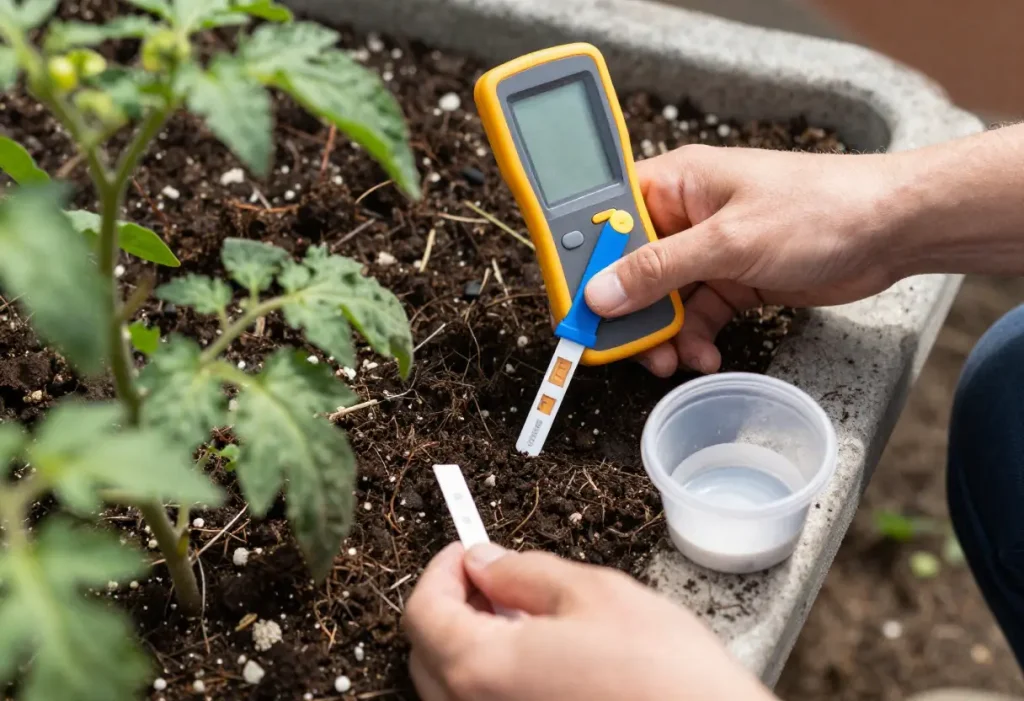
A soil test checks nutrients and pH levels to help tomatoes grow healthy.
Soil testing shows nutrient needs and prevents problems like poor growth or disease.
Test soil before planting and every 1-2 years for best tomato results.
Tomatoes need nitrogen, phosphorus, potassium, and calcium for strong growth.
Yes, it guides proper fertilizing and soil care, boosting tomato harvests.
Testing soil helps grow healthy, tasty tomatoes. It shows what nutrients your soil needs most. Knowing soil pH and nutrient levels guides your care. Good soil means strong plants and better fruit. Regular tests save money and prevent problems later.
Healthy soil creates a better garden environment overall. Start testing early to give your tomatoes a great start. Simple steps can lead to a big harvest. Soil tests are a smart way to garden well. Give your tomatoes the best chance to thrive.