Gardening Made Simple.

If you want to grow tomato plants that produce big, juicy fruits with amazing flavor, Mortgage Lifter tomato plants might be your perfect choice. Imagine biting into a tomato so rich, sweet, and meaty that it instantly makes every meal better.
You don’t need to be a gardening expert to grow these plants—they’re surprisingly easy to care for and can turn your garden into a delicious success. Keep reading, and you’ll discover how to grow Mortgage Lifter tomato plants that thrive, so you can enjoy fresh, homegrown tomatoes all season long.

Choosing the right seeds is the first step to growing healthy Mortgage Lifter tomato plants. Good seeds grow strong plants that produce big, tasty tomatoes. Not all seeds are the same. Some come from trusted sources and have better chances of success. Learn how to find quality seeds and why heirloom seeds are a great choice.
Buy seeds from reliable sellers or seed catalogs. These sellers often test their seeds for quality. Fresh seeds have a higher chance to sprout. Avoid old or damaged seed packets. Check seed packets for the harvest year and seed type. Good seeds look healthy and dry. Seed quality affects how well plants grow and produce fruit.
Mortgage Lifter tomatoes are heirloom seeds. Heirloom seeds come from plants saved for many years. They keep their unique flavor and shape. These seeds are open-pollinated, which means you can save seeds from your harvest. Heirloom tomatoes often have better taste than hybrid types. Growing heirloom seeds helps preserve plant history and diversity.
Preparing the soil is the first step to growing healthy Mortgage Lifter tomato plants. Good soil helps roots grow strong and plants produce many fruits. Taking time to prepare the soil saves problems later.
Clear the area of weeds and old plants. Loosen the soil to let air and water reach the roots easily. This creates a good home for your tomato plants.
Mortgage Lifter tomatoes grow best in loose, well-drained soil. Sandy loam or loamy soil is ideal. Avoid heavy clay soils that hold too much water.
Check the soil pH. Tomatoes like a pH between 6.0 and 6.8. Use a simple pH test kit from a garden store. Adjust soil acidity by adding lime to raise pH or sulfur to lower it.
Tomatoes need nutrients to grow big and healthy. Add compost or well-rotted manure to the soil before planting. This adds organic matter and nutrients.
Use a balanced fertilizer with nitrogen, phosphorus, and potassium. Nitrogen helps leaves grow, phosphorus supports roots and flowers, potassium boosts fruit quality. Follow package instructions for amounts.
Planting Mortgage Lifter tomato plants correctly helps them grow strong and healthy. These tomatoes need space, sunlight, and good soil. Following simple planting tips leads to a better harvest and fewer problems.
Understanding the right timing and spacing is key. Starting seeds indoors can give your plants a good head start. Both steps prepare your garden for success.
Plant Mortgage Lifter tomatoes after the last frost date in your area. Soil should be warm, above 60°F (15°C). Space plants at least 24 to 36 inches apart. This gives roots room to grow and air to flow.
Proper spacing reduces disease and helps fruits get enough sunlight. Plant in a sunny spot with at least 6 hours of direct light daily. Water regularly but avoid wetting leaves.
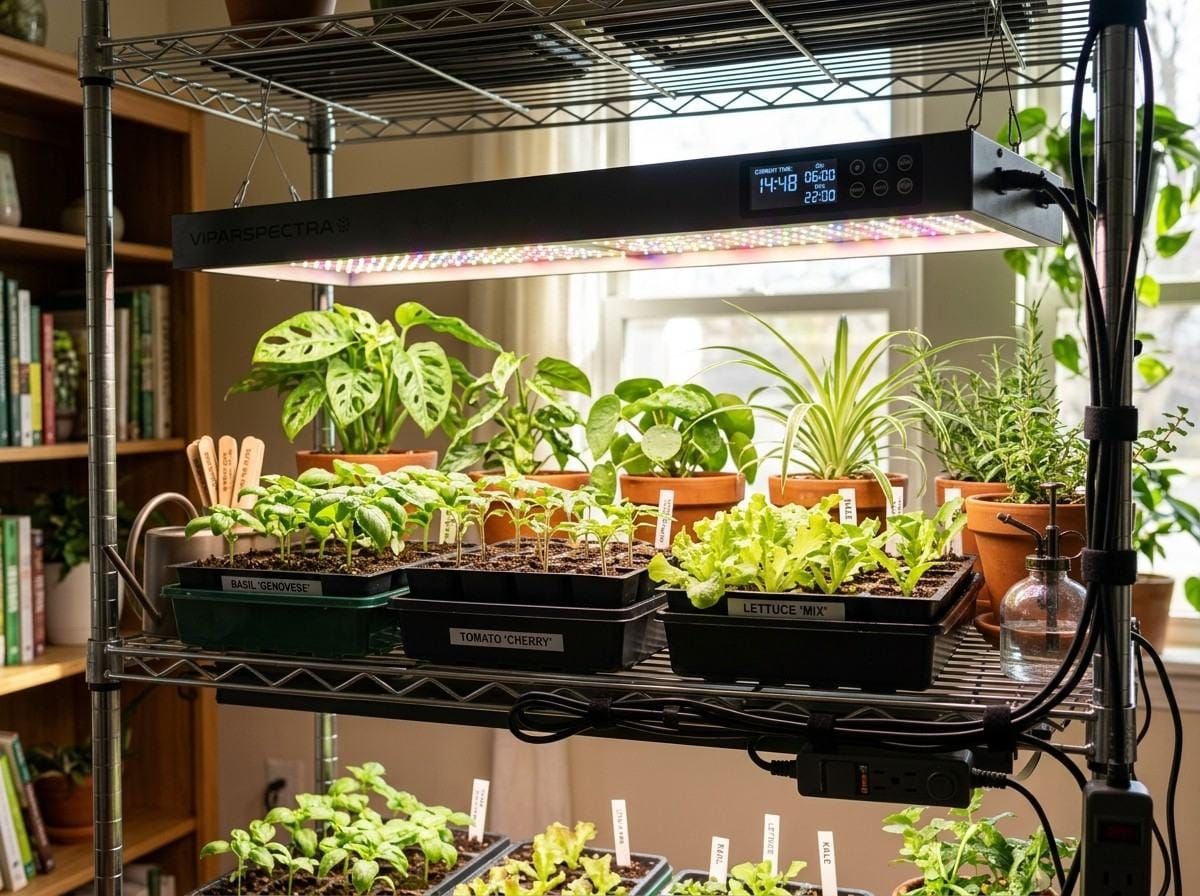
Start seeds indoors 6 to 8 weeks before the last frost. Use seed trays or small pots with seed-starting mix. Keep soil moist but not soaked. Place trays in a warm spot with light.
Once seedlings grow 2 to 3 inches tall, give them more light. A sunny window or grow light works well. Harden off seedlings by slowly exposing them to outdoor conditions for a week. This helps them adjust before planting outside.

Watering and feeding are key to growing healthy Mortgage Lifter tomato plants. These plants need steady moisture and good nutrients to produce large, flavorful fruits. Proper care helps the plants stay strong and resist diseases. Understanding how to water and feed them right will improve your harvest.
Water Mortgage Lifter tomatoes deeply and evenly. Shallow watering causes weak roots and poor fruit. Water at the base of the plant, avoiding leaves. Wet leaves can lead to fungal problems. Early morning watering helps reduce water loss. Check soil moisture regularly. Keep soil moist but not soggy. Use mulch to keep moisture steady and reduce weeds.
Choose fertilizers balanced in nitrogen, phosphorus, and potassium. Too much nitrogen causes lots of leaves but fewer fruits. Use a fertilizer with more phosphorus and potassium for better fruit growth. Organic options like compost and fish emulsion work well. Feed plants every 3 to 4 weeks during the growing season. Follow label instructions to avoid overfeeding. Healthy soil means healthy tomatoes.
Mortgage Lifter tomato plants grow big and heavy with fruit. They need support to keep strong and healthy. Proper support helps the plant stand tall and avoid damage. It also improves air flow and sunlight reach. This leads to better fruit quality and less disease.
Supporting growth means using tools and techniques that guide the plant. Two main methods work well: staking and caging. Another helpful practice is pruning. Both care for the plant and help it produce more tomatoes.
Staking uses a strong stick or pole to hold the plant upright. Tie the main stem gently to the stake with soft ties. This stops the plant from bending or breaking. Stakes should be tall enough for full plant height.
Caging involves placing a wire cage around the plant. The cage supports branches and fruit as they grow. It keeps the plant neat and easy to manage. Cages reduce damage from wind and rain too.
Pruning removes extra leaves and small branches. It helps the plant focus energy on bigger fruits. Cut off suckers that grow between main stem and branches. This keeps the plant tidy and strong.
Remove yellow or dead leaves quickly. This prevents disease and improves air flow. Pruning also helps sunlight reach all parts of the plant. Healthier plants give better harvests and taste.

Protecting your Mortgage Lifter tomato plants from pests and diseases is vital. Healthy plants produce more fruit and grow strong. Keeping pests and diseases under control helps your garden thrive. Recognizing common threats early makes treatment easier.
Aphids often attack tomato plants. They suck sap and weaken leaves. Tomato hornworms are large caterpillars that eat leaves fast. Whiteflies are tiny insects found under leaves. Spider mites cause speckled leaves and webbing. Each pest damages plants differently but all reduce growth.
Use neem oil spray to repel many pests. Introduce ladybugs; they eat aphids and whiteflies. Handpick hornworms to remove them safely. Sprinkle diatomaceous earth around plants to stop crawling insects. Keep plants spaced well for good air flow. Water early in the day to avoid moisture build-up. Clean garden tools to prevent disease spread.
Harvesting giant Mortgage Lifter tomato plants is an exciting moment for any gardener. These plants produce large, juicy tomatoes that need careful picking. Harvesting at the right time helps keep the fruit fresh and tasty. Proper handling prevents damage and extends the tomato’s shelf life. Knowing when and how to pick these tomatoes ensures the best flavor and quality.
Look for deep, even color on the tomato’s skin. The fruit should feel firm but slightly soft to touch. A ripe Mortgage Lifter tomato often has a sweet, earthy smell. Check the shoulders of the tomato; they should be full and round. Avoid picking tomatoes with green patches or hard spots. The skin should not be shiny but have a matte finish. These signs show the tomato is ready to eat or store.
Use clean, sharp scissors or pruning shears to cut the tomato from the vine. Cut the stem about half an inch above the fruit to avoid bruising. Hold the tomato gently to prevent squishing the soft flesh. Avoid pulling or twisting the fruit off, as this can damage the plant. Harvest tomatoes in the cool morning hours for best freshness. Place picked tomatoes in a shallow basket to prevent crushing. Handle each fruit with care to keep its shape and flavor intact.
Growing Mortgage Lifter tomato plants brings a bounty of large, flavorful fruits. After harvest, proper storage keeps your tomatoes fresh longer. Using your harvest in tasty dishes highlights their rich flavor. This section offers easy tips for storing and using your tomatoes well.
Store ripe tomatoes at room temperature, away from sunlight. Keep them stem side down to prevent bruises. Use a single layer in a shallow bowl or tray. Avoid putting tomatoes in the fridge. Cold can ruin their taste and texture. If tomatoes become overripe, use them quickly or freeze for sauces. Check your tomatoes daily to remove any spoiled ones. This helps keep the rest fresh longer.
Mortgage Lifter tomatoes taste great in many simple recipes. Slice them fresh for sandwiches or salads. Make a quick salsa by chopping tomatoes with onions and cilantro. Cook them down into a rich tomato sauce for pasta. Roast tomatoes with garlic and olive oil for a sweet side dish. Blend tomatoes into smoothies for a healthy twist. These recipes bring out the juicy, sweet flavor of your harvest.
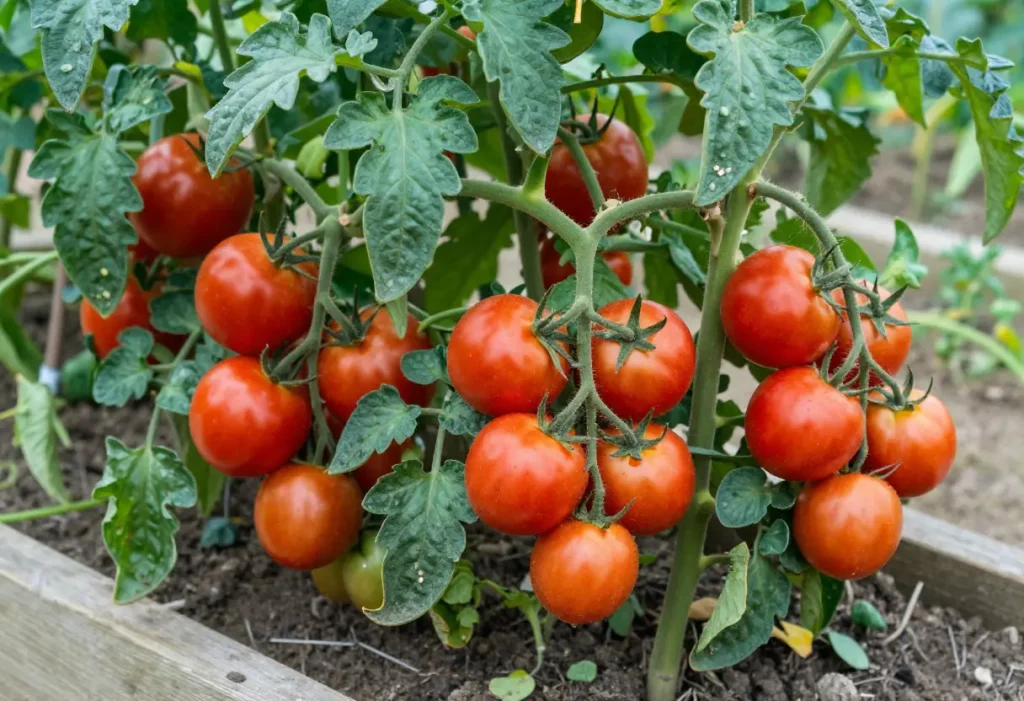
Mortgage Lifter tomato plants produce large, sweet, and meaty red tomatoes. They are popular for home gardens.
These tomatoes have a rich, sweet flavor with low acidity, ideal for fresh eating and cooking.
Plant them after the last frost when soil warms to about 60°F for best growth.
Space plants 24 to 36 inches apart to allow good air flow and healthy growth.
Yes, their firm texture and rich flavor make them excellent for canning and preserving.
Mortgage Lifter tomato plants grow big, tasty fruits with little effort. They suit both beginners and skilled gardeners well. These plants produce many tomatoes, perfect for fresh salads or sauces. Growing them saves money and adds joy to your garden.
Try planting Mortgage Lifters for a rewarding gardening experience. You’ll enjoy fresh, homegrown tomatoes all season long. Simple care brings great results. Why not give these plants a chance? Your garden will thank you.