Gardening Made Simple.
Are you wondering when cabbage is at its freshest and most flavorful? Knowing When is Cabbage in Season can make a big difference in taste, nutrition, and even your grocery budget. Whether you're shopping at a farmers market or growing your own, understanding cabbage’s peak season helps you enjoy sweeter, crisper heads and get the best value throughout the year.
When cabbage is in season, you get crisp leaves, vibrant color, and the best price. Keep reading to find out exactly when you should be buying cabbage to get the most from this versatile vegetable—and how to spot the best heads every time.
Your meals will thank you!
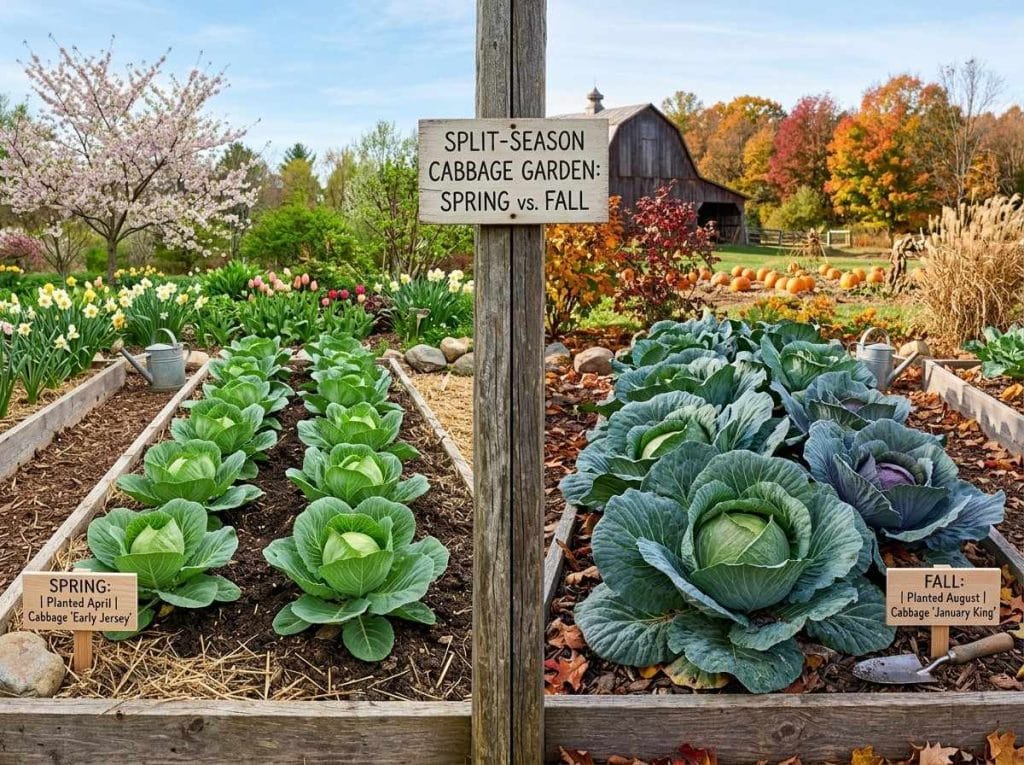
Cabbage grows well in different seasons. It is a cool-weather crop and prefers mild temperatures. Knowing the growing seasons helps gardeners and shoppers find fresh cabbage. This vegetable has varieties that thrive in spring, summer, and fall. Each season offers a chance to enjoy cabbage at its best.
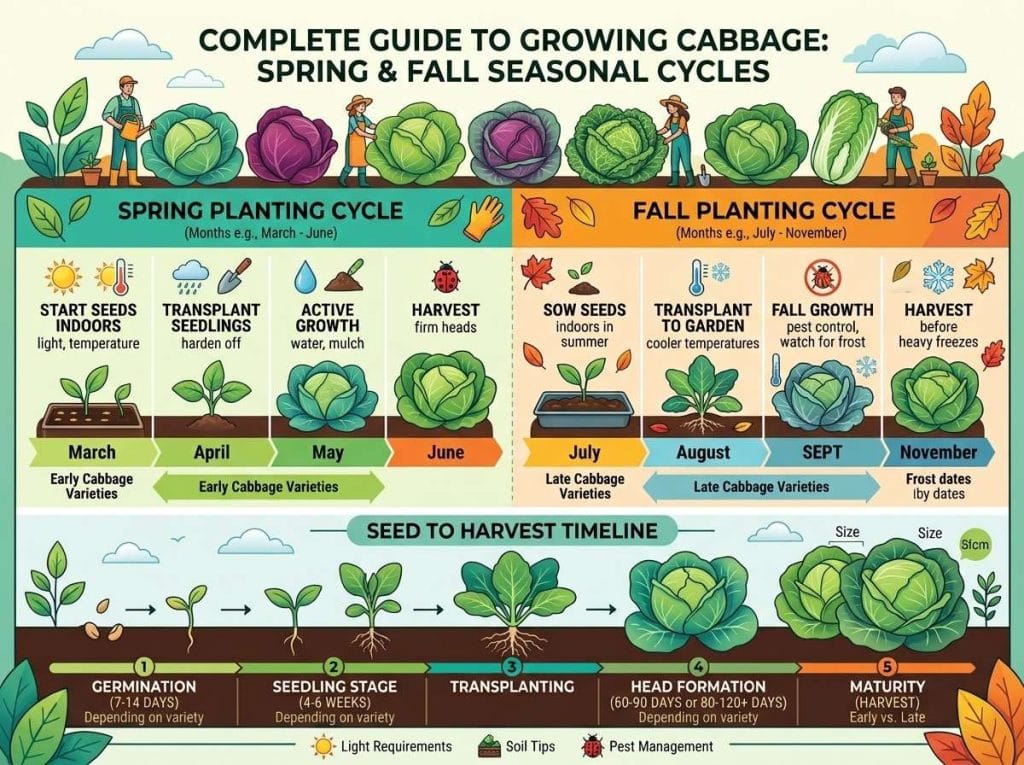
Farmers plan their planting based on the climate and season. Some types mature quickly in spring, while others grow slowly for fall harvests. Understanding these cycles lets you enjoy fresh cabbage throughout the year.
Spring cabbage grows best in early months when the weather is cool. Planting starts in late winter or early spring. Young cabbage heads form quickly as temperatures rise. Harvest usually happens in late spring. This cabbage is tender and mild in flavor.
Summer cabbage needs heat-tolerant types to avoid bolting. These varieties handle warmer days better. They grow slower than spring cabbage but still produce good heads. Summer cabbage often has a firmer texture. Harvesting occurs from mid-summer to early fall.
Fall cabbage grows as temperatures cool again after summer. It can handle light frosts, which improve its sweetness. Planting happens in late summer for a fall harvest. Some hardy varieties continue growing into winter. This cabbage stores well and stays fresh longer.
Cabbage season changes based on several important factors. These factors decide when cabbage grows best and tastes fresh. Knowing these helps gardeners and shoppers find the best cabbage at the right time. Understanding seasonality also helps farmers plan their crops well.
Cabbage grows best in cool weather. It needs temperatures between 45°F and 75°F. Hot weather can make cabbage grow too fast or taste bitter. Frost can damage young cabbage plants but helps mature heads. Rain is needed, but too much water can cause rot. Climate changes can shift cabbage seasons earlier or later.
Different regions have different growing seasons for cabbage. Northern areas have shorter growing seasons due to cold winters. Southern areas may grow cabbage almost year-round. Soil type and sunlight also affect growth. Local farming traditions influence planting times too. Knowing your region helps predict the best cabbage season.
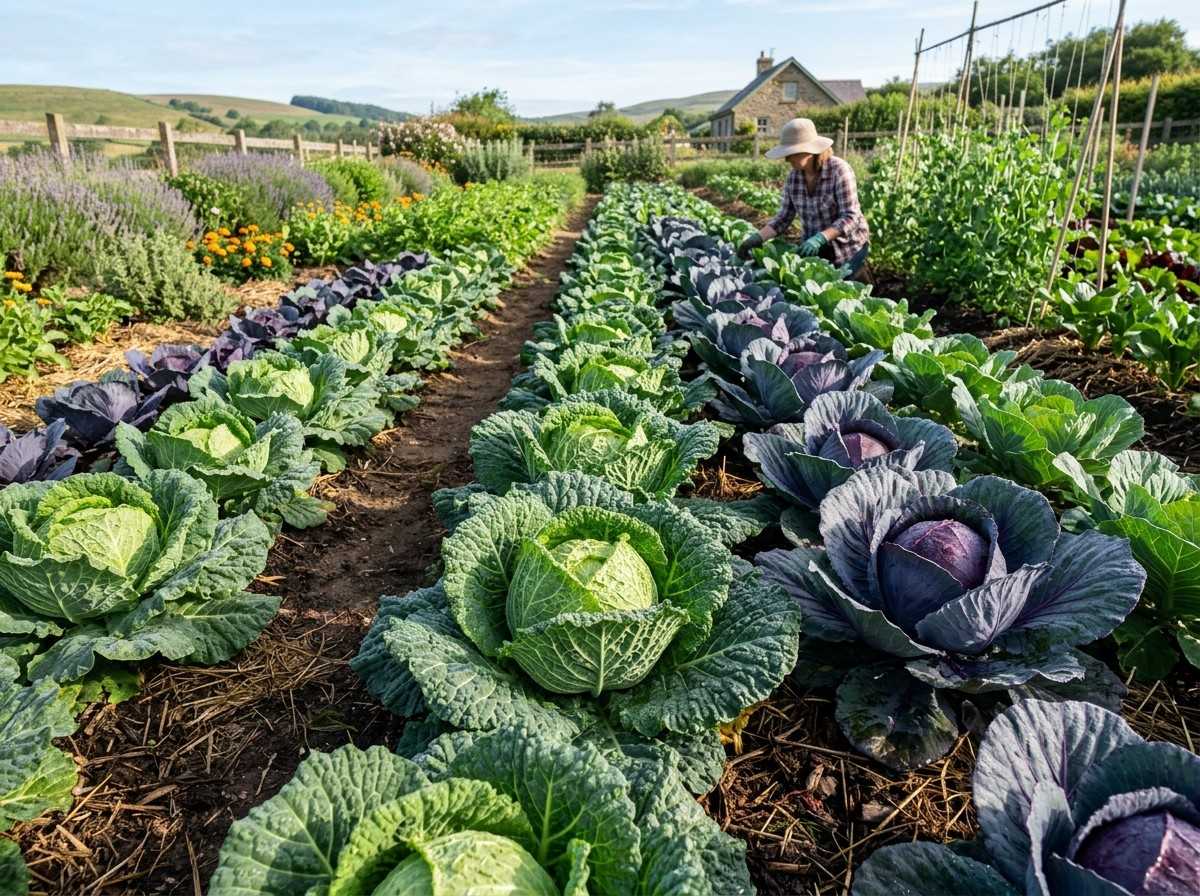
There are many types of cabbage, each with its own season. Green cabbage grows well in spring and fall. Red cabbage prefers cooler weather and a longer growing time. Savoy cabbage can handle colder temperatures better. Some varieties mature quickly, while others take months. Choosing the right variety affects when cabbage is ready to harvest.
Knowing the signs of peak freshness helps you pick the best cabbage. Fresh cabbage tastes better and lasts longer. It is crisp, bright, and full of flavor. Here are key signs to check for fresh cabbage.
Fresh cabbage has vibrant, rich colors. Green cabbages should look bright green without yellow spots. Red cabbages show deep purple or reddish hues. Leaves must be tight and layered well. Avoid cabbages with brown or wilted outer leaves.
Firmness is a top sign of freshness. The head should feel heavy for its size. Press gently; it must be dense and solid. Soft spots or mushy areas mean old cabbage. Leaves should be crisp and not dry or rubbery.
Fresh cabbage has a mild, clean smell. Avoid strong or sour odors; they indicate spoilage. When tasting, it should be slightly sweet and crunchy. A bitter or off taste means it is past its best.
Storing cabbage properly helps keep it fresh and tasty longer. Fresh cabbage lasts weeks when stored right. This saves money and reduces waste. Knowing how to store cabbage extends its shelf life. It keeps the crunch and nutrition intact.
Keep cabbage in a cool, dark place. The ideal temperature is around 32°F to 40°F. Store it in the crisper drawer of your fridge. Wrap cabbage loosely in a plastic bag. This prevents moisture loss but allows air flow. Avoid washing cabbage before storage; moisture speeds rot.
Do not store cabbage near fruits like apples or bananas. These release gases that make cabbage spoil faster. Avoid cutting cabbage before storing. Once cut, it loses freshness quickly. Keep cabbage away from heat and sunlight. Warmth causes leaves to wilt and decay.
Freeze cabbage to keep it longer than weeks. First, remove damaged leaves and wash the cabbage well. Blanch the cabbage in boiling water for 2 minutes. Cool it quickly in ice water to stop cooking. Dry thoroughly, then pack in airtight freezer bags. Use frozen cabbage within 8 to 12 months. Frozen cabbage works well in cooked dishes.
Fresh cabbage tastes best and is healthiest during its season. Finding fresh cabbage is easier than you think. Different places offer fresh cabbage depending on the time of year and your location.
Explore these places to enjoy fresh and crunchy cabbage all year round.
Farmers markets are great for fresh cabbage. Local farmers bring their produce directly to you. This cabbage is often picked recently. It keeps more nutrients and flavor. Visiting local farms can also be fun. Some farms sell cabbage straight from the field. You may even pick your own cabbage. This is a fresh and natural way to get cabbage.
Supermarkets usually have cabbage year-round. They stock different types, like green, red, and Napa cabbage. Look for firm heads with crisp leaves. Choose cabbage without brown spots or soft areas. Some stores get fresh cabbage from local farms. Others import cabbage from other regions. Check the produce section often to find the freshest cabbage.
Seasonal subscription boxes bring fresh cabbage to your door. These boxes include vegetables that are in season. They support local farmers and promote fresh food. You receive fresh cabbage and other veggies regularly. This option is convenient and helps you eat healthy. It also introduces you to new vegetable varieties.
Cooking with seasonal cabbage brings fresh flavors to your meals. Fresh cabbage tastes better and keeps more nutrients. It works well in many dishes, from soups to salads. Using cabbage at its peak season means crisp texture and vibrant color. Seasonal cabbage also tends to cost less and supports local farmers.
Choosing fresh cabbage makes meals healthier and tastier. It pairs well with many other vegetables. You can enjoy it raw, steamed, roasted, or stir-fried. Seasonal cooking with cabbage adds variety to your diet all year round.
Try a simple cabbage slaw with carrots and vinegar. Make a warm cabbage soup with potatoes and herbs. Stir-fry cabbage with garlic and soy sauce for a quick side. Roasted cabbage wedges with olive oil and pepper bring out sweetness. Each recipe highlights cabbage’s natural flavor and crunch.
Combine cabbage with root vegetables like carrots and beets. Pair it with apples for a sweet and sour taste. Use fresh herbs like parsley or dill to add freshness. Seasonal squash and onions also complement cabbage well. These combinations create balanced and healthy meals.
Fresh cabbage is rich in vitamins C and K. It contains fiber that aids digestion and keeps you full. Cabbage has antioxidants that protect your body from damage. Eating seasonal cabbage supports your immune system. Low in calories, it fits well into any healthy diet.
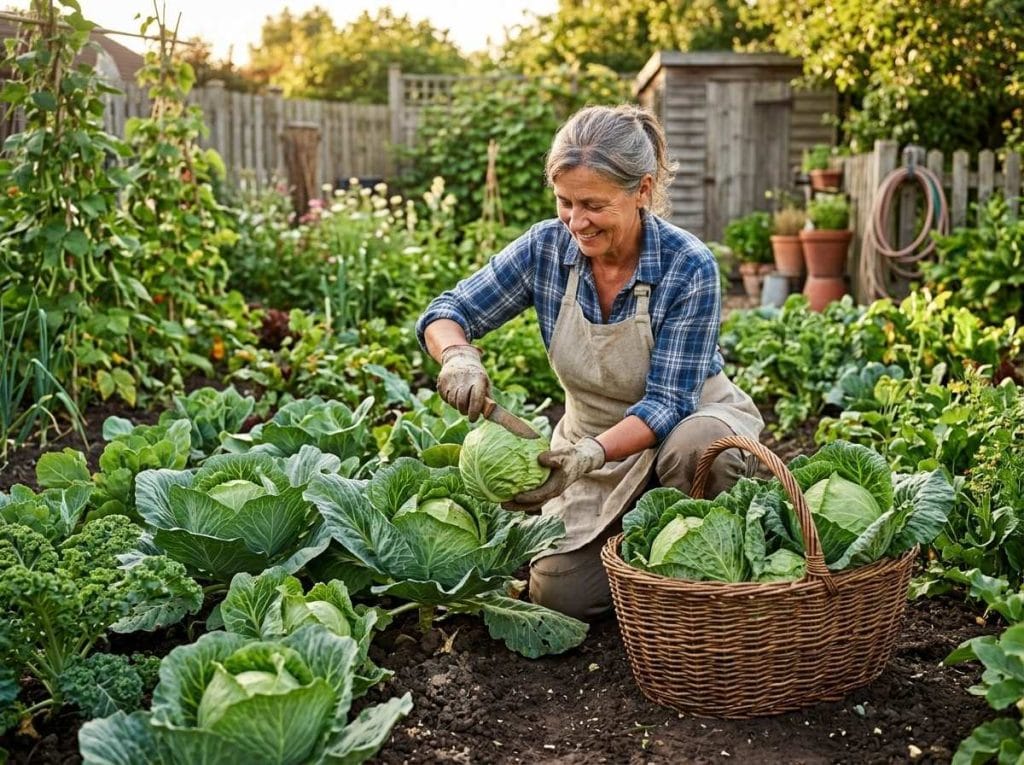
Cabbage is usually harvested in late fall and early winter, around October to December.
Cabbage is best to buy from September through November for freshness and taste.
Season affects cabbage taste; cooler months produce sweeter, crunchier heads.
Cabbage grows best in cool weather but can be grown year-round in mild climates.
Cabbage is cheaper in season due to high supply and lower transportation costs.
Cabbage grows best in cool weather and is usually ready in fall. You can find fresh cabbage from late summer to early winter. Eating cabbage in season means better taste and lower price. Try adding it to soups, salads, or stir-fries for a healthy meal.
Remember, knowing when cabbage is in season helps you choose fresh and tasty vegetables. Enjoy the crunch and flavor of cabbage at its peak!