Gardening Made Simple.
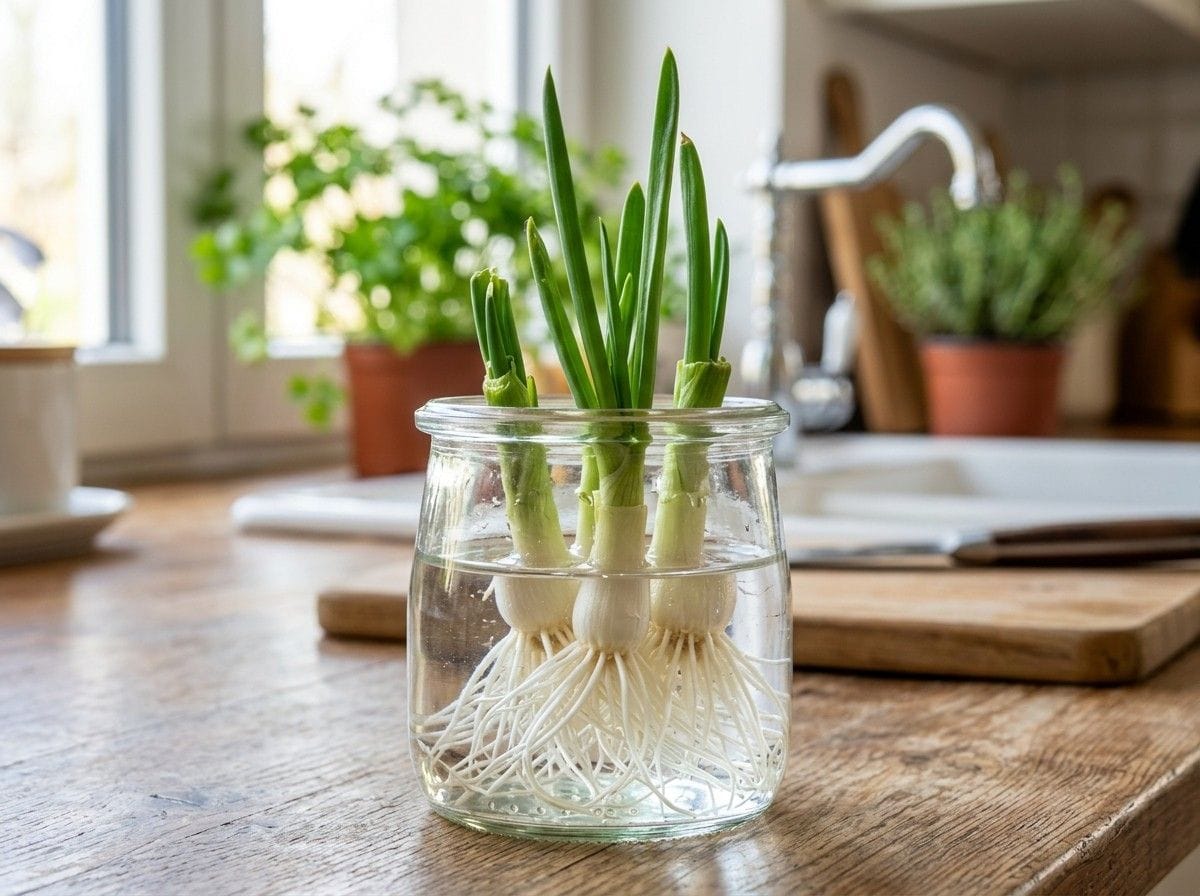
How to Grow Green Onions from Cuttings is one of the easiest ways to enjoy a continuous supply of fresh onions at home. If you're wondering how to grow green onions from cuttings, all you need are healthy onion bases, water or soil, and a sunny spot to encourage quick regrowth. This guide walks you through each step, shares expert care tips, and shows you how to keep harvesting fresh green onions again and again.
Imagine having a steady supply of crisp, vibrant green onions at your fingertips, all without buying new bunches every week. In this guide, you’ll discover simple steps to turn those kitchen scraps into thriving plants. Keep reading, and you’ll be amazed at how little effort it takes to grow your own green onions at home.
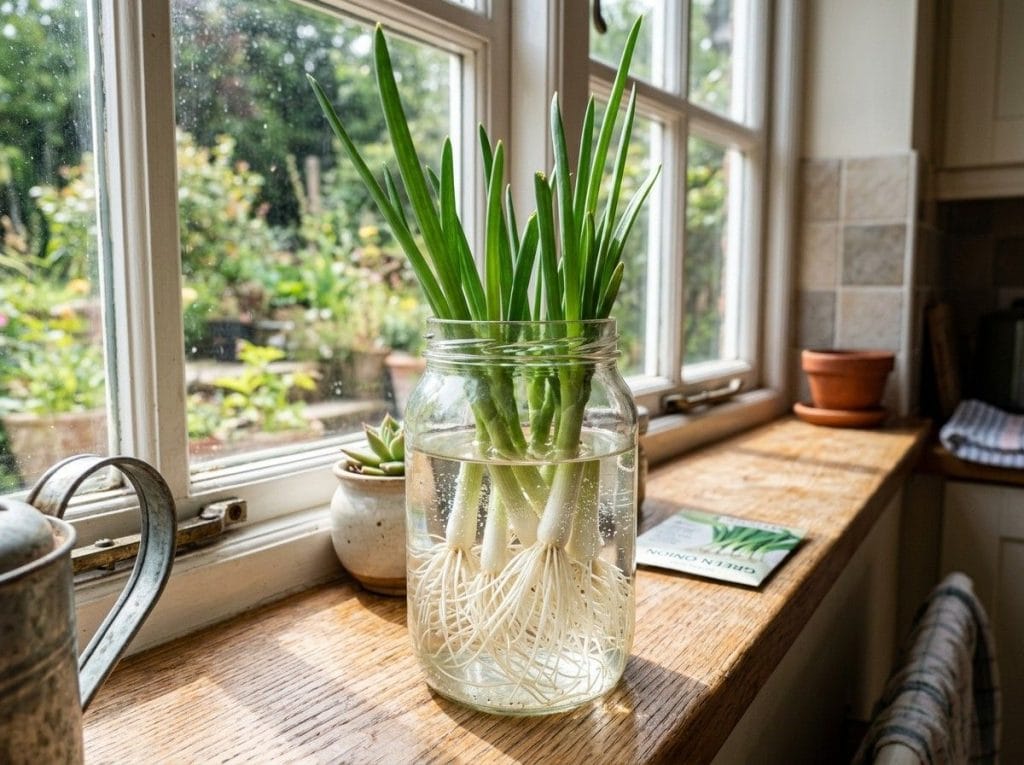
Choosing the right green onions is the first step to growing healthy plants from cuttings. Healthy green onions grow faster and stay strong. Picking fresh and good quality stalks helps your plants develop better roots and leaves.
Focus on green onions that look fresh and have strong roots. This ensures new growth after planting. Avoid old or wilted stalks. They may not grow well.
Pick green onions with bright green tops and firm white stalks. Avoid yellow or brown leaves. These show signs of aging or damage. The stalk should feel firm, not soft or slimy. Fresh stalks have a mild onion smell, not a strong or rotten odor.
Shorter stalks with clean cuts are better. They recover faster and grow roots easily. Choose stalks that are about 6 inches long for best results.
Look for green onions with white, firm roots. Healthy roots are thin but strong. Avoid roots that are brown, soft, or mushy. These roots may be rotting or damaged. Roots should be at least one inch long.
Healthy roots help the cutting absorb water and nutrients. This makes new shoots grow faster. Trim any dead root parts before planting. This encourages new root growth from the cutting.
Preparing cuttings for growing green onions is a simple but important step. Proper preparation helps the cuttings develop roots faster and grow healthy plants. This process includes trimming the green tops and keeping the root base intact. These small actions give your green onions a better chance to thrive.
Cut the green tops of the onion stalks to about 4-5 inches. Removing the taller leaves reduces water loss. It also focuses the plant's energy on root development. Use clean scissors or a sharp knife for a neat cut. This helps prevent damage and infection.
Keep the white root base attached to the cuttings. The root base contains the vital tissue needed for new roots. Avoid cutting too far up the stalk. The base should be about 1-2 inches long. This part will sit in water or soil to start growing roots.
The water propagation method is a simple way to grow green onions from cuttings. It lets you watch roots grow clearly. This method needs only water and a container. It works well indoors with little effort.
Choose a clear glass or jar for the container. Fill it with enough water to cover the roots. Cut the green onion about two inches above the white bulb. Place the bulb side down in the water. Make sure the green tops stay above the water line. Put the container near a window to get sunlight.
Change the water every two days to keep it fresh. Clean water stops bad smells and mold. Use room temperature water for best results. Rinsing the container before refilling helps prevent algae. Keep checking the roots as they grow. Healthy roots look white and firm.
Planting green onion cuttings in soil is a simple and effective way to grow fresh greens at home. Soil gives the cuttings the nutrients and support they need to develop strong roots and healthy shoots. Choosing the right soil and giving each cutting enough space helps them grow well.
Use loose, well-draining soil for green onions. Soil that holds too much water can cause root rot. A mix of garden soil and compost works well. Compost adds nutrients and helps soil stay moist but not soggy. Avoid heavy clay soils that trap water and slow growth. Light, sandy soil encourages healthy root growth and good air flow.
Pick a pot with drainage holes to prevent water buildup. Fill it with your prepared soil mix. Plant each cutting about 1 to 2 inches apart. This space lets the green onions grow without crowding. Crowded plants compete for nutrients and water. Water the soil lightly after planting. Keep the soil moist but never waterlogged. Good spacing and watering help green onions grow tall and strong.
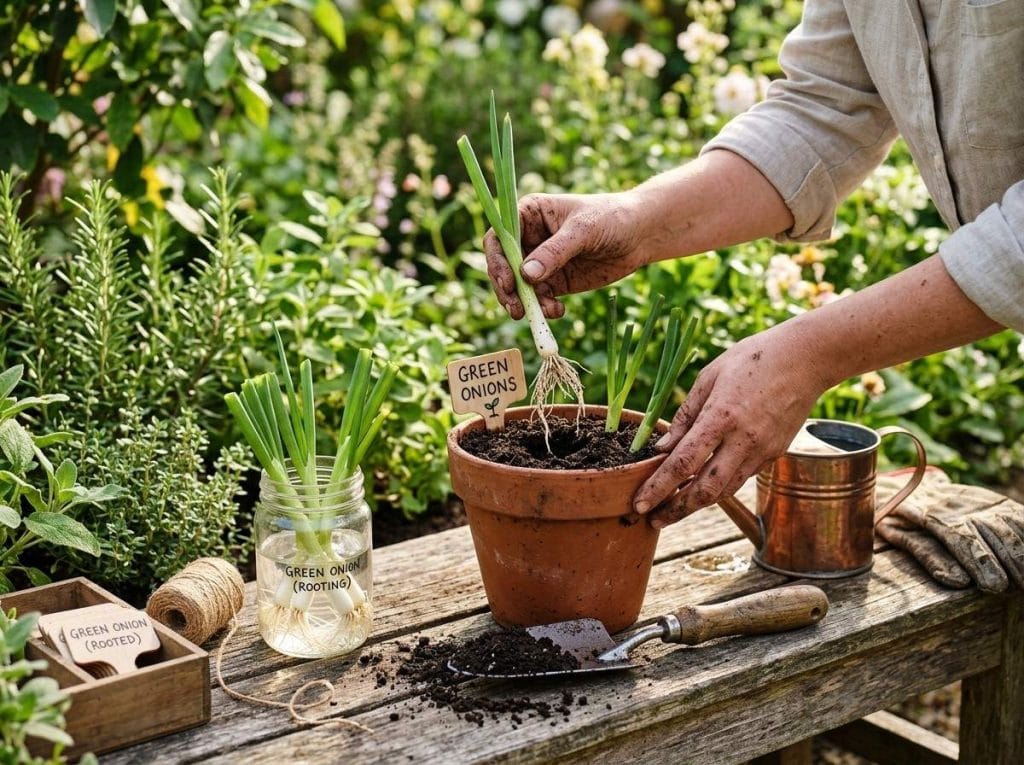
Caring for green onions grown from cuttings is simple but important. Proper care helps them grow healthy and strong. Focus on watering, light, and feeding to keep your green onions thriving.
Green onions need moist soil, not soggy. Water them every two to three days. Check the soil by touching it. If it feels dry, it is time to water. Avoid overwatering to prevent root rot.
Green onions grow best in bright light. Place them near a window with plenty of sunlight. They need at least 6 hours of light daily. Too little light causes weak and thin growth.
Feed green onions once every two weeks. Use a balanced, water-soluble fertilizer. Dilute it to half strength before applying. This helps promote strong leaves and roots without burning them.
Harvesting green onions from cuttings is simple and rewarding. You can enjoy fresh green onions almost all year. Knowing the right time and method to harvest helps keep your plants healthy and productive.
Picking green onions carefully allows them to regrow quickly. This way, you get more onions without replanting. Let's explore when to harvest and how to cut them properly.
Green onions are ready to harvest about 3 to 4 weeks after planting. Look for green leaves that are about 6 to 8 inches tall. The white base should be at least half an inch thick. Harvest before the onion starts to flower. Picking on time ensures the best taste and texture.
Use clean scissors or a sharp knife to cut green onions. Cut the green tops about 1 inch above the white base. Leave the white part and roots in the soil or water. This helps the plant grow back faster. Avoid pulling the whole plant out unless you want to harvest it all. Cutting gently keeps your green onions healthy and growing strong.
Troubleshooting common issues helps your green onions grow strong. Small problems can stop growth or make plants weak. Catching these early saves your effort and plants. Let’s look at two frequent problems and easy fixes.
Yellow leaves signal stress in green onions. Often, too much sunlight or lack of nutrients causes this. Move your plants to a spot with gentle sunlight. Check the soil for dryness. Water the plants if the soil feels dry.
Adding a small amount of balanced fertilizer can help. Avoid overfeeding; too much fertilizer harms the plants. Yellowing can also mean pests or disease. Look for tiny bugs or spots on leaves. Remove damaged leaves to prevent spread.
Root rot happens when roots stay wet too long. It makes roots soft and brown. Use well-draining soil to stop water from sitting. Make sure pots have holes for water to escape. Water only when the top soil feels dry.
Too much water invites fungi that cause rot. If you see rotten roots, trim them off carefully. Repot the plant in fresh soil to save it. Good airflow around plants also reduces root rot risk.
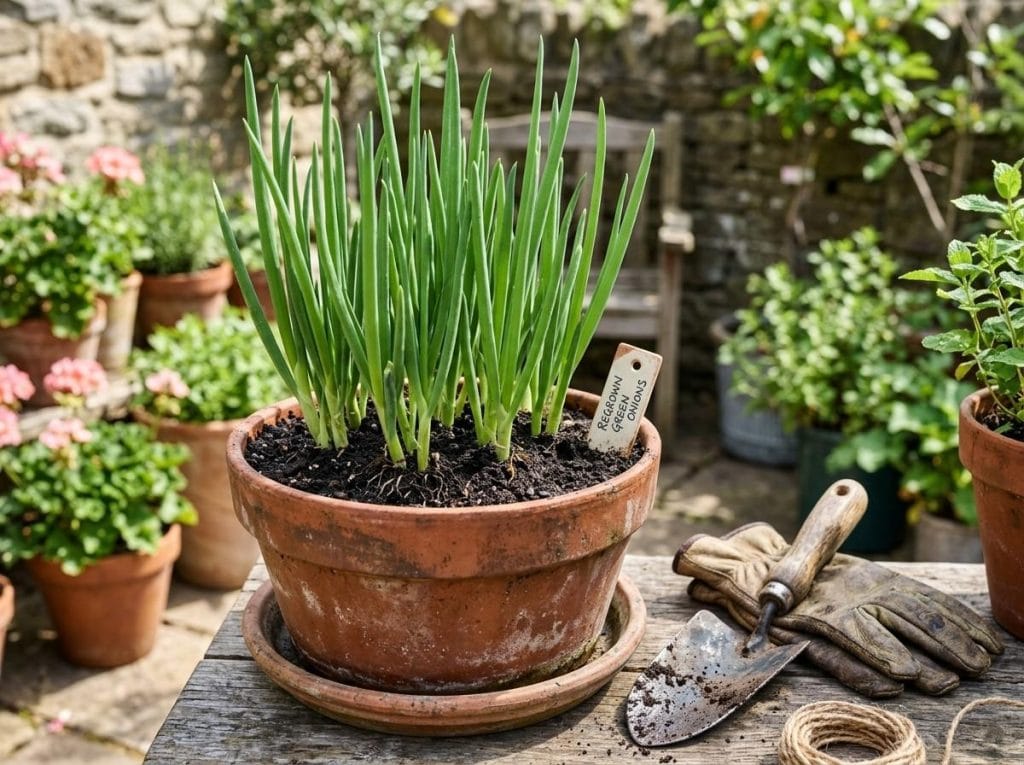
Green onions usually regrow in 7 to 14 days with proper water and light.
Yes, green onions grow well in water if changed every few days.
Use the white root end with 1-2 inches of green stem for best results.
Change the water every 2 to 3 days to keep it fresh and avoid rot.
Yes, after roots grow 2-3 inches, plant them in soil for stronger growth.
Growing green onions from cuttings is simple and rewarding. Just place the white roots in water and wait. Change the water every few days for best growth. Soon, you will see fresh green shoots. Plant them in soil for stronger growth.
This method saves money and gives you fresh onions anytime. Perfect for small spaces or kitchen gardens. Try it yourself and enjoy fresh green onions all year. Easy, quick, and fun to grow!