Gardening Made Simple.
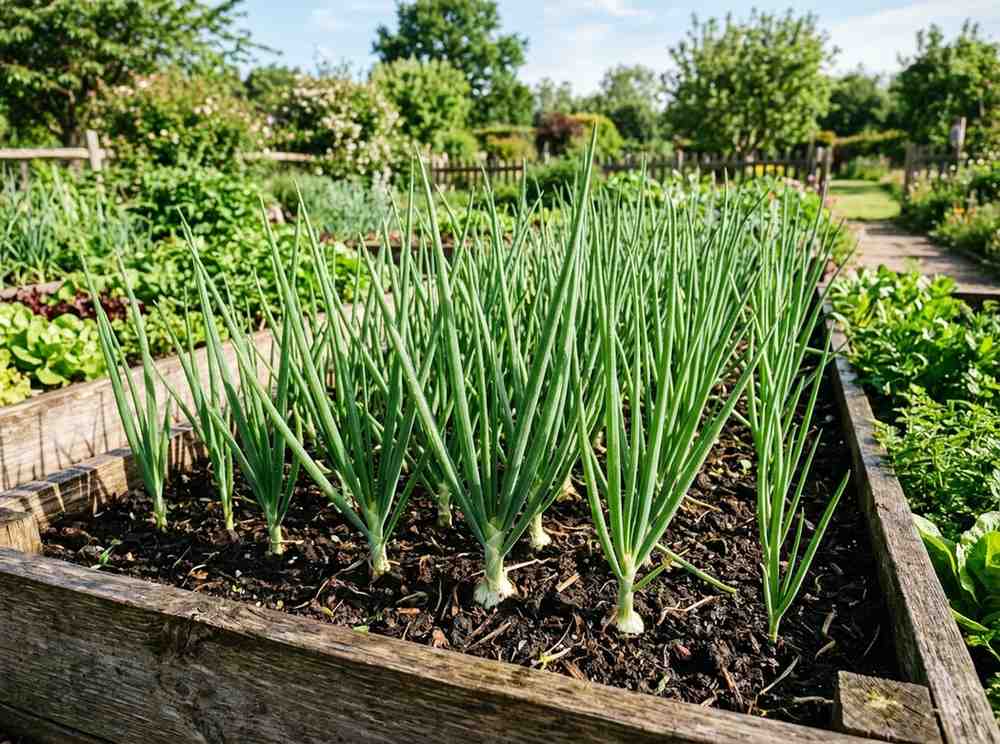
Are you ready to add fresh, crunchy spring onions to your meals right from your own garden? Grow a Garden Spring Onion project ideas are easier than you think, and once you start, you’ll wonder why you didn’t do it sooner.
Imagine picking vibrant green shoots just steps away from your kitchen. In this guide, you’ll discover simple tips to grow healthy spring onions that thrive, no matter your space or experience. Keep reading, and you’ll be surprised how quickly you can enjoy your first homegrown harvest!
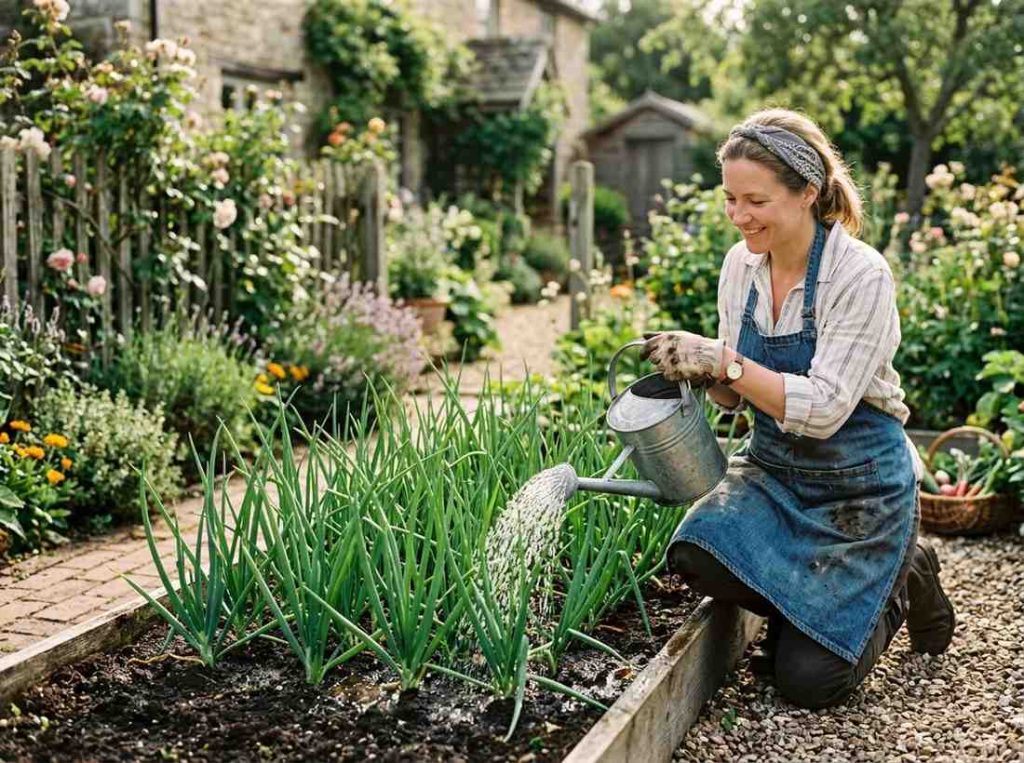
Choosing the right spring onion variety is key to a healthy garden. Different types grow well in different climates and soils. Some varieties mature quickly, while others take longer. Picking the right one saves time and effort. It also ensures a good harvest of fresh, tasty spring onions.
Many spring onion varieties suit home gardens. The White Lisbon variety grows fast and has a mild flavor. Evergreen Hardy White stays green longer and resists cold. Ishikura is popular for its thick, crunchy stalks. Tokyo Long White produces long, slender onions with a sweet taste. Choose a variety that fits your garden size and taste.
Seeds are small and take longer to grow. They give more variety choices and are cheaper. Sets are small onion bulbs. They grow faster and are easier for beginners. Sets give a quicker harvest but cost more. Decide based on how much time you have and your gardening skill.
Preparing the soil is the first step to grow healthy spring onions. Good soil helps the plants grow strong and gives a good yield. The right soil type and nutrients make a big difference. Take time to prepare the soil well before planting.
Spring onions grow best in loose, well-drained soil. Heavy clay or very sandy soil can cause problems. The soil should hold moisture but not stay soggy. A pH level between 6.0 and 7.0 is ideal. This range helps the plants absorb nutrients easily. Test your soil pH with a simple kit from the garden store.
Spring onions need rich soil to thrive. Add compost or well-rotted manure to improve soil texture and fertility. Compost adds organic matter that feeds the plants. Spread a 2-inch layer over the soil and mix it in well. Fertilize with a balanced, slow-release fertilizer for steady growth. Avoid too much nitrogen as it can cause leafy growth only.
Planting spring onions correctly helps them grow strong and healthy. Small details in planting make a big difference in the harvest. Understanding the right time, spacing, and depth is key to success. Follow these simple tips for better growth.
Spring onions grow best in cool weather. Plant seeds or sets early in spring. Soil temperature should be around 50°F (10°C). Planting too late may slow growth. Early planting gives onions time to mature before hot weather.
Space spring onion seeds about 1 inch apart. Rows should be 12 inches apart to allow room for growth. Plant seeds ¼ inch deep in loose soil. Too deep planting slows sprouting. Proper spacing prevents crowding and ensures good airflow.

Water and sunlight are key to growing healthy spring onions. These plants need just the right amount of both to thrive. Too much or too little can harm their growth. Understanding their watering and sunlight needs helps you keep your garden lush and green.
Spring onions prefer soil that stays moist but not soggy. Water them regularly to keep the soil damp. Dry soil can cause the onions to grow slowly or become tough. Avoid overwatering, which leads to root rot. Check the soil with your finger; if the top inch feels dry, it’s time to water.
Spring onions grow best in full sunlight. They need at least six hours of direct sunlight daily. Partial shade can slow their growth and reduce flavor. Place your garden in a spot where the sun shines brightly. Good light makes the leaves strong and the onions tasty.
Fertilizing spring onions helps them grow strong and healthy. It provides essential nutrients that soil may lack. Proper feeding boosts the size and flavor of your onions. Understanding how to fertilize correctly improves your garden’s success.
Select a fertilizer with balanced nutrients. Look for one rich in nitrogen to support leaf growth. Organic options like compost or well-rotted manure work well. Avoid fertilizers with too much phosphorus or potassium. These can harm young spring onions.
Apply fertilizer every two to three weeks during the growing season. Use a light feeding approach to avoid burning the plants. Mix fertilizer into the soil before planting for best results. Water the garden after fertilizing to help nutrients absorb. Regular feeding keeps spring onions growing steadily.
Managing pests and diseases is key for growing healthy spring onions. Pests and illnesses can damage leaves and bulbs. This reduces the growth and taste of your onions. Early detection and action help keep your garden strong.
Spring onions attract several pests. Onion maggots lay eggs near the roots. Their larvae eat the bulbs and roots. Thrips are tiny insects that suck juice from leaves. This causes white patches and weak plants. Leaf miners tunnel inside leaves, creating white trails. Aphids cluster on leaves and stems, spreading viruses.
Encourage ladybugs and lacewings to eat aphids. Spray plants with a mix of water and mild soap. This removes thrips and aphids gently. Use neem oil to deter many pests safely. Crop rotation helps stop onion maggots from returning. Plant garlic or marigolds nearby to repel bugs. Handpick pests early to prevent spread. Keep your garden clean to reduce pest hiding spots.
Harvesting spring onions at the right time keeps them fresh and tasty. Picking them too early or too late can affect their flavor and texture. Knowing when and how to harvest helps you enjoy the best results from your garden.
Spring onions are ready to harvest when their white bulbs are about 1 inch wide. The green tops should look healthy and firm. If the leaves start to yellow or fall over, it means they need to be picked soon. Check the soil around the bulbs; it should be loose and easy to pull the onions out.
Use your hands or a small garden fork to gently loosen the soil. Pull the spring onions straight up to avoid breaking the stems. Shake off excess dirt carefully without damaging the bulbs. Cut the roots and remove damaged leaves before storing or using them. Harvest in the morning for the freshest taste and longest shelf life.
Spring onions are fresh and tasty, but they need proper care after harvest. Storing them right keeps their crunch and flavor. Using spring onions in cooking adds a fresh, mild onion taste. It makes meals colorful and healthy.
Keep spring onions cool and moist to stay fresh longer. Wrap them in a damp paper towel. Place them in a plastic bag with some air holes. Store in the refrigerator's crisper drawer. Avoid washing before storage to stop decay. Check them often and remove any soft parts. Use within one week for best crunch and taste.
Spring onions brighten many dishes with their mild flavor. Chop them raw for salads or sandwiches. Add to soups just before serving for fresh taste. Stir-fry with vegetables and meat for a quick meal. Use as a topping for baked potatoes or pizza. Mix into scrambled eggs or omelets for a gentle zing. Their green tops work well as garnish too.
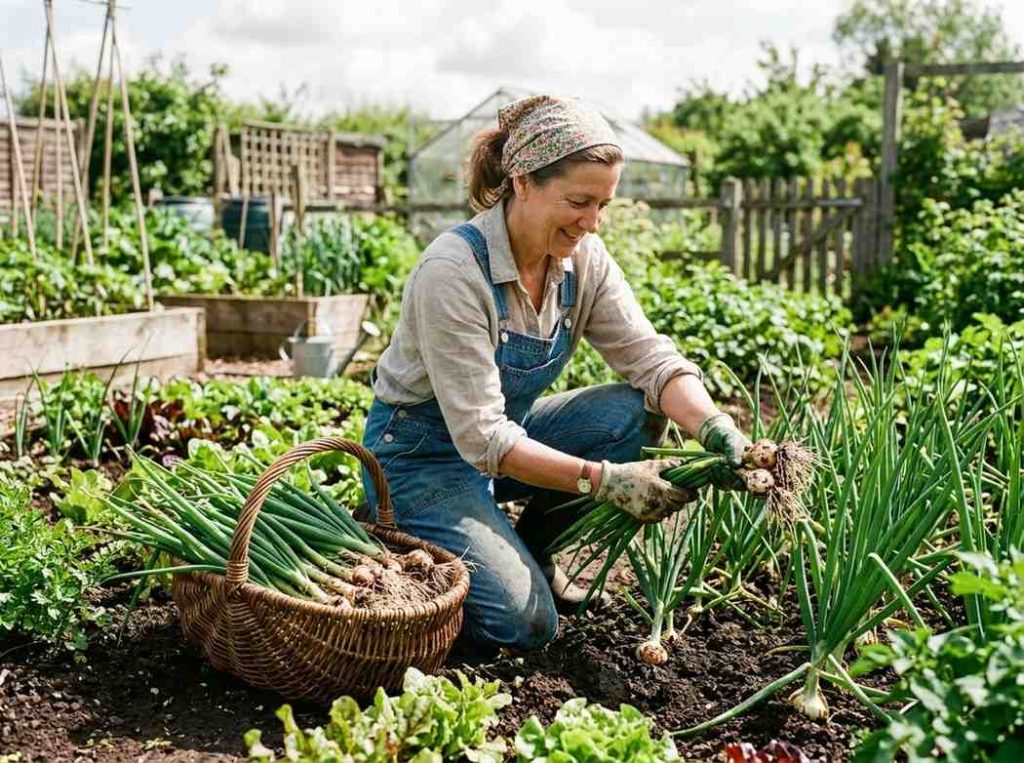
Plant spring onion seeds or use onion bulbs in loose, well-drained soil with sunlight.
Water spring onions regularly to keep soil moist but not soggy for best growth.
Plant spring onions in early spring or late summer for a good harvest.
Spring onions grow fast, usually ready to harvest in 8 to 12 weeks.
Yes, spring onions grow well indoors with enough light and a small pot.
Growing spring onions in your garden is simple and rewarding. They need little space and grow quickly. Fresh spring onions add great flavor to many dishes. Water them regularly and give them enough sunlight. Watch them sprout green shoots in just a few weeks.
Harvest often to keep them growing strong. Enjoy the fresh taste and the joy of growing your own food. A small effort brings fresh and healthy spring onions to your table. Start planting and see the results soon!