Gardening Made Simple.
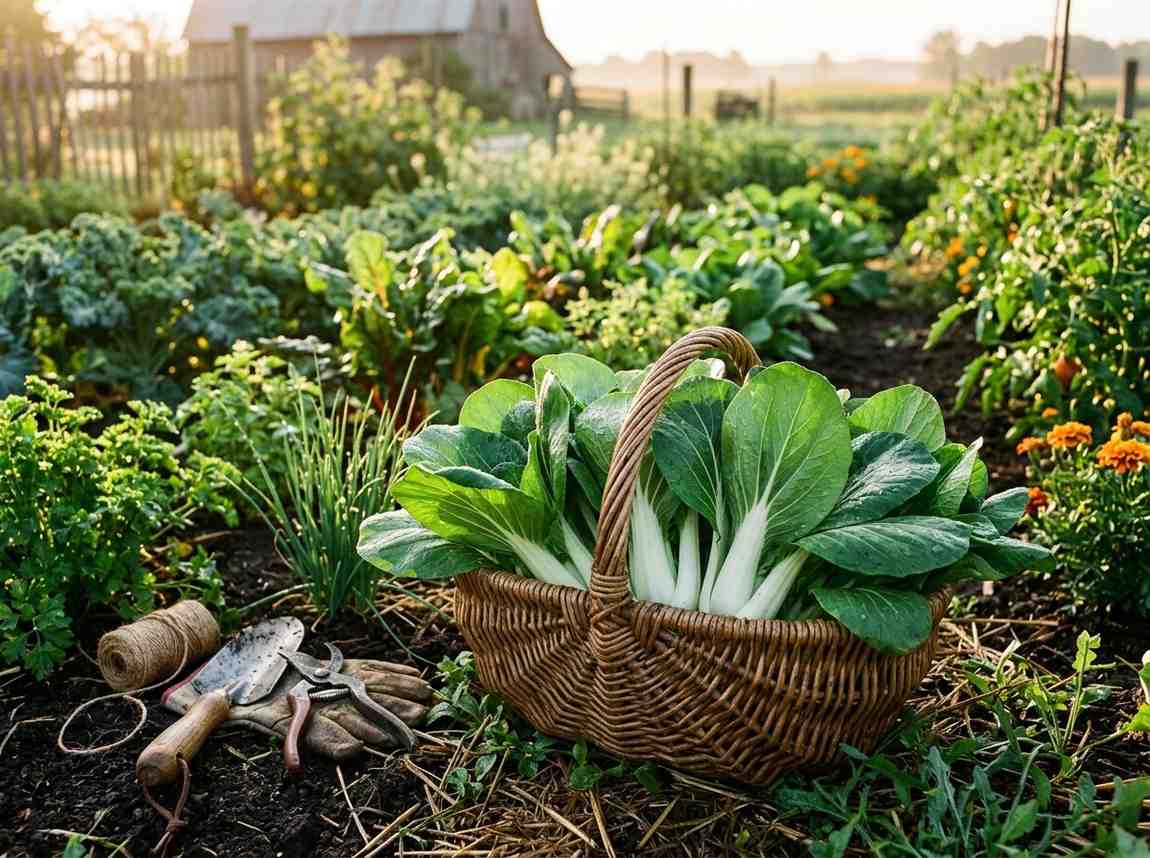
Are you ready to enjoy fresh, crunchy bok choy straight from your garden? Knowing exactly How to Harvest Bok Choy can make all the difference in taste and texture.
If you want to pick it at the perfect time and keep your plants healthy for more growth, this guide is for you. Keep reading to discover simple steps that will help you get the most out of your bok choy harvest every time.
Your garden—and your meals—will thank you!
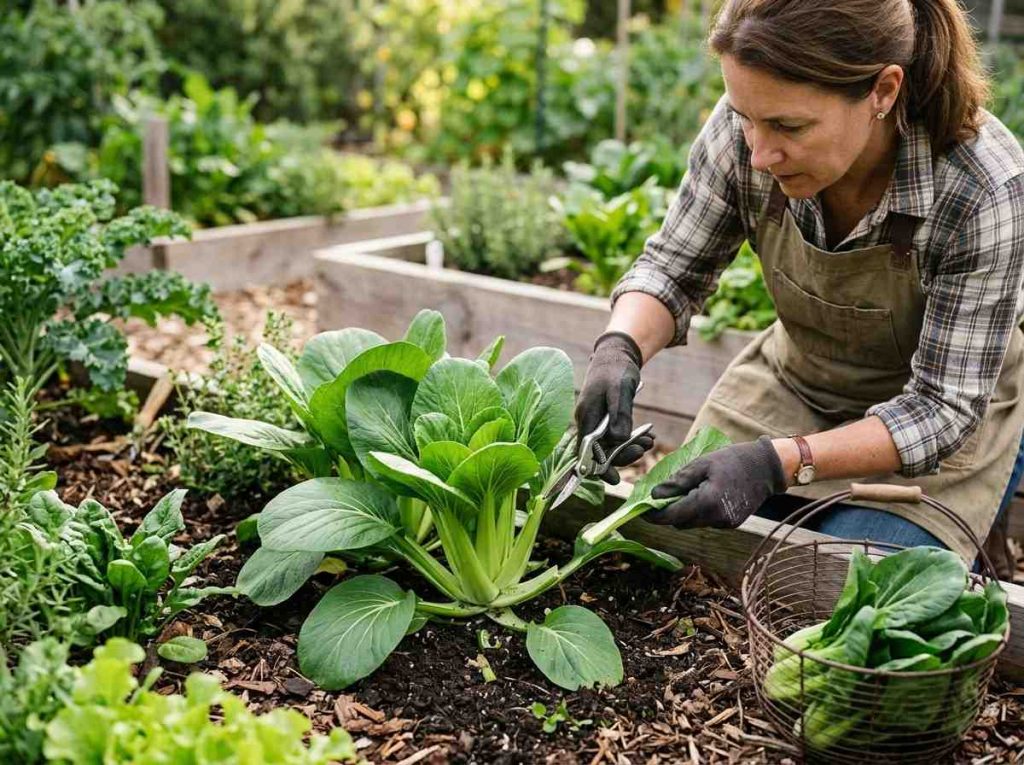
Bok choy comes in many types. Each type grows best in certain places and weather. Picking the right variety helps you get a good harvest. It also means your bok choy will taste fresh and crisp.
Think about your garden space and how much time you have. Some varieties grow fast. Others take longer but give bigger heads. Knowing this helps you plan your garden better.
This type has thick white stems and dark green leaves. It grows best in cool weather. It can reach about 12 inches tall. Standard bok choy is crunchy and mild in flavor.
Baby bok choy is smaller and tender. It grows quickly, ready in about 30 days. It has a soft texture and sweet taste. Ideal for small gardens or quick meals.
Shanghai bok choy has light green stems and leaves. It grows taller and thinner than standard types. This variety stays tender even when it grows large. Good for stir-fry dishes.
Mini bok choy is compact and grows in tight clusters. It is perfect for small spaces or containers. It cooks quickly and tastes fresh and sweet.
Knowing when to harvest bok choy is key to enjoying its fresh, crisp taste. Picking it at the right time means the leaves and stems will be tender and full of flavor. Watch for clear signs that your bok choy is ready. These signs help you avoid harvesting too early or too late.
Bok choy leaves should be about 6 to 8 inches long. They turn a bright, deep green color when ready. Avoid leaves that look yellow or wilted. Healthy, firm leaves show the plant is mature and fresh.
The stems of bok choy grow thick and firm. They should be at least 1 inch wide. Thin stems mean the plant is still young. Thick stems indicate the bok choy is juicy and crunchy, perfect for harvest.
Bok choy usually takes 45 to 60 days to mature. Check the seed packet for exact timing. Keep track of planting dates to know when to start checking the plant. Harvesting within this time frame ensures the best taste and texture.
Harvesting bok choy correctly keeps the plant fresh and tasty. Different methods suit different garden setups. Choose the best way to protect your bok choy and get the most from your harvest.
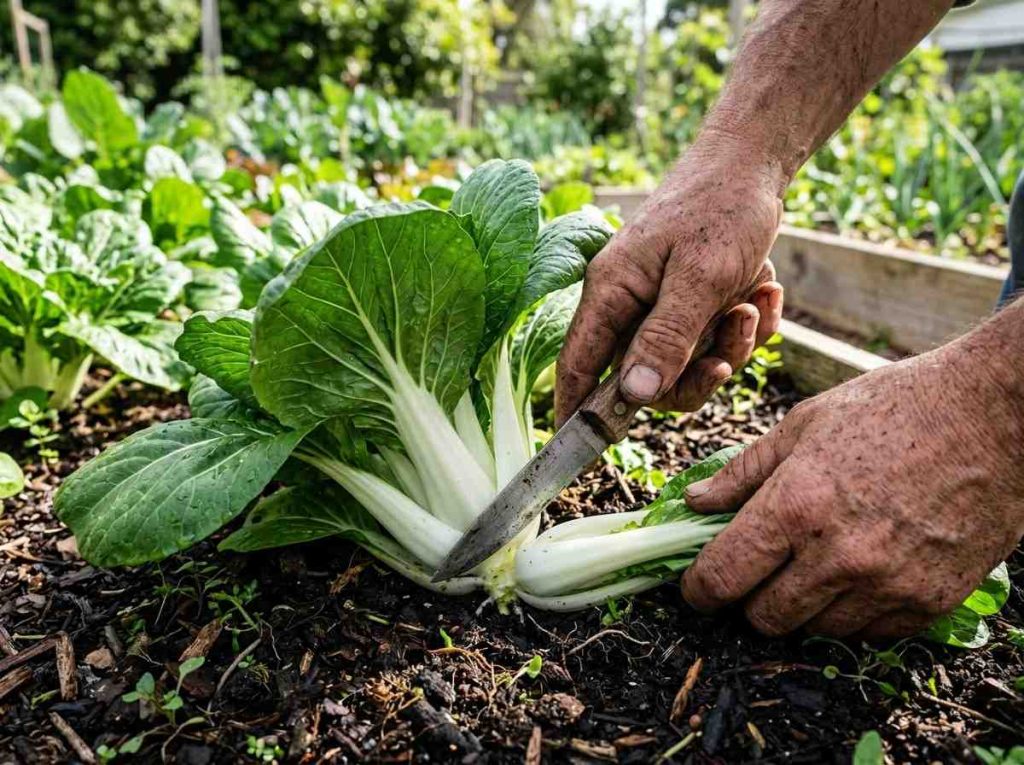
Cutting bok choy at the base is a clean and easy method. Use a sharp knife or scissors. Cut just above the soil line. This method leaves roots in the ground. It can encourage new growth for a second harvest. Cut early in the morning for best freshness.
Pulling bok choy from the soil works well for small plants. Grasp the base firmly near the soil. Pull gently but steadily to avoid breaking the stalks. This method removes the entire plant. It is ideal when you want to clear space. Do not pull if soil is too hard or dry.
Sharp tools make harvesting easier and cleaner. Use a clean, sharp knife or garden shears. Sharp tools reduce damage to plants. They also prevent disease by making a smooth cut. Clean tools before and after use to keep plants healthy. Store tools safely to maintain sharpness.
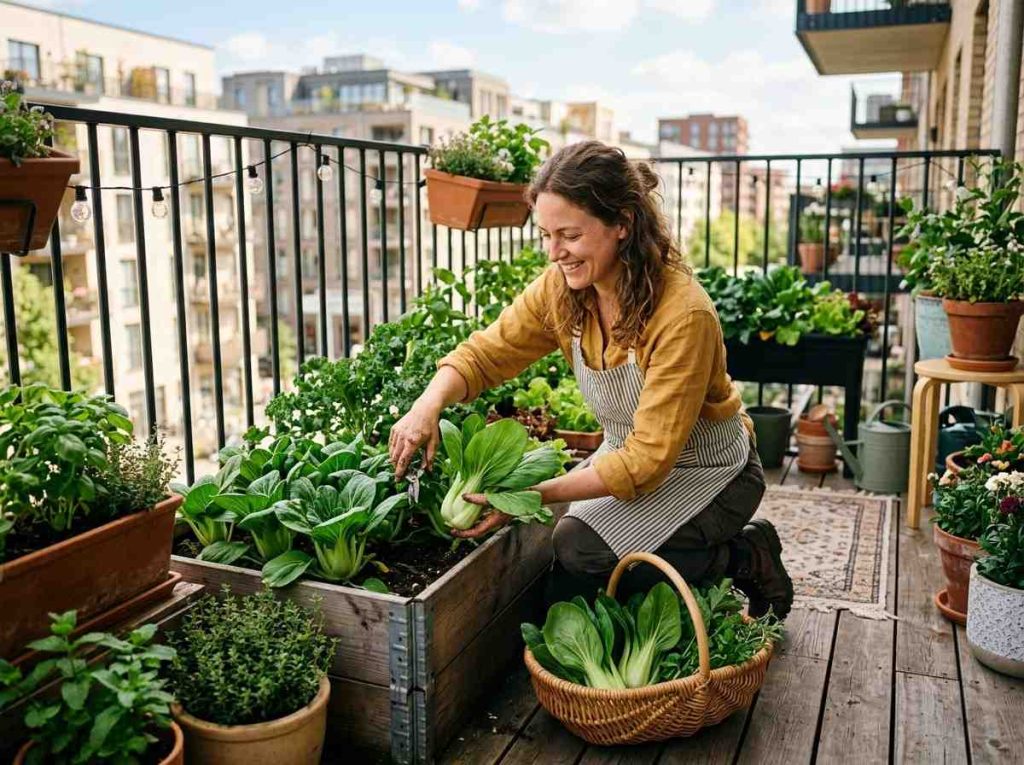
Harvesting bok choy at the right time of day helps keep it fresh and tasty. The best time to pick this leafy green is important for flavor and shelf life. Choosing the correct moment can make a big difference in your harvest.
Morning is the best time to harvest bok choy. The leaves are crisp and full of water. Cooler temperatures help keep the vegetables fresh longer. Picking early also reduces the risk of wilting in the heat.
The afternoon sun can make bok choy wilt quickly. Heat causes the leaves to lose moisture and become soft. Harvesting late in the day can reduce the vegetable’s shelf life. It is better to wait until the cooler hours.
Picking bok choy before rain keeps it clean and dry. Wet leaves can spoil faster and invite mold. Harvesting just before a rainstorm helps maintain crispness. It also makes washing easier before cooking.
Handling and storing fresh bok choy correctly keeps it crisp and tasty. Proper care helps maintain its nutrients and flavor. You can enjoy bok choy longer with simple steps.
Start by cutting off the root end. Separate the leaves gently to remove dirt. Rinse each leaf under cool running water. Use your fingers to rub off any soil. Shake off excess water or use a salad spinner. Avoid soaking bok choy too long to keep it fresh.
Store bok choy in the fridge. Place it in a plastic bag with holes for air. Keep it in the vegetable drawer to maintain moisture. Avoid storing near fruits like apples or bananas. These fruits release gases that speed up wilting.
Use bok choy within 3 to 5 days for best taste. Check leaves daily and remove any that look slimy. Wrap bok choy in a damp paper towel before bagging. This helps keep it moist without sogginess. Fresh bok choy stays crisp longer with proper care.
Harvesting bok choy correctly is key to getting the best flavor and texture. Many gardeners make simple mistakes that reduce the quality of their harvest. Avoiding these errors helps you enjoy fresh, crisp bok choy every time.
Small errors can cause your bok choy to wilt or spoil faster. Learning what not to do saves time and effort. Here are the most common harvesting mistakes to watch out for.
Harvesting bok choy before it reaches full size results in small, weak leaves. The plant will taste bitter and lack crunch. Wait until the leaves are about 6 to 8 inches tall. This size gives the best flavor and texture.
Waiting too long causes the plant to bolt or flower. Bolting makes leaves tough and bitter. Harvest promptly once leaves reach the right size. Watch for flower buds and pick before they open.
Dull knives or scissors crush the stems and damage the plant. Dirty tools spread disease and cause rot. Always use sharp, clean tools to cut bok choy. This keeps the plant healthy and extends shelf life.
Pulling uproots the entire plant and disturbs nearby plants. This method can damage roots and stop regrowth. Use a sharp knife or scissors to cut the stem near the base. This allows new shoots to grow back.
Picking bok choy when wet increases the risk of mold and rot. Wet leaves also bruise easily. Harvest on dry days or wait for dew to dry. Handle leaves gently to keep them fresh longer.
Encouraging continuous growth in bok choy means you can enjoy fresh harvests for a longer time. This leafy vegetable grows quickly, so planning helps keep your garden full. Proper care and planting methods boost its growth and yield.
Succession planting means sowing seeds every two weeks. This method keeps new plants growing as you harvest old ones. It creates a steady supply of bok choy. Choose a sunny spot and prepare the soil before planting. Thin seedlings to avoid overcrowding. Harvest leaves from the outside to let the center keep growing.
Bok choy grows best in rich, well-drained soil. Add compost to improve soil texture and nutrients. Use a balanced fertilizer with equal nitrogen, phosphorus, and potassium. Apply fertilizer every few weeks to support leafy growth. Keep soil moist but not soggy. Mulch around plants to keep soil cool and moist. Healthy soil means strong plants and continuous harvests.
Bok choy is ready when leaves are 6 to 8 inches tall and firm.
Yes, pick outer leaves first to keep the plant growing longer.
Harvest early morning for the freshest, crispest leaves and best flavor.
Cut bok choy at the base with a sharp knife to avoid root damage.
Store bok choy in the fridge; it lasts about 1 week fresh.
Harvesting bok choy is simple and rewarding. Pick leaves when they look fresh and green. Cut the plant close to the ground for best taste. Use a sharp knife to avoid damage. Regular harvesting encourages new growth. Enjoy your fresh bok choy in salads or cooked dishes.
Growing and harvesting your own bok choy saves money. It also gives you healthy, tasty vegetables at home. Start small, and watch your garden grow. Happy harvesting!