Gardening Made Simple.
Are you ready to grow fresh, tasty onions right in your garden? How to Plant Onion Sets is one of the easiest and fastest methods for growing healthy onions and enjoying a successful harvest.
Whether you're a beginner or have some gardening experience, this simple method can help you enjoy homegrown onions without much hassle. In this guide, you’ll discover the step-by-step process to plant onion sets successfully, avoid common mistakes, and ensure your onions thrive.
Keep reading, and you’ll soon be harvesting your own delicious onions!
Choosing the right onion sets is the first step for a healthy onion crop. Onion sets are small onion bulbs. They grow fast and give good results. Picking the right type and quality makes planting easier and more successful.
There are three main types of onion sets: white, yellow, and red. Each type has different uses and flavors. White onions have a sharp taste. Yellow onions are milder and good for cooking. Red onions are sweet and perfect for salads. Choose the type that fits your cooking style and climate.
Good onion sets must be firm and dry. Avoid sets that look soft or moldy. Healthy sets have no cracks or spots. Pick sets that are medium-sized, not too big or small. Large sets may bolt and small sets may grow slowly. Fresh sets give the best chance for strong plants.
Preparing the soil is the first step to planting onion sets successfully. Healthy soil helps onions grow strong and produce good bulbs. Taking time to prepare the soil well makes a big difference in your harvest.
Onions grow best in loose, well-drained soil. The soil should be rich in organic matter. A slightly acidic to neutral pH, around 6.0 to 7.0, is ideal. Avoid heavy clay or sandy soils that do not hold moisture well. Good soil allows roots to spread easily and absorb nutrients.
Drainage is key to healthy onion growth. Waterlogged soil can rot onion sets. To improve drainage, mix in compost or aged manure. These materials lighten the soil and help water flow away. Raised beds also help prevent standing water. Make sure the planting area does not stay soggy after rain.
Onions need nutrients to grow large bulbs. Before planting, add a balanced fertilizer to the soil. Choose one with nitrogen, phosphorus, and potassium. Work the fertilizer into the top 6 inches of soil. Avoid too much nitrogen, which can cause leafy growth instead of bulbs. Fertilizing gives onions the food they need to thrive.
Planting onion sets is a simple process that helps you grow fresh onions easily. Good planting techniques make sure your onions grow strong and healthy. This part explains the best time to plant, how to space and plant the sets, and the steps to follow.
Plant onion sets in early spring or late fall. The soil should be cool but not frozen. Onion sets grow best in temperatures between 50°F and 75°F. Avoid planting when the ground is too wet or dry. Early planting helps onions develop bigger bulbs.
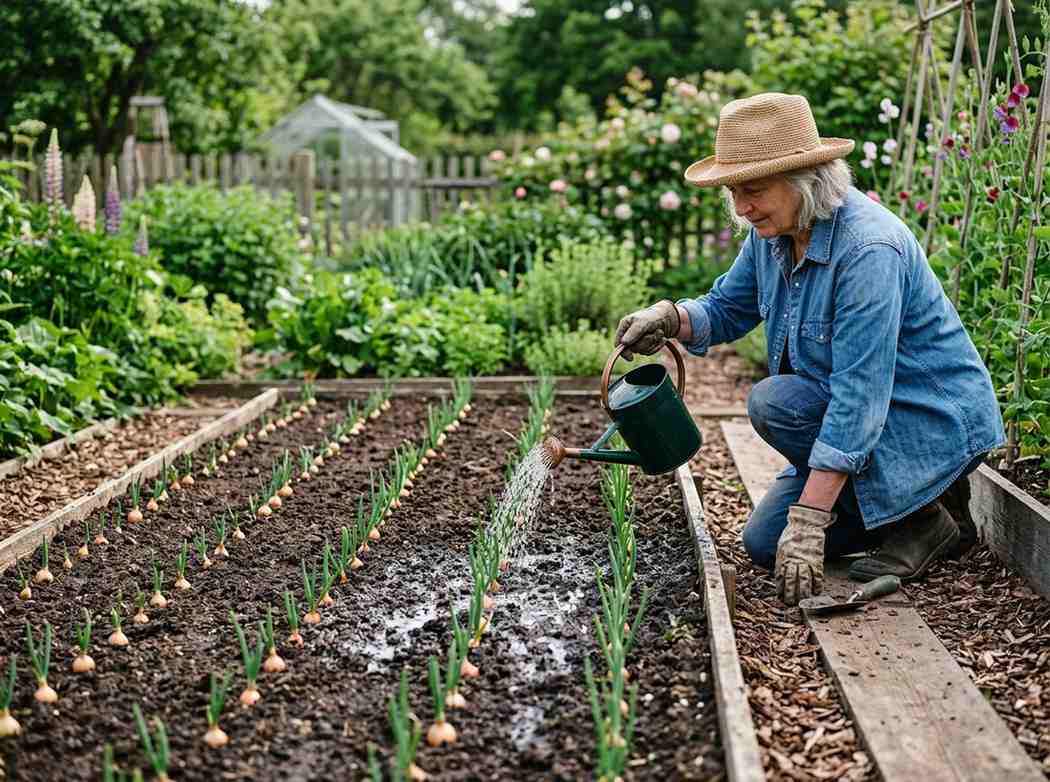
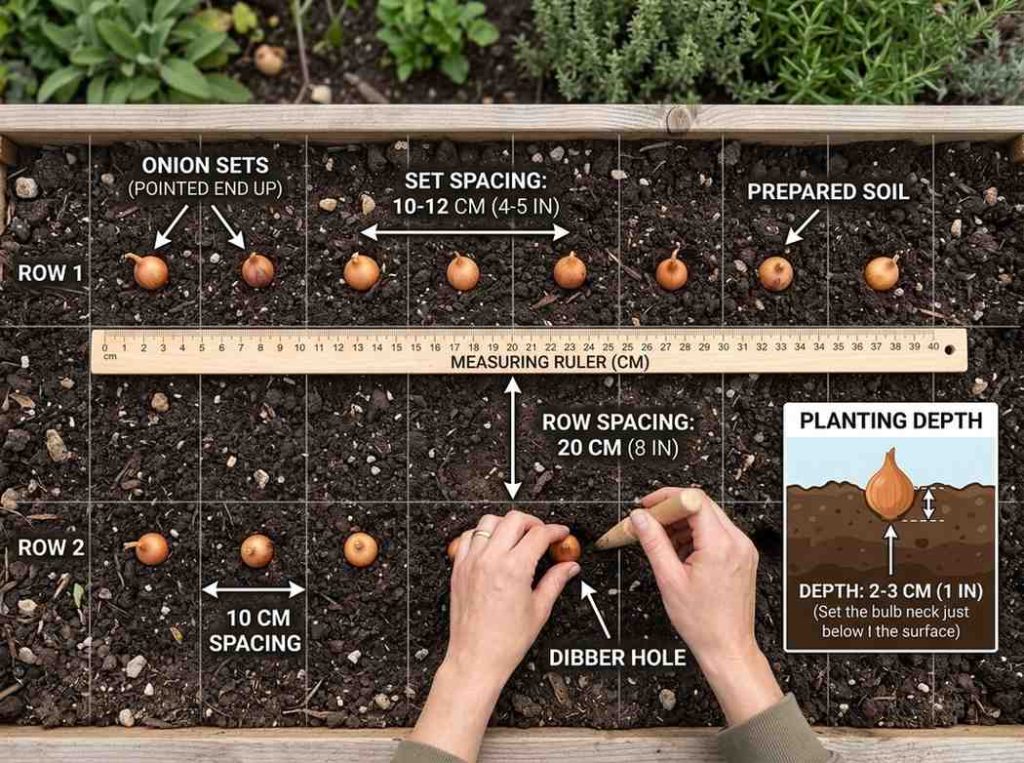
Space onion sets 4 to 6 inches apart in rows. Keep rows about 12 to 18 inches apart. Plant sets 1 to 2 inches deep, just enough to cover the bulb. Proper spacing allows air circulation and room for growth. Planting too deep or too close can reduce bulb size.
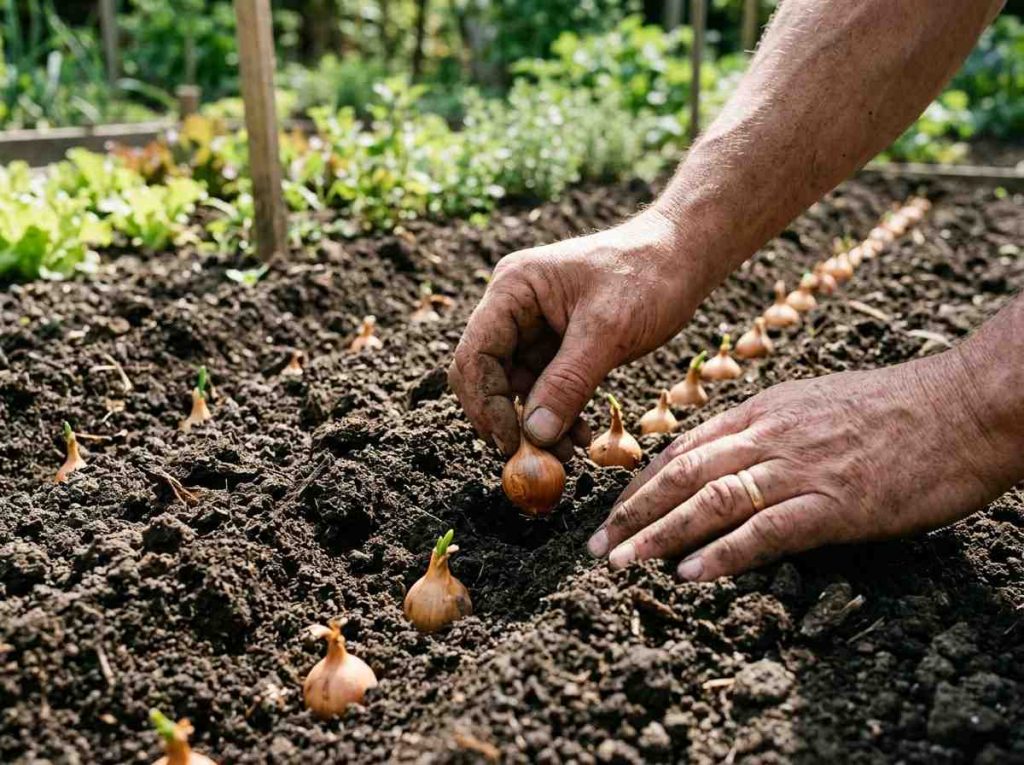
Start by loosening the soil with a garden fork or tiller. Remove stones and weeds from the area. Place each onion set upright, with the pointed end up. Cover with soil and gently press down. Water the soil lightly after planting to help sets settle. Keep the soil moist but not soggy.
Caring for onion sets is key to growing healthy onions. Proper care helps onions grow strong and produce good bulbs. Water, mulch, and weed control all play important roles. These simple steps keep your onion sets healthy and growing well.
Onion sets need regular water to grow. Water deeply once or twice a week. Keep soil moist but not soggy. Avoid watering leaves to prevent disease. Morning watering is best to let plants dry during the day.
Mulch keeps soil moist and cool. It stops water from evaporating too fast. Mulch also blocks weeds from growing near onions. Use straw, grass clippings, or shredded leaves as mulch. Apply mulch about 2 inches thick around plants.
Weeds compete with onions for water and nutrients. Remove weeds by hand or with a hoe carefully. Avoid disturbing onion roots while weeding. Keep the area around onion sets clean. Regular weeding helps onions grow better and bigger.
Growing onion sets can be easy and fun. But pests and diseases can cause problems. Knowing how to handle them helps keep onions healthy. This section explains common pests, disease prevention, and organic solutions.
Onion plants attract pests like onion maggots and thrips. These bugs feed on the bulbs and leaves. They cause yellowing and weak plants. Look for small holes or sticky residue. Early detection stops damage from spreading. Watch your plants often for signs of pests.
Diseases like onion rot and mildew affect growth. Avoid planting onion sets in the same spot each year. Use well-drained soil to prevent water buildup. Keep plants spaced to improve air flow. Remove dead leaves and debris to reduce fungi. Healthy soil and clean tools lower disease risk.
Natural methods work well against pests and diseases. Use neem oil or insecticidal soap to control insects. Plant garlic or marigolds nearby to repel bugs. Spray a baking soda mix to fight fungal infections. Handpick pests if you find them early. Organic care keeps your onions safe without harsh chemicals.
Harvesting onions is a key step in growing your own fresh produce. Knowing the right time and method to harvest ensures the best quality and storage life. Proper harvesting helps keep your onions firm and flavorful for months.
Onions are ready to harvest when their tops start to fall over and dry out. The green leaves will turn yellow or brown. The bulbs should be large and feel firm to touch. Check the size by gently digging around one onion. Avoid harvesting too early or the bulbs will be small.
Loosen the soil around the onions using a garden fork or trowel. Pull the onions carefully by their tops to avoid bruising. Shake off excess dirt but keep the roots attached. Lay the onions in a dry, shaded area to prevent sun damage. Handle the bulbs gently to avoid cuts or bruises.
Curing onions helps them last longer. Spread the onions out in a dry, well-ventilated place for two to three weeks. Let the outer skins become papery and dry. Trim the roots and tops after curing. Store onions in a cool, dark, and dry spot with good air flow. Avoid storing near potatoes to prevent spoilage.
Planting onion sets is simple, but some issues can slow growth or harm your crop. Knowing common problems helps you fix them fast. This keeps your onions healthy and strong. Let’s explore three frequent troubles and how to handle them.
Small onion bulbs often mean crowded plants or poor soil. Give each set enough space, about 4 inches apart. Use rich, well-drained soil with plenty of compost. Water regularly but avoid soaking the soil. Thin seedlings if too close to help bulbs grow bigger.
Bolting happens when onions send up flower stalks too early. This wastes energy and makes bulbs small. Bolting can occur from sudden cold or heat changes. Plant sets after the last frost and keep soil cool with mulch. Remove flower stalks quickly to save bulb growth.
Rot and mold thrive in wet, poorly drained soil. Avoid overwatering and make sure your garden drains well. Remove any soft or discolored bulbs fast to stop spread. Use fungicide if mold appears early. Healthy soil and good airflow prevent these issues best.
Onion sets are small onion bulbs used for quick and easy planting. They grow faster than seeds.
Plant onion sets in early spring, as soon as the soil is workable and not frozen.
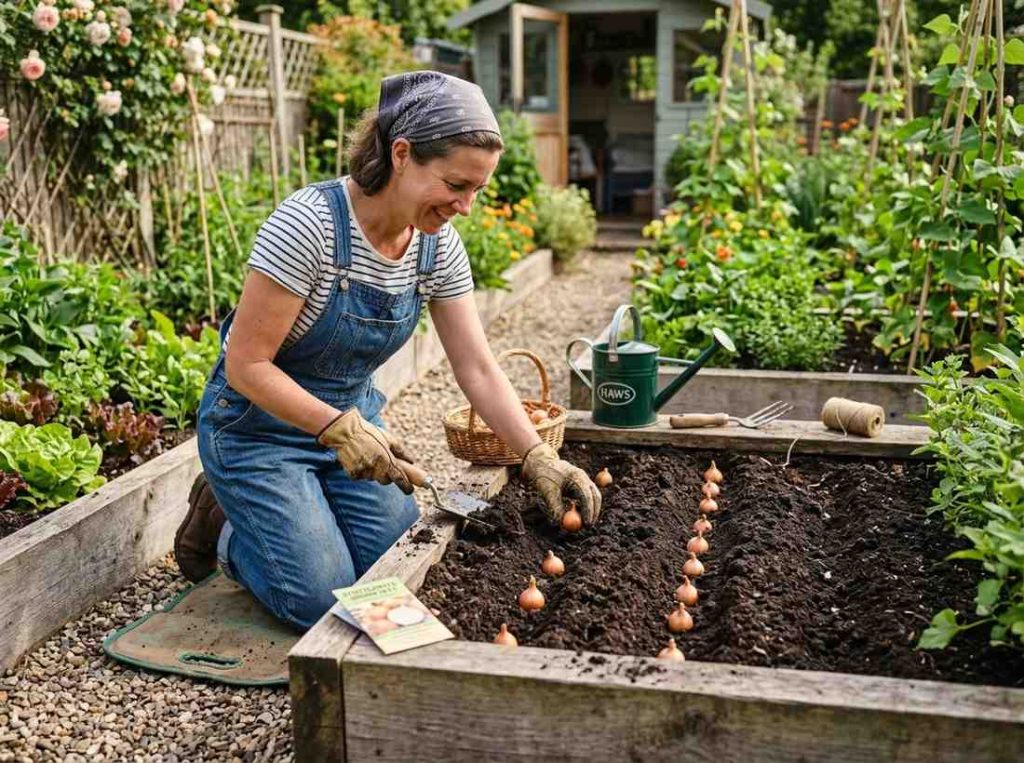
Plant onion sets about 1 inch deep, with the pointed side facing up for best growth.
Space onion sets 4 to 6 inches apart to give each onion enough room to grow.
Water regularly, keep soil loose, and remove weeds to help onion sets grow healthy and strong.
Planting onion sets is simple and rewarding. Choose healthy sets and plant them in loose soil. Water regularly but avoid overwatering. Watch them grow with little care. Harvest onions when tops turn brown and fall. Growing your own onions saves money and tastes fresh.
Give it a try this season. Enjoy fresh onions from your garden soon.