Gardening Made Simple.
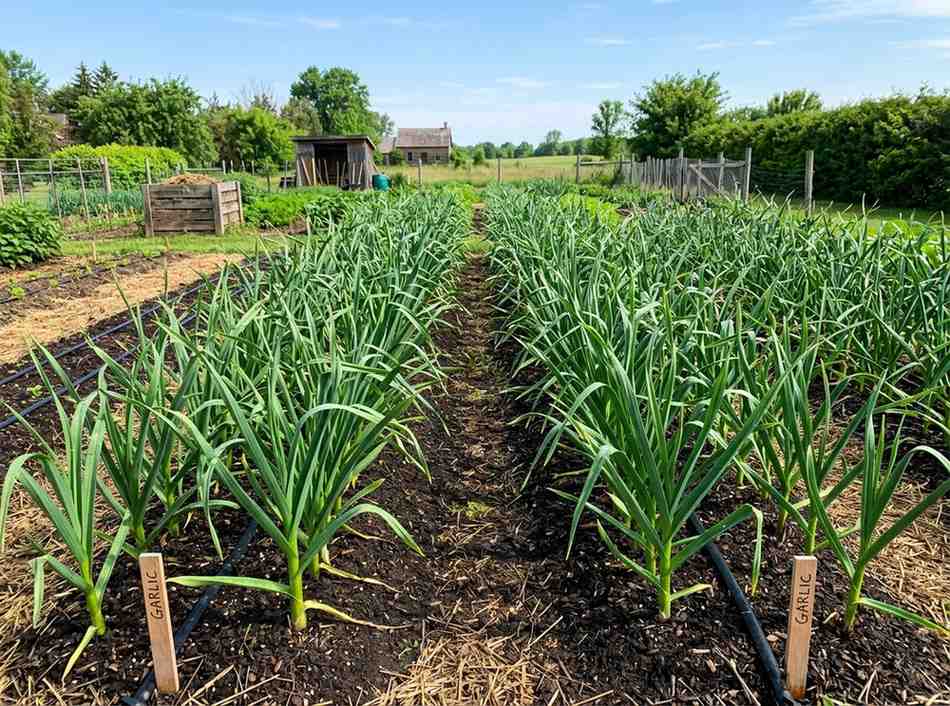
If you’ve ever wanted to add fresh, flavorful garlic straight from your own garden, you’re in the right place. How to Grow Garlic is easier than you might think, and with just a little care, you can enjoy a harvest that transforms your cooking.
Imagine the satisfaction of peeling a bulb you grew yourself—full of rich aroma and taste. In this guide, you’ll discover simple steps to plant, nurture, and harvest garlic successfully. Ready to turn your garden into a garlic powerhouse? Keep reading, and you’ll learn everything you need to know to get started today.
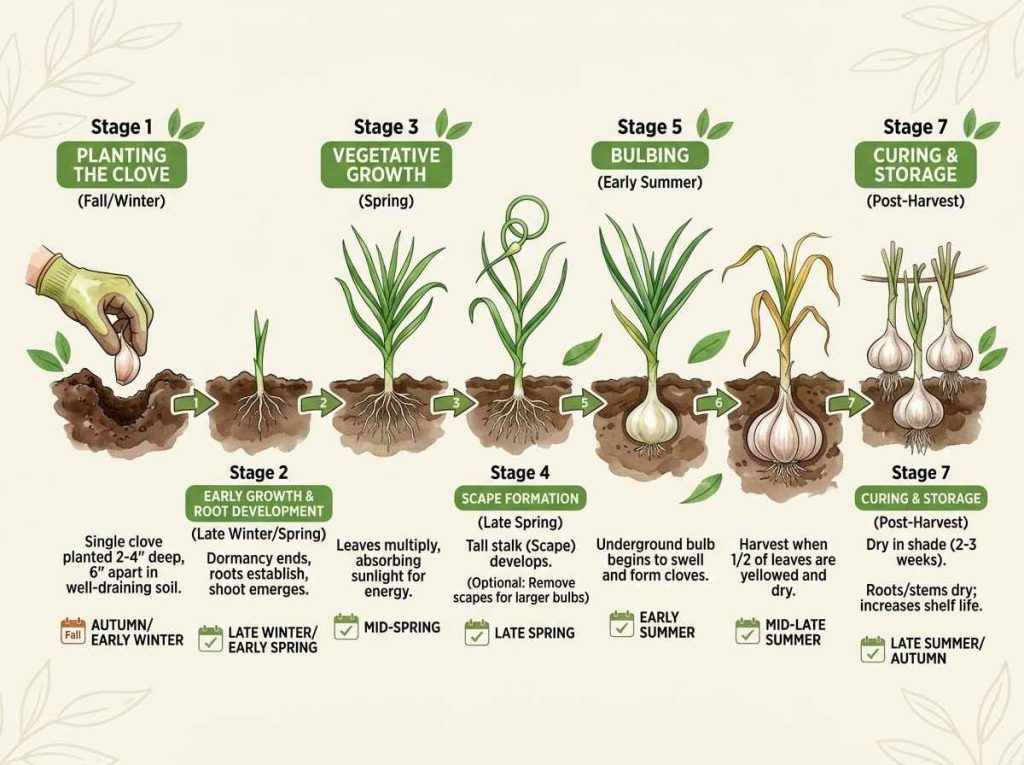
Choosing the right garlic variety is important for a good harvest. Different types of garlic grow better in certain climates and soils. Picking the right variety helps you get strong bulbs and great flavor. Understanding the main types of garlic makes selection easier. This guide breaks down key points for choosing garlic varieties.
Hardneck garlic has a stiff central stalk. It grows well in cold climates. It produces fewer but larger cloves. Hardneck garlic has strong flavor and easy-to-peel cloves.
Softneck garlic has flexible stems. It grows better in warm climates. It produces many small cloves. Softneck garlic stores longer and is common in grocery stores.
Choose hardneck for cold winters and strong flavor. Choose softneck for mild winters and longer storage.
Cold regions suit varieties like Rocambole and Porcelain. These are types of hardneck garlic. They tolerate frost and produce bold flavors.
Warm regions do well with Softneck varieties like Artichoke and Silverskin. These handle mild winters and store well.
Consider soil and rainfall too. Some garlic prefers well-drained soil. Others need more moisture. Match the variety to your garden’s conditions.
Preparing the soil is a key step to growing healthy garlic. Good soil helps garlic roots grow strong and bulbs develop fully. Taking time to prepare the soil properly will lead to a better harvest.
Garlic grows best in loose, well-drained soil. Heavy clay or waterlogged soil can cause bulbs to rot. The soil should have a neutral to slightly acidic pH, between 6.0 and 7.0. Garlic needs soil rich in nutrients for good growth. Avoid planting garlic in soil that recently grew onions, leeks, or garlic. This helps prevent diseases.
Test the soil to check its pH and nutrient levels. Use a simple home test kit or send a sample to a lab. Add organic matter like compost or aged manure to improve soil texture and fertility. Mix amendments well into the soil before planting. Avoid using fresh manure as it can harm garlic roots. Proper soil preparation supports strong garlic plants and larger bulbs.
Planting garlic is a simple process that sets the stage for a healthy harvest. Choosing the right time and planting the cloves properly helps garlic grow strong and flavorful. Good soil and space allow the bulbs to develop fully.
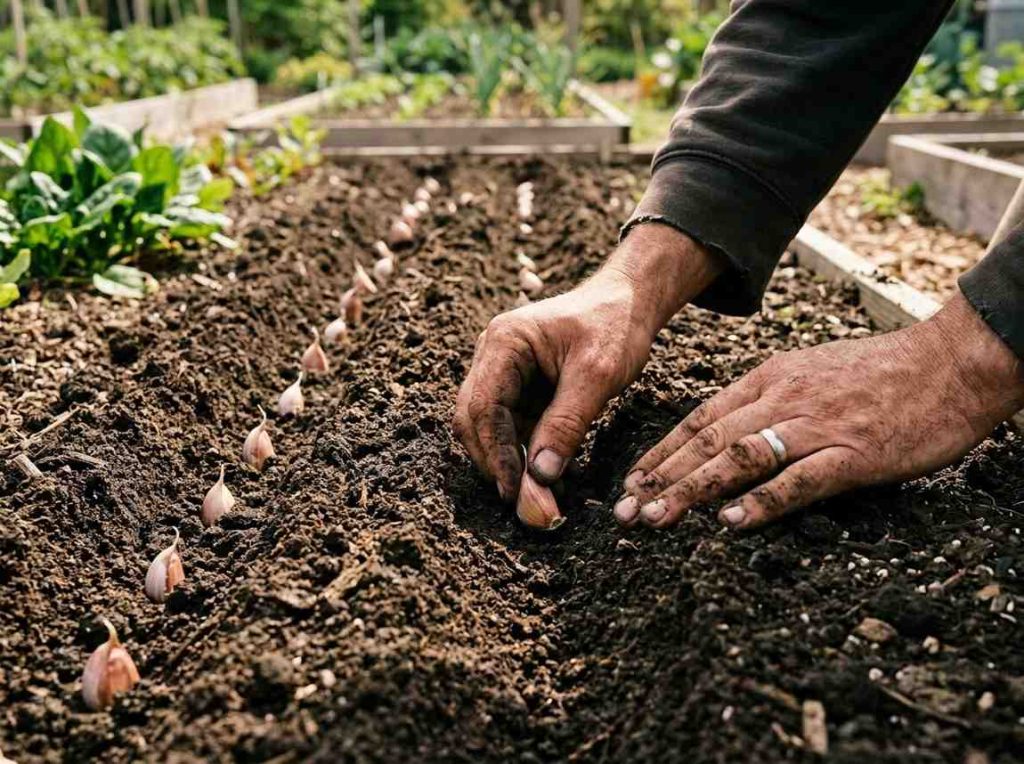
Plant garlic in the fall, about 4 to 6 weeks before the ground freezes. This timing lets the cloves develop roots before winter. Cold weather helps the bulbs grow better in spring. In mild climates, plant garlic in late fall or early winter.
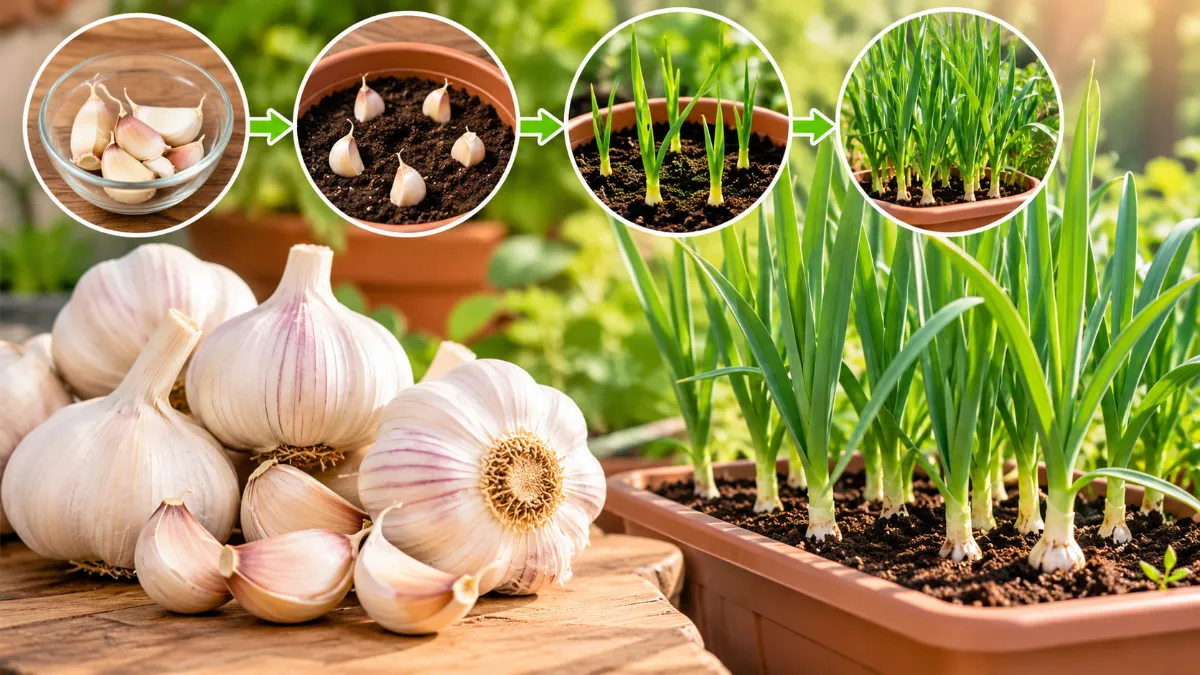
Plant each garlic clove 2 inches deep with the pointed end up. Cover the cloves with soil and gently press down. Space cloves 4 to 6 inches apart to give each bulb room to grow. Rows should be 12 inches apart to allow air flow and easy care.
Caring for garlic plants is key to a healthy, big harvest. Garlic needs the right water, food, and protection from pests. Simple steps keep your plants strong and growing well. Watch your garden closely and act fast if problems arise.
Garlic likes steady moisture but not soggy soil. Water deeply once a week during dry periods. Avoid watering leaves to stop diseases. Early morning watering helps plants absorb water better. Reduce watering as garlic bulbs mature to prevent rot.
Use a balanced fertilizer to feed garlic plants. Apply fertilizer in early spring when shoots appear. A second feeding about a month later supports strong bulb growth. Avoid too much nitrogen, which can cause leafy growth but small bulbs. Organic compost also works well as a natural food source.
Keep garlic beds free from weeds. Weeds compete for water and nutrients. Use mulch to stop weed growth and keep soil moist. Check plants regularly for pests like onion maggots or aphids. Remove pests by hand or use safe insect sprays if needed. Healthy plants resist pests better.
Managing garlic growth is important for a healthy harvest. It means caring for the plants as they grow. This helps the garlic bulbs develop well and become strong.
Good management includes protecting the soil and handling garlic scapes. These steps keep the garlic plants healthy and productive.
Mulching keeps the soil moist. It stops water from evaporating too fast. This helps garlic roots get steady moisture.
Mulch also stops weeds from growing. Weeds take nutrients and water from garlic plants. Mulching keeps the soil cool in hot weather. It protects the garlic roots from temperature changes. Organic mulch breaks down and adds nutrients to soil.
Garlic scapes are flower stalks. They appear in late spring or early summer. Cutting scapes helps the plant focus energy on the bulb. This makes bulbs bigger and stronger.
Cut scapes as soon as they curl. Use clean scissors or garden shears. Remove scapes carefully to avoid plant damage. Scapes can be cooked and eaten, too.
Harvesting garlic is the final step in growing this flavorful vegetable. Timing and technique are important to get the best bulbs. Harvest too early, and the garlic may not store well. Harvest too late, and the bulbs can split or rot. Knowing when and how to harvest ensures fresh, healthy garlic.
Check the garlic leaves for signs of maturity. When about half the leaves turn brown, the garlic is ready. The lower leaves dry first, while the upper leaves stay green longer. Bulbs should feel firm and full under the soil. Avoid waiting until all leaves are dry. That can cause the bulbs to crack and lose quality.
Use a garden fork or shovel to loosen the soil around the bulbs. Lift the garlic carefully to avoid bruising or cutting the bulbs. Do not pull garlic straight up; this can damage the bulb and stalk. Brush off excess dirt but do not wash the bulbs. Allow the garlic to cure in a dry, shaded area for two weeks. Proper curing improves flavor and storage life.
Curing and storing garlic properly helps keep it fresh for months. This process lets the garlic dry out and toughen its skin. Well-cured garlic resists mold and sprouting. Good storage keeps garlic firm and flavorful for a long time.
After harvesting, clean garlic by brushing off dirt. Do not wash with water. Hang garlic in a dry, airy spot. Use mesh bags or baskets for airflow. Keep garlic away from direct sunlight. Let garlic dry for two to three weeks. The outer skin should feel papery and dry. The neck of the garlic should be tight and firm.
Store garlic in a cool, dark place with good air flow. Ideal temperature is between 60 to 65 degrees Fahrenheit. Avoid storing garlic in the refrigerator. Moisture and cold cause garlic to sprout or rot. Keep garlic away from heat and sunlight. Use breathable containers like mesh bags or paper bags. Check garlic regularly and remove any soft or moldy bulbs.
Growing garlic is mostly simple and rewarding. Still, problems can arise. Knowing how to spot and fix common issues helps keep your garlic healthy. This section guides you through the main troubles you might face. You will learn to identify diseases, prevent pests, and solve growth problems.
Garlic can catch fungal and bacterial diseases. Watch for yellow or brown spots on leaves. Leaves may curl or wilt. Soft, rotten bulbs mean trouble inside the soil. These signs show infections like white rot or rust.
Early detection stops disease spread. Remove infected plants right away. Avoid planting garlic in the same spot yearly. Use clean tools and fresh soil to reduce risk.
Insects can harm garlic plants. Thrips and onion maggots are common pests. Look for damaged leaves or holes. Tiny bugs may hide on stems or bulbs.
Keep your garden clean to discourage pests. Use natural sprays such as neem oil. Crop rotation helps prevent pest buildup. Healthy plants resist pests better.
Garlic might grow slowly or produce small bulbs. Poor soil or lack of water can cause this. Garlic needs loose, rich soil and steady moisture. Avoid overwatering or letting soil dry out.
Thin or weak shoots show nutrient shortage. Fertilize with balanced compost or organic fertilizer. Give plants enough space to grow. Crowded garlic struggles to develop well.
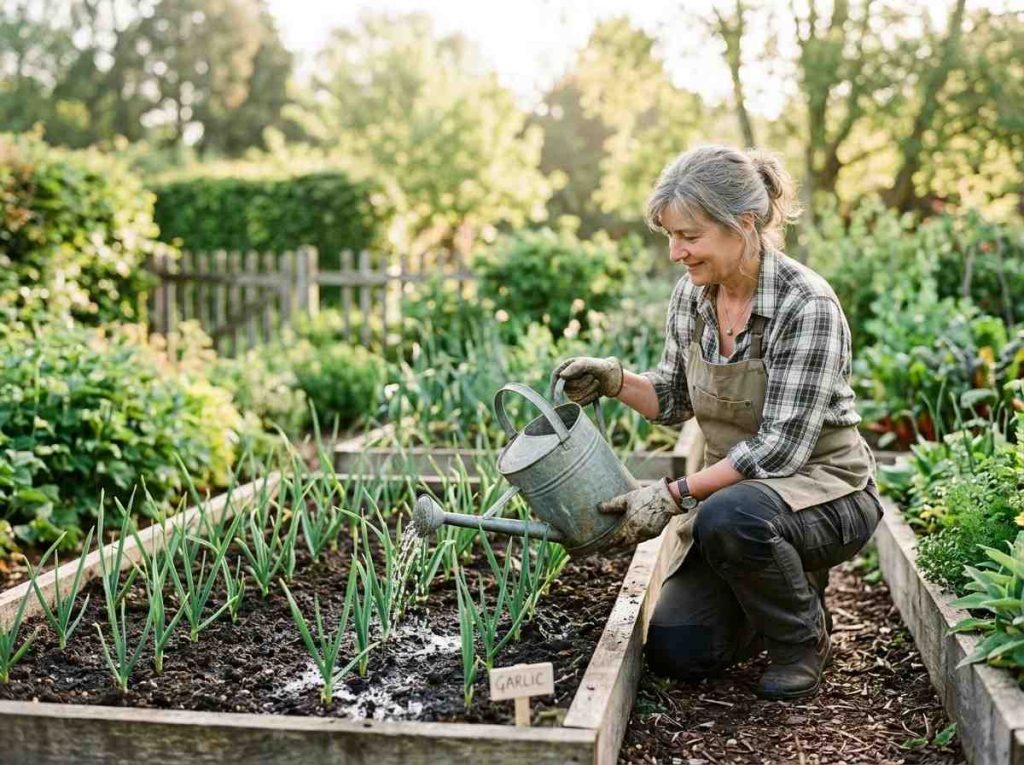
Plant garlic in the fall, about 4-6 weeks before the first frost for strong growth.
Plant cloves 2 inches deep with the pointed end up for proper root and bulb growth.
Garlic needs full sun, at least 6 hours of direct sunlight each day for best results.
Water garlic once a week, keeping soil moist but not soggy to avoid rot.
Harvest garlic when leaves turn yellow and start to dry, usually in mid to late summer.
Growing garlic takes patience and care but brings great rewards. Plant cloves in loose soil and water them well. Watch for green shoots and keep weeds away. Garlic grows best with plenty of sunlight. Harvest when the leaves turn brown and dry.
Store bulbs in a cool, dry place. Fresh garlic adds flavor and health benefits to meals. Try growing garlic yourself to enjoy fresh, tasty bulbs. Simple steps lead to a successful garlic harvest every time. Give it a try and enjoy the process.