Gardening Made Simple.
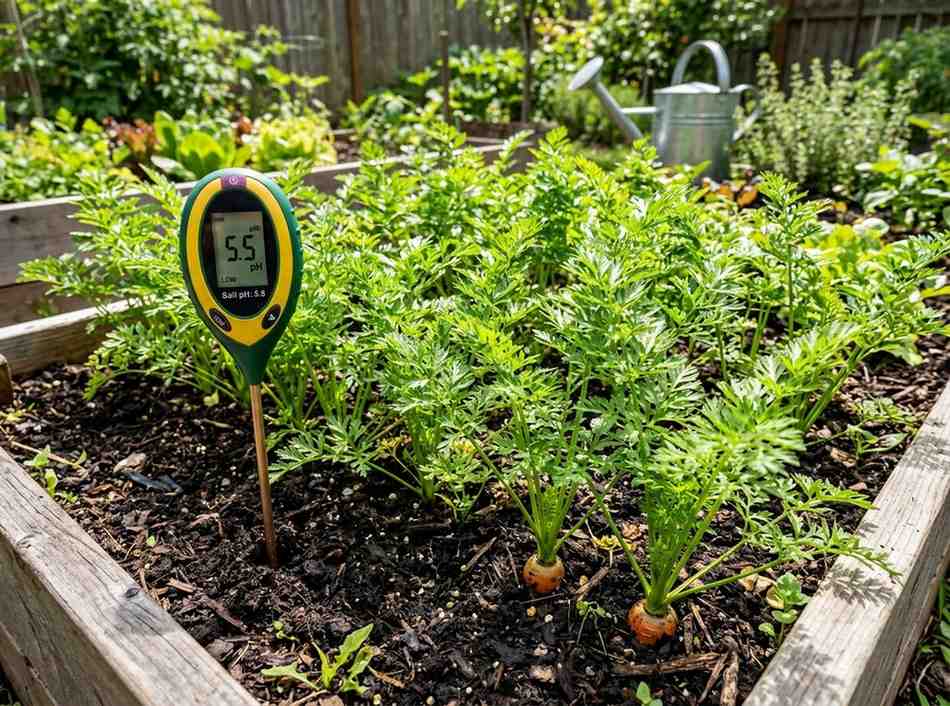
Are you growing carrots and wondering why they’re not thriving as expected? The secret might be hidden beneath the surface—your soil’s pH level. Understanding Carrot Soil Ph Tolerance 5.5 can help you create the right growing conditions for healthier roots and a better harvest.
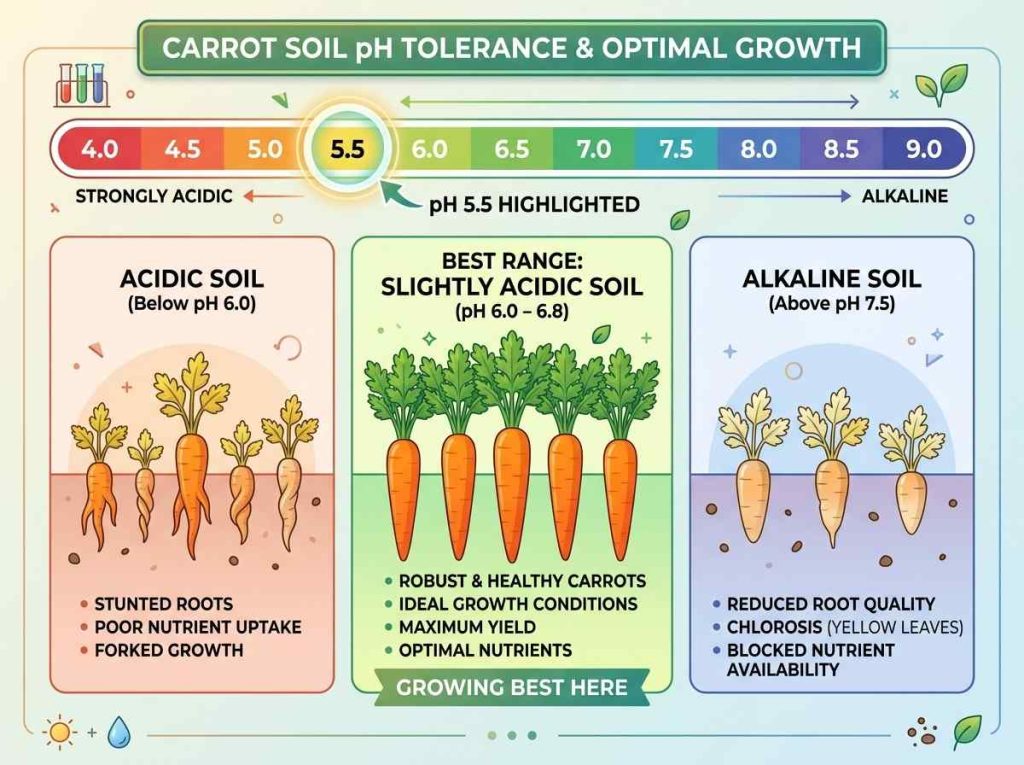
Carrots need just the right balance to grow healthy and strong, and a soil pH around 5. 5 is often the sweet spot. If your soil is too acidic or too alkaline, your carrots could struggle to absorb nutrients, affecting their size and taste.
You’ll discover why carrot soil pH tolerance matters, how to test your soil, and simple steps to adjust it for the best harvest. Keep reading to unlock the key to growing crisp, delicious carrots right in your garden.
Carrots grow best in soil with the right pH level. The ideal soil pH for carrots is about 5.5. This slightly acidic soil helps carrots absorb nutrients well. It also supports healthy root growth. Knowing the ideal pH helps gardeners get better carrot crops.
Soil pH measures how acidic or alkaline the soil is. Carrots need soil that is not too acidic or too alkaline. If the pH is wrong, carrots may not grow well. The wrong pH can stop roots from developing properly. Soil pH affects how plants use water and nutrients.
The best pH range for carrots is between 5.5 and 6.5. At this range, carrots can absorb nutrients easily. Soil outside this range can cause poor growth and misshaped roots. Keeping soil pH near 5.5 helps carrots grow long and sweet.
Soil pH controls how nutrients move in the soil. At pH 5.5, carrots get enough nitrogen, phosphorus, and potassium. These nutrients help roots grow strong and healthy. If pH is too high or low, nutrients become less available. This causes nutrient deficiencies and weak plants.
Soil pH plays a key role in carrot growth. Carrots prefer soil with a pH near 5.5. This range helps carrots absorb nutrients well. The right pH supports healthy root development. It also affects the taste and texture of carrots. Understanding soil pH helps gardeners grow better carrots.
Carrot roots grow best in slightly acidic soil. Soil pH around 5.5 allows roots to expand smoothly. If pH is too low or high, roots may become stunted. Poor root growth leads to misshaped or small carrots. Balanced pH supports strong, healthy roots that grow deep.
Soil pH affects how carrots taste and feel. Proper pH helps carrots develop a sweet flavor. It also keeps the texture crisp and firm. Incorrect pH can cause carrots to taste bitter. They may also become soft or woody in texture.
Too acidic or alkaline soil causes nutrient problems. Carrots may suffer from poor color and slow growth. Root diseases can increase with wrong soil pH. Gardeners often see cracked or forked carrots. Testing and adjusting soil pH prevents these common issues.
Carrots grow best in soil with a pH near 5.5. This level helps the plant absorb nutrients easily. Adjusting soil pH to 5.5 improves carrot growth and flavor. It also reduces disease risks. Testing soil and knowing how to change pH is key for healthy carrots.
Testing soil pH is the first step. Use a soil test kit from a garden store. Follow the instructions carefully. You can also send a soil sample to a lab. Testing shows if the soil is too acidic or alkaline. This guides the pH adjustment process.
Lowering soil pH means making it more acidic. Add sulfur or aluminum sulfate to the soil. Mix these into the top few inches. Use organic materials like pine needles or peat moss. These help acidify the soil slowly. Water well after applying to activate the change.
Raising soil pH means making it less acidic. Add lime (ground limestone) to the soil. Dolomitic lime also adds magnesium. Spread lime evenly over the soil surface. Mix it into the soil for best results. Water the area to start the pH change.
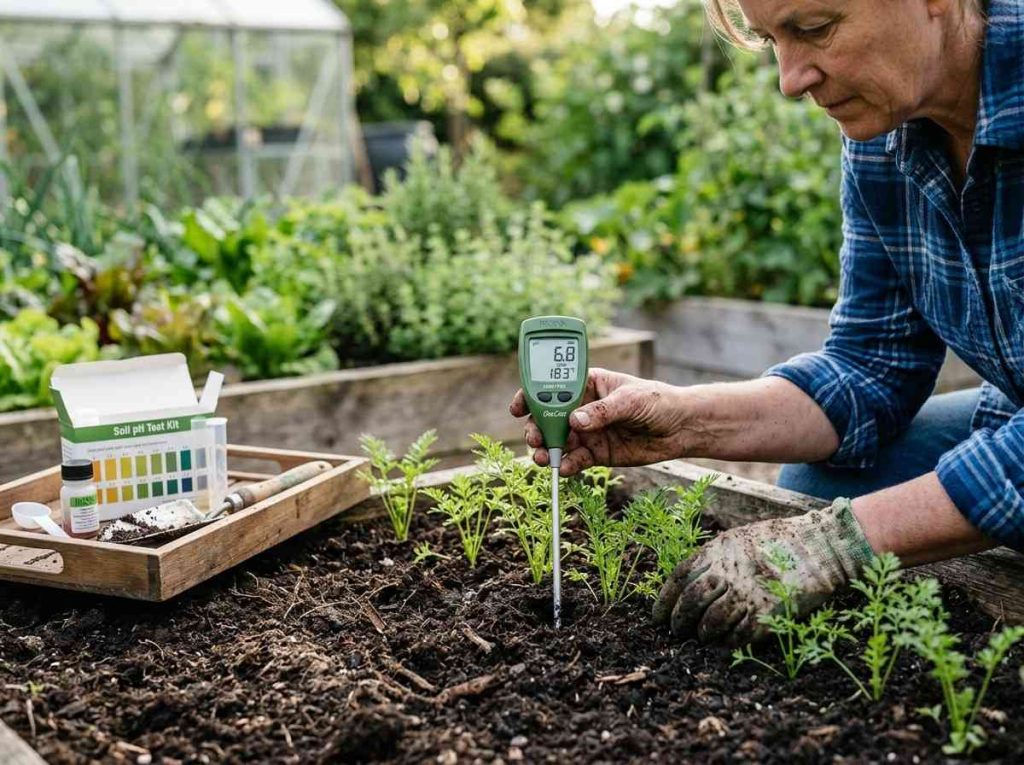
Soil amendments play a key role in growing healthy carrots. Carrots prefer soil with a pH around 5.5. Proper soil adjustments improve carrot growth and flavor. The right amendments help maintain this ideal pH and provide good nutrients.
Using the right materials keeps soil loose and fertile. This encourages strong roots and better yields. Careful soil care makes all the difference in carrot farming.
Organic matter like compost or aged manure enriches the soil. It improves soil texture and helps retain moisture. These materials break down slowly and add nutrients over time. Organic matter also supports beneficial soil microbes. This creates a healthy environment for carrots to grow.
Lime raises soil pH if it is too acidic. It makes the soil less sour, closer to 5.5 pH needed by carrots. Sulfur lowers soil pH if it is too alkaline. It helps make the soil more acidic. Both lime and sulfur should be used carefully. Test your soil first to know which one to apply and how much.
Carrots need the right balance of nutrients like nitrogen, phosphorus, and potassium. Too much nitrogen causes leafy tops but poor roots. Phosphorus helps root growth and development. Potassium improves overall plant health. Use soil tests to check nutrient levels. Add fertilizers based on test results. Balanced nutrients lead to strong, sweet carrots.
Growing carrots successfully requires careful attention to soil, water, and pests. Carrots prefer soil with a pH of about 5.5. This slightly acidic soil helps them absorb nutrients better. Following good farming practices increases carrot yield and quality.
Rotate carrots with other crops each season. Avoid planting carrots where root vegetables grew before. This reduces soil diseases and pests. Crop rotation also keeps soil nutrients balanced. Plant legumes or leafy greens after carrots to improve soil health.
Carrots need consistent moisture but dislike waterlogged soil. Water the plants evenly to keep soil moist. Avoid overwatering to prevent root rot. Good drainage is essential. Use raised beds or sandy soil to help water drain quickly.
Watch for common carrot pests like carrot flies and aphids. Use physical barriers like row covers to protect plants. Remove weeds that attract pests. Check plants regularly for signs of disease. Remove infected plants to stop spreading. Use organic sprays if necessary to control pests safely.
Keeping carrot soil healthy is key to growing strong carrots. The right soil pH helps carrots absorb nutrients well. Monitoring soil health lets you spot problems early. Maintaining soil health supports steady carrot growth and good yields.
Test soil often to check pH and nutrient levels. Soil testing shows if pH is near 5.5, the ideal for carrots. Testing helps catch shifts before they harm plants. Use simple soil test kits or send samples to labs.
Change soil pH slowly to avoid stress on carrots. Add lime to raise pH if soil is too acidic. Use sulfur or organic matter to lower pH if too high. Make small changes and test again after a few weeks.
Use crop rotation to keep soil nutrients balanced. Add compost to improve soil texture and fertility. Avoid over-tilling to protect soil structure. Healthy soil supports carrots and other plants year after year.
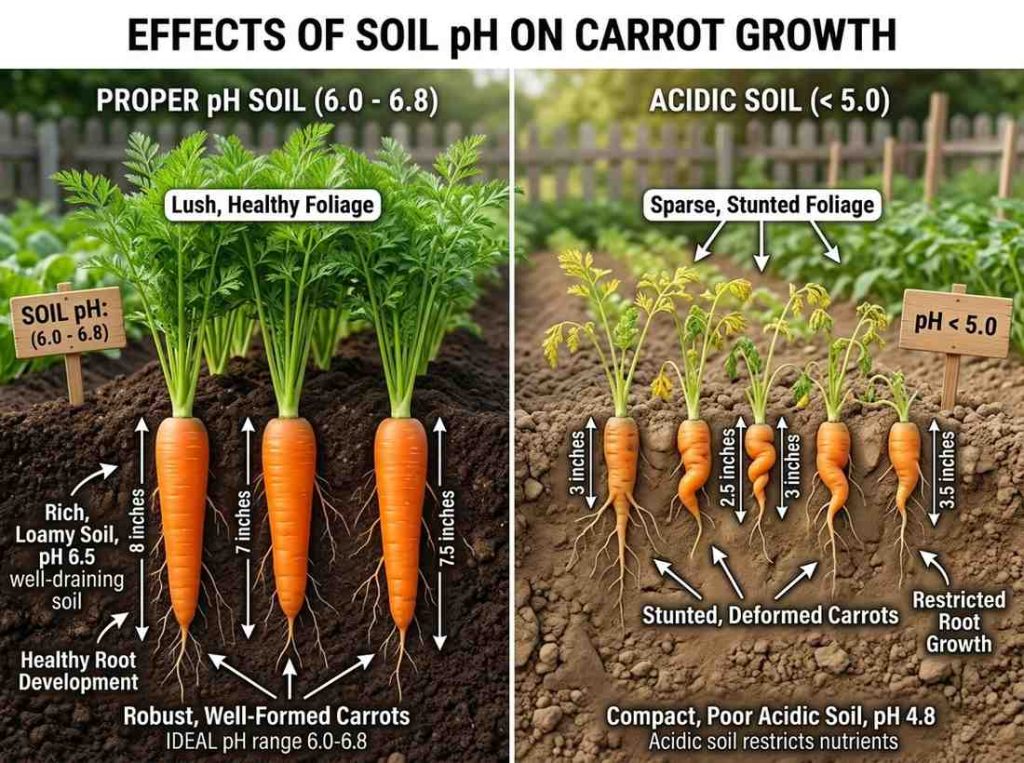
Carrots grow best in soil with a pH close to 5. 5, which is slightly acidic.
Soil pH influences nutrient availability, affecting carrot size, color, and taste.
Carrots may grow slower and produce smaller roots in soil with pH above 6.
Add sulfur or organic matter like peat moss to reduce soil pH.
Maintaining pH 5. 5 ensures carrots absorb nutrients efficiently and grow healthy roots.
Carrots grow best in soil with a pH near 5. 5. This level helps roots absorb nutrients well. Soil that is too acidic or too alkaline harms carrot growth. Testing soil pH before planting saves time and effort. Adjust soil pH by adding lime or sulfur as needed.
Healthy soil means healthy carrots. Keep the soil balanced for a good harvest. Simple steps make a big difference in your garden. Carrots thrive when soil conditions are just right.